Heritage Treasures of North Bengal
This tour is specially designed to showcase some of the most important heritage treasures of North Bengal. It covers the rich cultural legacy of the region, including the SAARC Cultural Capital, UNESCO World Heritage sites, the famous Temple City of Puthia, and the breathtaking Padma, the longest river in Bangladesh. Blending history, architecture, and natural beauty, this journey offers a memorable experience through one of the country’s most remarkable heritage regions.
- 4
- 3
- Anytime
- Start at only $550
Tour Highlights for Heritage Treasures of North Bengal
- National Martyrs’ Memorial: Visit Bangladesh’s iconic national monument, built to honor the brave souls who sacrificed their lives for the country’s independence.
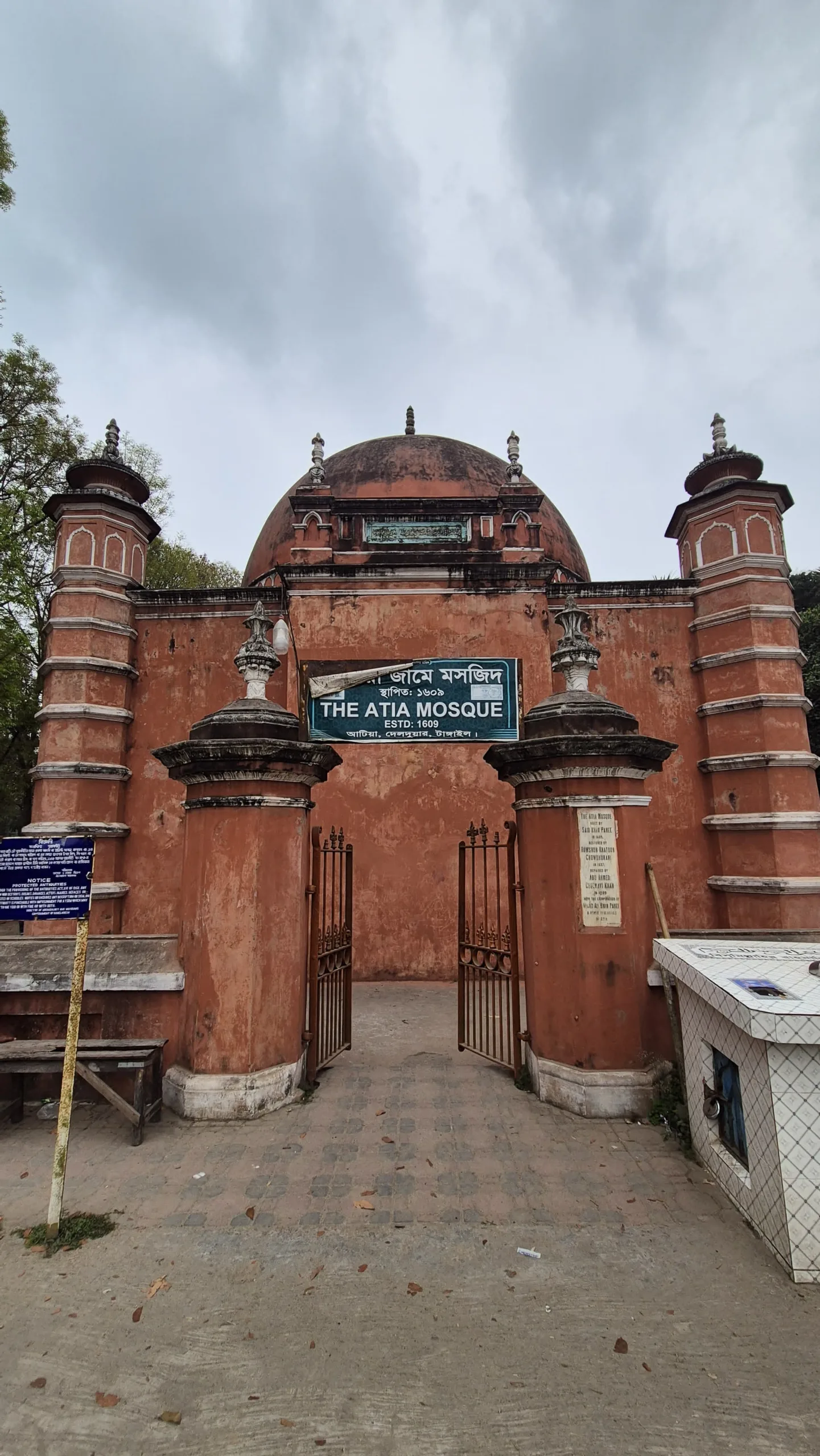
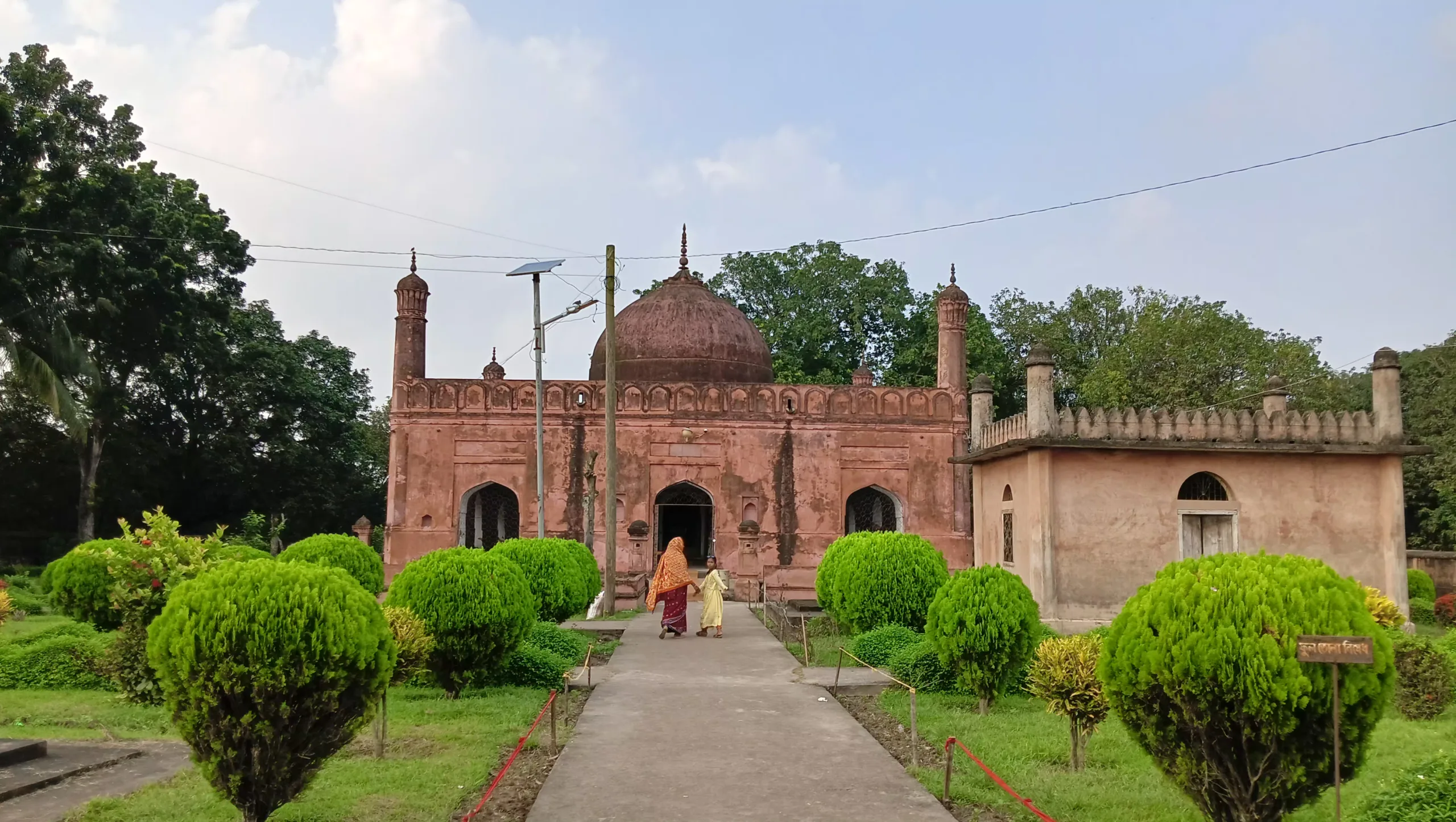
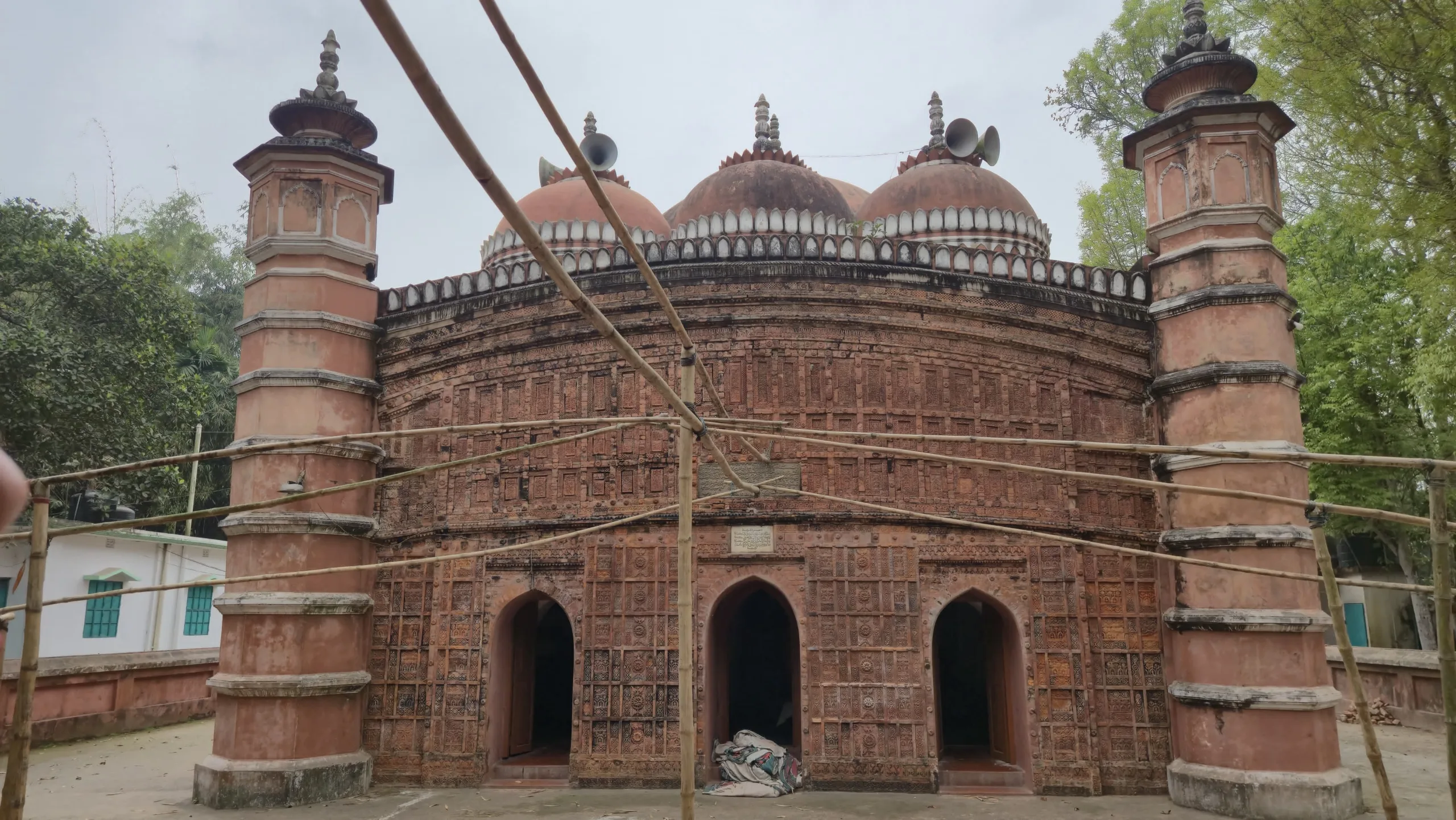
- Atia Mosque (1609): Explore one of the finest historic mosques in Bangladesh, admired for its elegant Mughal-era architecture and heritage value.
- Weavers Village: Experience the living tradition of Tangail weaving, where skilled artisans create some of Bangladesh’s most famous handwoven sarees.
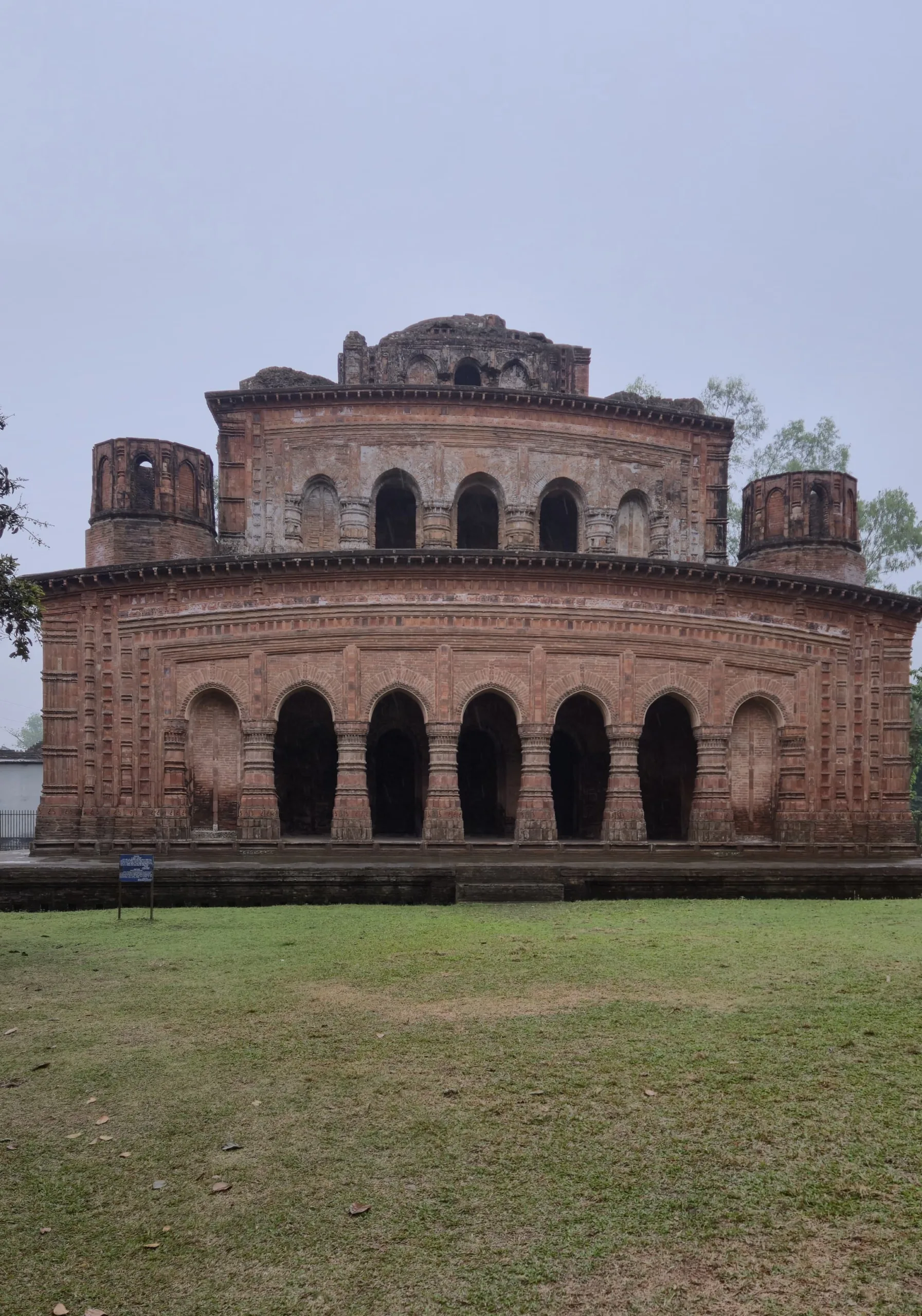
- Noborotno Temple (1664): Discover a beautiful example of traditional Bengal temple architecture, rich in history and timeless charm.
- Mahasthangarh (7th century): Walk through one of the oldest archaeological sites in Bangladesh, where the ruins reveal the story of an ancient civilization.
- Vasu Bihar: Explore the remains of an ancient Buddhist center that reflects the deep spiritual and historical roots of North Bengal.
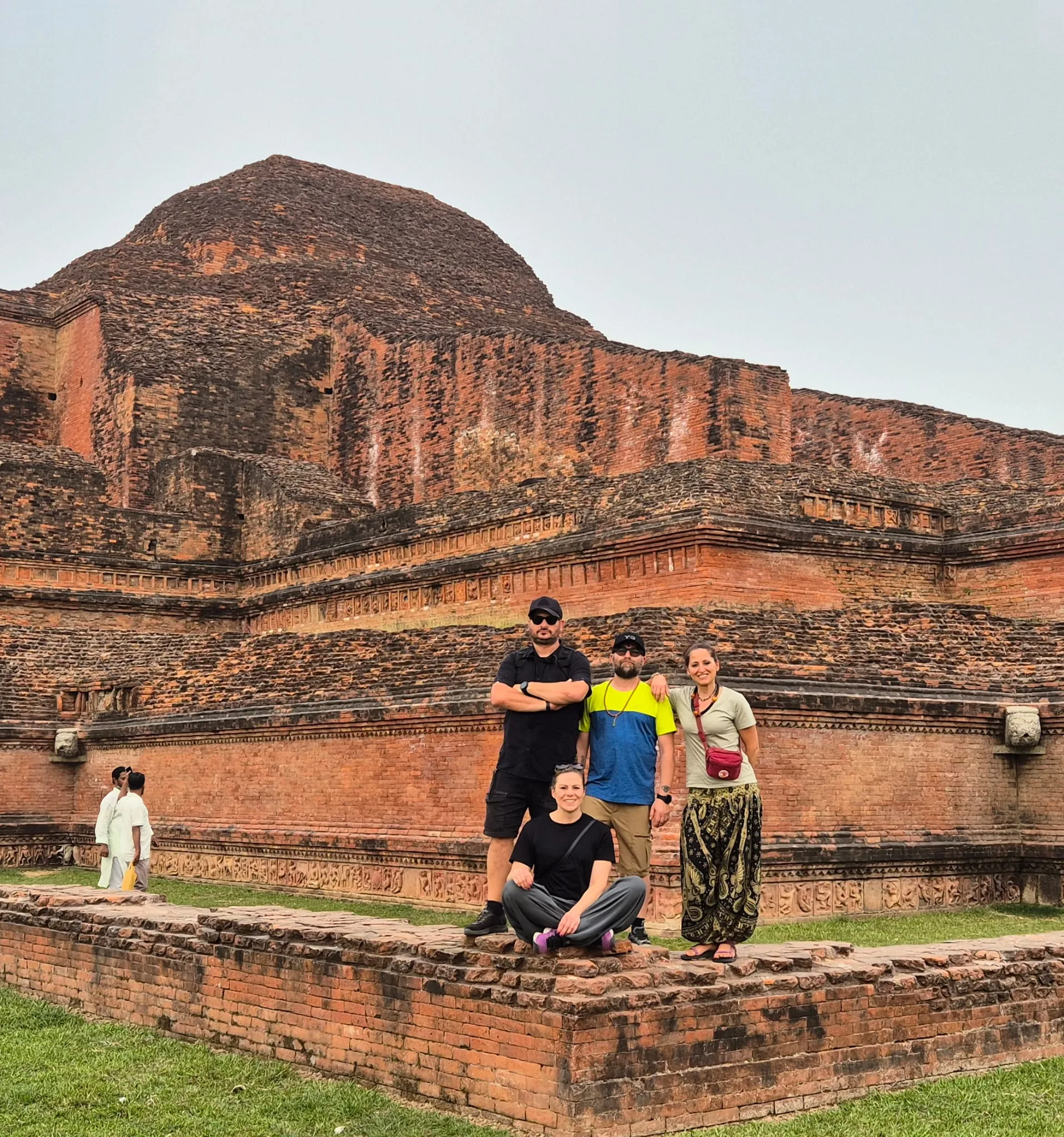
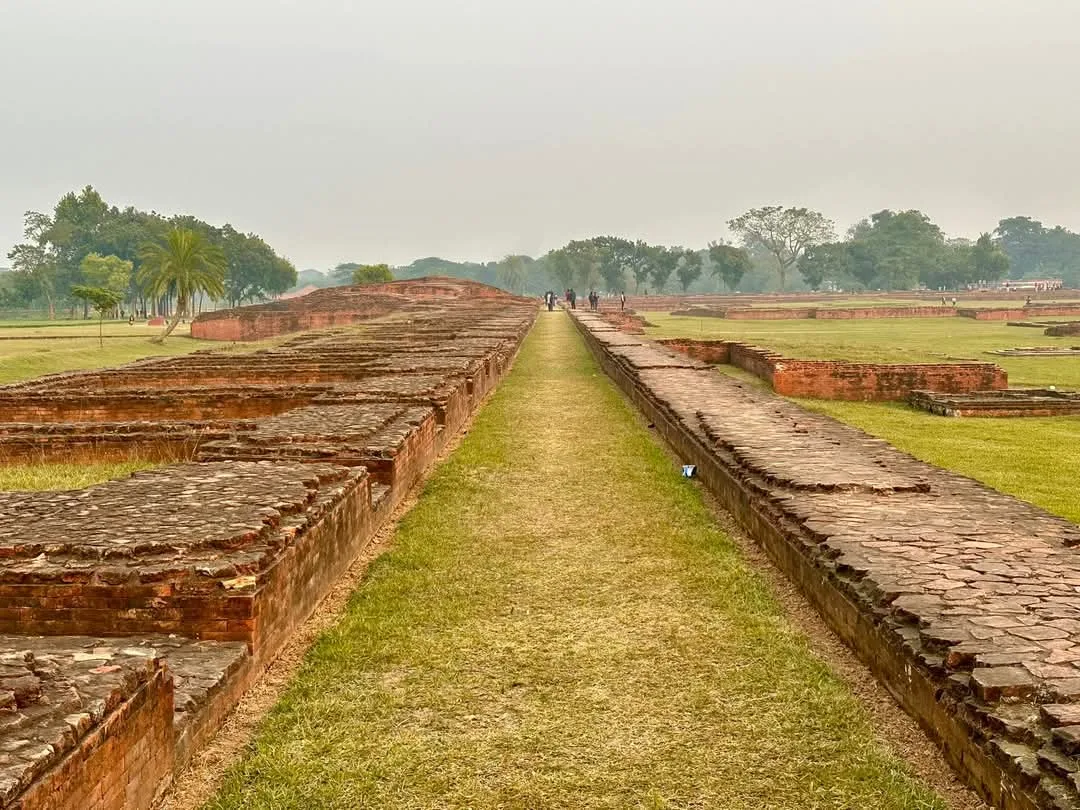
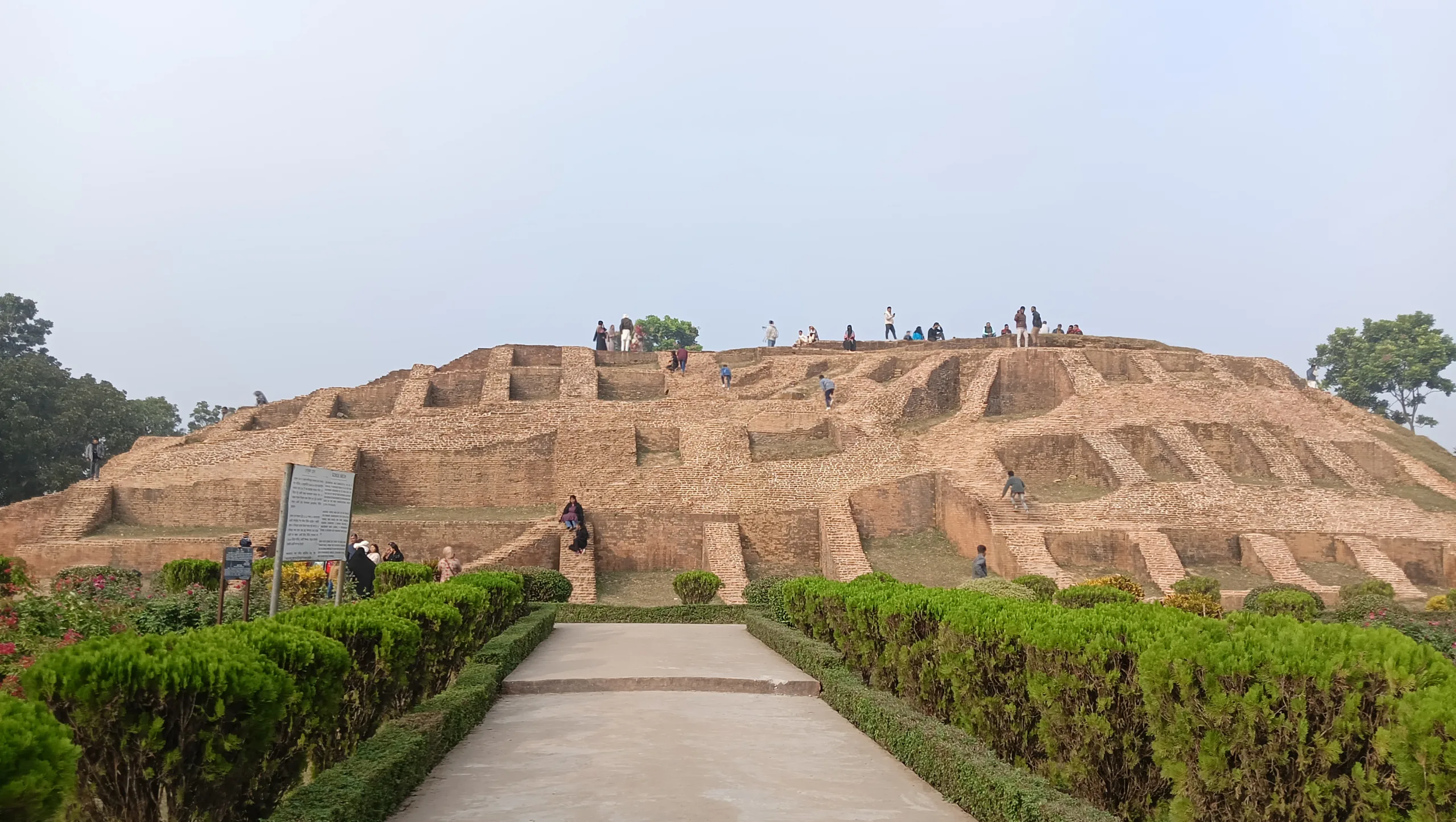
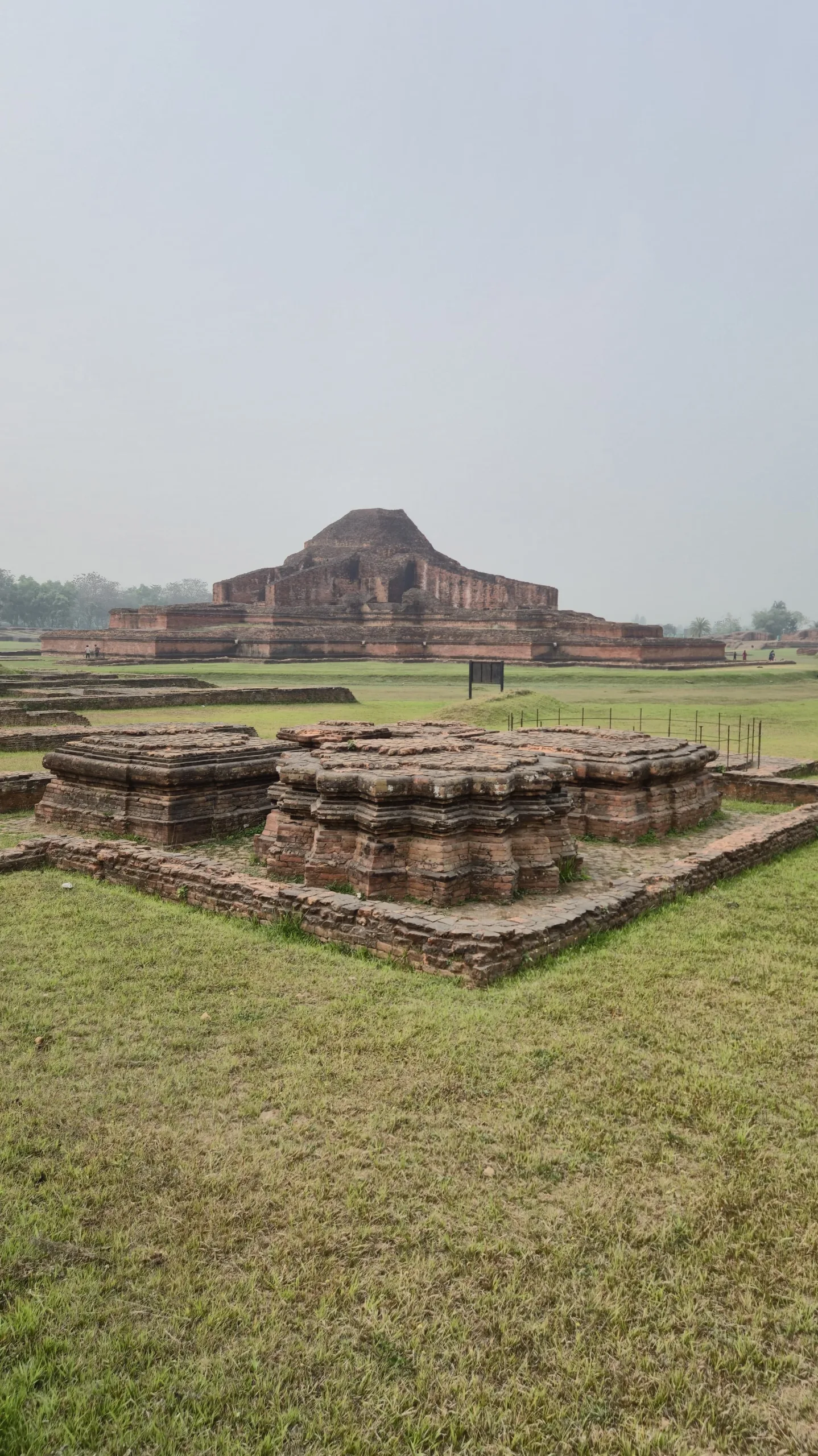
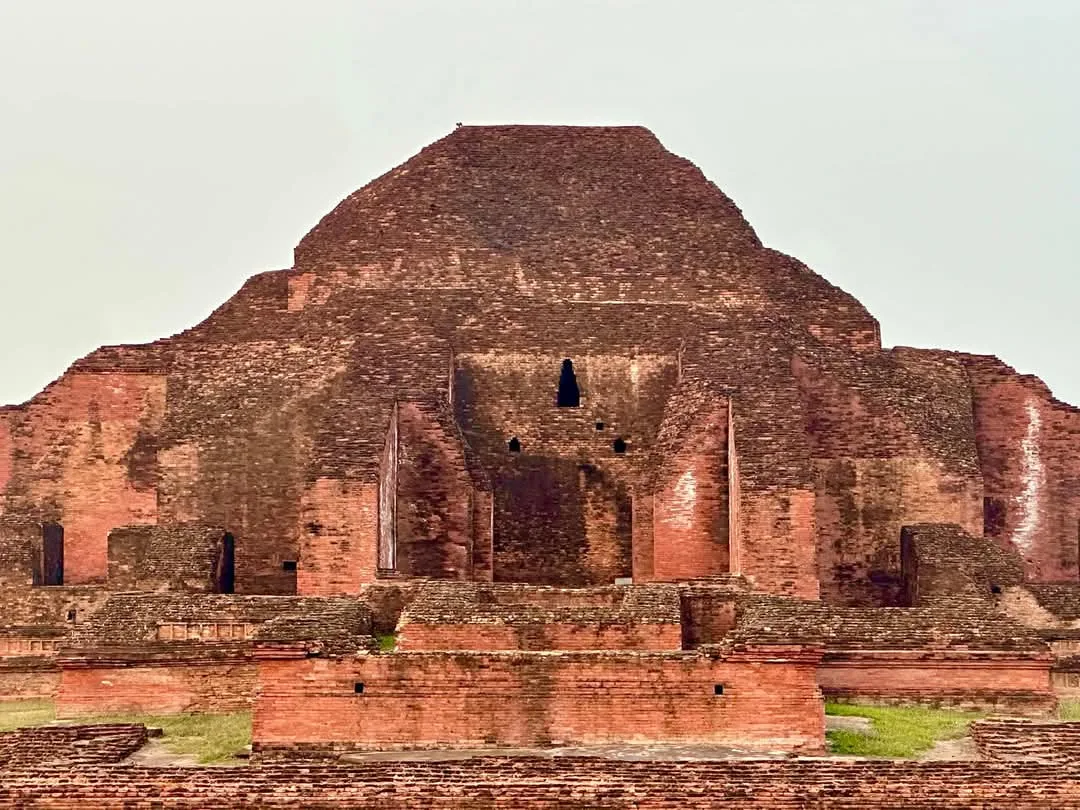
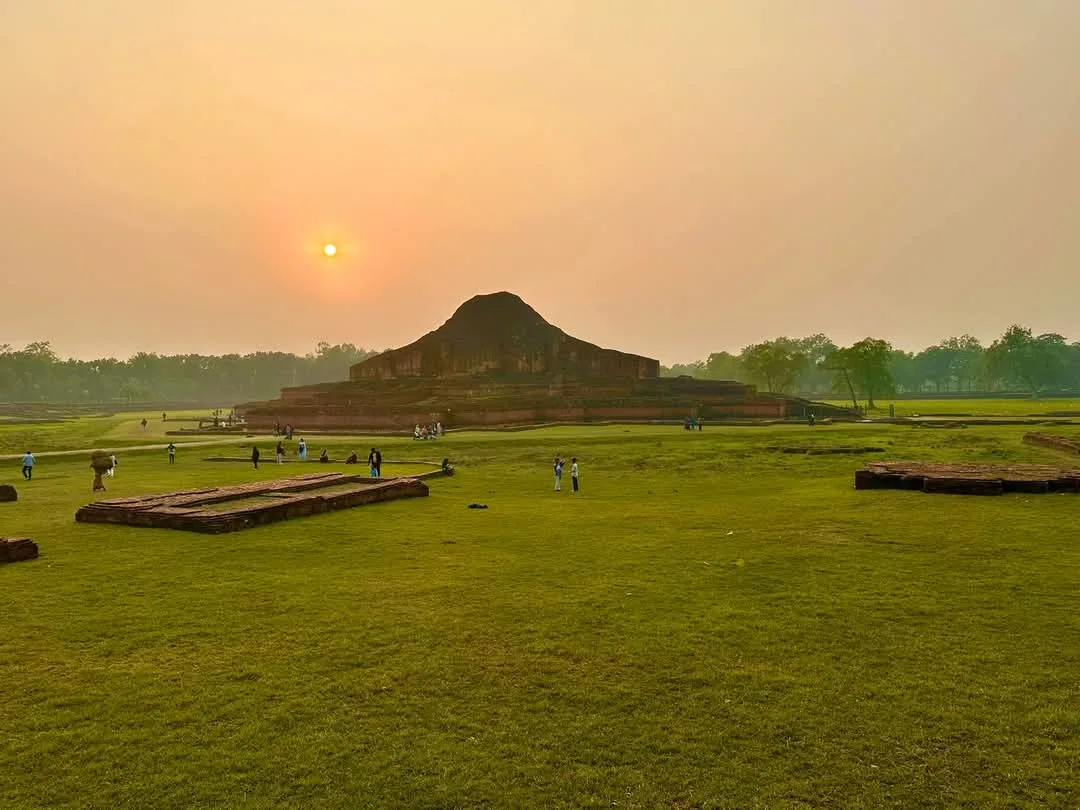
- Sompur Mahavihara: Visit the magnificent 8th-century Buddhist monastery, one of South Asia’s greatest archaeological treasures and a UNESCO World Heritage Site.
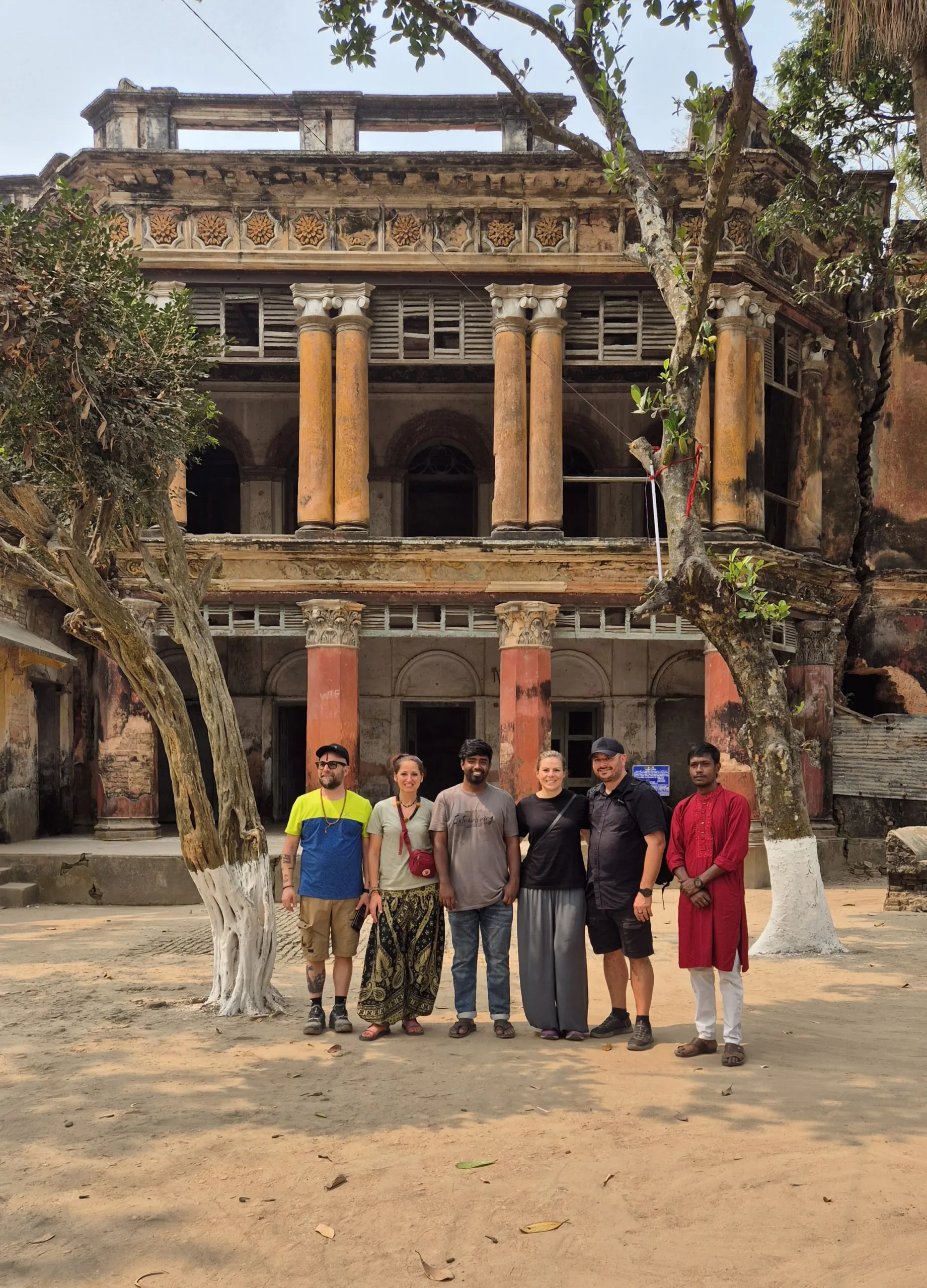
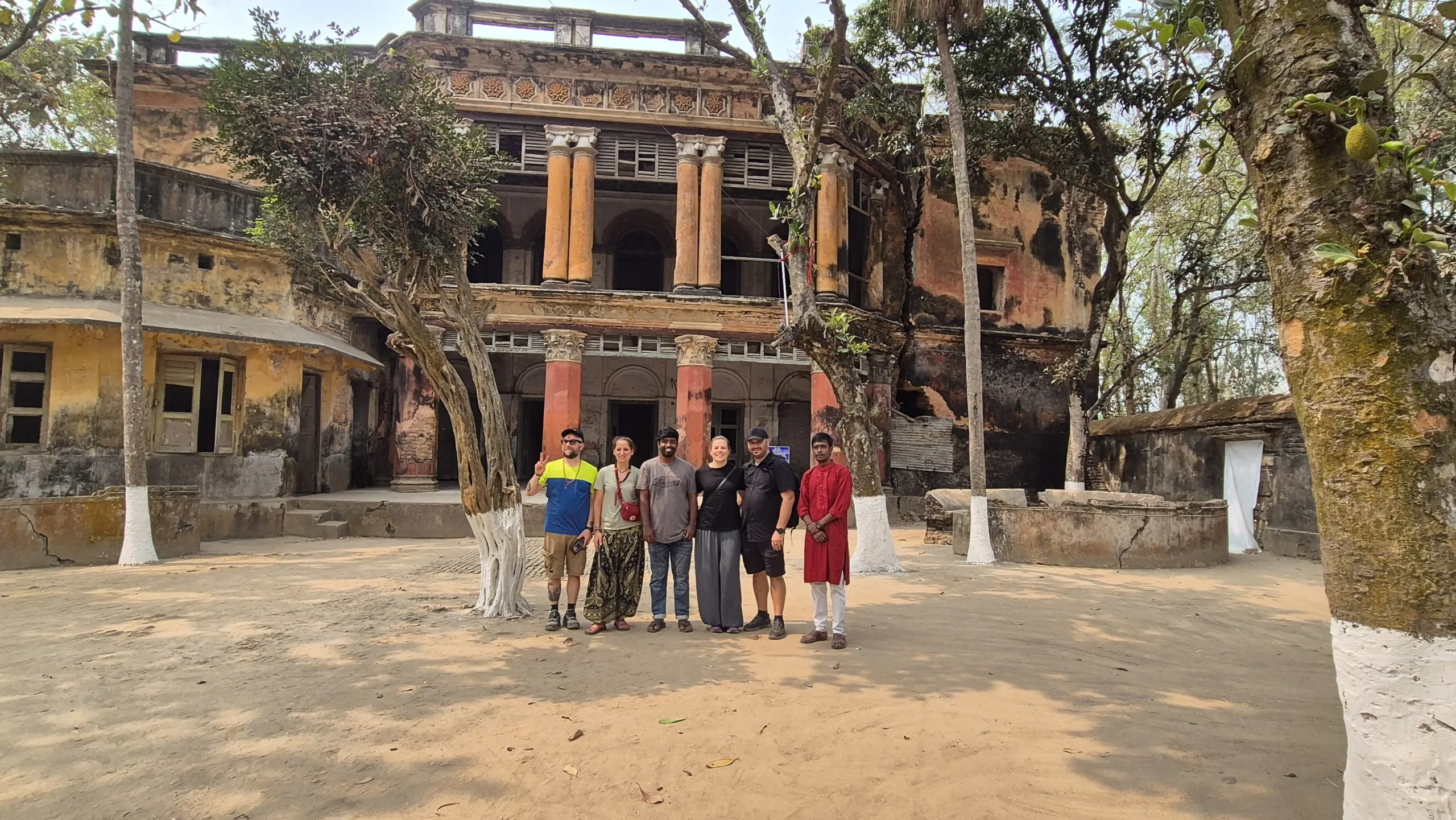
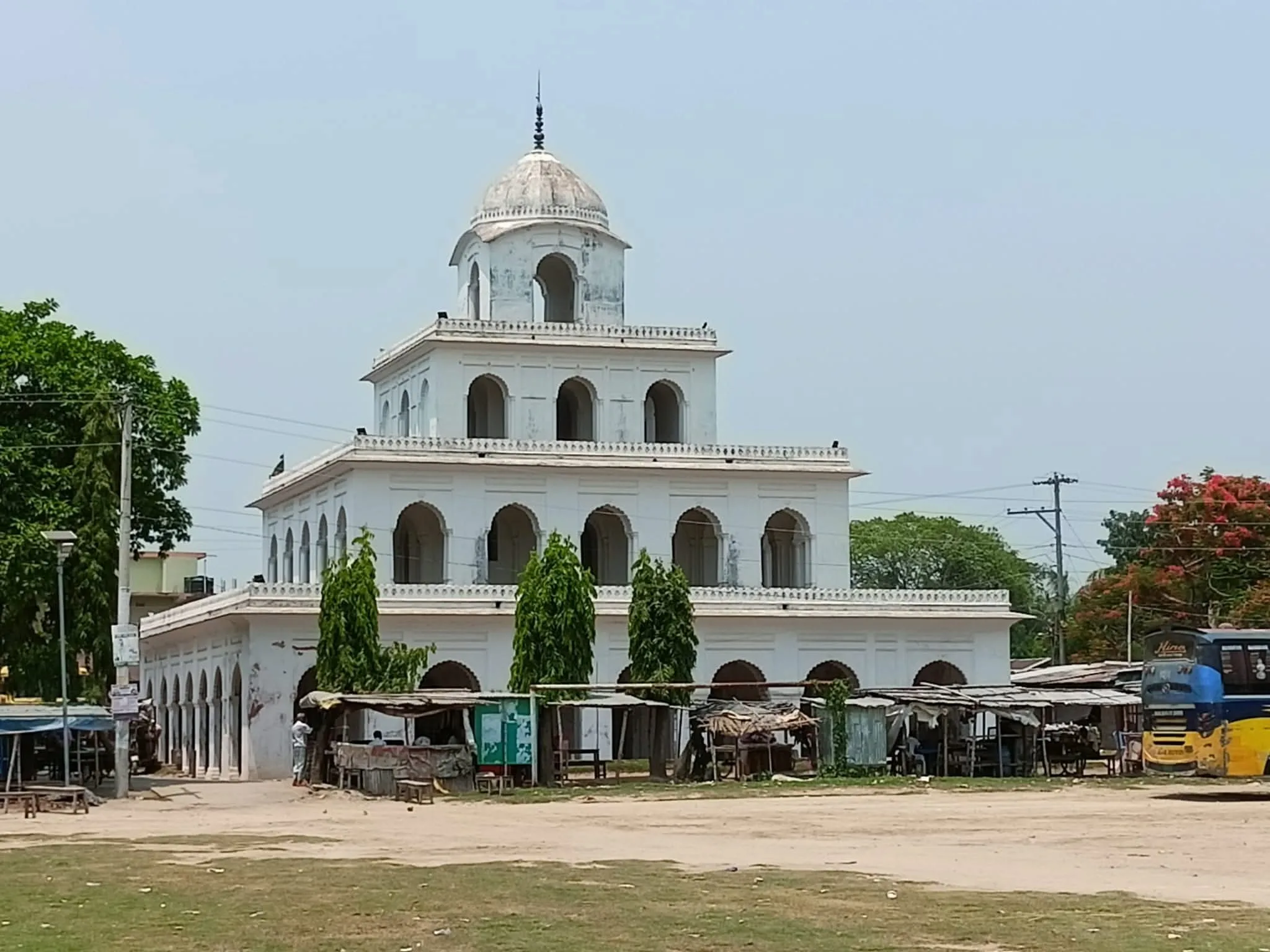
- Balihar Rajbari: Step into the royal past of Bengal at this historic palace, known for its aristocratic elegance and cultural significance.
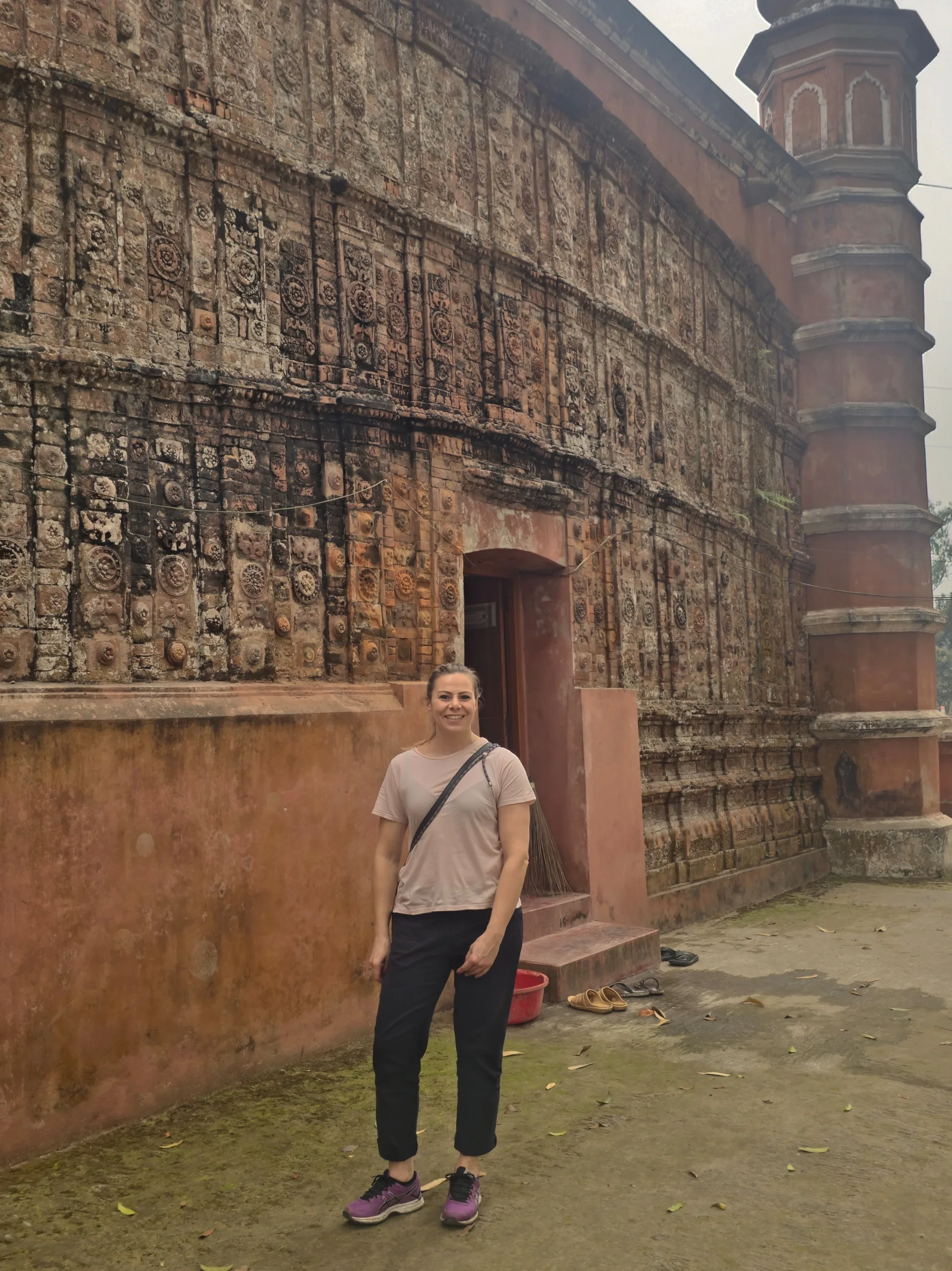
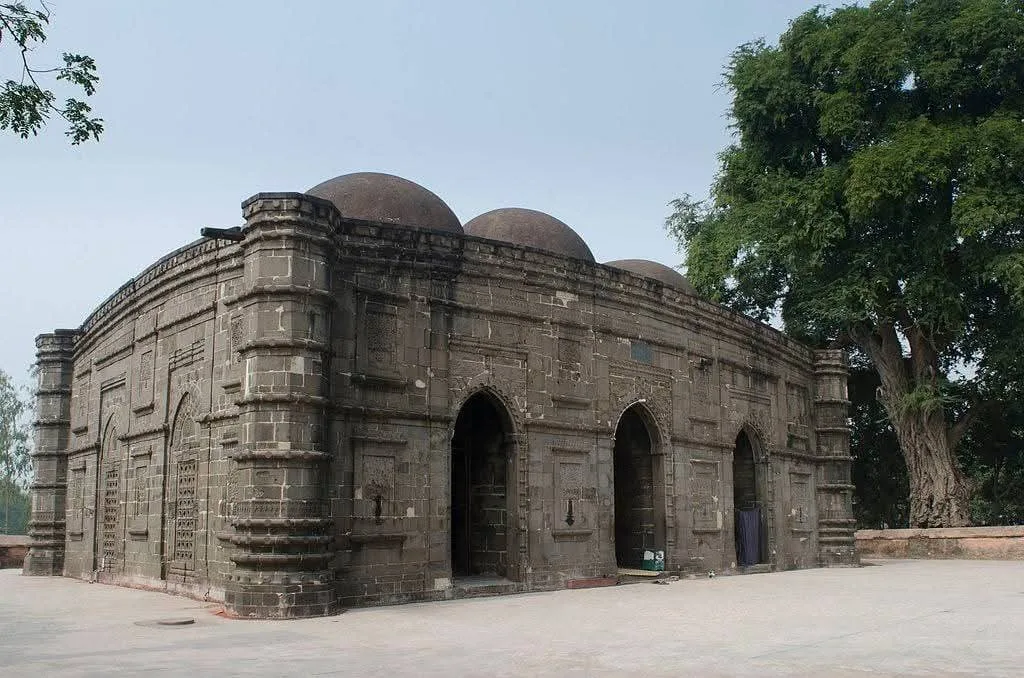
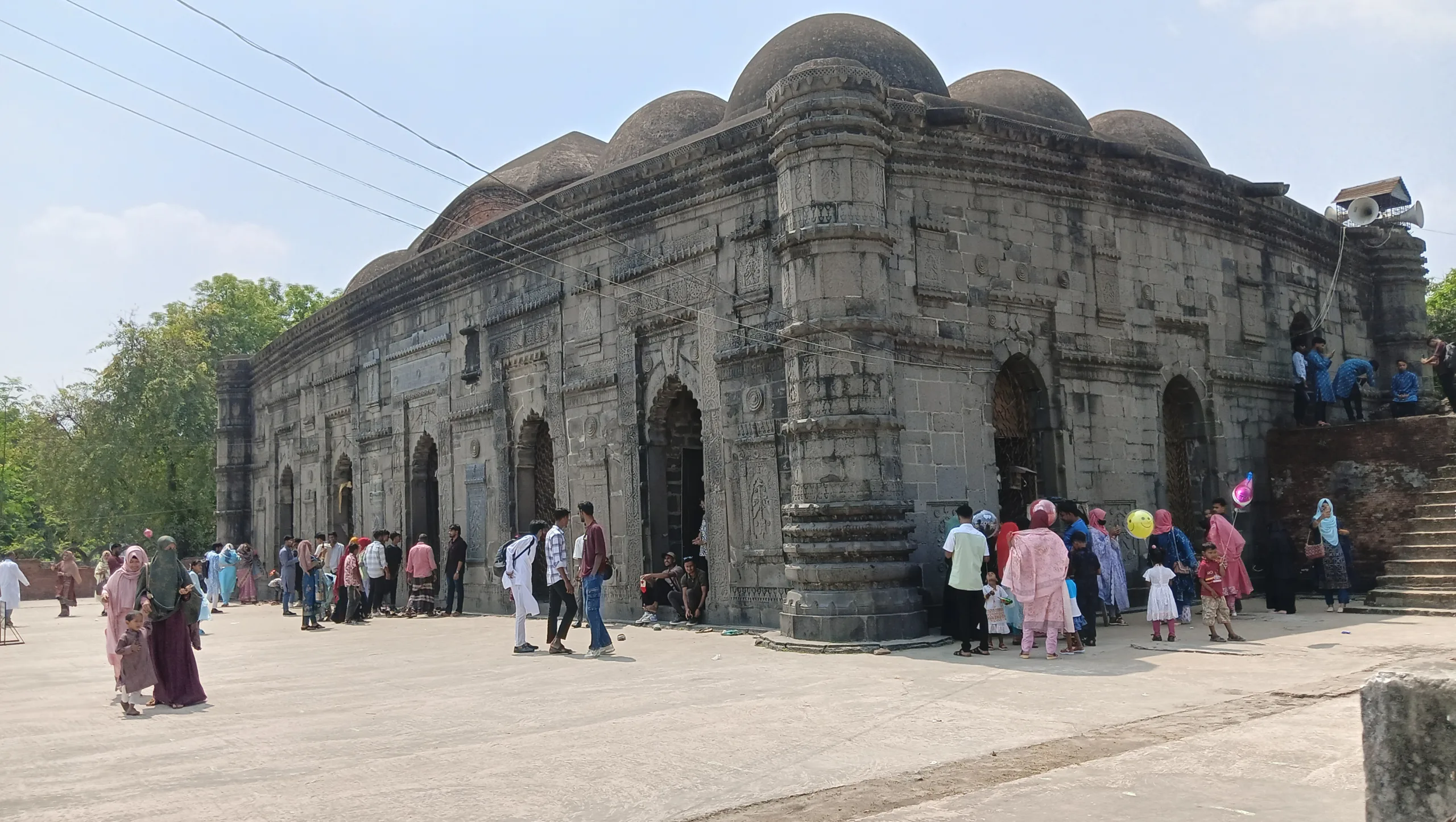
- Kusumba Mosque (1558): Admire the stunning stone architecture of this historic mosque, often called one of the most beautiful mosques in Bangladesh.
- Padma River: Experience the beauty of the mighty Padma, the longest river in Bangladesh and a symbol of the country’s natural grandeur.
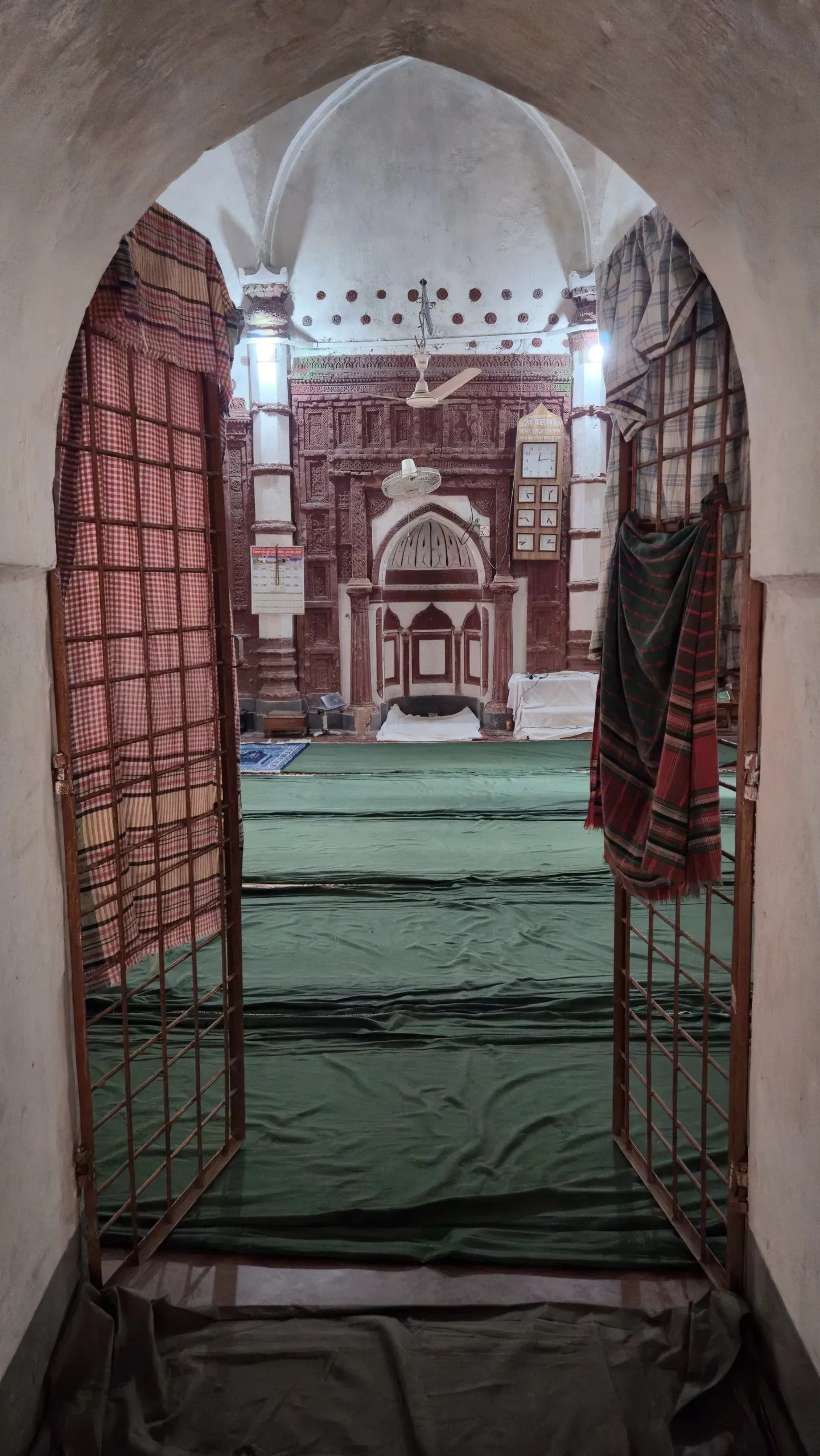
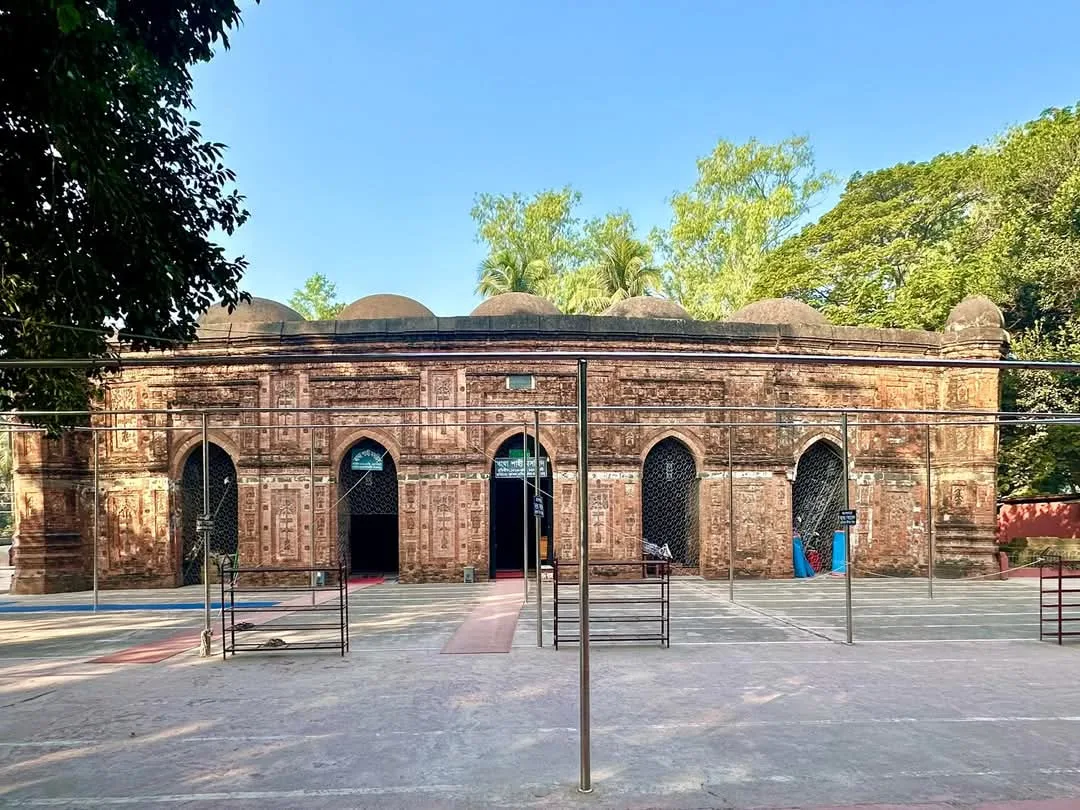
- Choto Sona Mosque (1493–1519): Discover one of the finest Sultanate-era mosques, celebrated for its graceful design and historical importance.
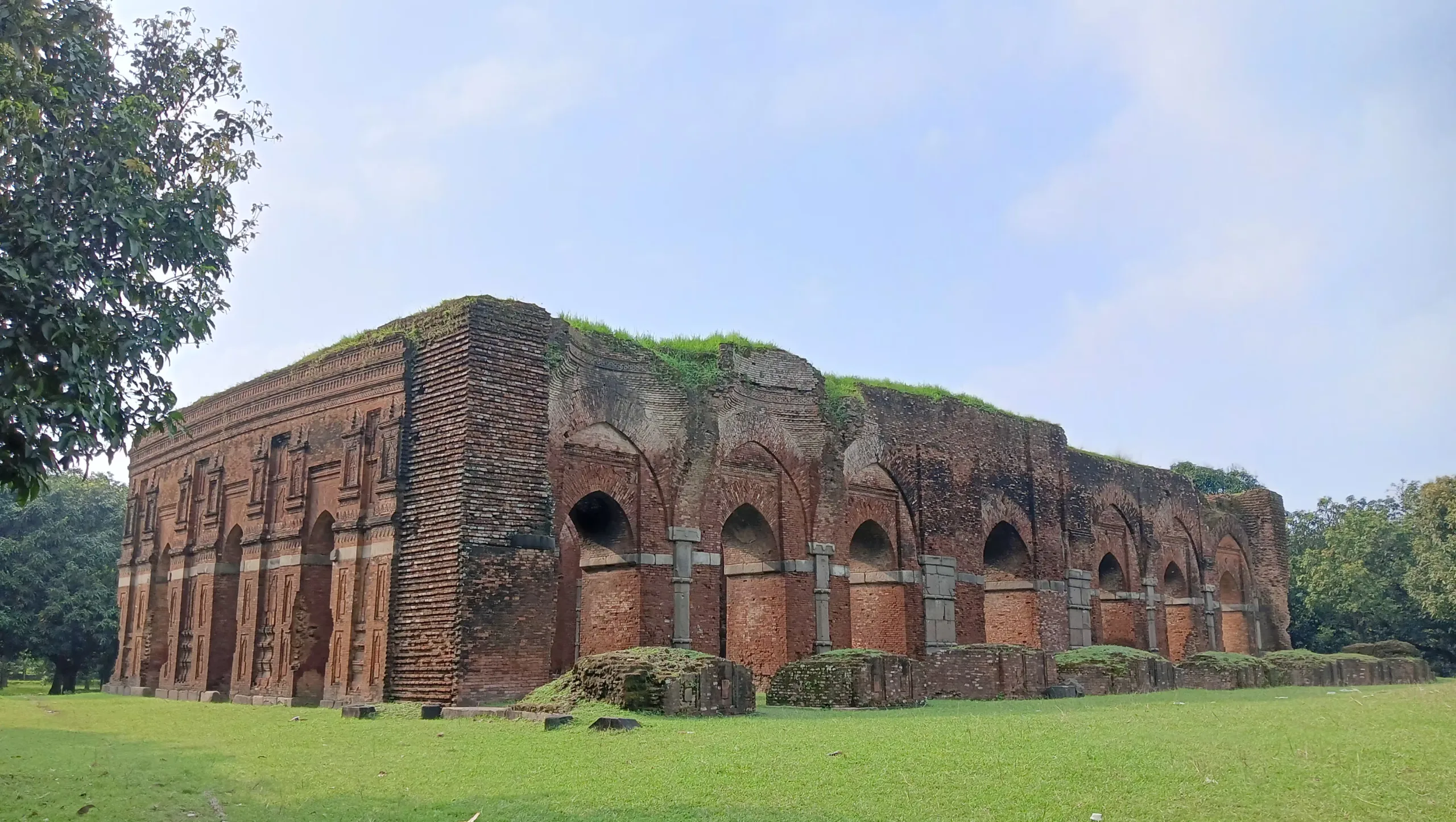
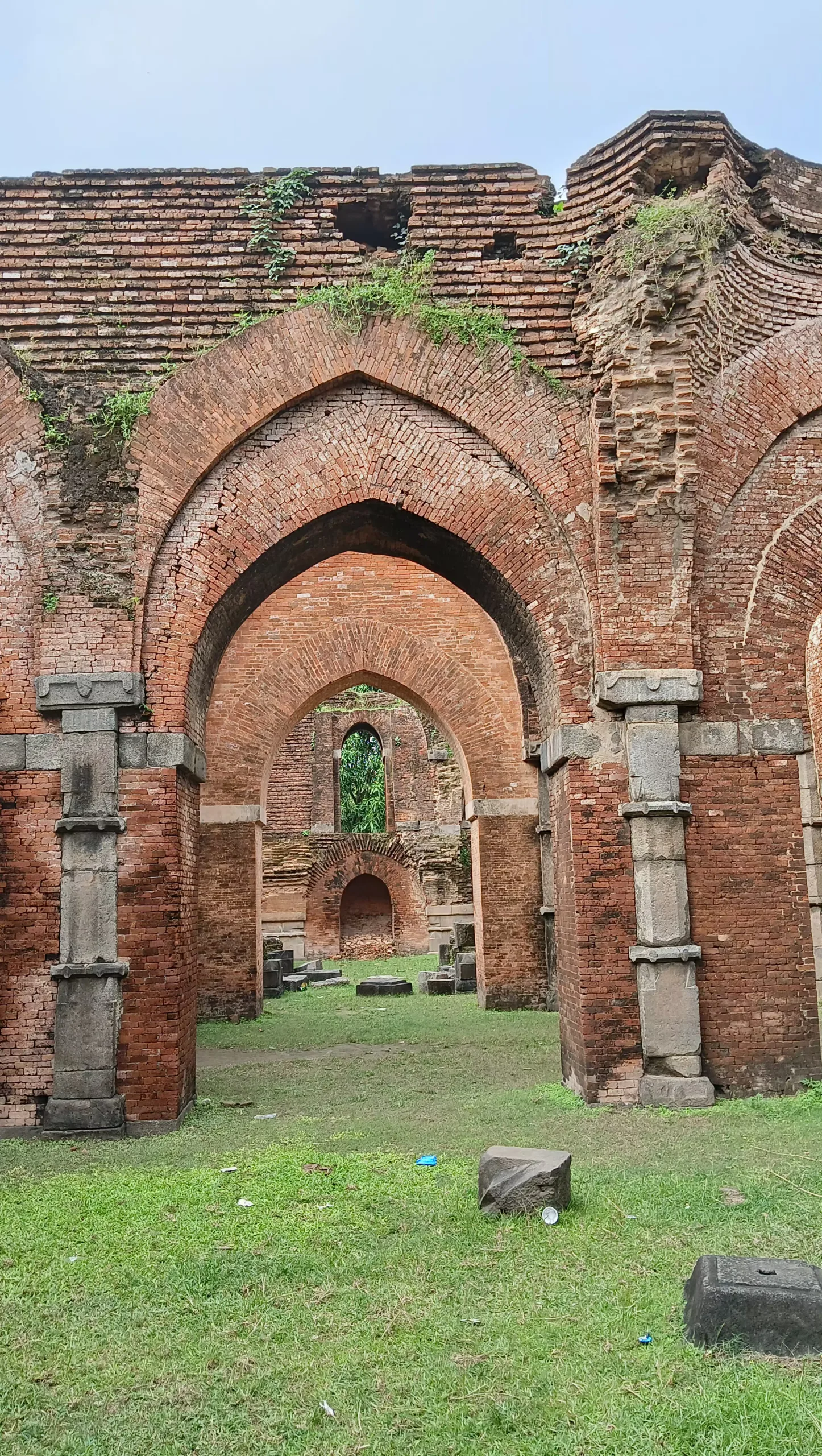
- Darasbari Masjid (1479): Explore the impressive ruins of this ancient mosque, a remarkable reminder of medieval Bengal’s Islamic heritage.
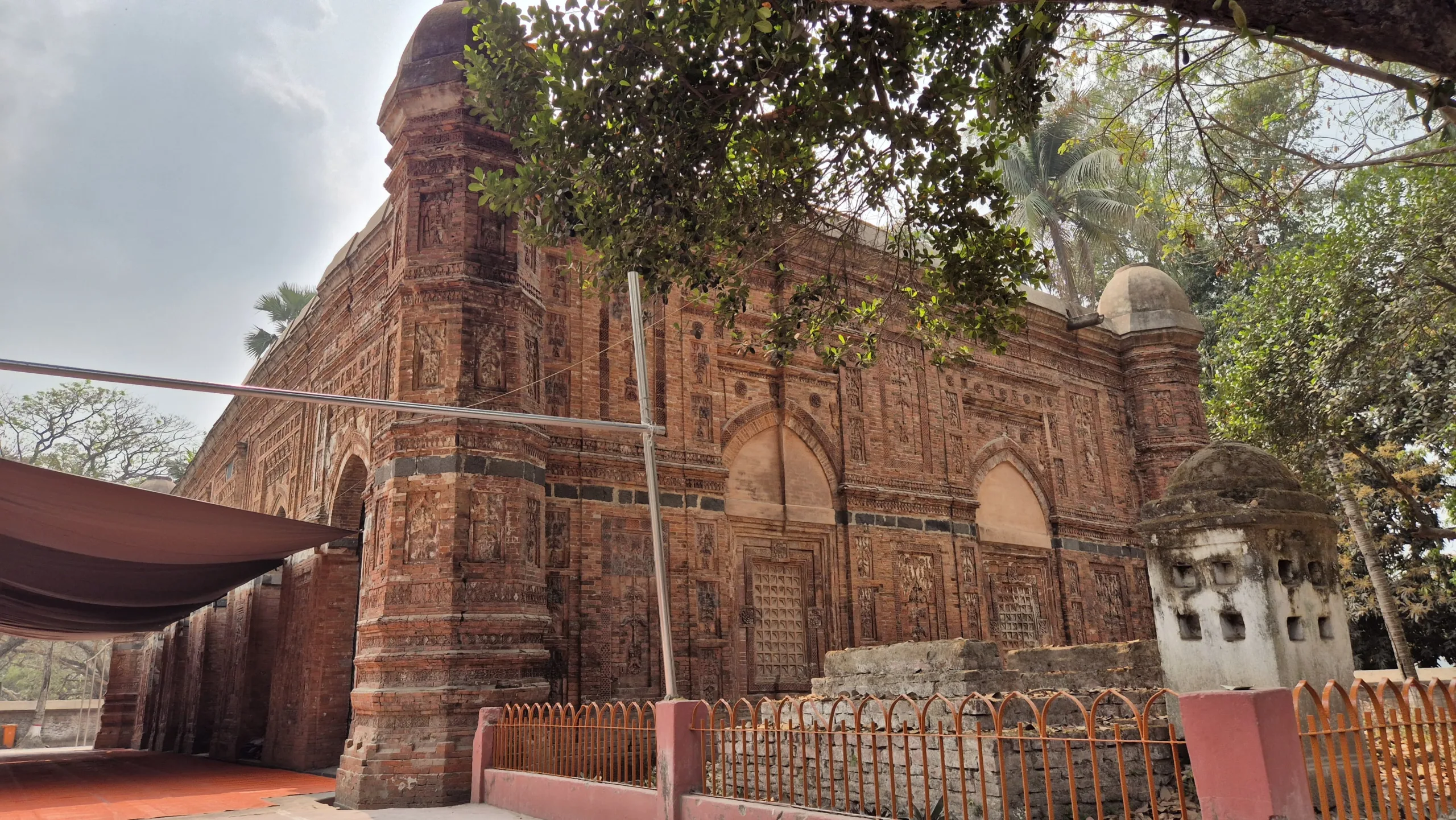
- Shah Niamatullah Mosque (1639–1660): Visit this serene and architecturally refined mosque, set in a peaceful historic setting.
- Khania Dighi Mosque (1480): Experience the quiet beauty of this centuries-old mosque, standing beside a historic pond and surrounded by heritage.
- Dhania Chak Mosque (1483): Discover another gem of the Sultanate period, known for its simplicity, age, and historical significance.
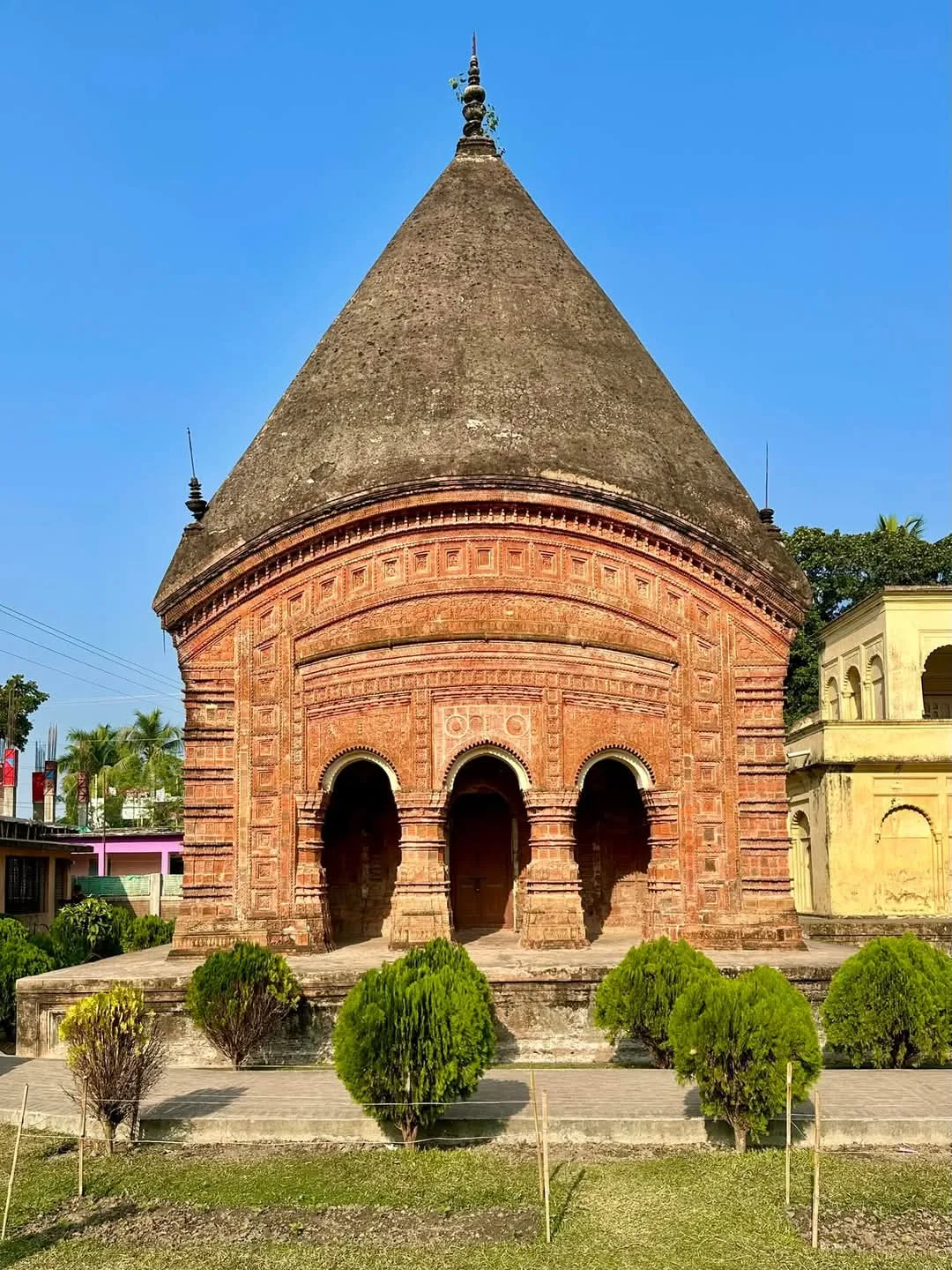
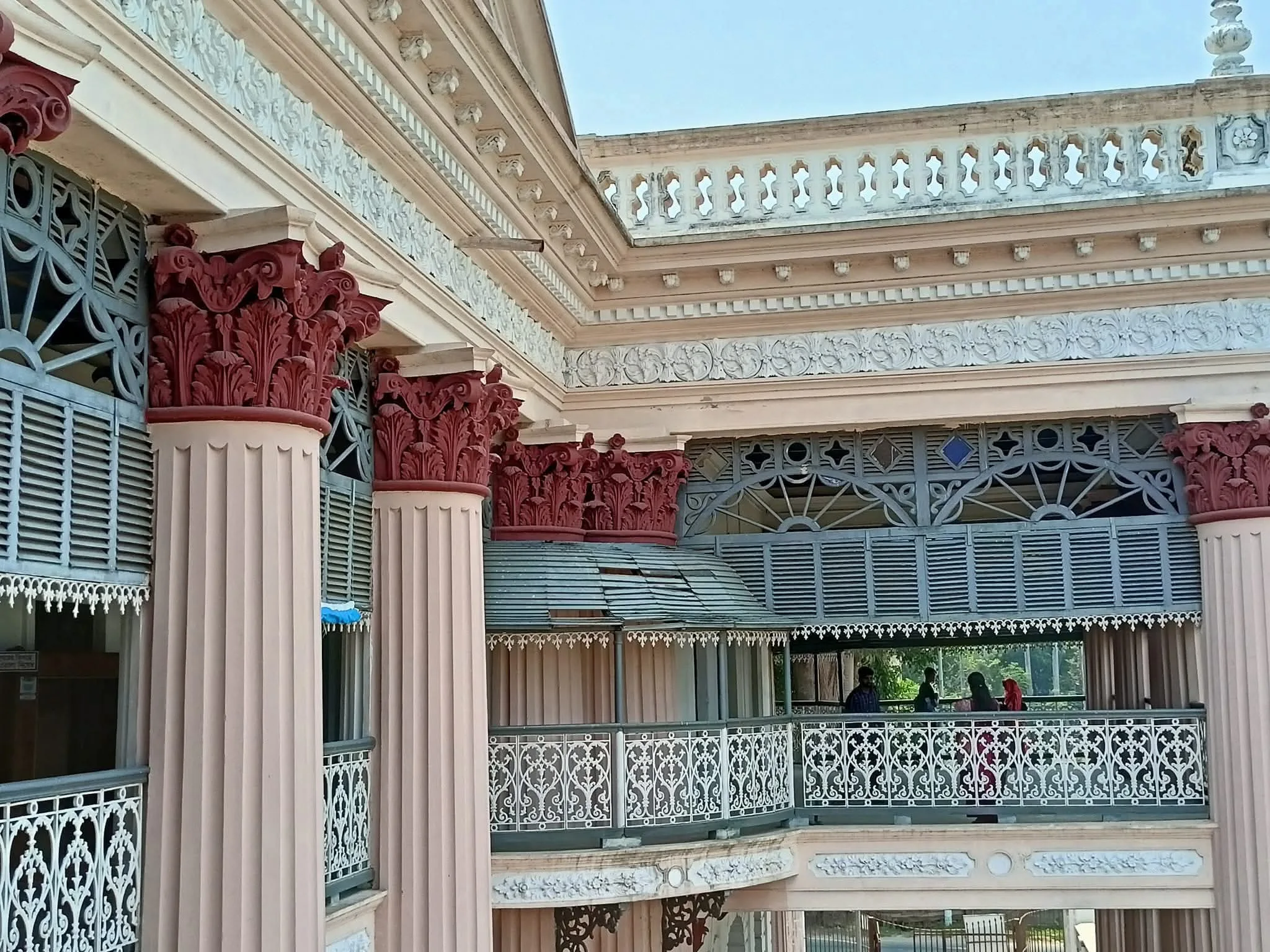
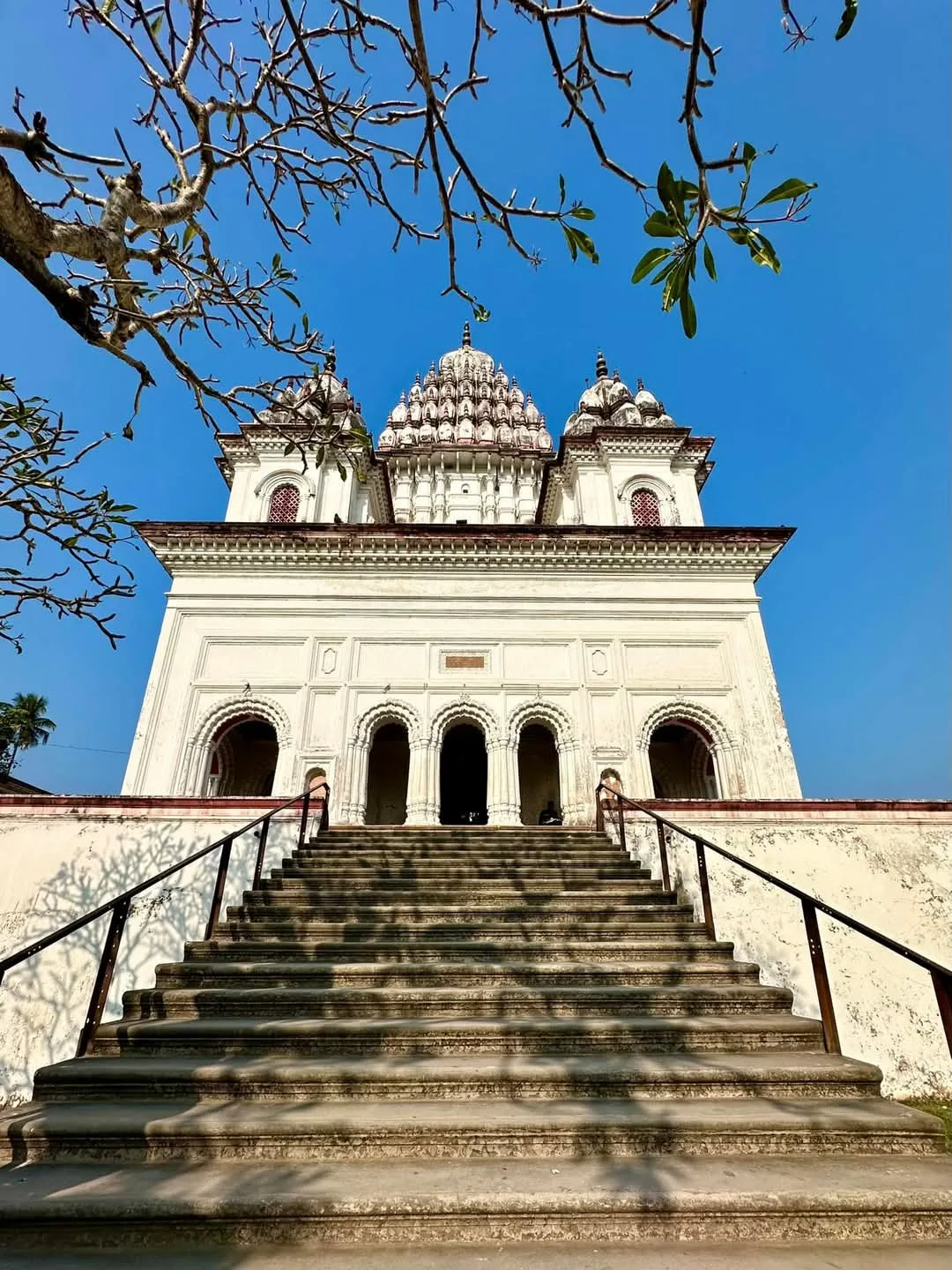
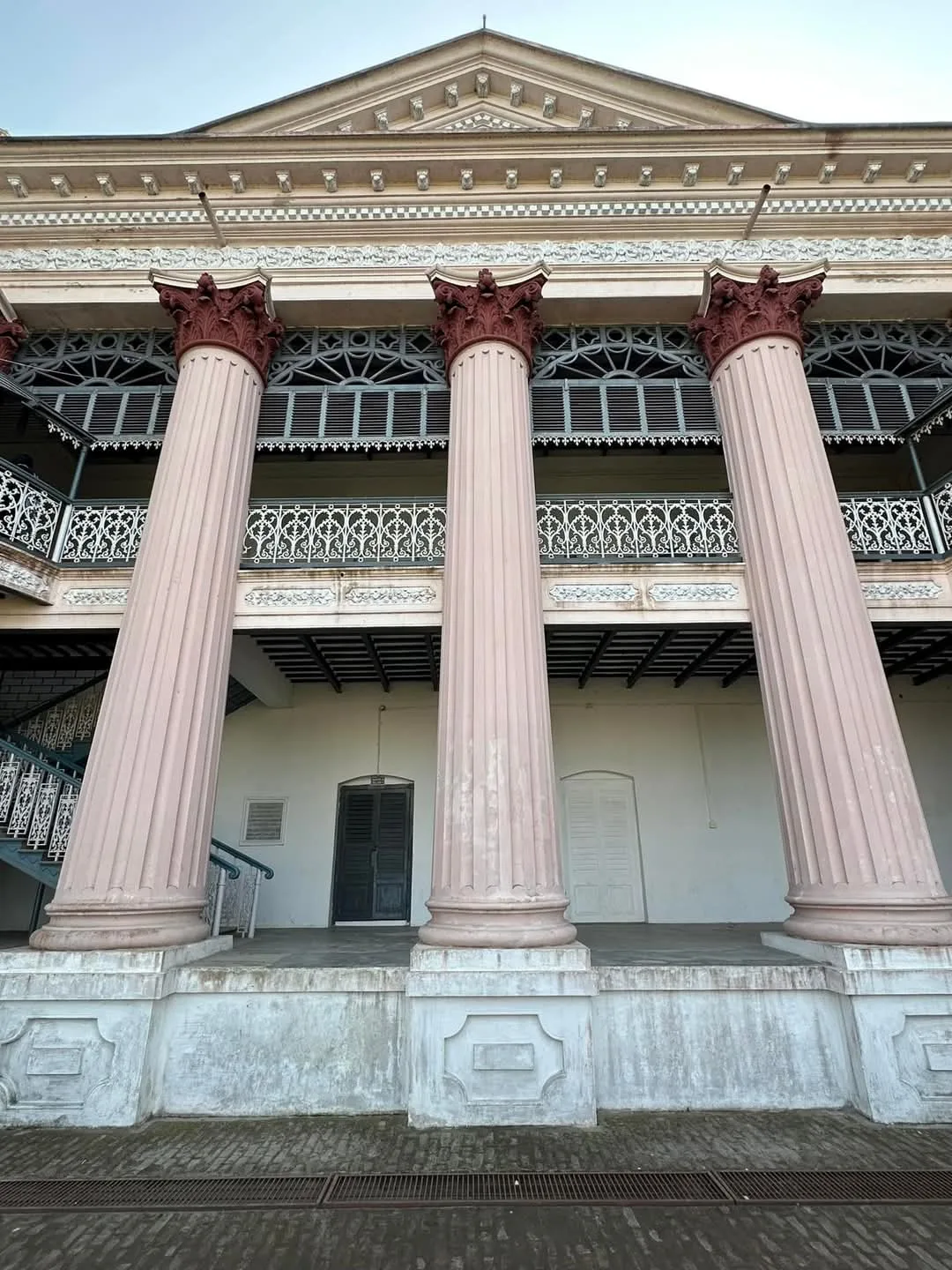
- Puthia Rajbari (1895): Explore the grand palace complex of Puthia, a striking symbol of Bengal’s zamindar heritage.
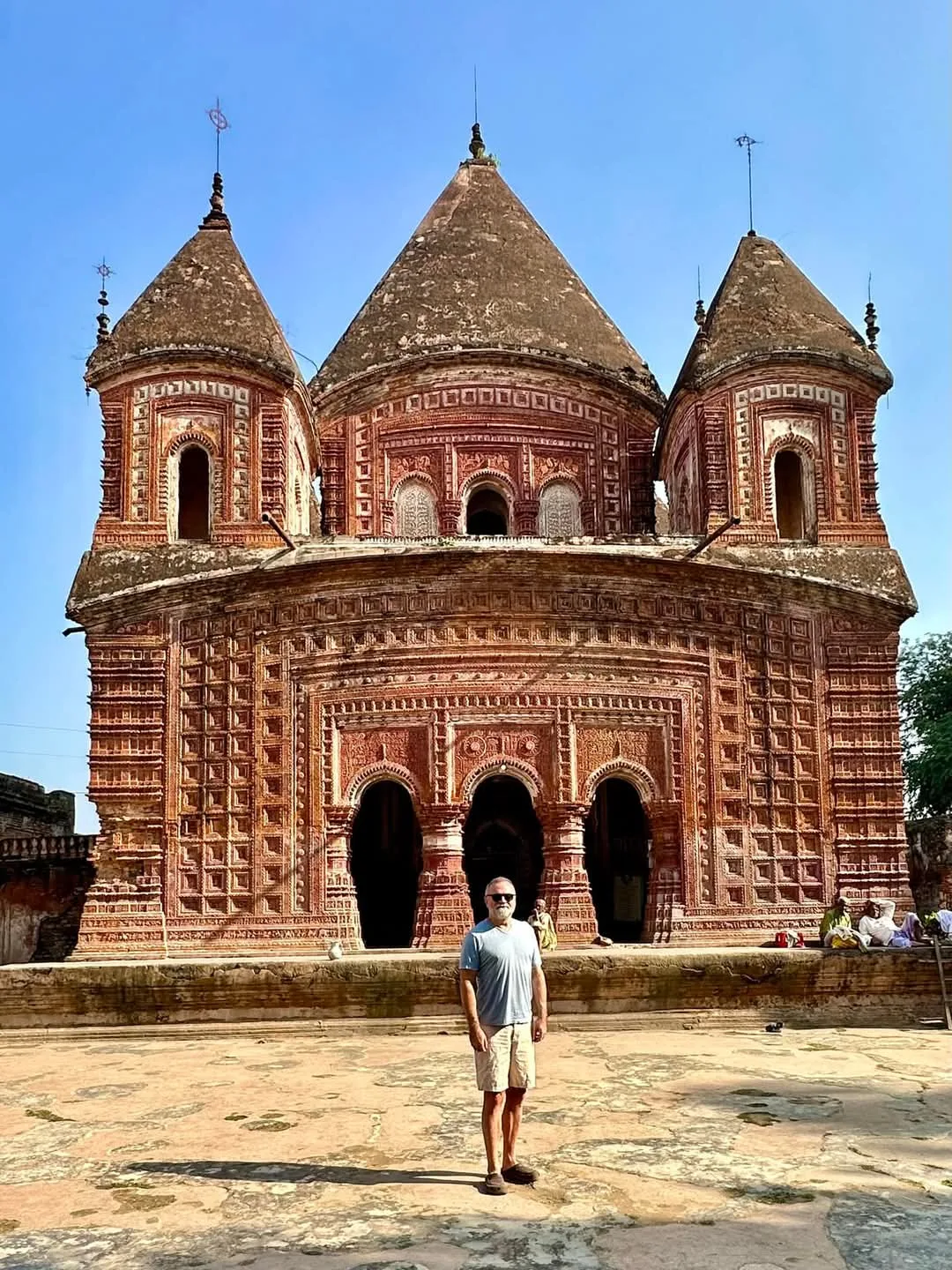
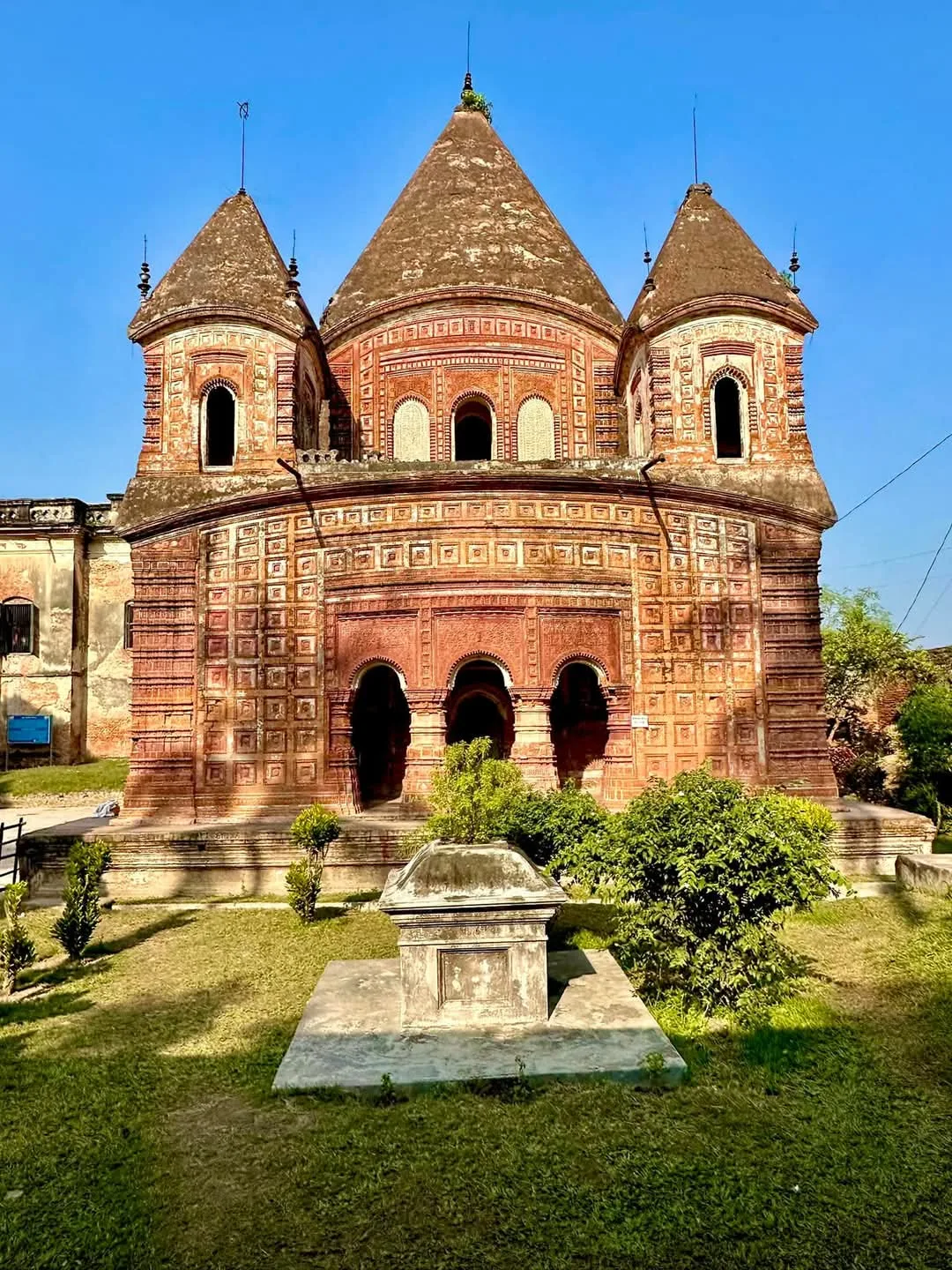
- Boro Govinda Temple (1823–1895): Admire one of the most beautiful temples in Bangladesh, famous for its detailed terracotta work and majestic presence.
- Choto Ahnik Temple: Visit this charming historic temple, noted for its elegant design and spiritual atmosphere.
- Choto Govinda Temple: Discover a smaller yet beautiful temple that adds to the rich architectural heritage of Puthia.
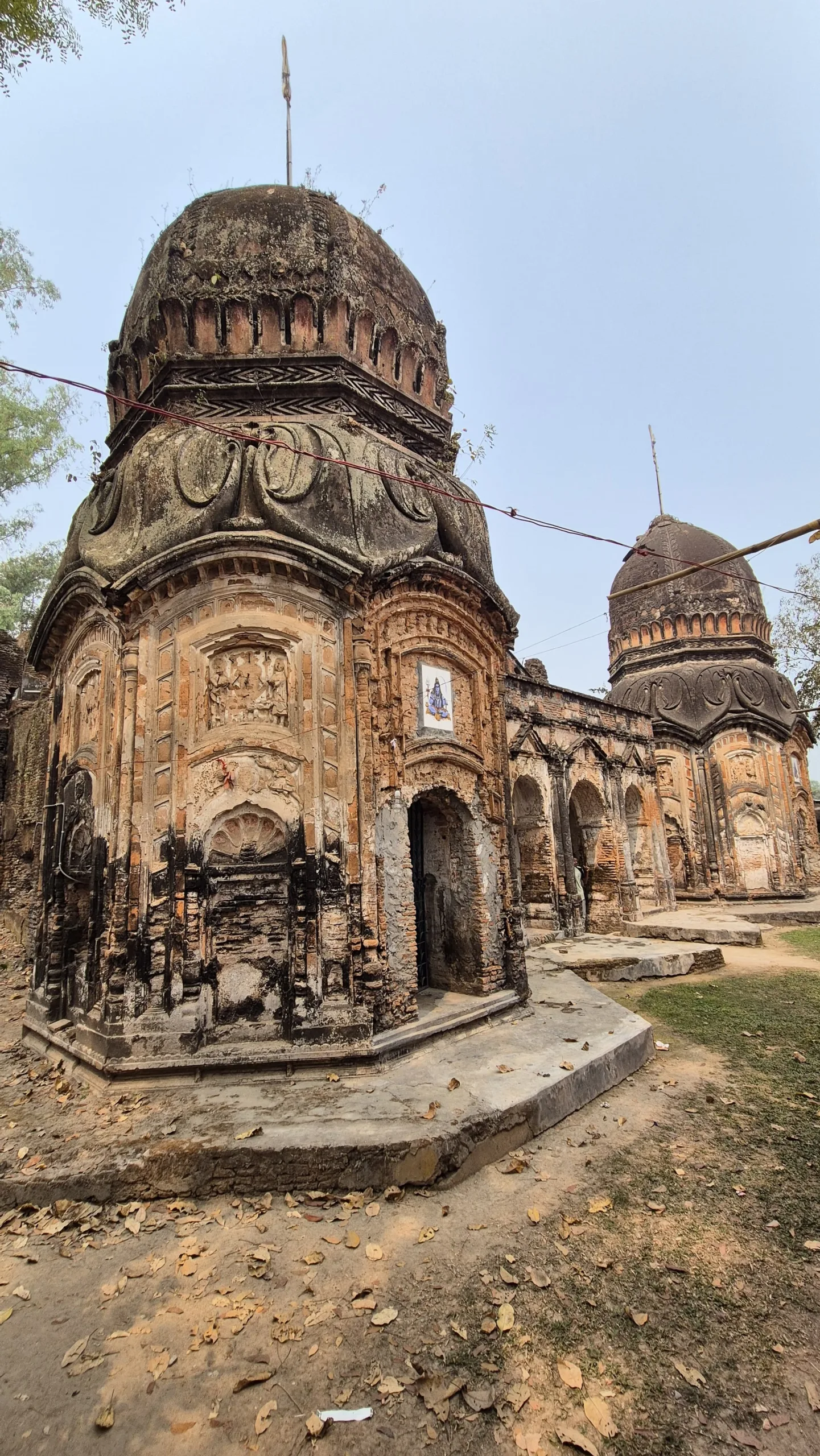
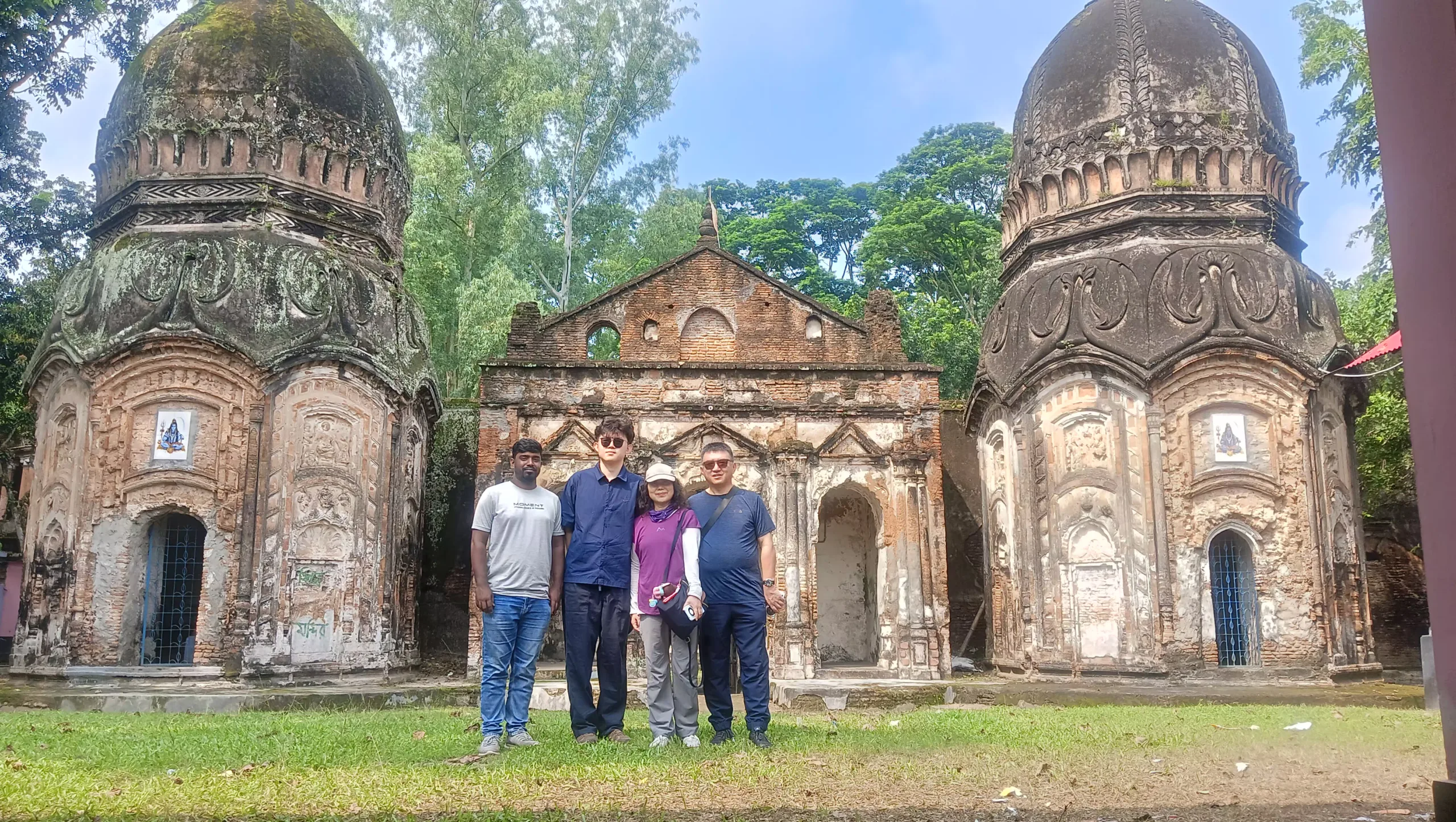
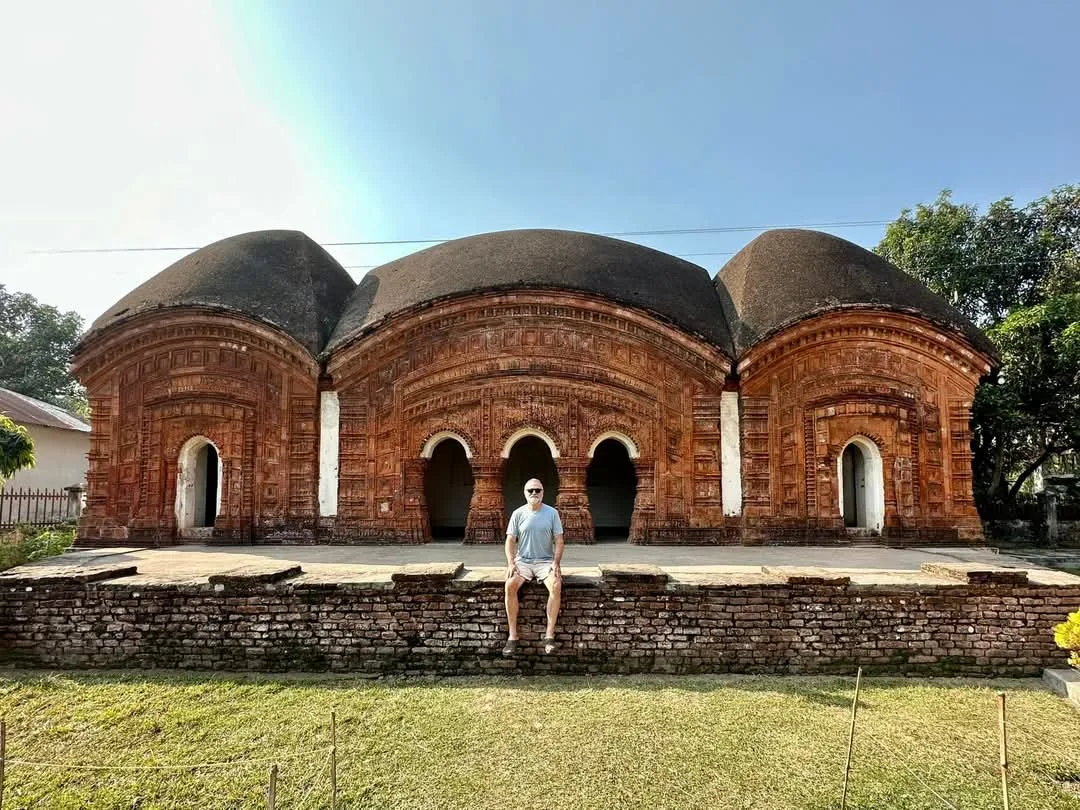
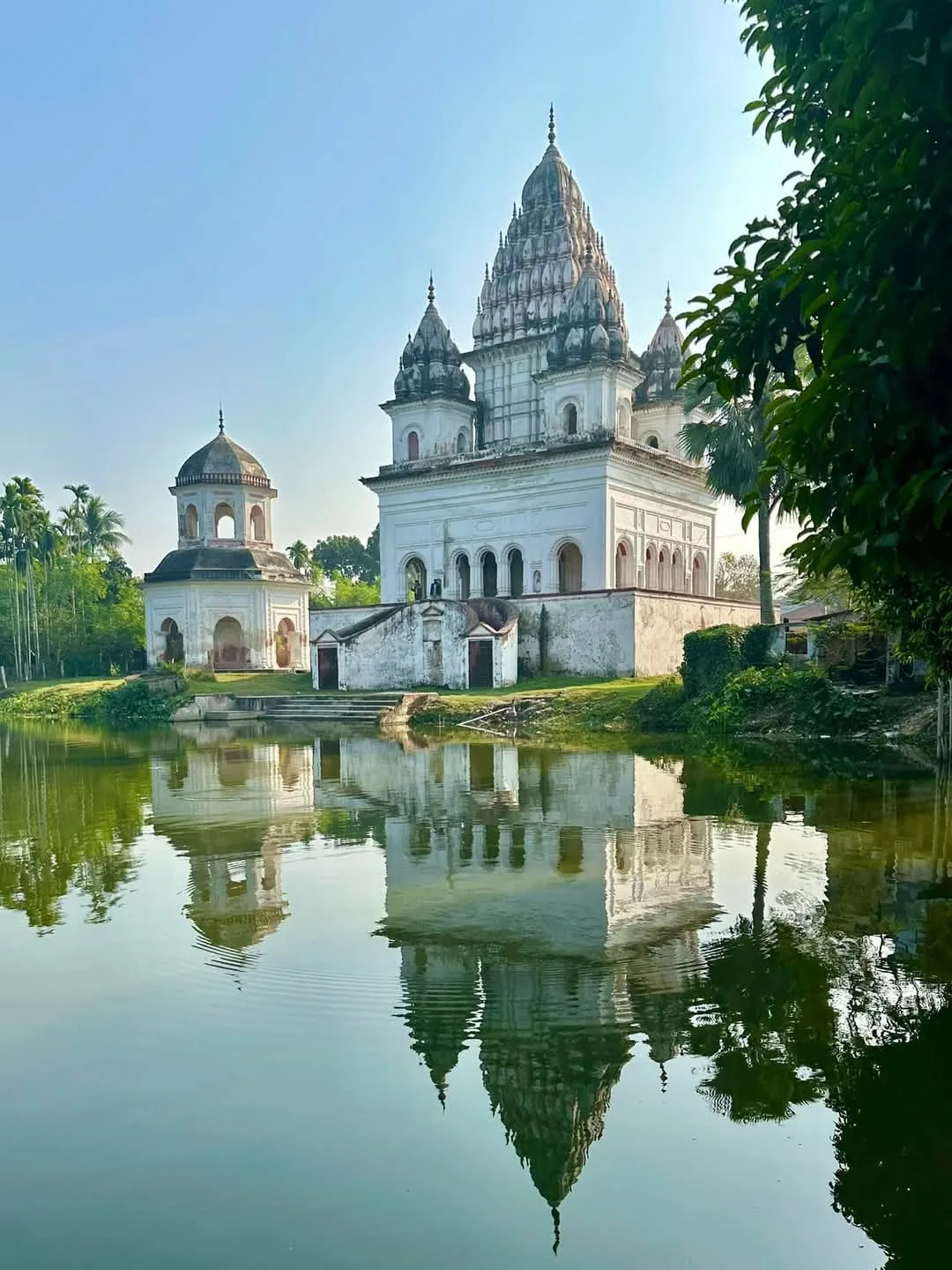
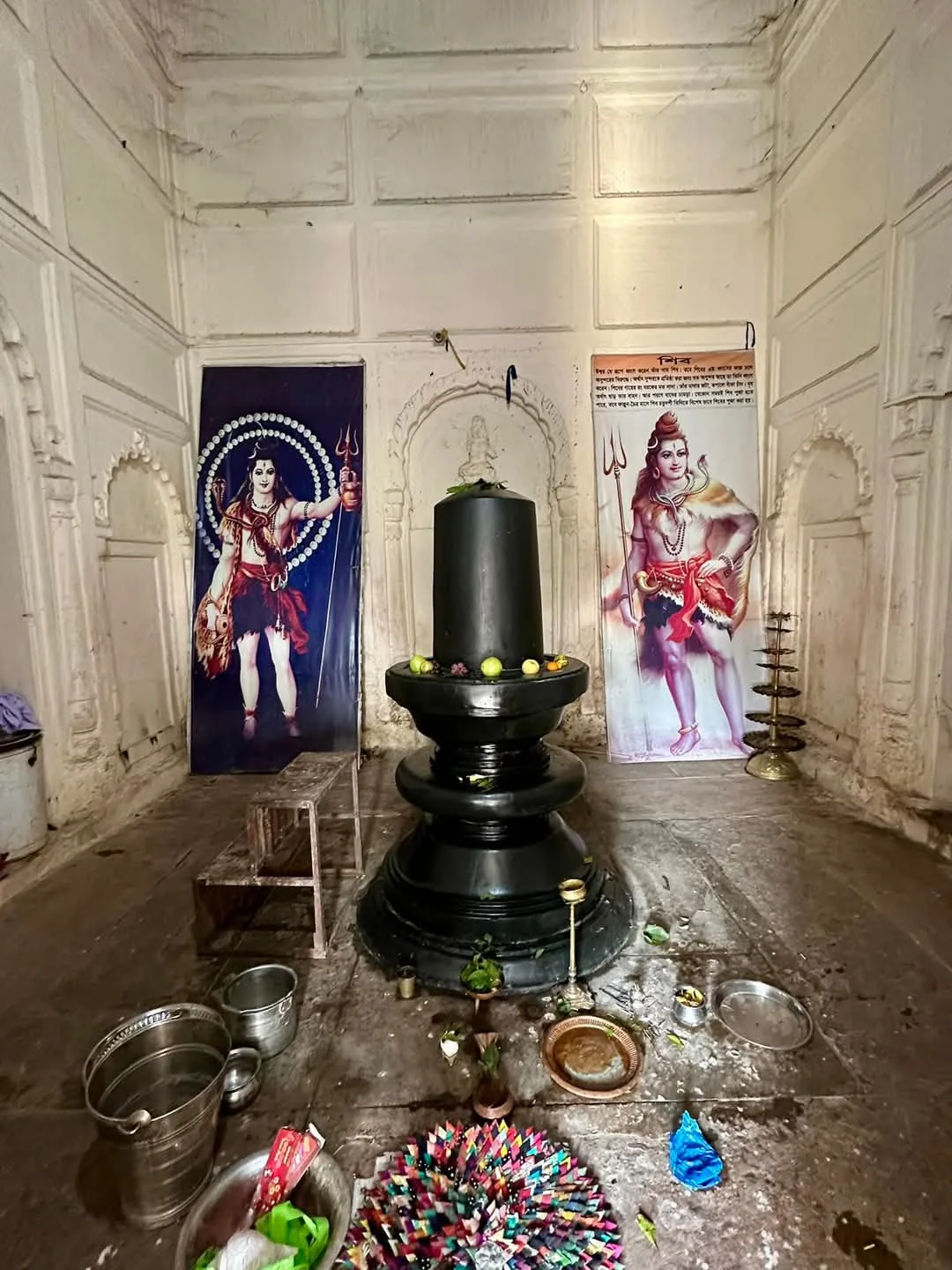
- Large Shiva Temple (1823): See one of the most iconic temples in the region, standing proudly as a masterpiece of Hindu architecture.
- Dol Temple: End your journey with this graceful temple, an important part of Puthia’s remarkable sacred heritage.
Gallery of Heritage Treasures of North Bengal
See what previously visited tourists have explored with us.
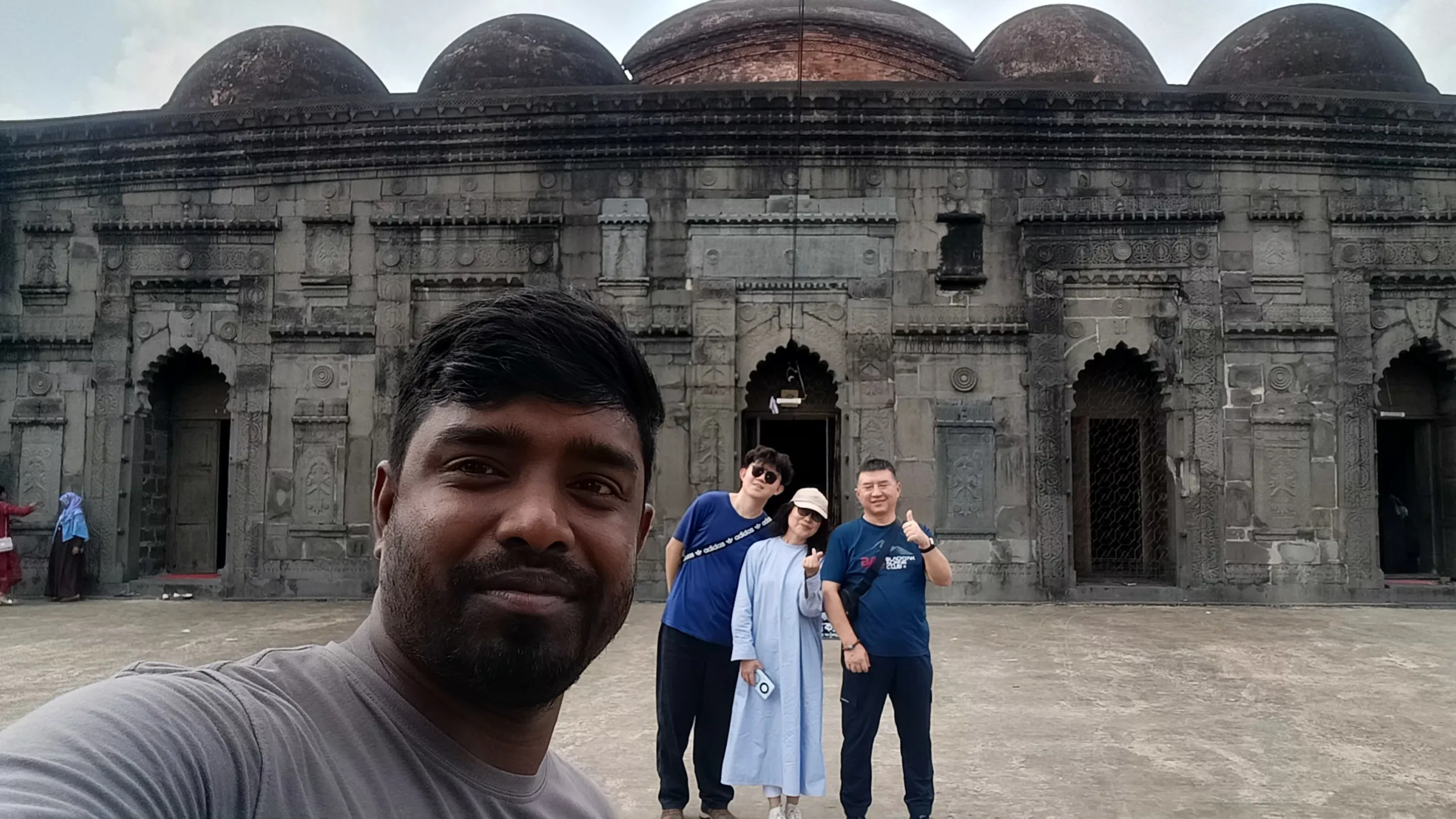
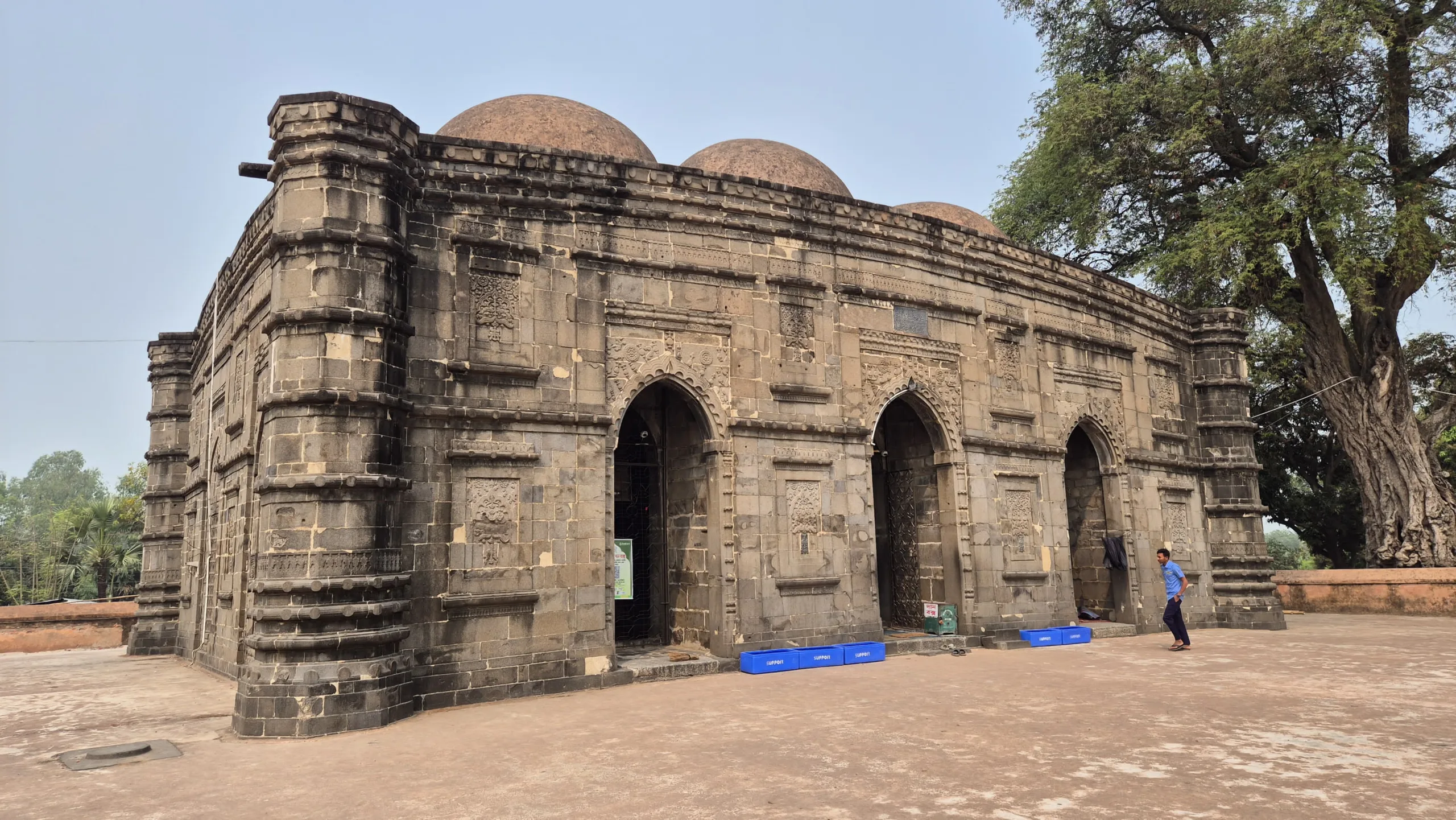
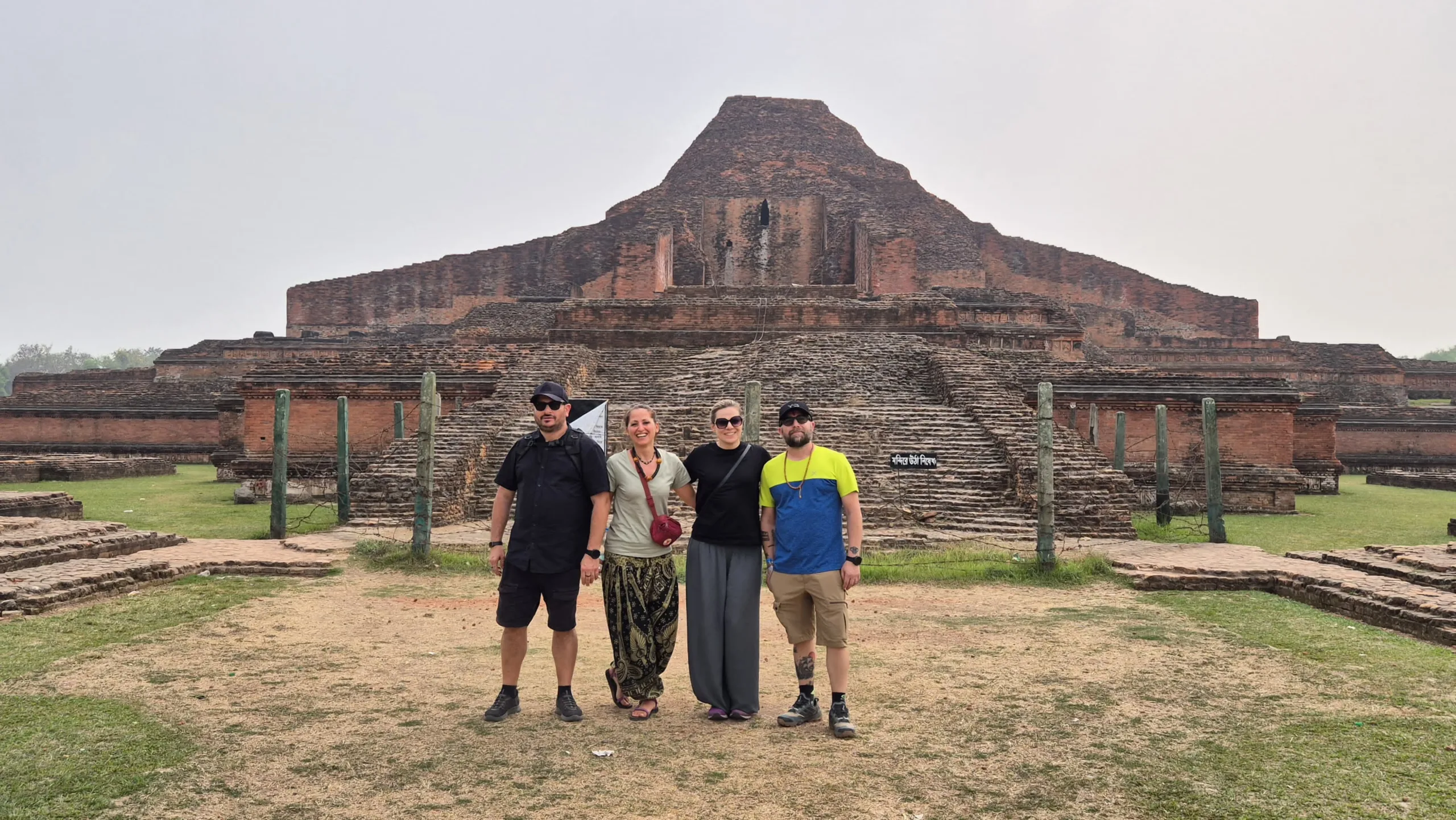
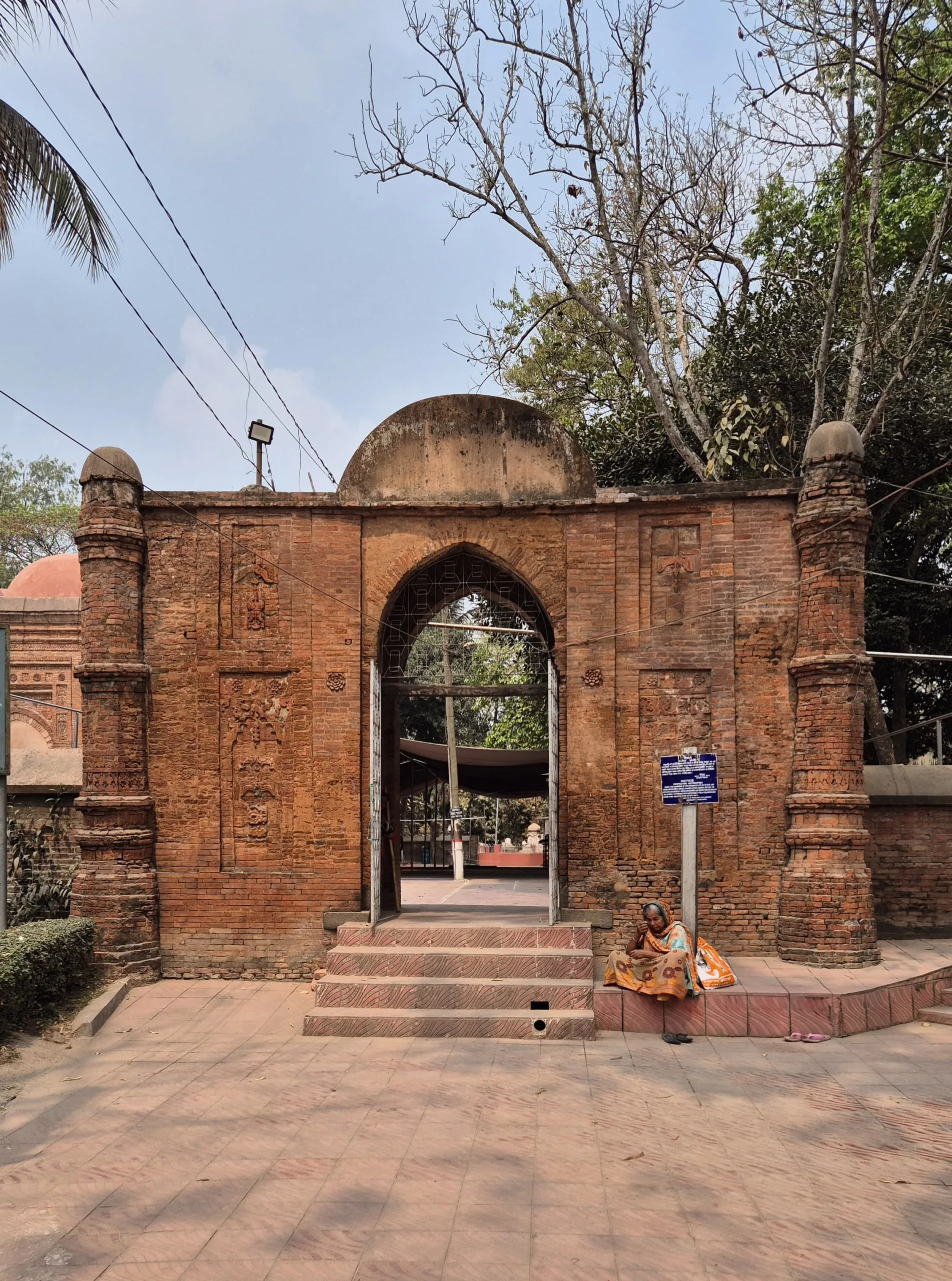
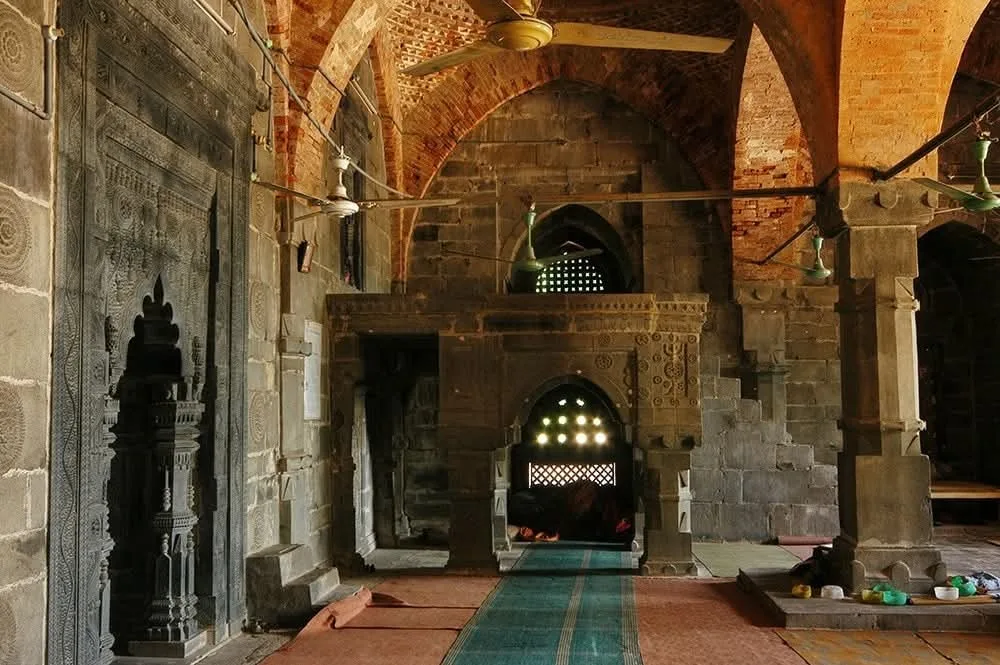
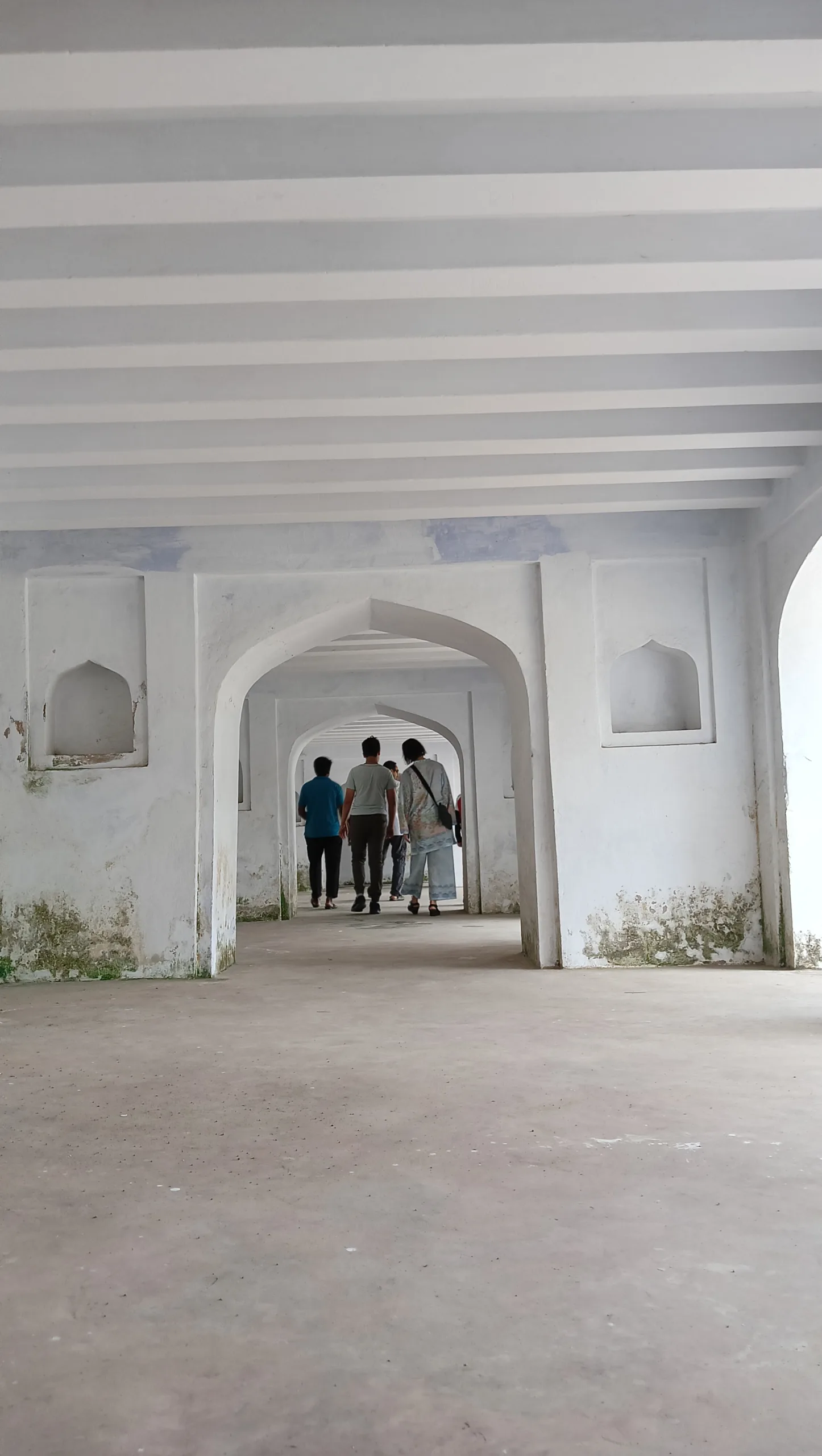
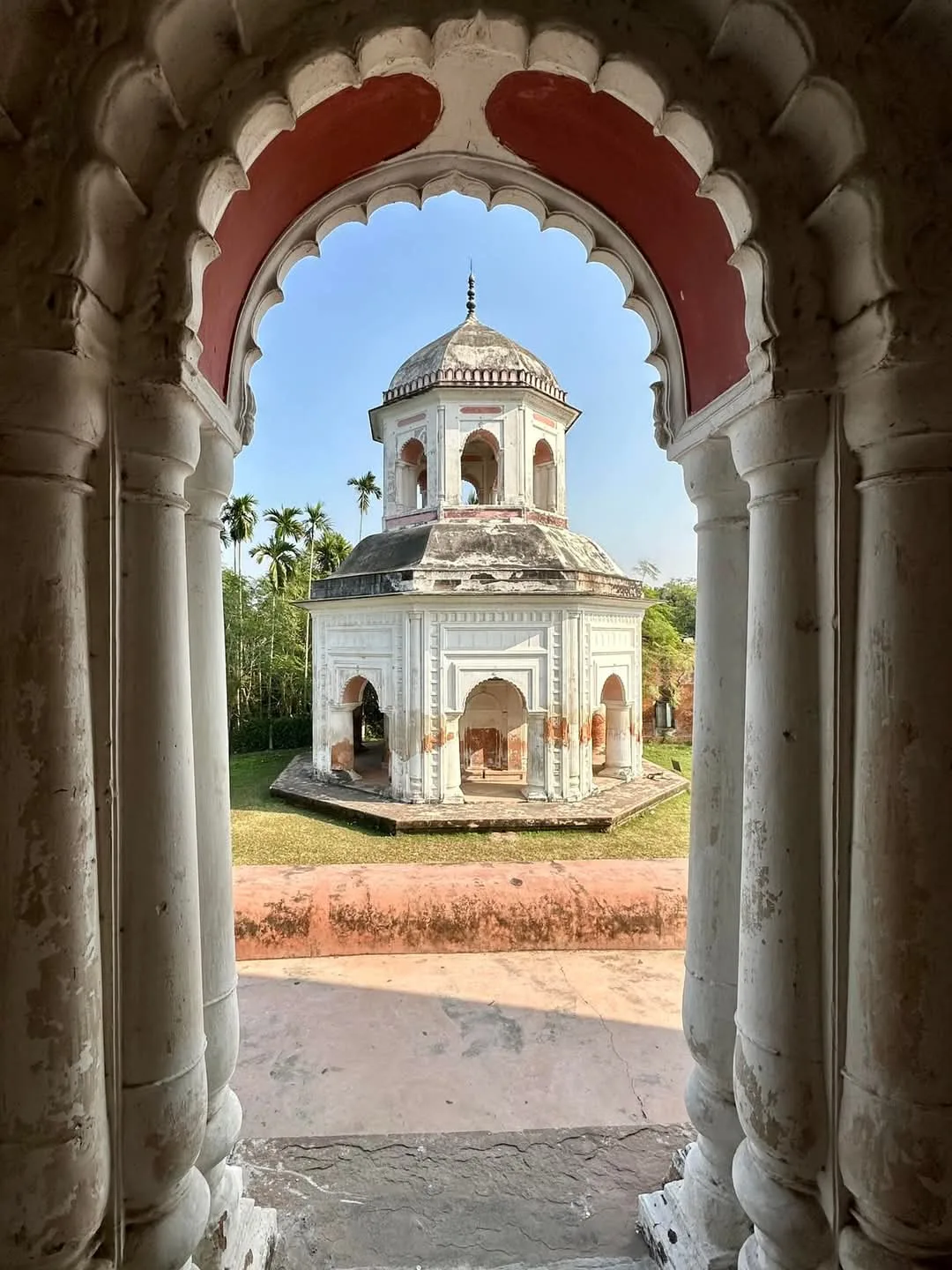
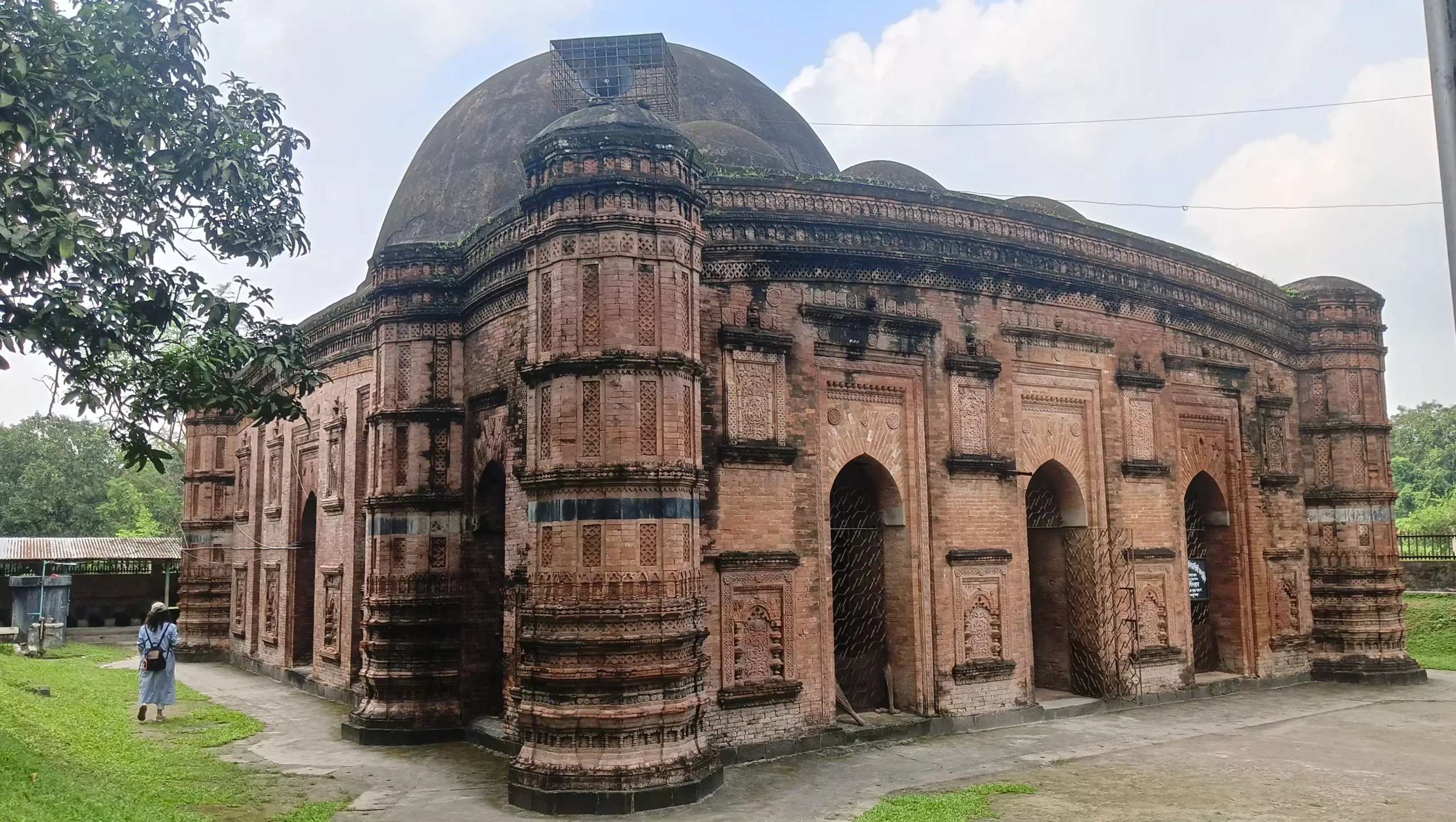
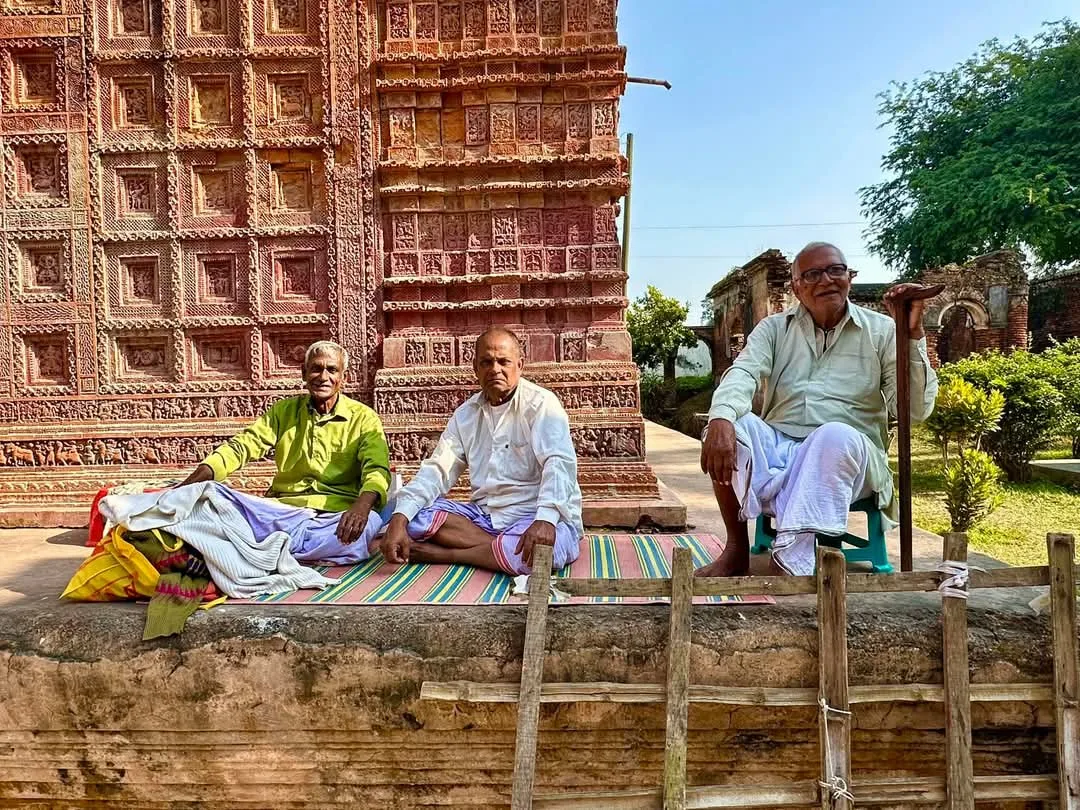
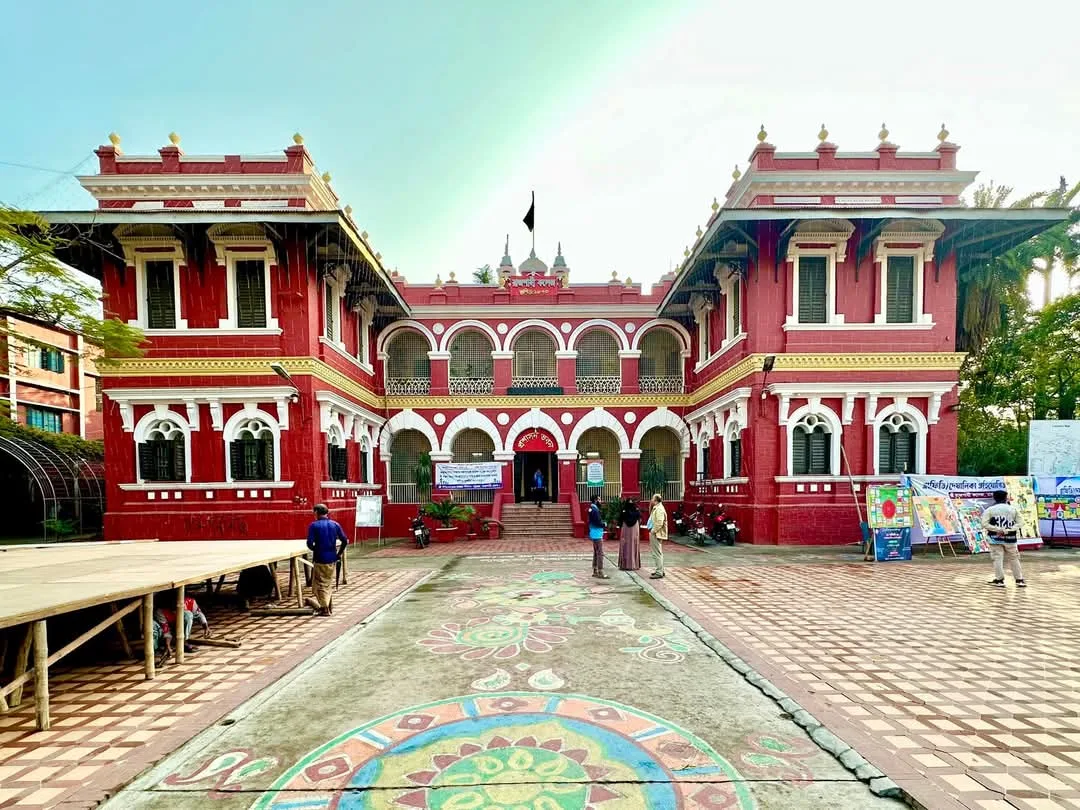
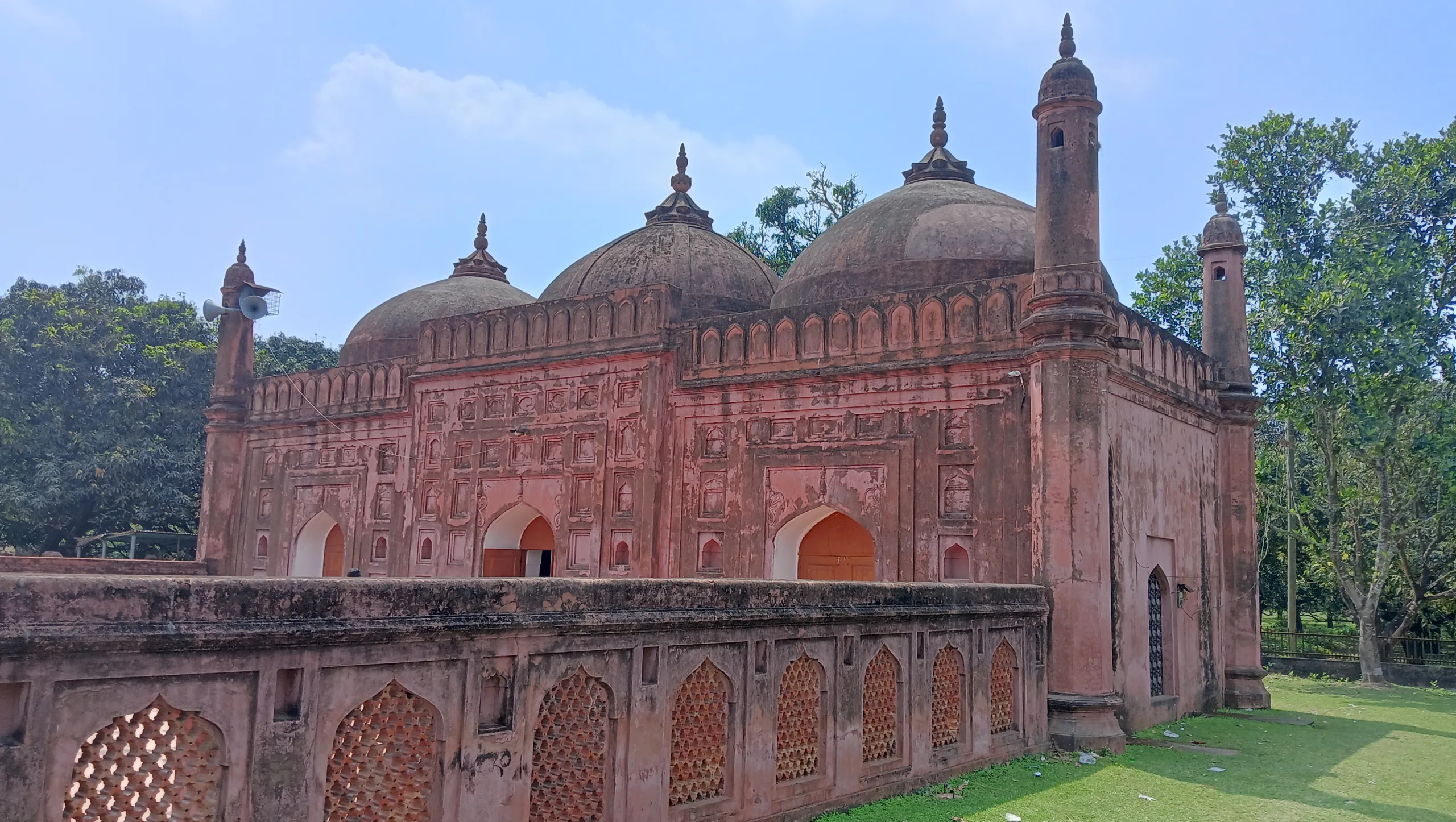
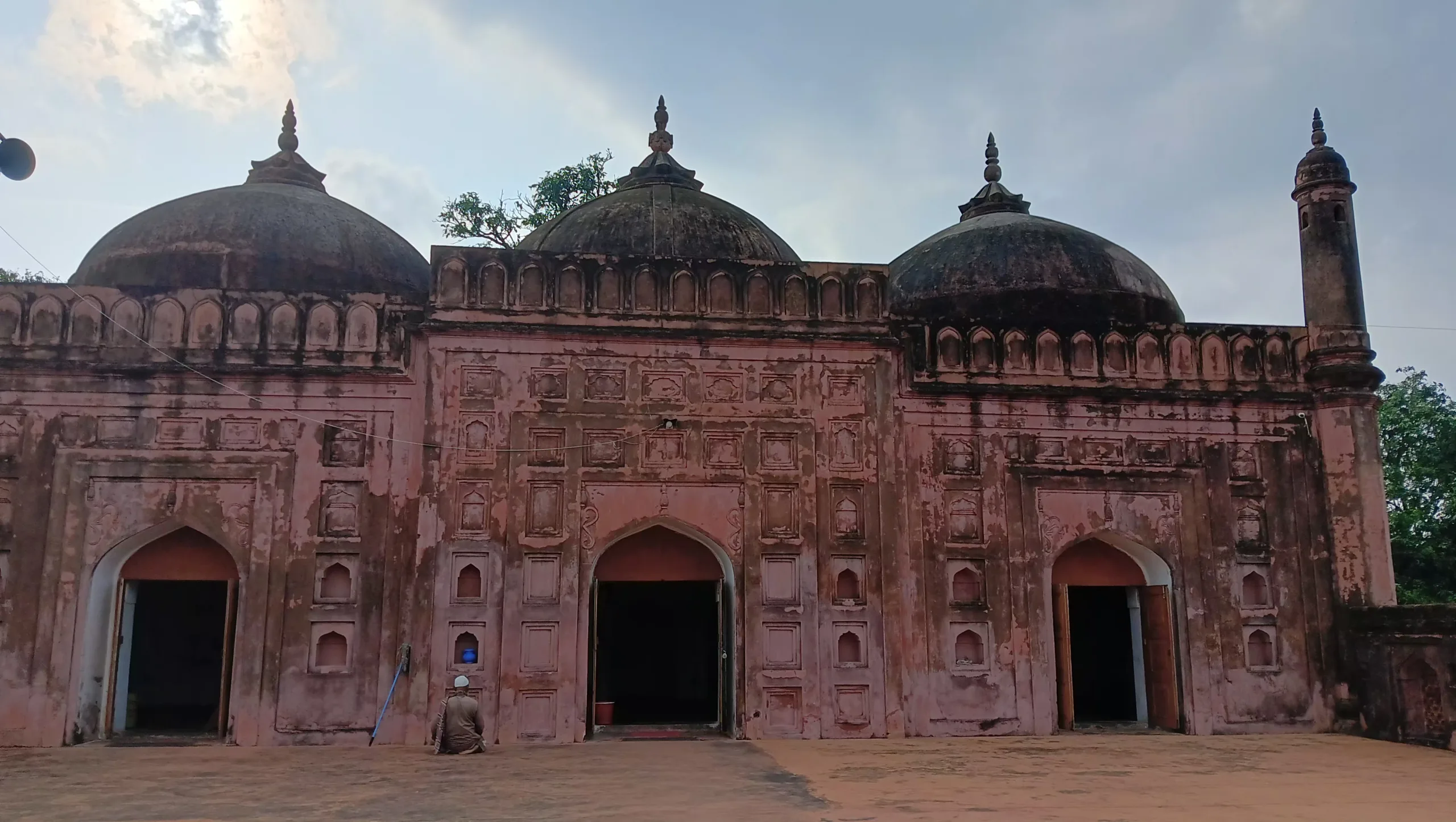
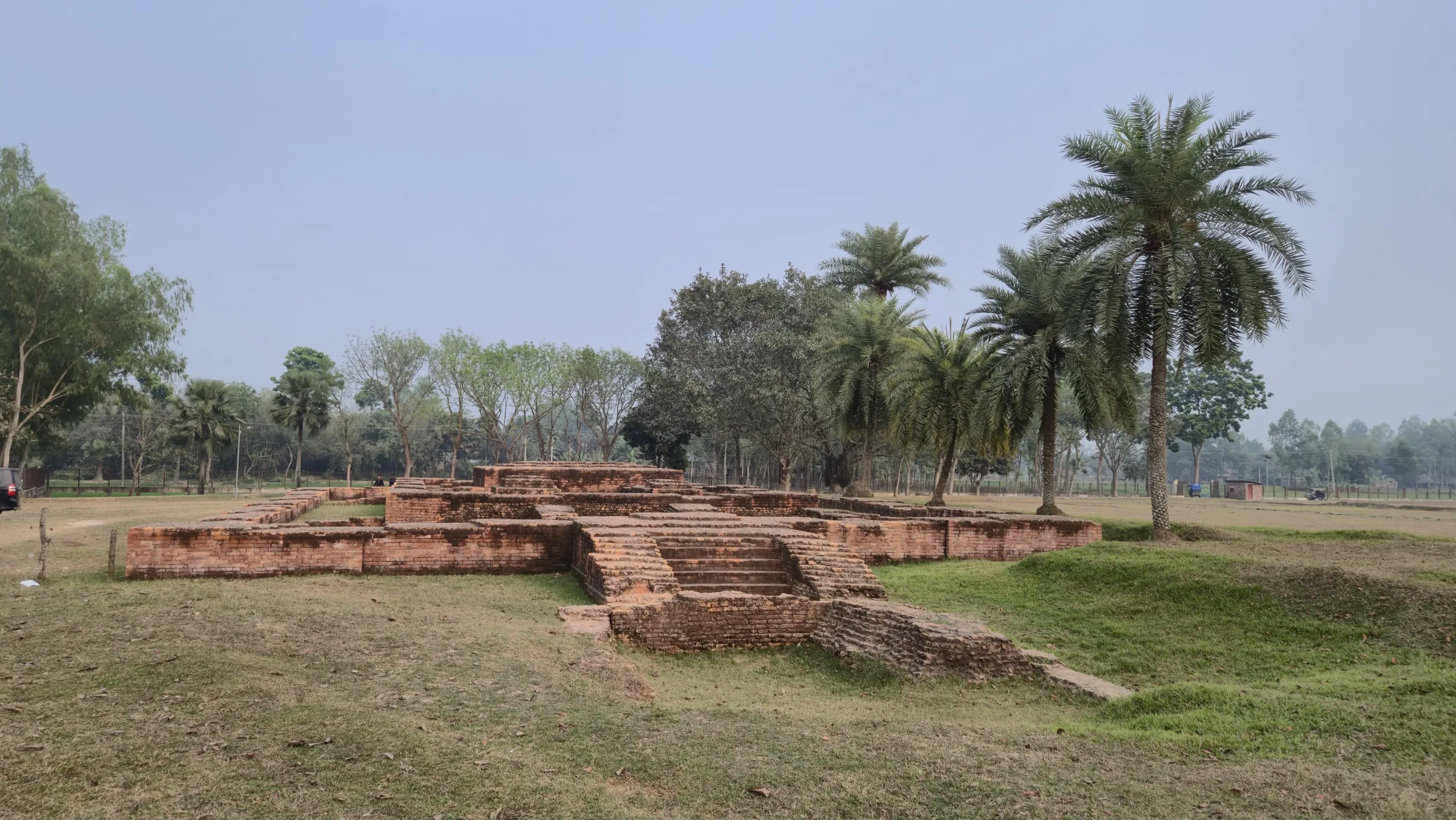
Heritage Treasures of North Bengal
Day 1: From Dhaka to Bogura — Monuments, Mosques, Temples, and Ancient History
Your journey to North Bengal begins in the morning as we depart from Dhaka at around 8:30 to 9:00 AM, heading toward Bogura, often considered the gateway to the northern heritage region of Bangladesh. Along the way, your guide will introduce the significance of the tour and provide insights into the rich history, culture, and architectural treasures you will experience over the coming days.
Our first stop is the National Martyrs’ Memorial, the most important national monument in Bangladesh, built in honor of those who sacrificed their lives for the country’s independence. This powerful and symbolic site sets a meaningful tone for the journey ahead.
We then continue to the historic Atia Mosque in Delduar, Tangail. Built in 1609 during the Mughal period, this elegant mosque is admired for its beautiful blend of Mughal and traditional Bengali architectural styles, enhanced by delicate terracotta ornamentation.
From there, we explore the weaving heritage of Tangail, a region famous throughout Bangladesh for its handwoven textiles and sarees. A visit to the local weaving area offers a closer look at the craftsmanship and tradition that have made Tangail such an important center of textile culture.
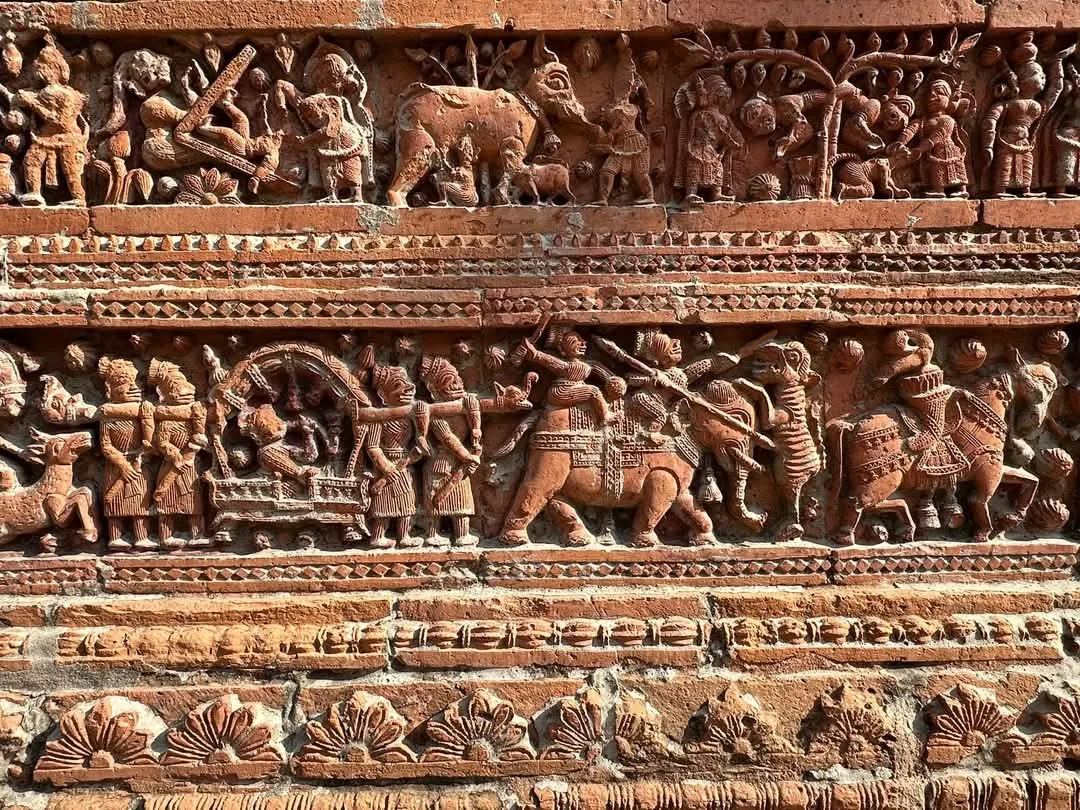
After lunch, the journey continues to the remarkable Noborotno Temple, locally known as Dol Moncho, in Hatikumrul, Sirajganj. This beautiful three-storey terracotta temple, built in the 18th century, is one of the most impressive historical temple structures in Bangladesh. Once crowned with nine pinnacles, it is renowned for its ornate terracotta panels and distinctive Navaratna-style architecture.
Later in the day, we arrive at Mahasthangarh in Bogura, the oldest archaeological site in Bangladesh, dating back to at least the 3rd century BCE. Once the ancient city of Pundranagara, Mahasthangarh offers a fascinating glimpse into one of the earliest urban civilizations in the region, with its ancient fortifications, inscriptions, and archaeological remains.
Depending on time and road conditions, the day may also include glimpses of local village life, traditional curd-making culture, and the lively night vegetable market near the Bogura railway area, adding an authentic local touch to the journey.
Overnight stay in Bogura.
Day 2: Buddhist Heritage, Stone Architecture, and the Padma River in Rajshahi
After breakfast, we continue toward Rajshahi, widely known as one of the cleanest and most pleasant cities in Bangladesh, celebrated for its fresh air, heritage, and riverside beauty.
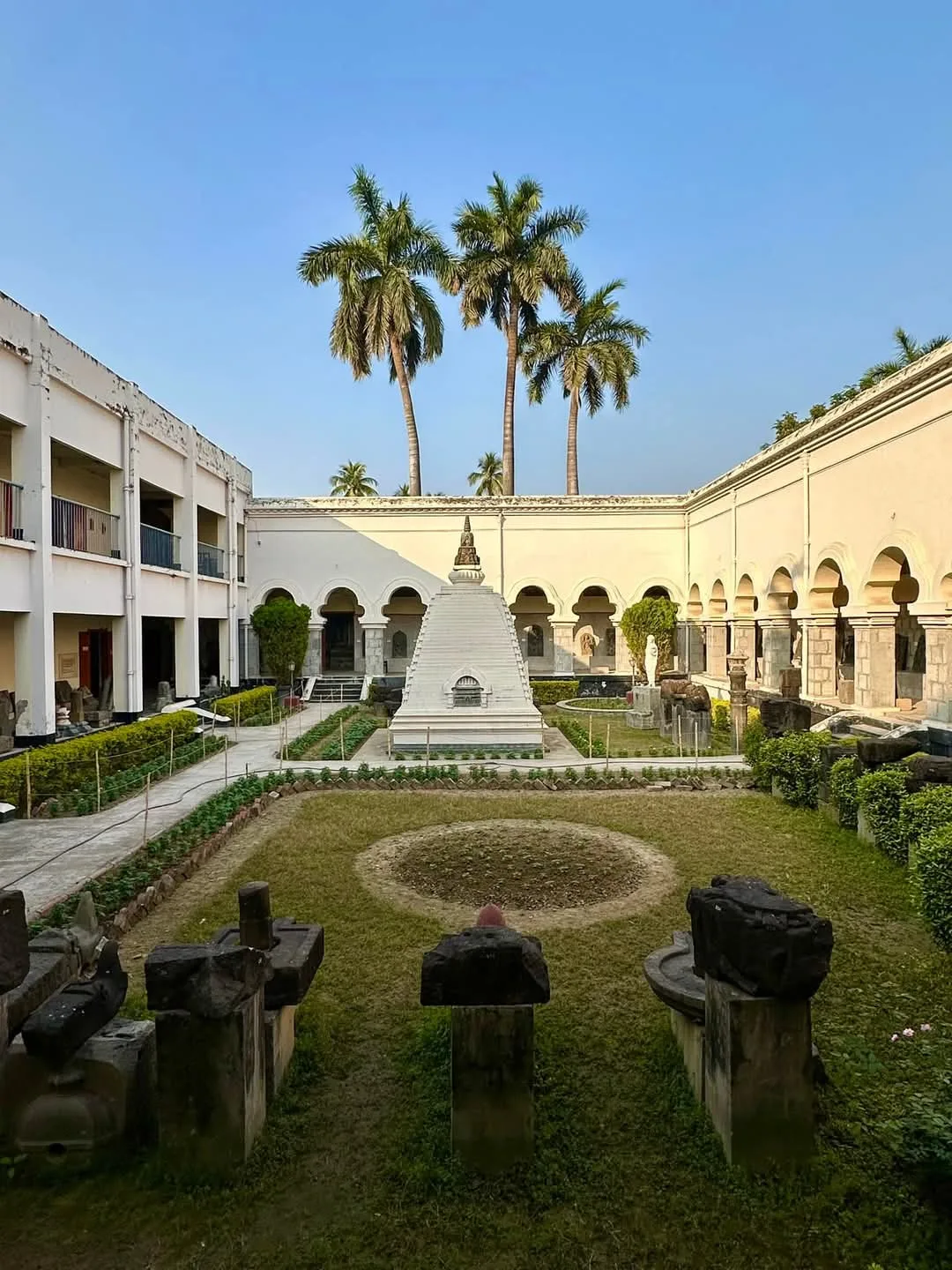
The day begins with a visit to Sompur Mahavihara at Paharpur in Naogaon, one of the greatest archaeological treasures in South Asia and a UNESCO World Heritage Site. Built in the 8th century during the Pala dynasty, this vast Buddhist monastery was once a major center of learning, religion, and culture. Its grand central structure, terracotta artwork, and surrounding monastic cells make it one of the most impressive heritage sites in Bangladesh.
After exploring Paharpur, we stop for lunch on the way before continuing to the stunning Kusumba Mosque, often called the “Black Gem of Bengal.” Built in 1558–59, this elegant stone mosque is one of the finest examples of Sultanate-era architecture in the country. With its six domes, strong stone structure, and picturesque setting beside a large historic pond, Kusumba Mosque stands as a masterpiece of Islamic heritage.
By late afternoon, we arrive in Rajshahi City, where the day ends with a relaxing visit to the majestic Padma River, the longest river in Bangladesh. The calm riverside setting, open sky, and natural beauty offer a refreshing contrast to the day’s historical explorations.
Overnight stay in Rajshahi.
Day 3: Sultanate Mosques and the Heritage of Chapainawabganj
Today we journey to Chapainawabganj, widely known as the mango capital of Bangladesh, and a region rich in Islamic architectural heritage. This day is devoted to exploring some of the finest historic mosques of ancient Bengal.
Our first stop is the famous Choto Sona Mosque, one of the most beautiful surviving examples of Bengal Sultanate architecture. Built between the late 15th and early 16th centuries, it became known as the “Golden Mosque” because its domes were once gilded. Its elegant proportions, carved stone details, and historical importance make it one of the highlights of the region.
We then continue to Darasbari Mosque, built in 1479 by Sultan Shamsuddin Yusuf Shah. Once part of a larger madrasa complex, this mosque is a magnificent example of Bengal Sultanate architecture. Although much of the roof and verandah have collapsed over time, its surviving arches, mihrabs, and structural remains still create a powerful impression of medieval grandeur.
After lunch, we visit Shah Niamatullah Mosque, built between 1639 and 1660 in honor of the Sufi saint Shah Niamatullah. This peaceful and spiritually significant site reflects Mughal influence in its elegant design and decorative terracotta features.
The day continues with a visit to Khania Dighi Mosque, a remarkable Sultanate-era mosque dating to around 1480. Known for its massive domed hall, thick brick walls, and scenic location beside a large historic pond, this site is both architecturally impressive and visually serene.
Overnight stay in Chapainawabganj.
Day 4: The Temple Capital of Puthia and Return to Dhaka
Our final day begins early as we start the return journey to Dhaka, with a special stop in Puthia, often called the temple capital of Bangladesh. Although this is a longer travel day of around 300 kilometers, it offers some of the most beautiful temple architecture in the country.
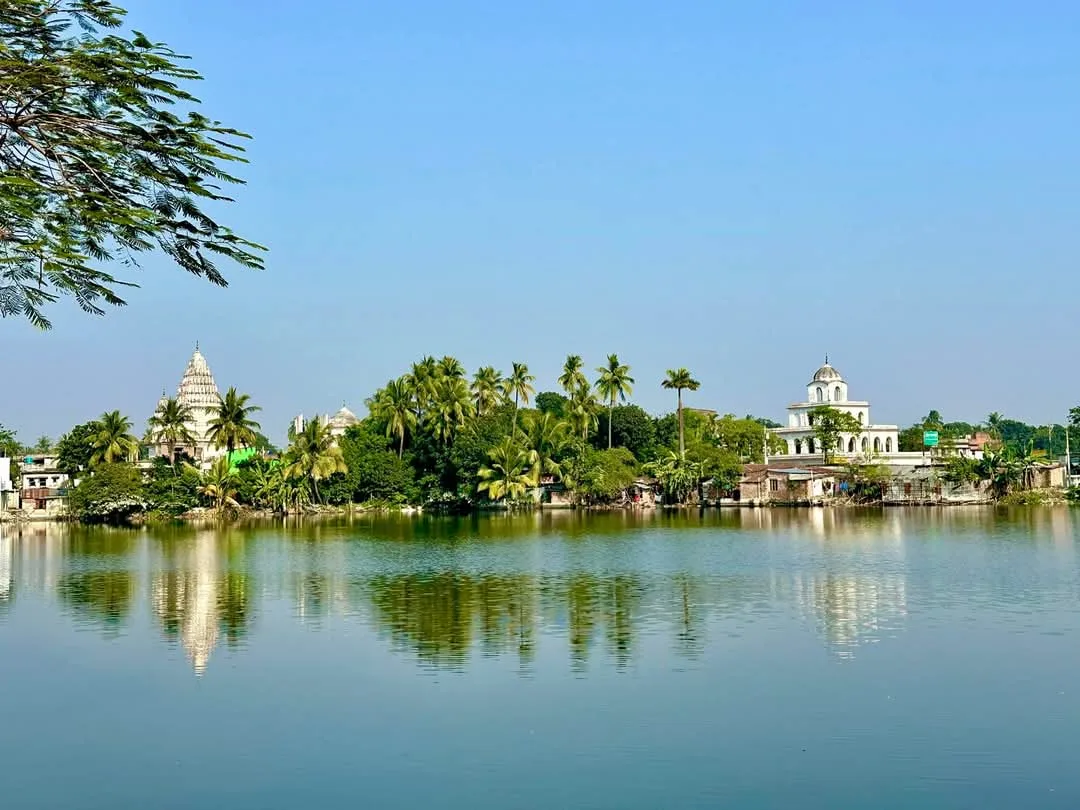
The first major highlight is the grand Shiva Temple, the largest Shiva temple in Bangladesh. Built between 1823 and 1830 by Rani Bhubonmoyi Devi, this majestic Pancha Ratna-style temple rises beside the scenic Shiv Sagar Lake. Its towering spires and massive black basalt Shiva linga make it one of the most iconic religious monuments in Bangladesh.
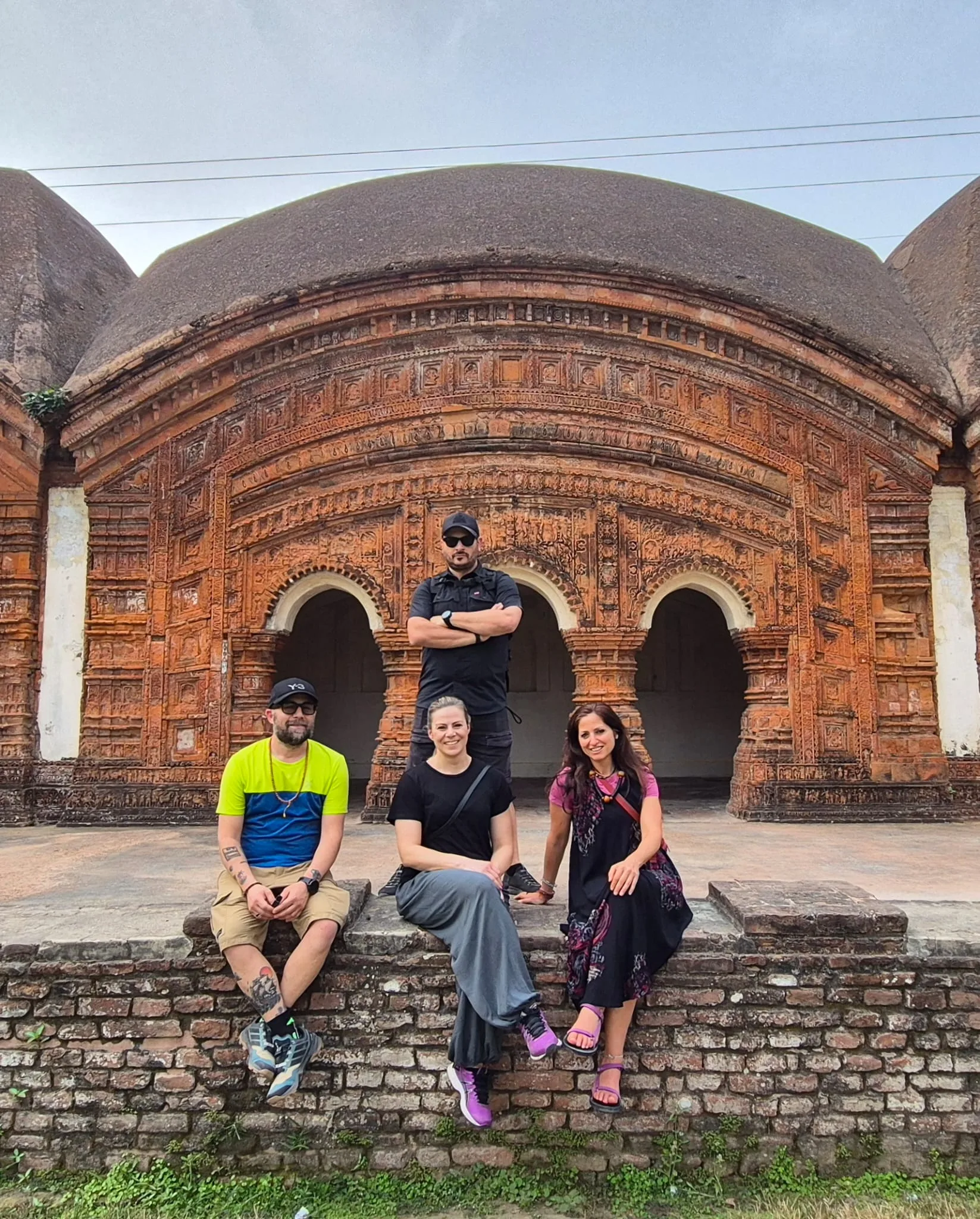
We then visit the magnificent Govinda Temple, a striking red-brick shrine built by the Puthia royal family between 1823 and 1895. Famous for its five pinnacles and exquisitely detailed terracotta panels illustrating Radha-Krishna themes, this temple remains an active place of worship and a centerpiece of Puthia’s cultural and architectural heritage.
The exploration continues with visits to Choto Ahnik Temple, Choto Govinda Temple, Puthia Rajbari Museum, and Dol Temple, each contributing to the rich and elegant heritage landscape of the Puthia temple complex.
After completing our final heritage visits, we begin the drive back to Dhaka, carrying with us the memories of ancient cities, mosques, monasteries, temples, rivers, and the remarkable cultural legacy of North Bengal. We expect to arrive in Dhaka by around 8:00 PM.
Heritage Treasures of North Bengal Prices
- Solo Tour $750 per person
- 2 Pax $650 per person
- 3 - 5 Pax $600 per person
- 5+ Pax Group $550 per person
Tour Plan Includes:
- Accommodation: 3 nights 3/4 Star hotel room
- Transportation: Air-conditioned private car
- Meals: Breakfast and lunch
- Permits & Sightseeing: All necessary permits and sightseeing fees included as per the itinerary
- Tour Guide: Dedicated English-speaking tour guide
Tour Plan Excludes:
- All personal expenses
- Dinner
- Guide tips
Frequently Asked Question About Heritage Treasures of North Bengal
-
What is the duration of the Heritage Treasures of North Bengal tour?
This is a 4-day, 3-night tour designed to explore some of the most important historical, cultural, and architectural sites in North Bengal.
-
What are the main attractions covered in this tour?
The tour includes major highlights such as the National Martyrs’ Memorial, Atia Mosque, Tangail Weavers Village, Noborotno Temple, Mahasthangarh, Sompur Mahavihara, Kusumba Mosque, Padma River, Choto Sona Mosque, Darasbari Mosque, Khania Dighi Mosque, and the famous temple complex of Puthia.
-
Is this tour available as a private tour?
Yes, this tour can be arranged as a private tour for individuals, couples, families, or small groups who prefer a more personalized travel experience.
-
Is this tour suitable for families and senior travelers?
Yes, this tour is suitable for families, couples, and senior travelers who enjoy history, culture, and scenic journeys. Since the tour includes road travel and site visits, a moderate level of mobility is recommended.
-
Will there be a lot of walking during the tour?
There will be some walking at heritage and archaeological sites, but the pace is generally relaxed. Guests should be comfortable walking around temples, mosques, museum grounds, and historic ruins.
-
Can the itinerary be customized?
Yes, the itinerary may be customized to some extent depending on your interests, travel style, group size, and schedule. Please contact us in advance if you would like a tailor-made experience.
-
Are the hotels comfortable during the tour?
Yes, accommodation is arranged in comfortable 3/4-star hotels, selected to provide a pleasant and restful stay during the journey.
-
What should I know before joining this tour?
This is a heritage-focused multi-day tour, so guests should be prepared for road travel, cultural sightseeing, and visits to historical and religious sites. Comfortable clothing, walking shoes, and an interest in history and architecture will help you enjoy the trip even more.
-
Are dinner arrangements available even though dinner is not included?
Yes, although dinner is not included in the package, our team can recommend suitable local restaurants or help arrange dinner at or near your hotel.
-
How do I confirm my booking for this tour?
Simply click the “Book Tour” button, fill out the short form, and submit it. Our team will contact you promptly with a detailed itinerary and secure payment instructions to finalize your reservation. For custom inquiries, please use our live chat icon.