Ten Days Across Bangladesh
Discover the extraordinary diversity of Bangladesh on a ten-day journey through historic Dhaka, the archaeological heart of North Bengal, the temple landscapes of Puthia, the cultural legacy of Kushtia and Bagerhat, the river life of Barisal, the old capital of Sonargaon, and the tea gardens and forests of Sreemangal and Sylhet. From UNESCO heritage and sacred architecture to floating markets, mangrove scenery, tea country, and swamp forests, this tour offers a rich and memorable experience of Bangladesh.
- 10
- 9
- Anytime
- Start at only $800
Tour Highlights for Ten Days Across Bangladesh
- Discover the heritage of Dhaka: Explore the cultural and historical heart of the capital with visits to the National Parliament Building, Kawran Bazar, Dhaka University, Dhakeshwari Temple, Lalbagh Fort, Star Mosque, Armenian Church, Ahsan Manzil, and the lively Buriganga riverfront.
- Journey to North Bengal through monuments and tradition: Travel from Dhaka to Bogura with stops at the National Martyrs’ Memorial, the historic Atia Mosque, a traditional Tangail weavers’ village, and the remarkable Noborotno Temple.
- Explore the ancient and archaeological treasures of North Bengal: Visit Mahasthangarh, Gokul Medh, the UNESCO-listed Paharpur Buddhist Monastery, and the elegant Kusumba Mosque on a day rich in archaeology, religion, and early Bengal history.
- Experience Rajshahi’s temple heritage and riverside charm: Discover the temple capital of Puthia, including its palace and temple complex, then visit the Varendra Research Museum and enjoy the scenic beauty of the Padma River.
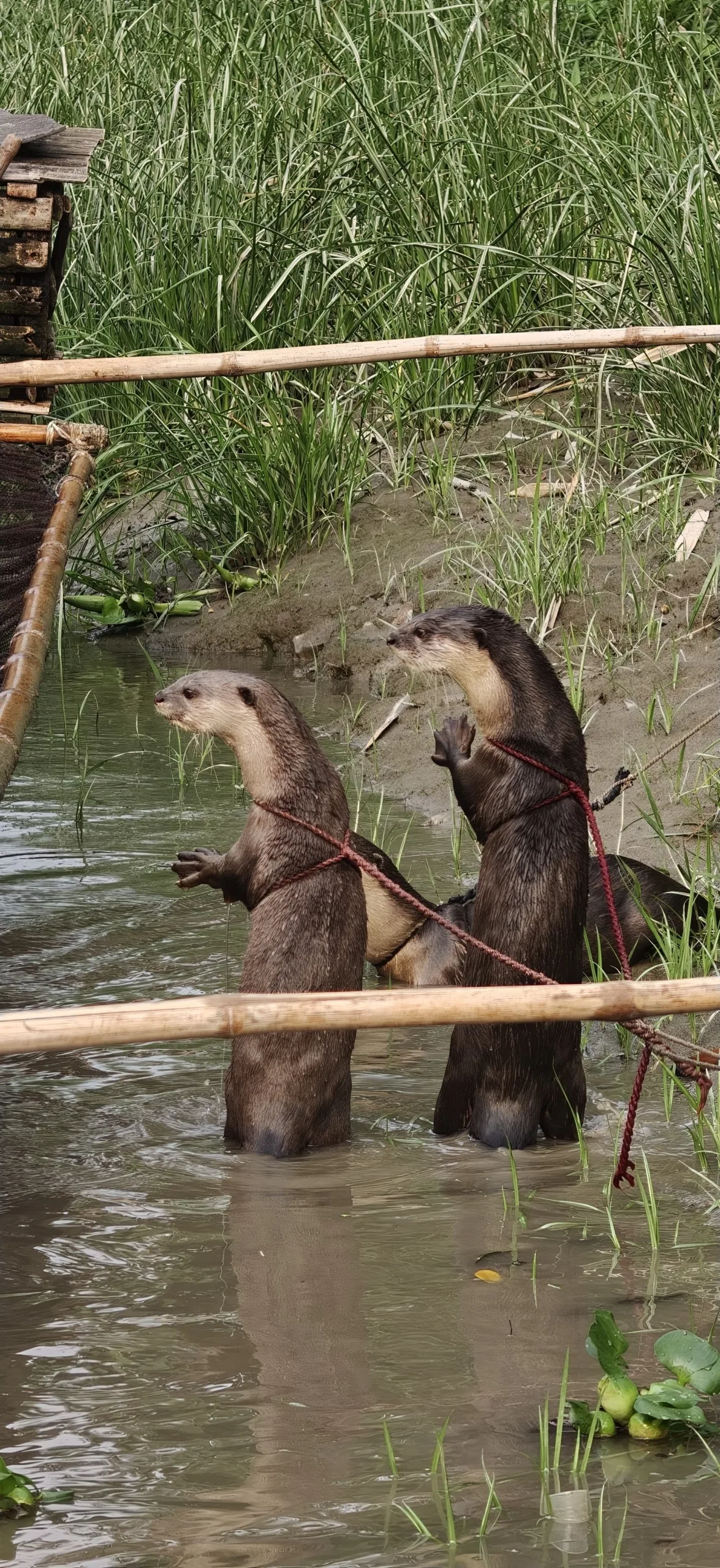
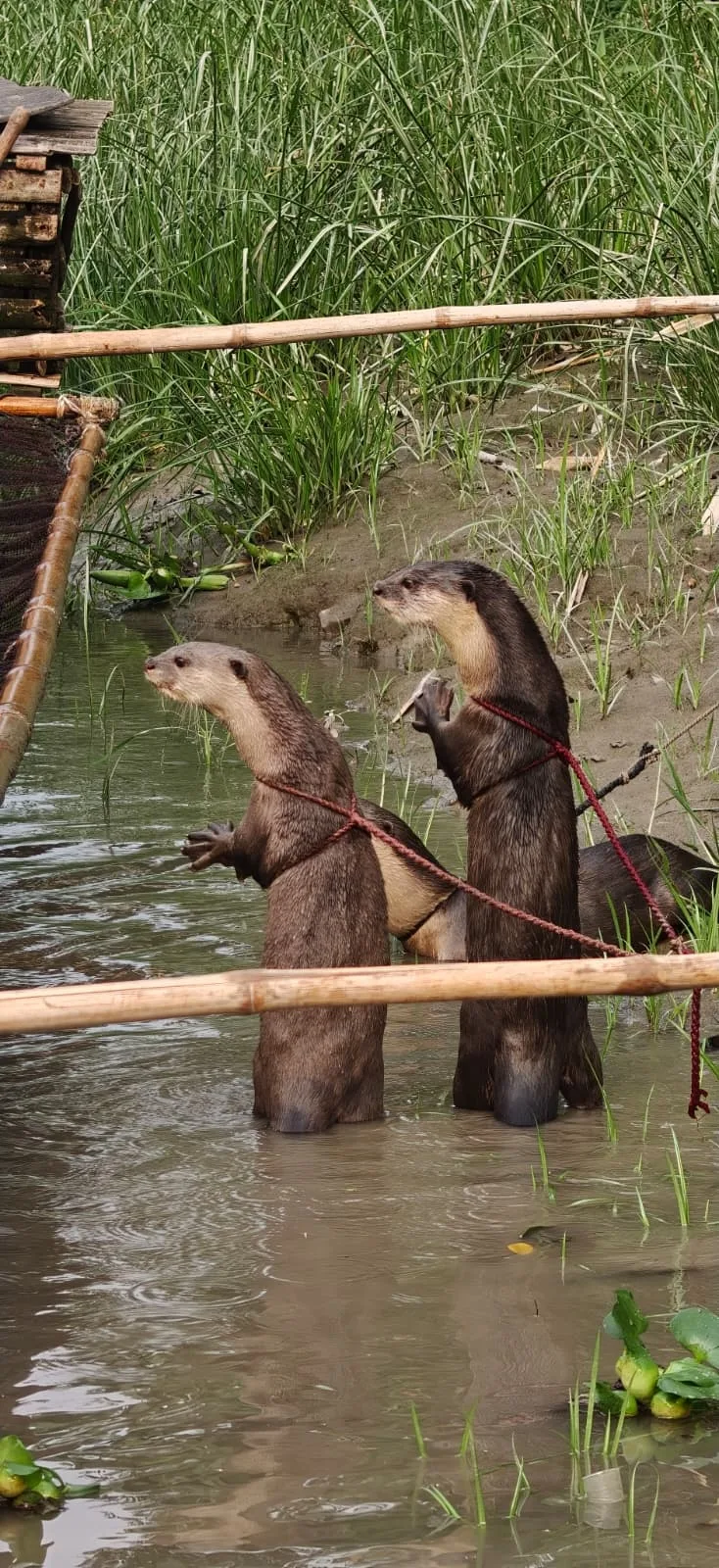
- Follow the trail of mysticism, mosque heritage, and living tradition: Travel toward Khulna with visits to the historic Bagha Mosque, the spiritual center of Lalon Akhra, and the rare traditional otter-fishing communities.
- Discover the mangrove edge and the mosque city of Bagerhat: Begin at Karamjol in the Sundarbans region, then continue to Bagerhat to explore the UNESCO-listed Sixty Dome Mosque, Khan Jahan Ali Shrine, Nine Dome Mosque, and Singair Mosque.
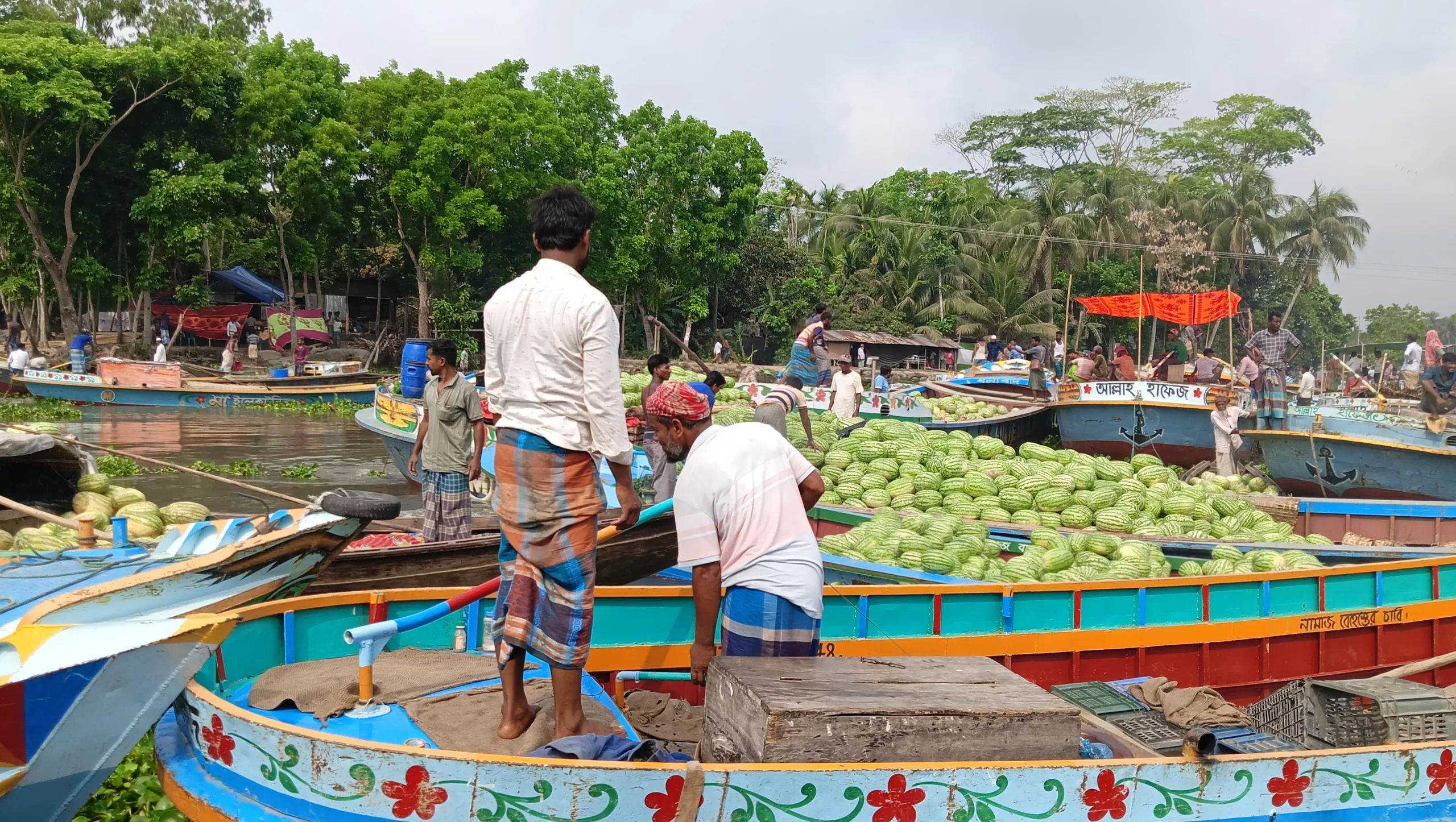
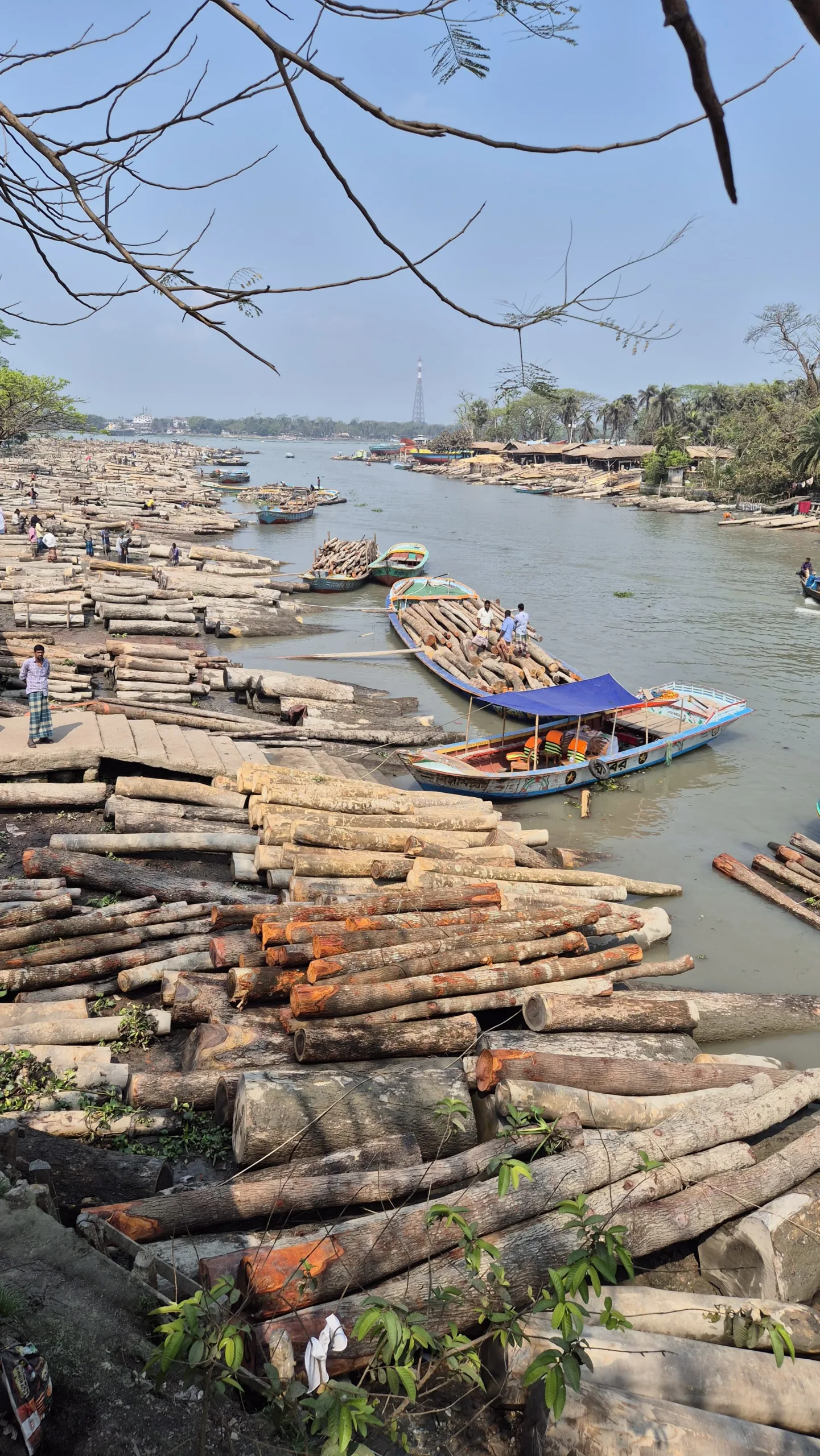
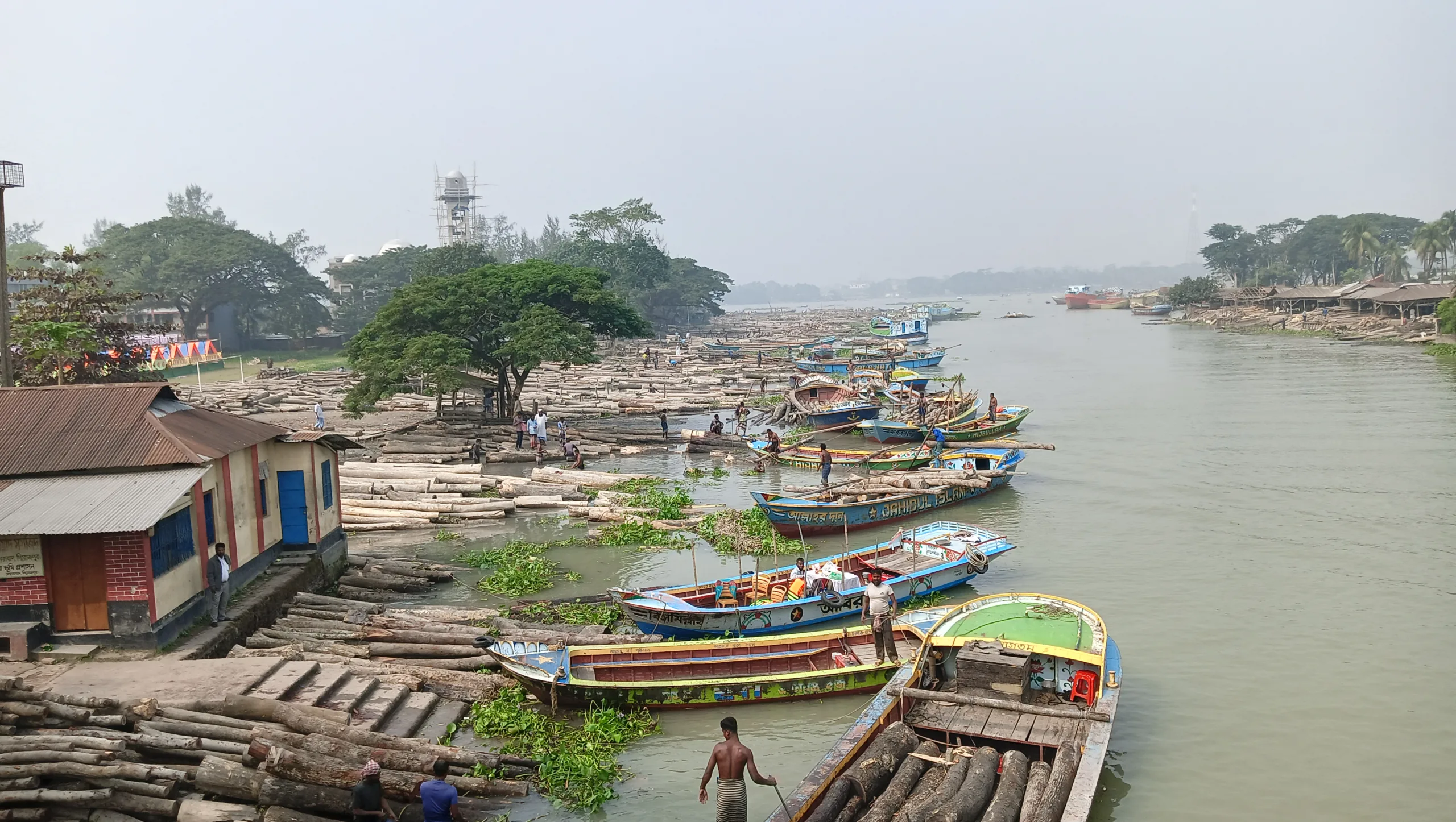
- Experience the peaceful backwaters of Barisal: Enjoy a traditional boat journey through the waterways of Barisal, visiting the floating vegetable market, floating timber market, and riverside cultivation areas while witnessing the rhythm of local village life.
- Step into the heritage of old Sonargaon on the way to Sreemangal: Explore the historic merchant street of Panam City, the Sonargaon Folk Museum, and the beautiful Goaldi Mosque before continuing to the tea country of Sreemangal.
- Discover tea gardens, rainforest, and indigenous culture: Explore the natural beauty of Sreemangal through Lawachara National Park, Noor Jahan Tea Garden, Madhabkunda, the famous seven-colour tea experience, and a visit to a tribal village before heading to Sylhet.
- End the journey with Sylhet’s most beautiful landscapes: Visit the magical Ratargul Swamp Forest and the scenic stone-bed landscape of Bichanakandi before returning to Dhaka and completing the tour.
Gallery of Ten Days Across Bangladesh
See what previously visited tourists have explored with us.
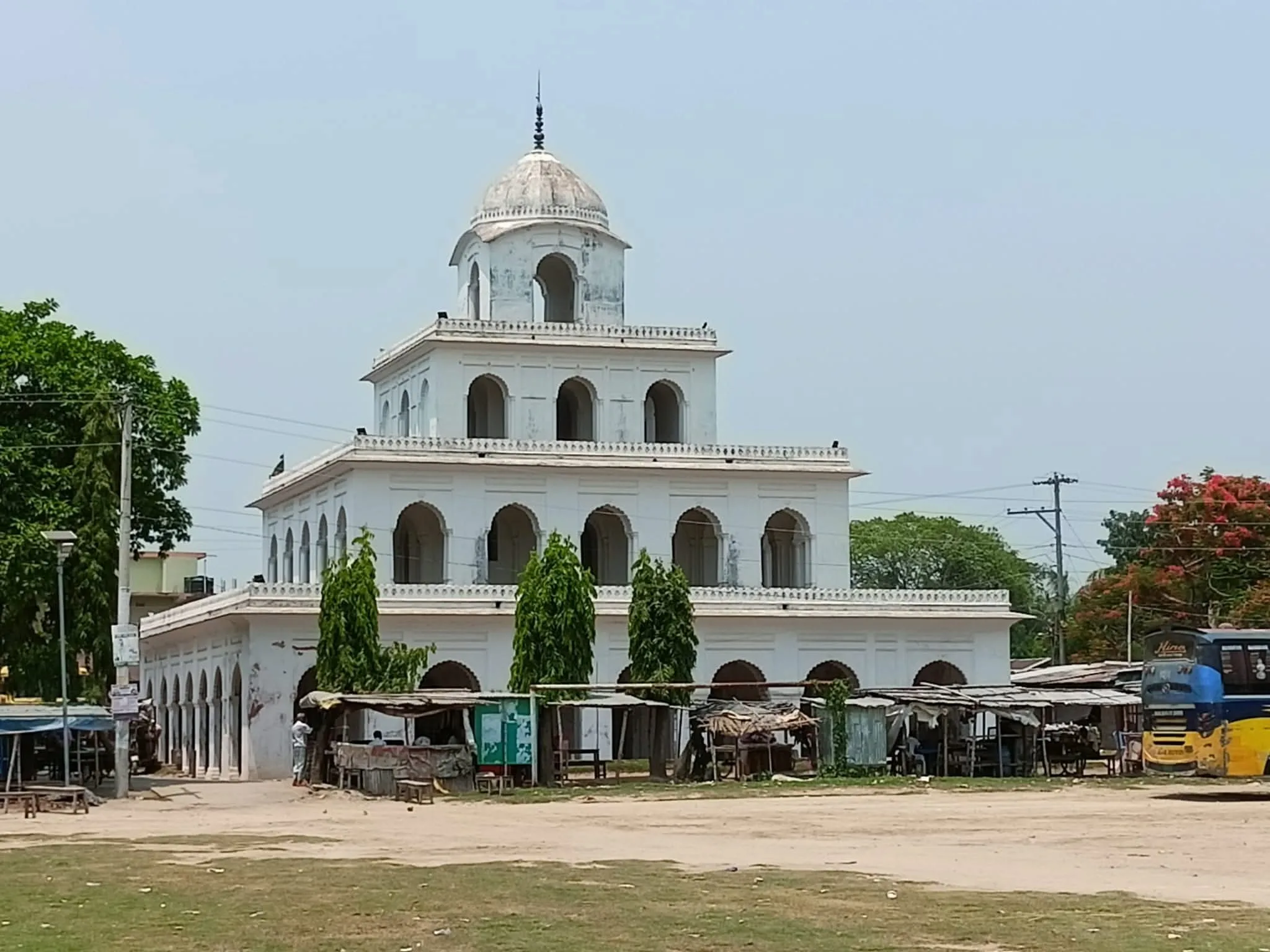

Day 1 – Discovering the Heritage of Dhaka
Welcome to Dhaka, the vibrant capital of Bangladesh and the country’s political, economic, and cultural heart. One of the world’s great megacities, Dhaka is a place of striking contrasts, where modern monuments, Mughal heritage, colonial history, and daily urban life blend into one fascinating experience.
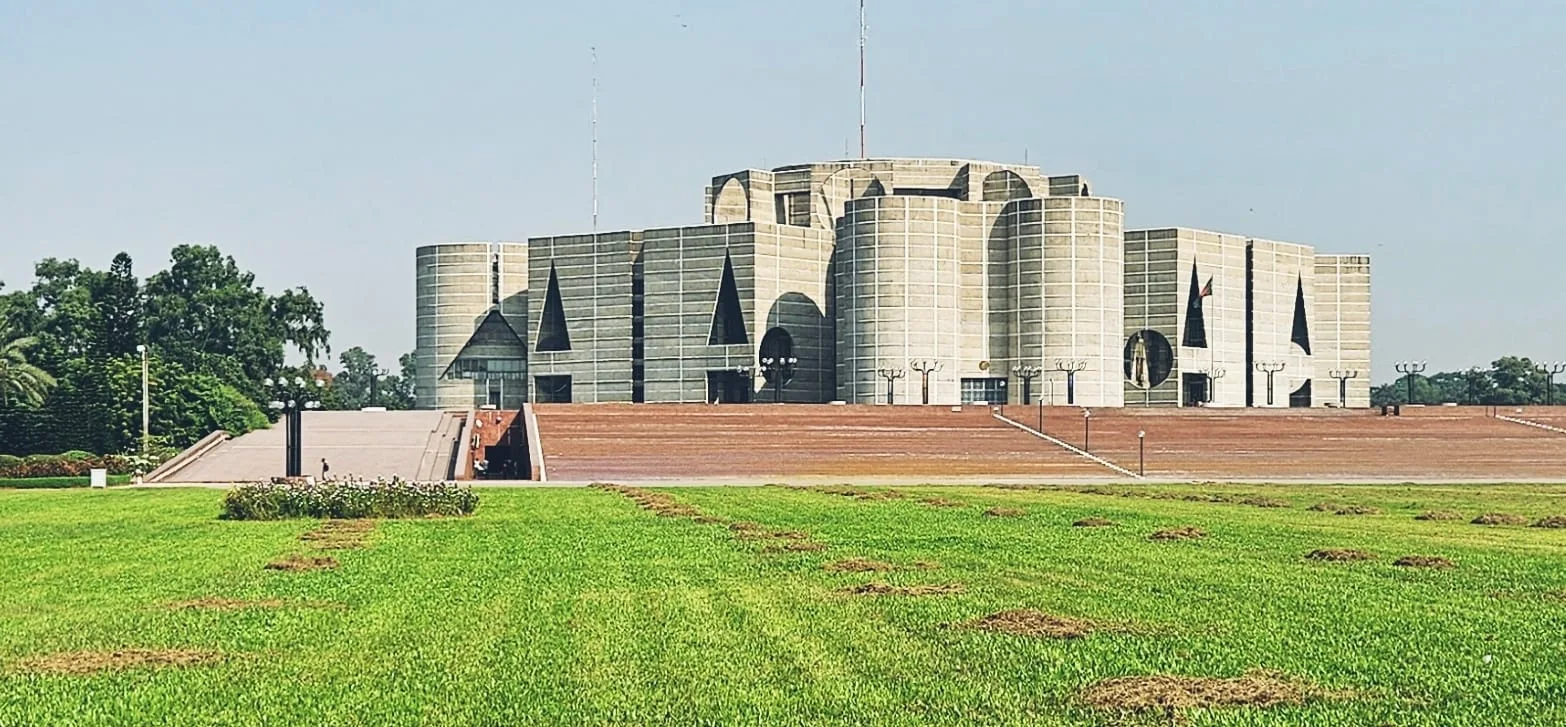
Today’s exploration begins with an outside view of the iconic National Parliament Building, one of the most celebrated examples of modern architecture in South Asia. Designed by the renowned American architect Louis I. Kahn, this monumental complex is admired for its bold design and national importance.
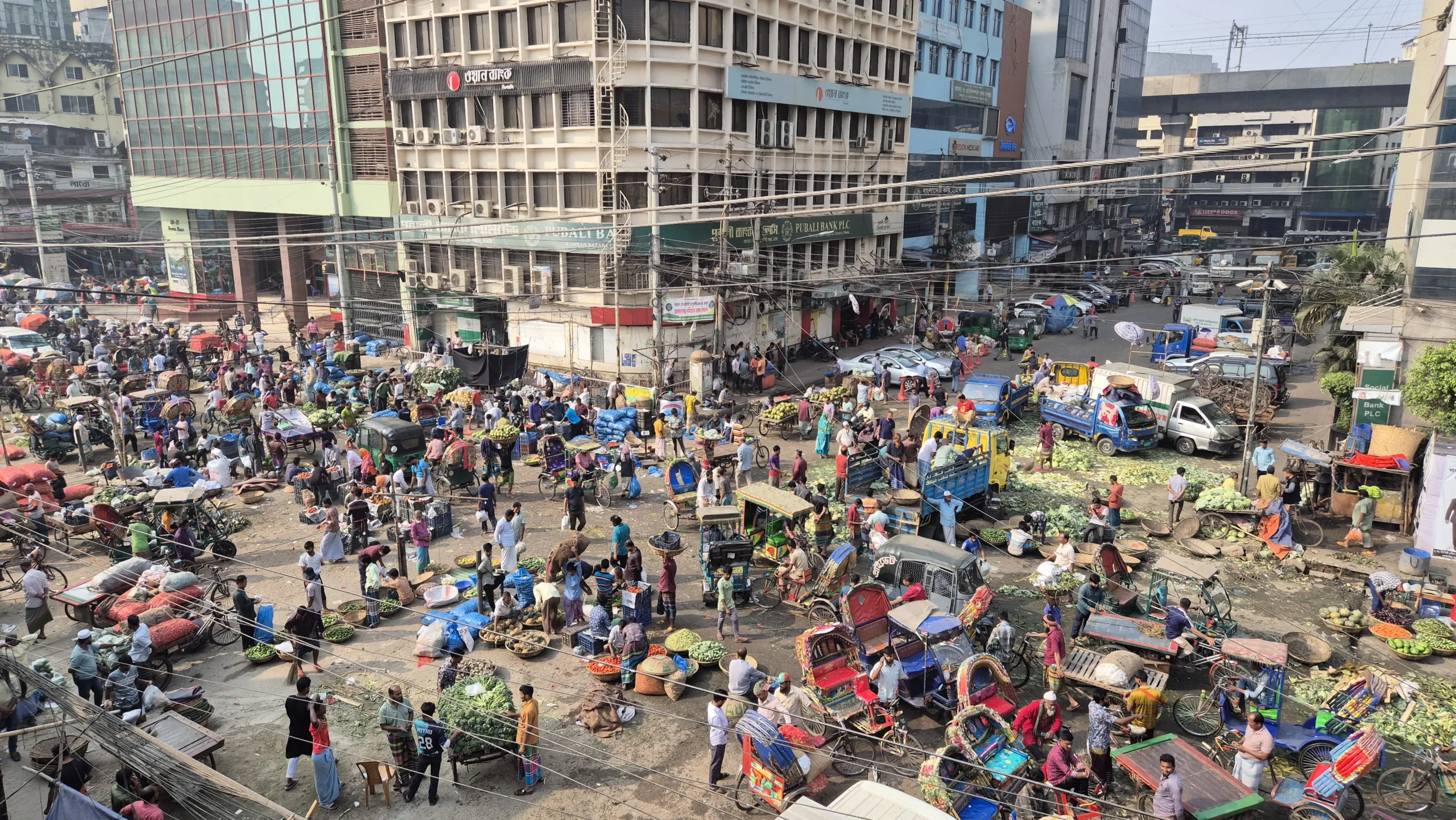
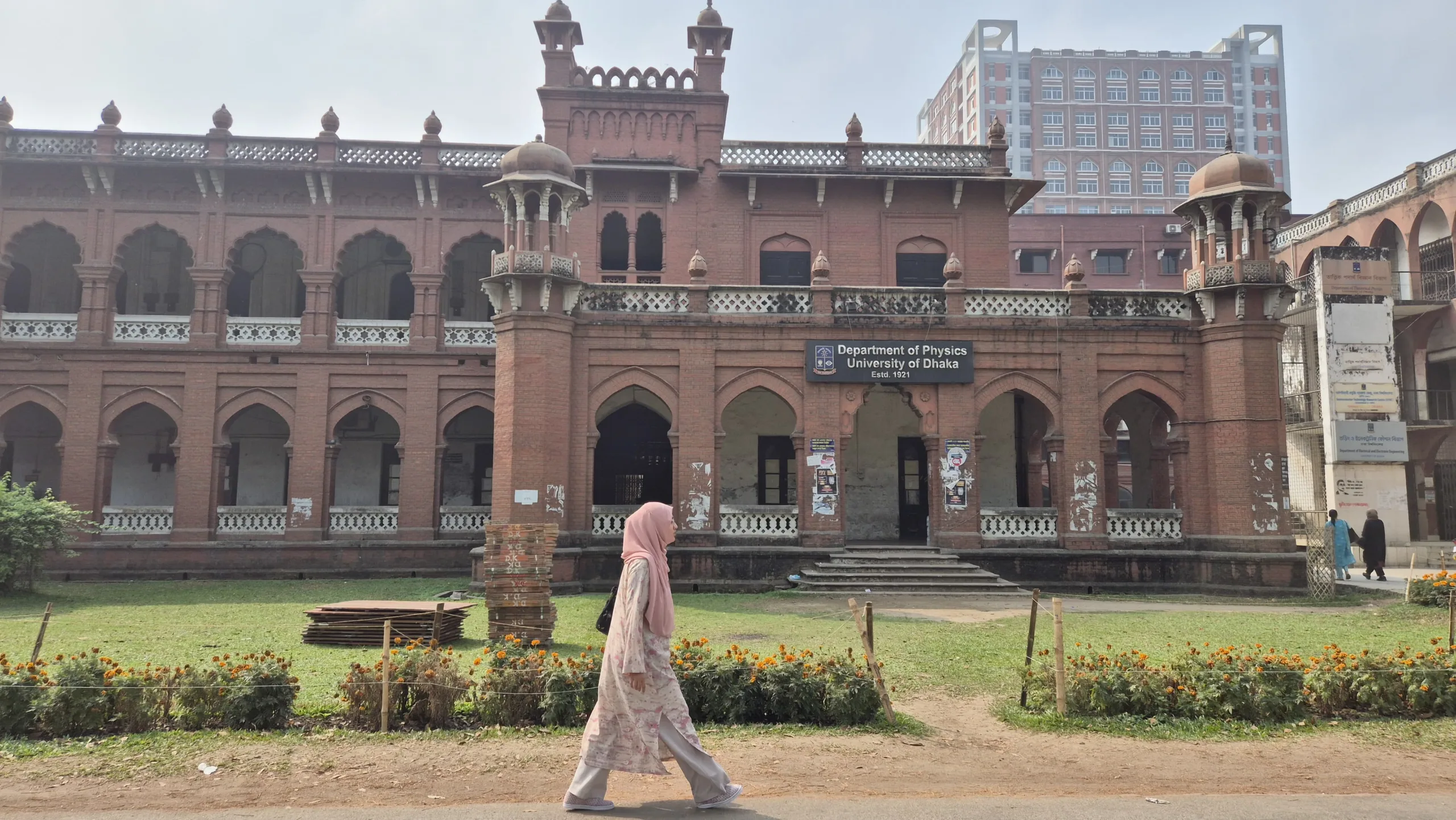
We then continue to Kawran Bazar, one of the city’s most important wholesale trading hubs, where the fast rhythm of daily commerce comes vividly to life. From there, we visit Dhaka University, founded in 1921, whose historic campus and colonial-era buildings reflect the nation’s intellectual and political heritage.
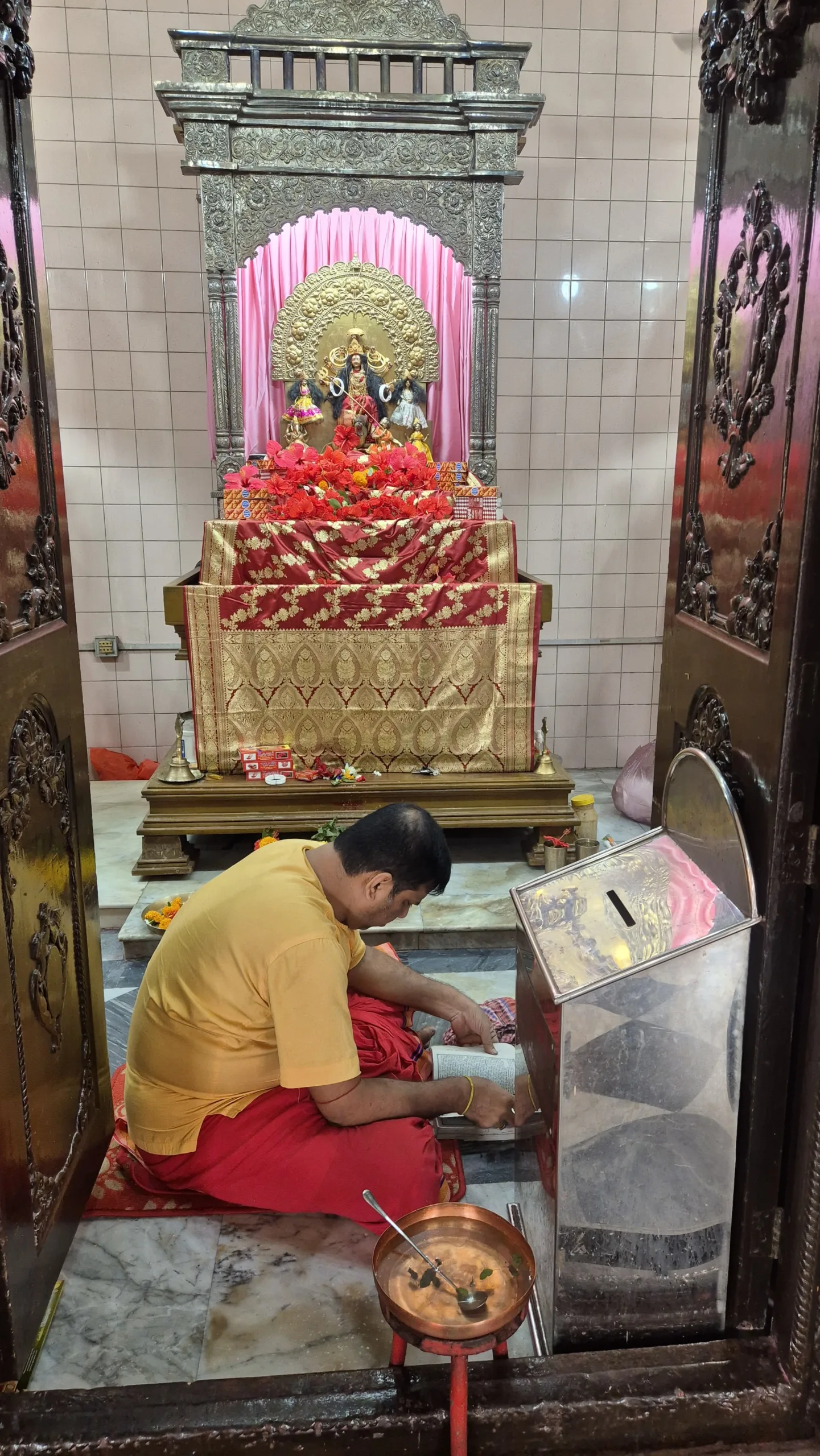
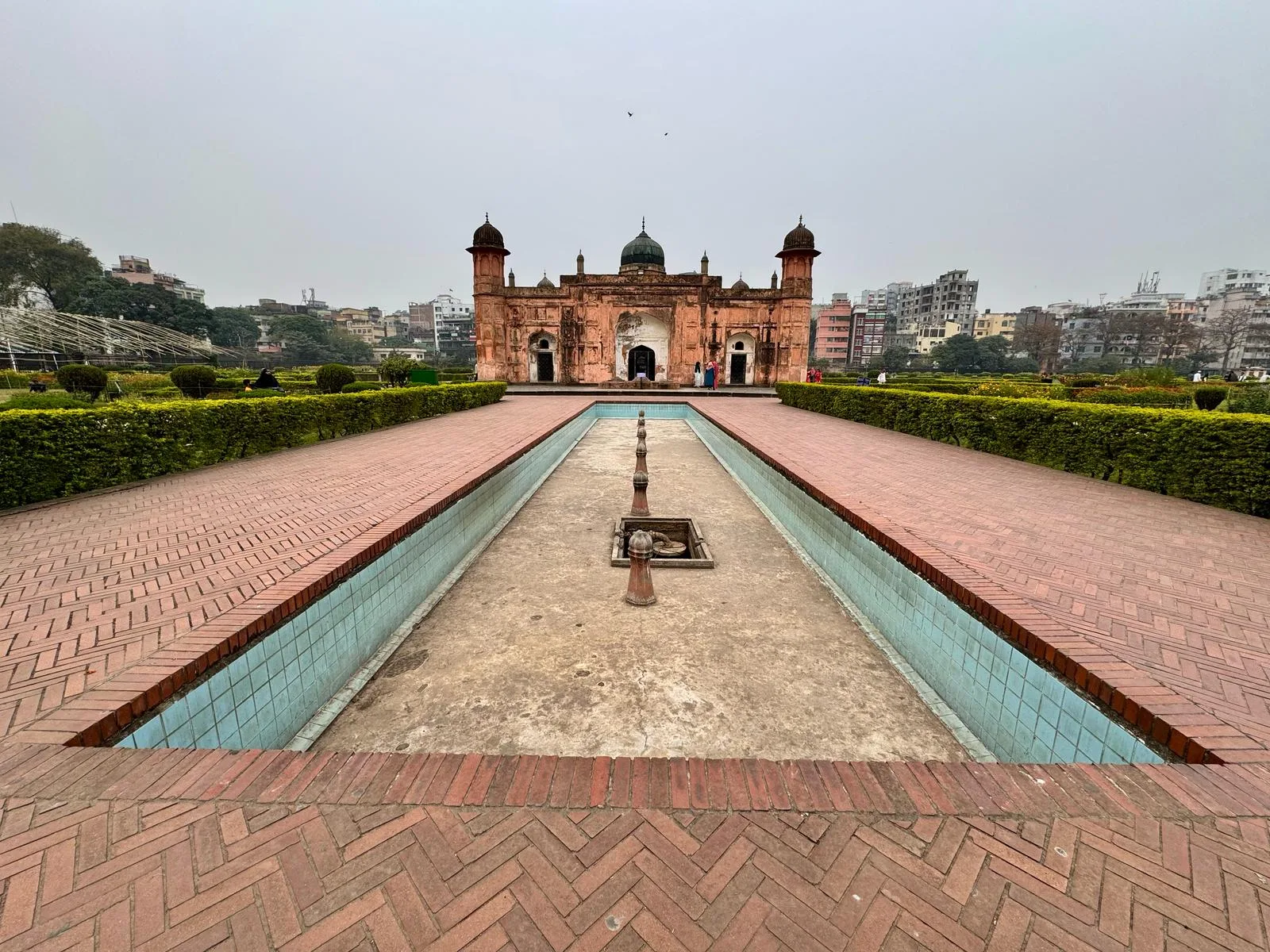
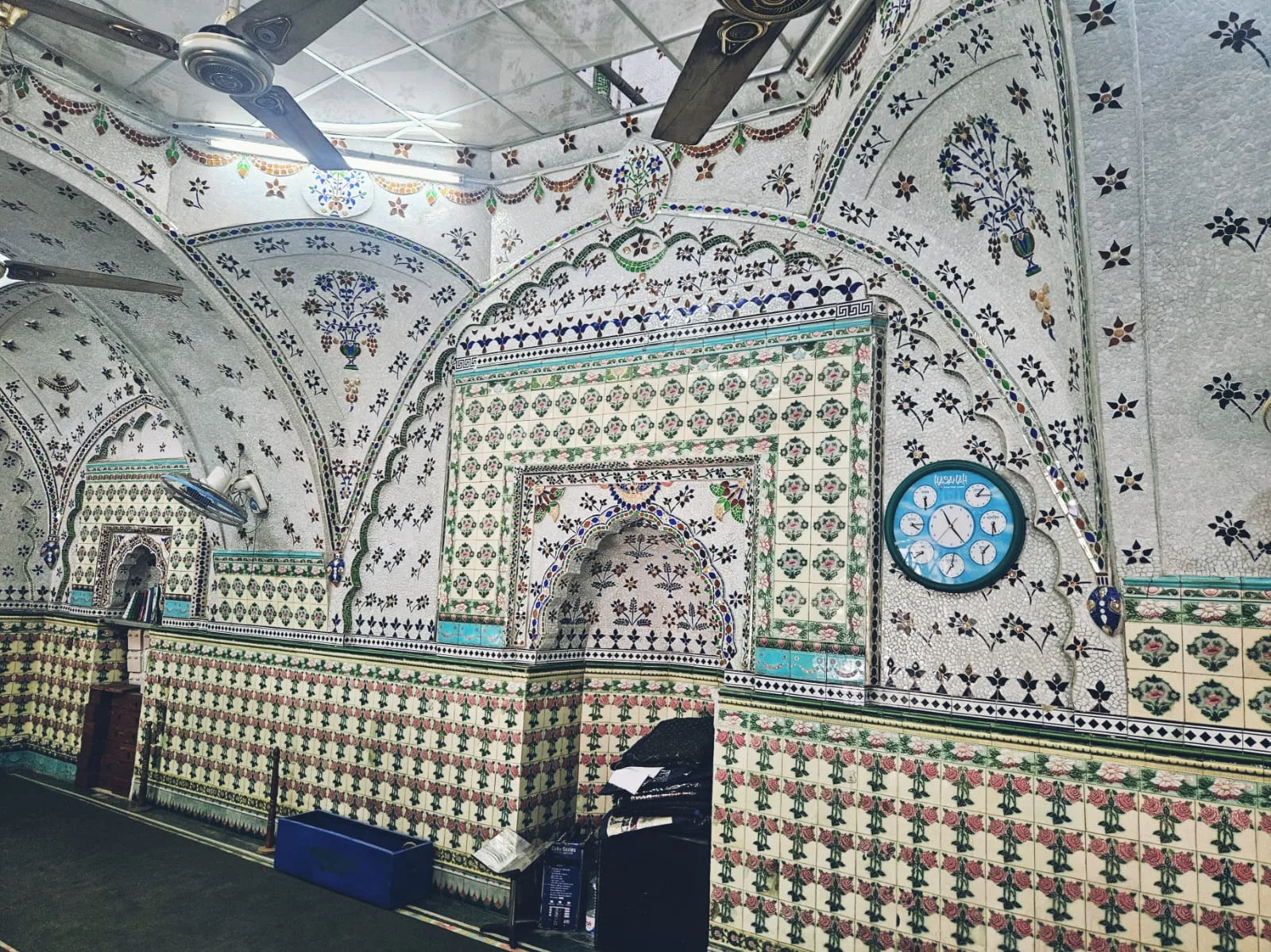
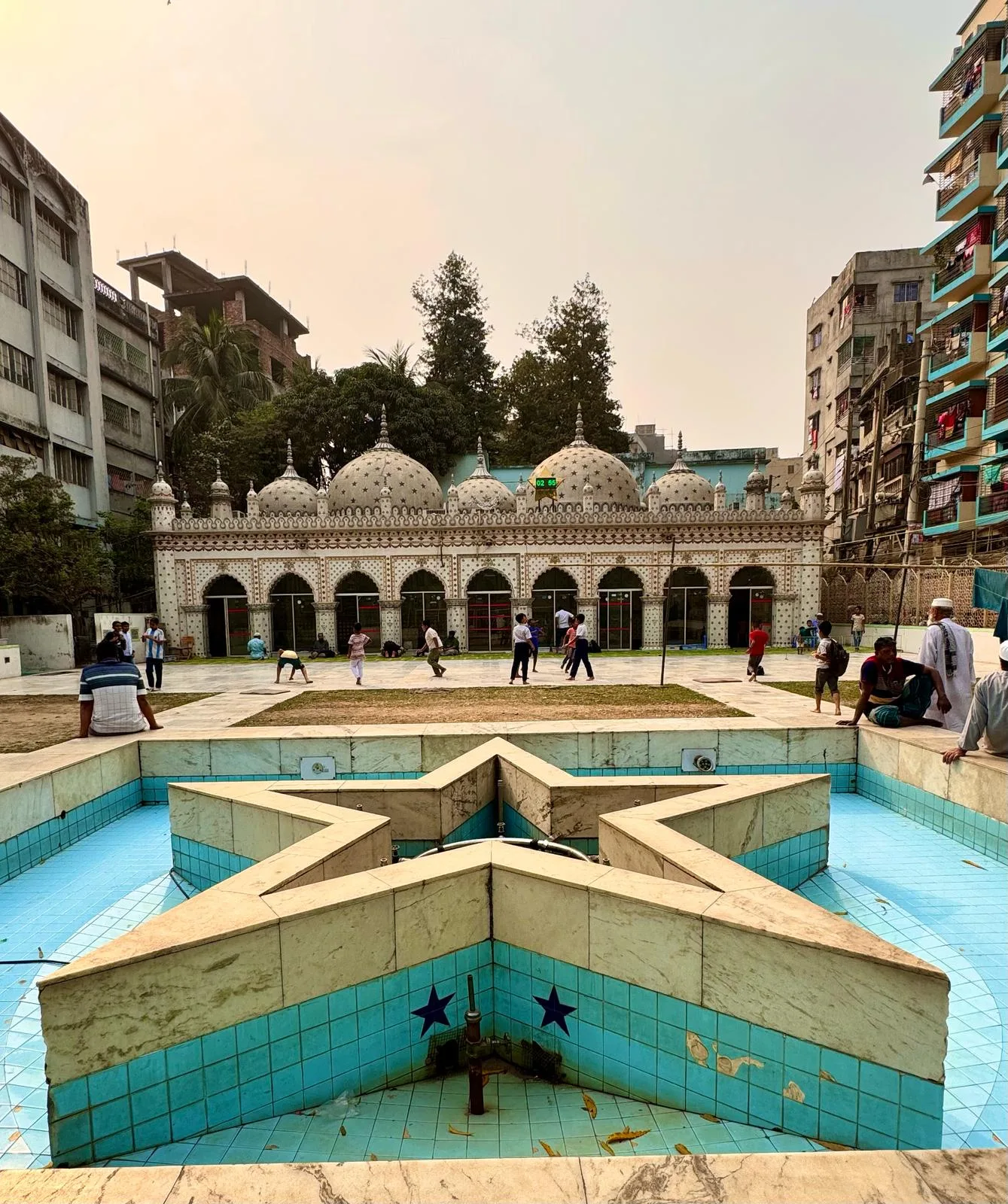
The journey through Old Dhaka continues at Lalbagh Fort, the unfinished Mughal fort complex begun in 1678. With its gardens, mosque, gateways, and layered history, it remains one of the city’s most treasured landmarks. We then visit Dhakeshwari Temple, the National Temple of Bangladesh and one of the most sacred Hindu sites in the country, followed by the beautifully decorated Star Mosque, celebrated for its stunning mosaic work and historic charm.
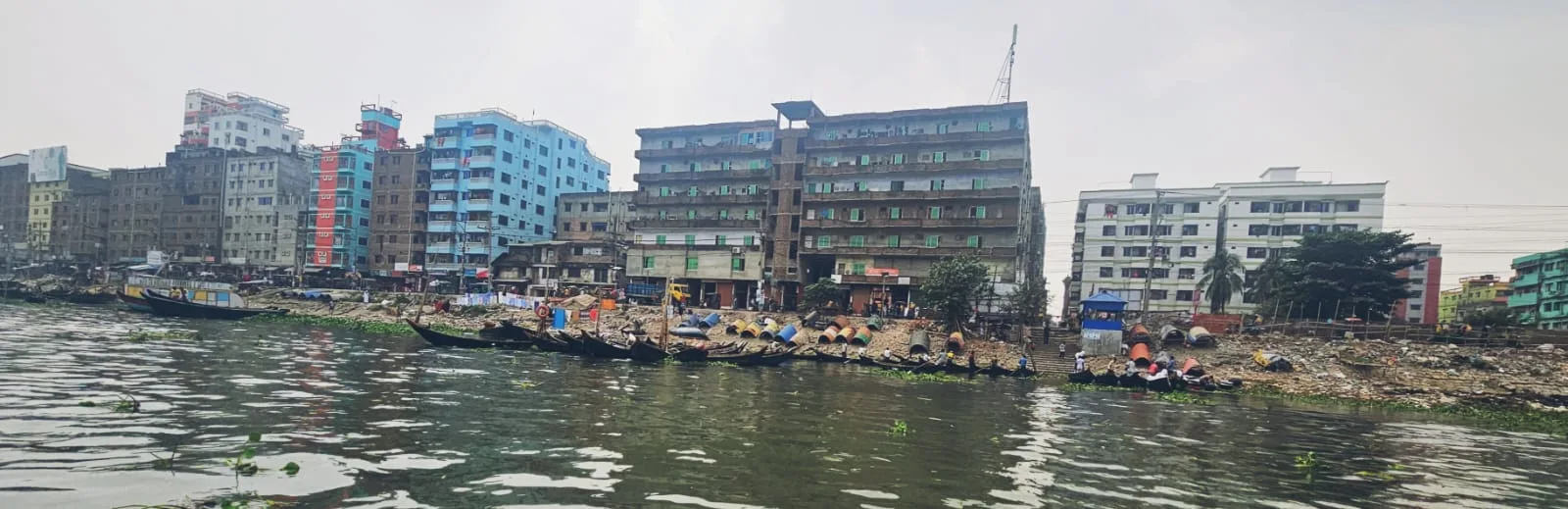
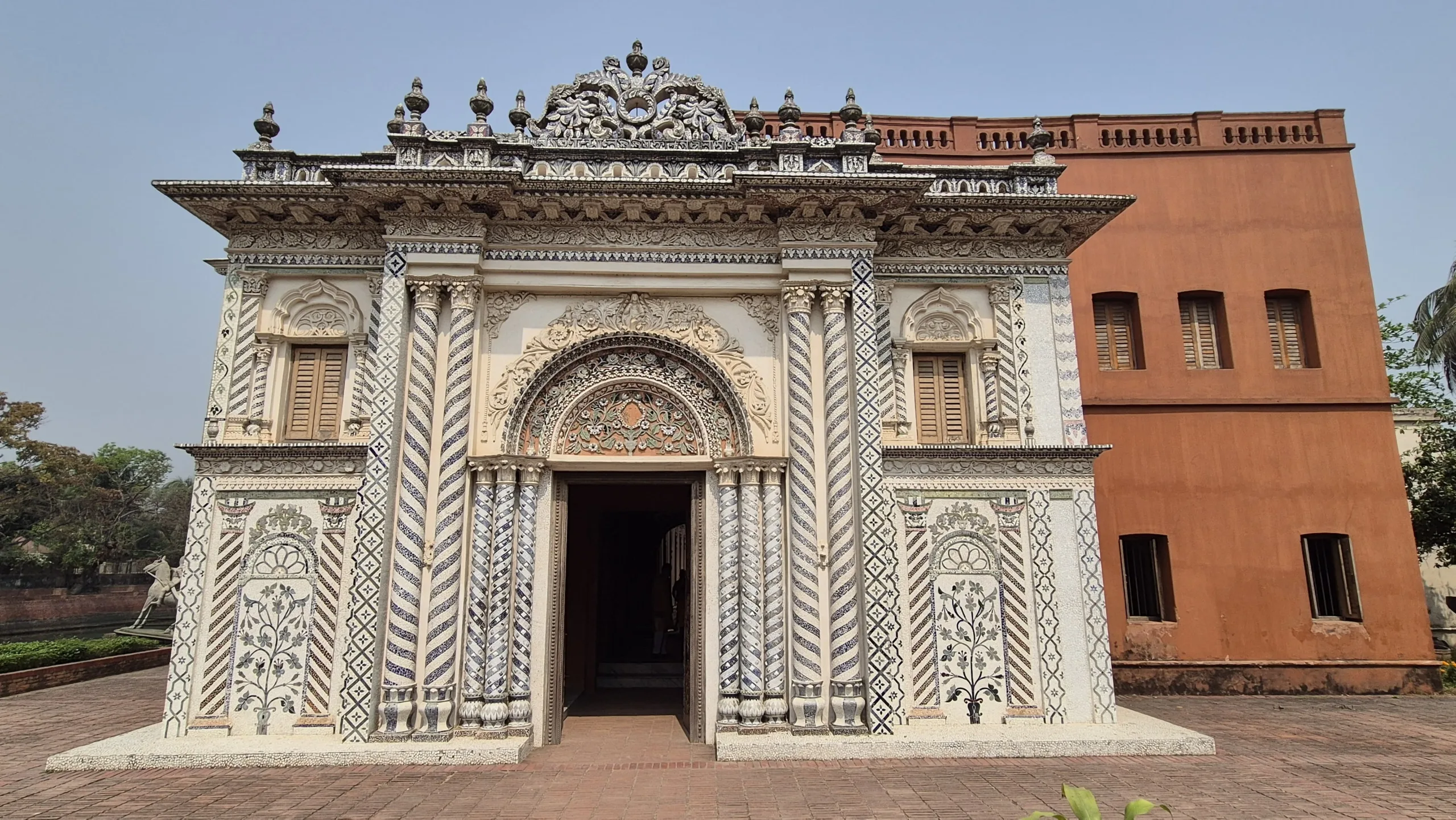
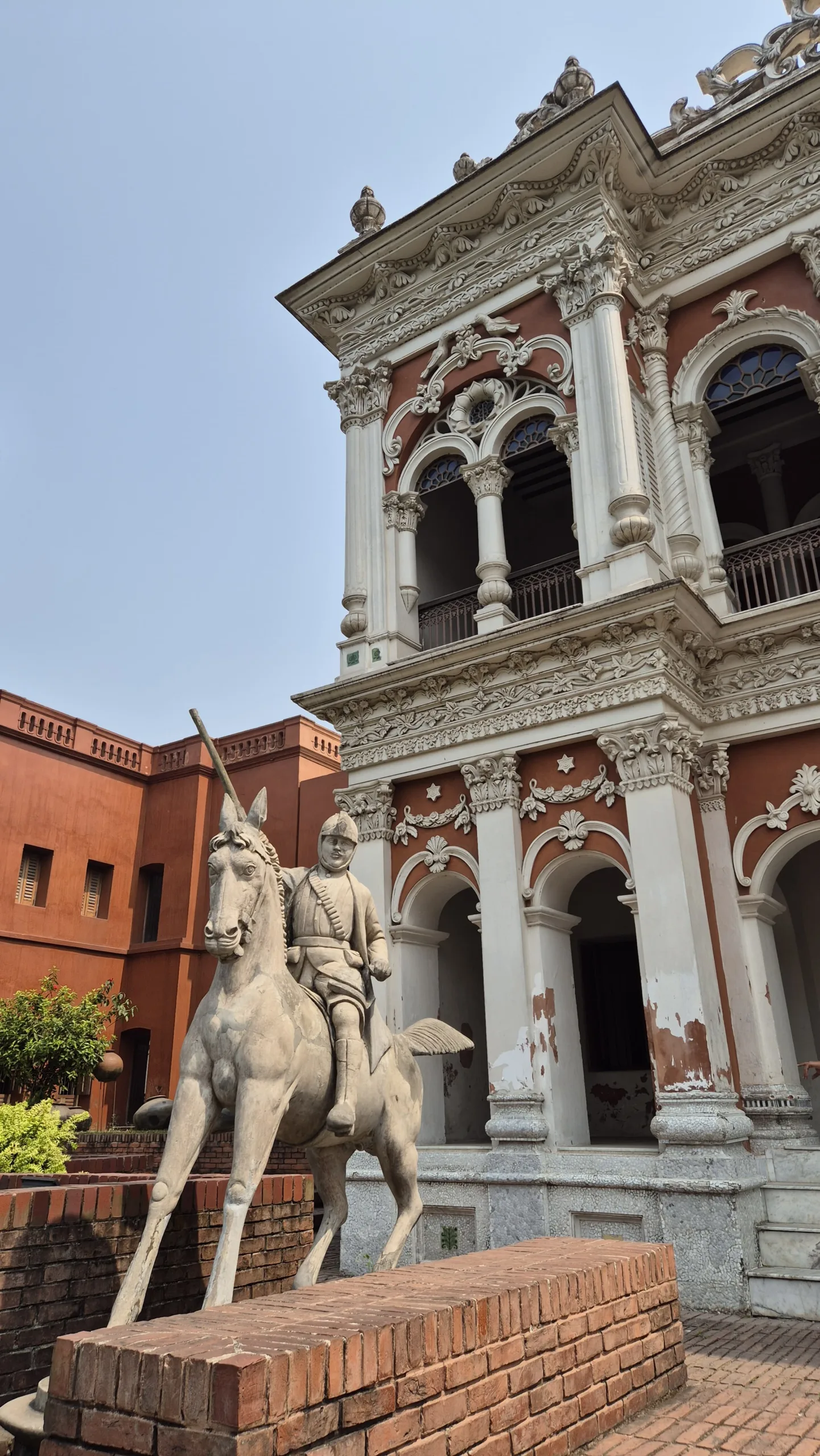
Later, we explore the Armenian Church, a graceful reminder of Dhaka’s multicultural past, before visiting the famous Ahsan Manzil, also known as the Pink Palace, once the residence of the Nawabs of Dhaka. To complete the day, we enjoy the atmosphere of the Buriganga riverfront, including the bustling port and shipyard area, where Dhaka’s river life unfolds in full color.
Overnight stay in Dhaka.
Day 2 – From Dhaka to Bogura: Monuments, Mosques, and Textile Heritage
After breakfast, we depart Dhaka and begin our journey to Bogura, often regarded as the gateway to Bangladesh’s heritage-rich north. Along the way, we stop at the National Martyrs’ Memorial, the country’s most important monument to the heroes of independence and a deeply symbolic national landmark.
We then continue to the beautiful Atia Mosque in Delduar, Tangail. Built in 1609 during the Mughal period, this elegant mosque is admired for its blend of Mughal and Bengali architectural styles, enriched by delicate terracotta ornamentation.
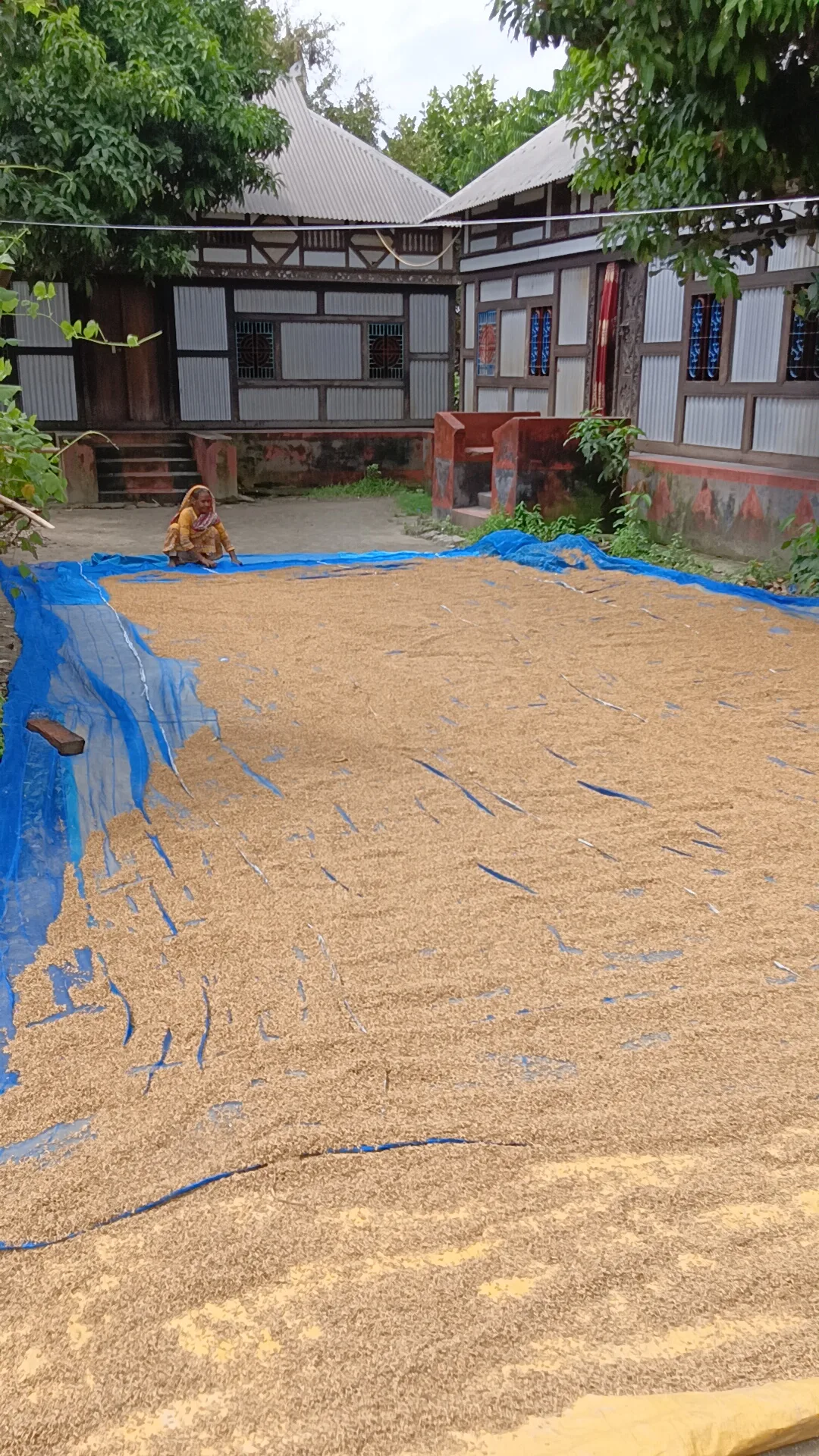
From there, we explore the weaving heritage of Tangail, a region famous throughout Bangladesh for its handloom textiles. A visit to the local weaving village offers a closer look at the craftsmanship that has made Tangail an important center of textile tradition.
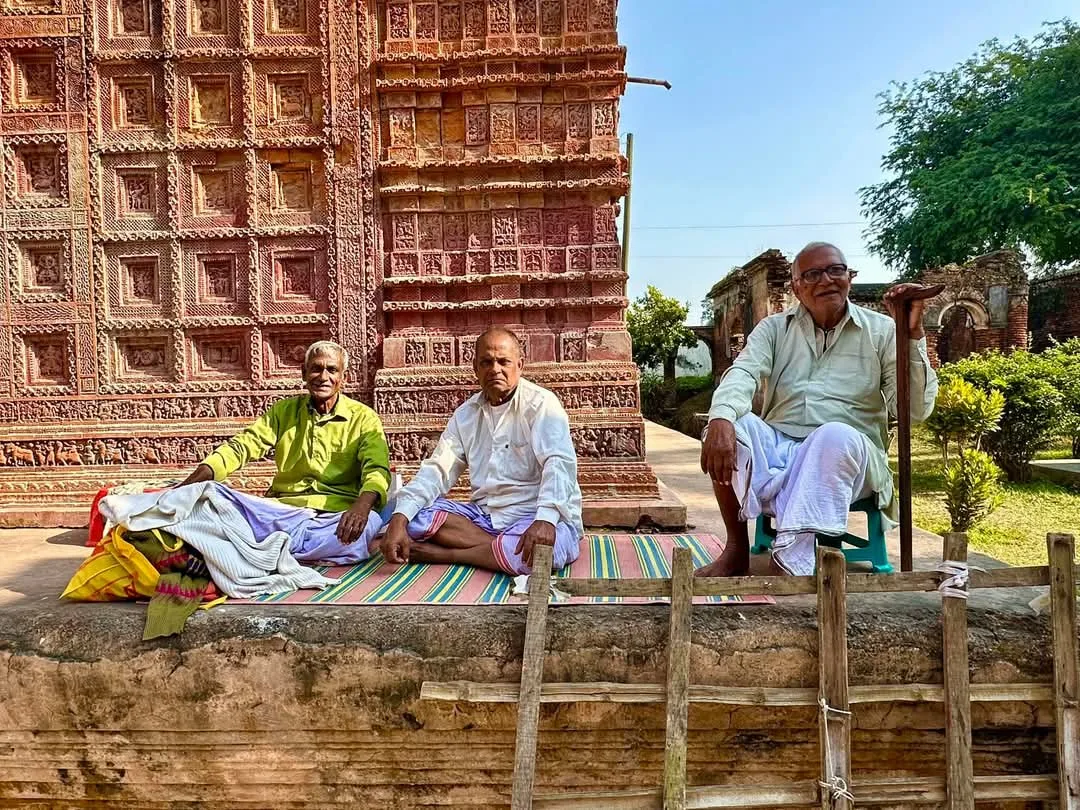
After lunch, we continue to the remarkable Noborotno Temple, locally known as Dol Moncho, in Hatikumrul, Sirajganj. This impressive terracotta temple, built in the 18th century, is one of the most distinctive historical temple structures in Bangladesh and is celebrated for its ornate decoration and Navaratna design.
By evening, we arrive in Bogura.
Overnight stay in Bogura.
Day 3 – Ancient Civilizations and Buddhist Heritage
Today’s journey reveals some of the most important archaeological and spiritual sites in Bangladesh. We begin at Mahasthangarh, the country’s oldest archaeological site, dating back to at least the 3rd century BCE. Once the ancient city of Pundranagara, it offers a fascinating glimpse into one of the earliest urban civilizations in the region.
We then visit Gokul Medh, an important archaeological mound associated with early Buddhist and Hindu influences. The site adds another layer to Bogura’s rich ancient history.
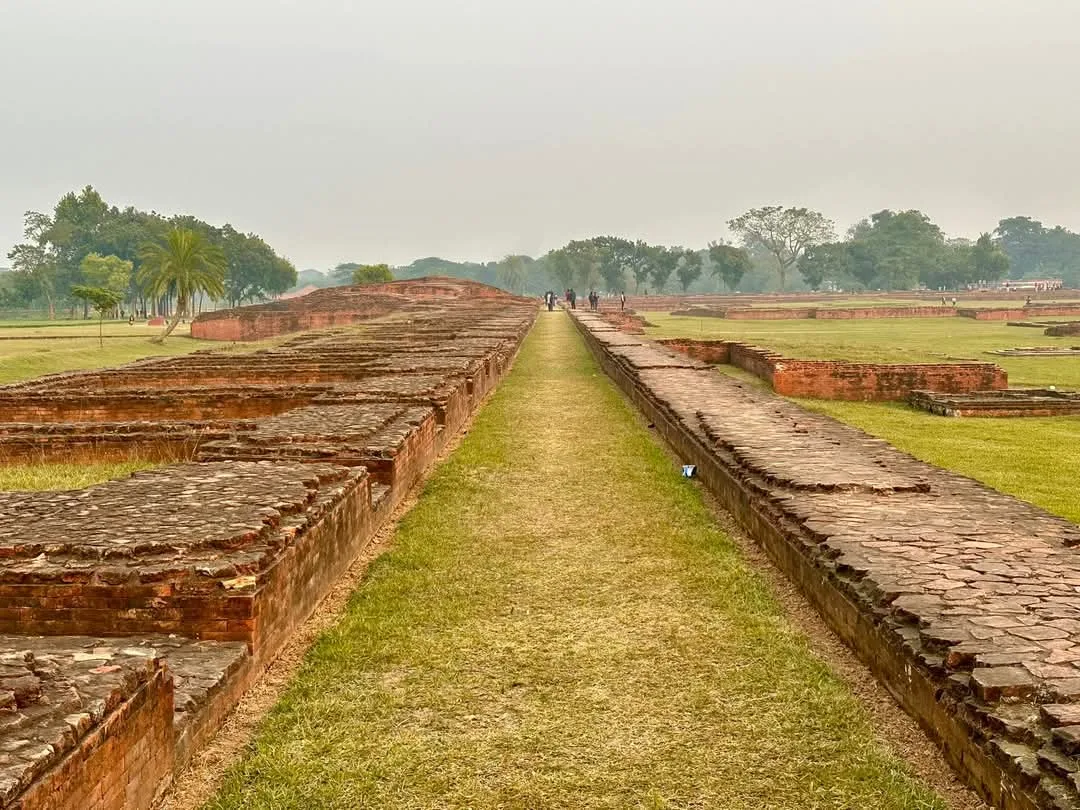
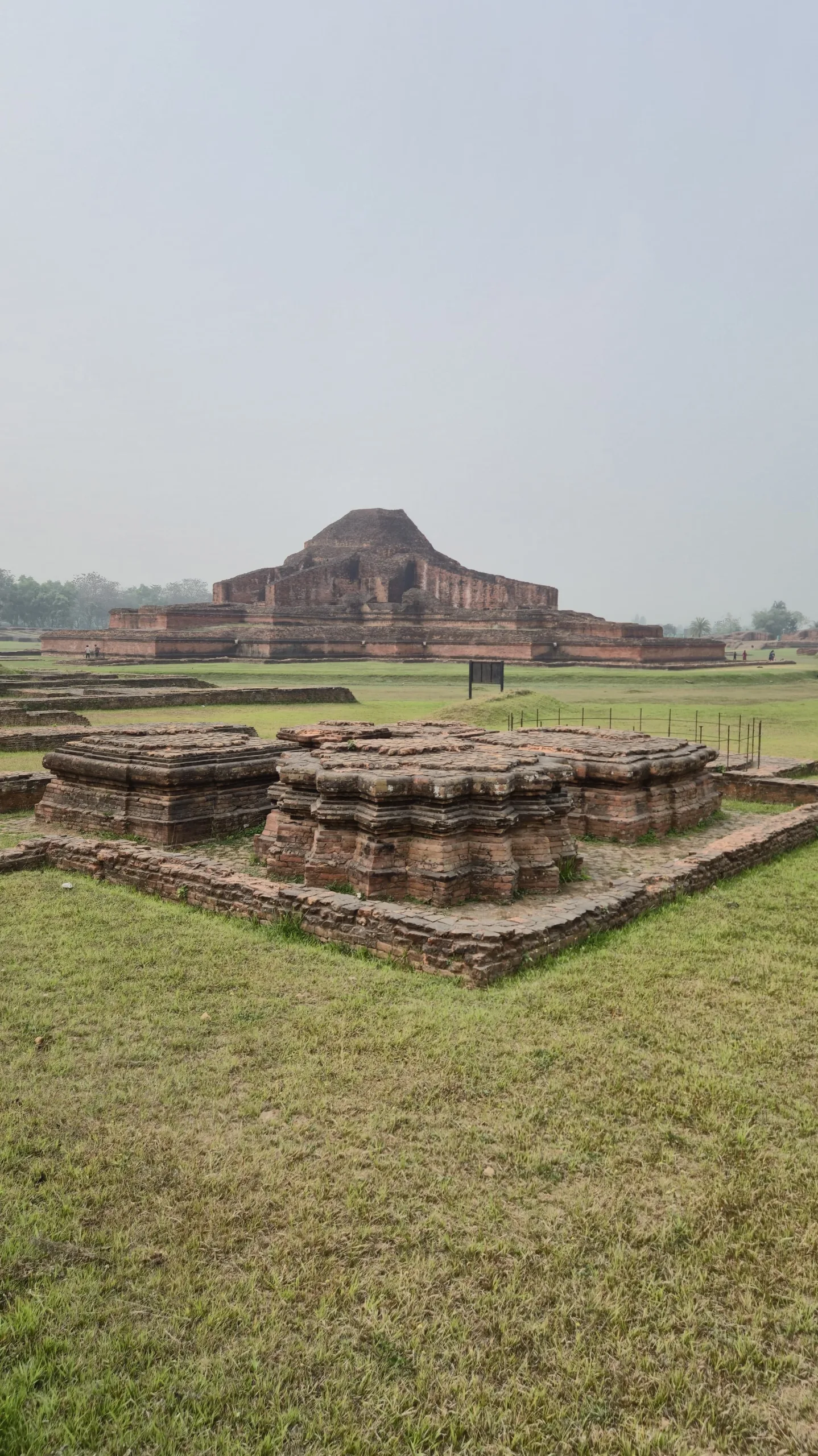
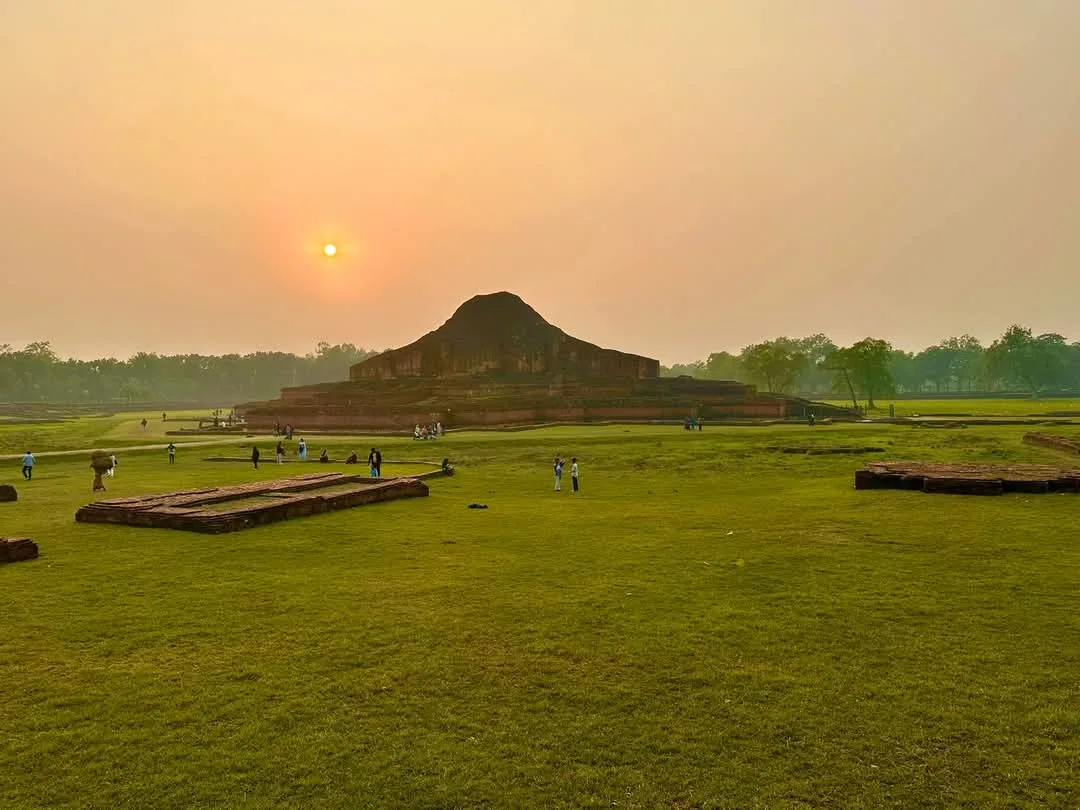
From there, we continue to Paharpur, home to Sompur Mahavihara, one of the greatest archaeological treasures in South Asia and a UNESCO World Heritage Site. Built in the 8th century during the Pala dynasty, this vast Buddhist monastery was once a major center of learning, religion, and culture.
After lunch, we visit the elegant Kusumba Mosque, often called the “Black Gem of Bengal.” Built in 1558–59, this refined stone mosque is one of the finest surviving examples of Sultanate-era architecture in Bangladesh.
Overnight stay in Rajshahi.
Day 4 – Puthia Temples, Museum Heritage, and the Padma River
Today is a more relaxed day focused on the rich architectural and cultural treasures around Rajshahi. We begin with an excursion to Puthia, often called the temple capital of Bangladesh, where palaces, ponds, and ornate temples create one of the country’s most captivating heritage landscapes.
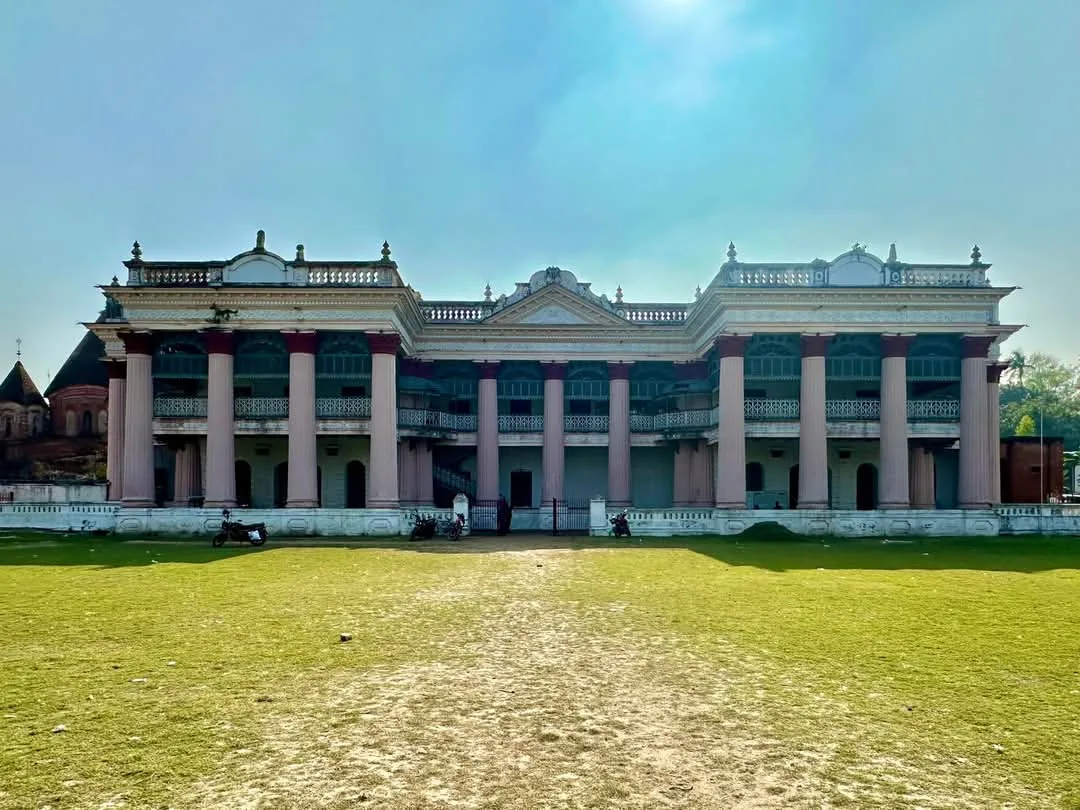
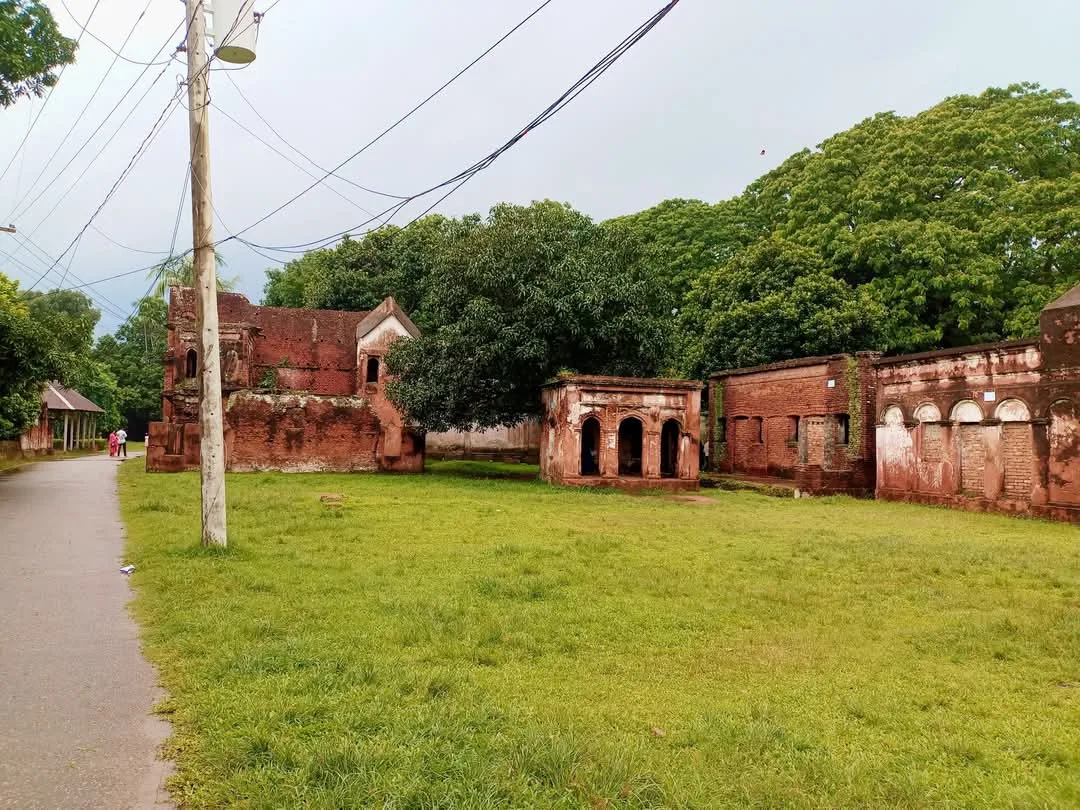
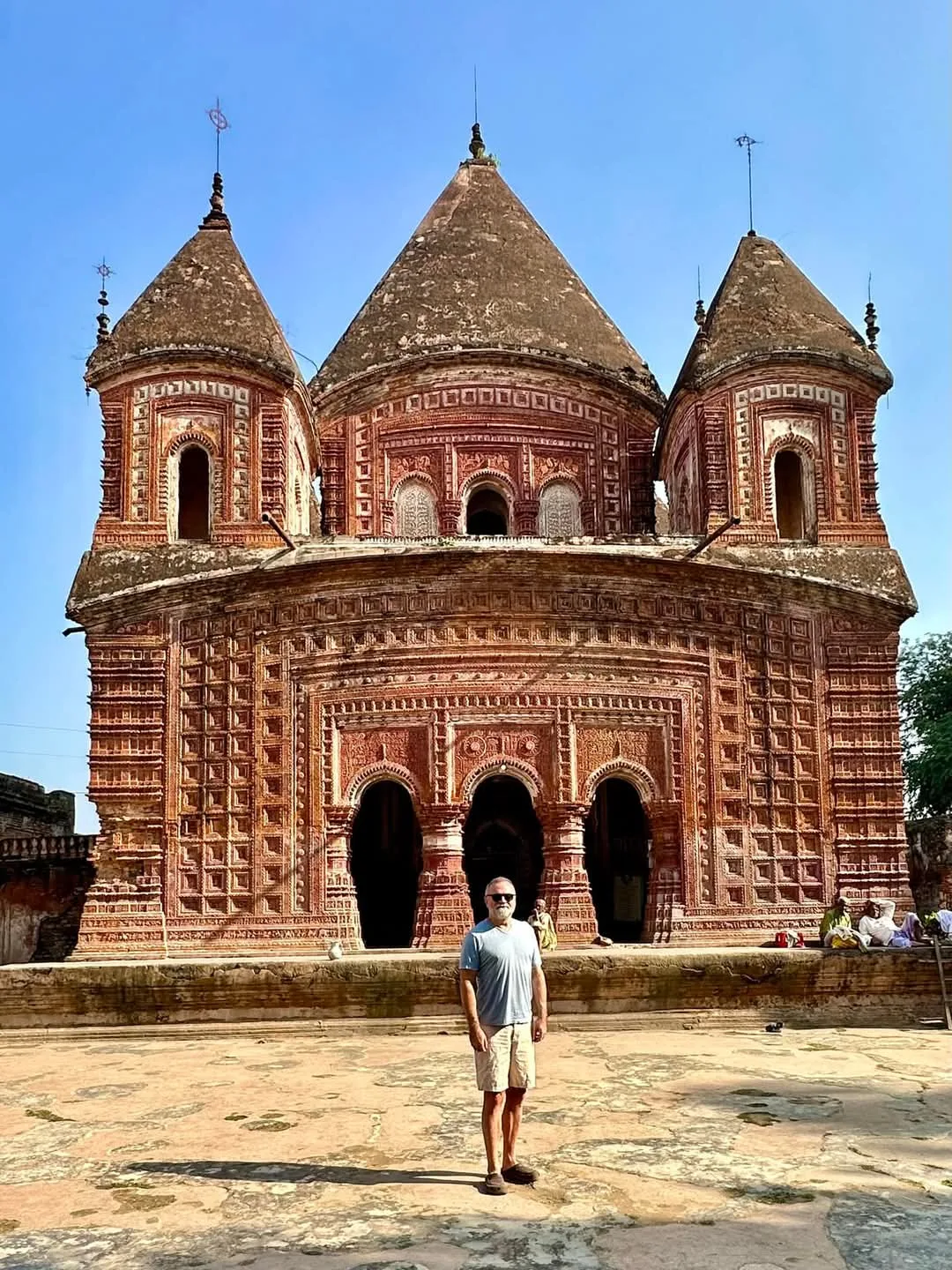
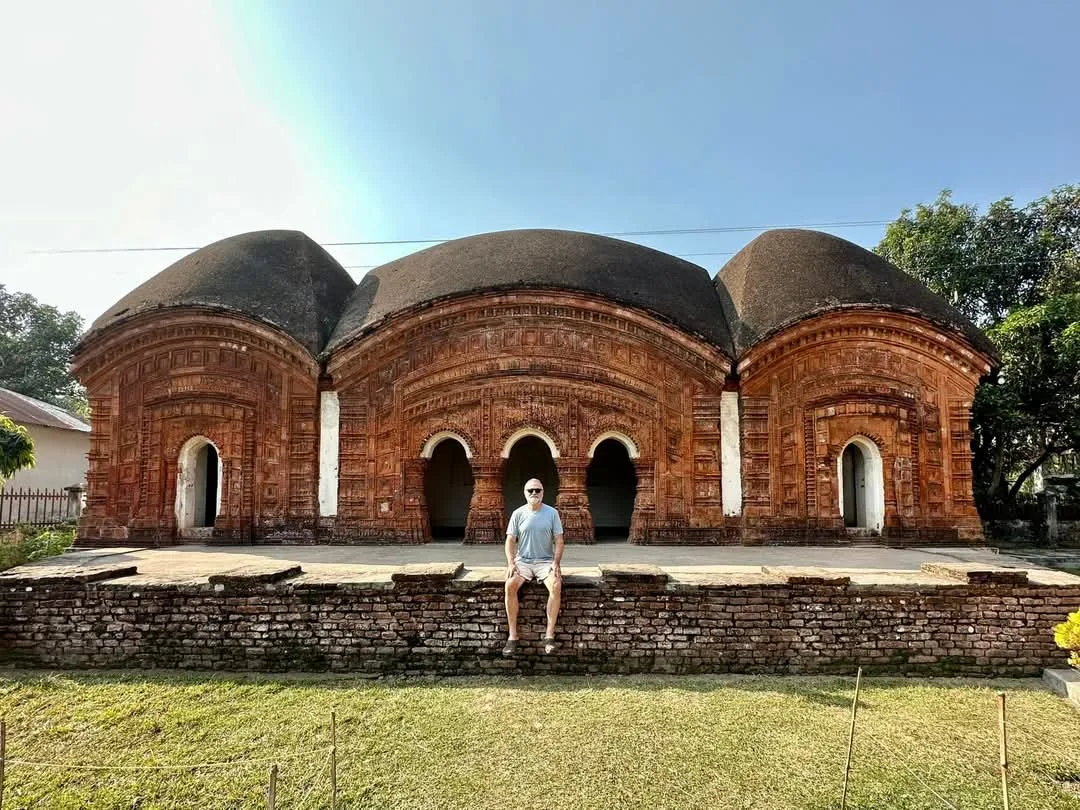
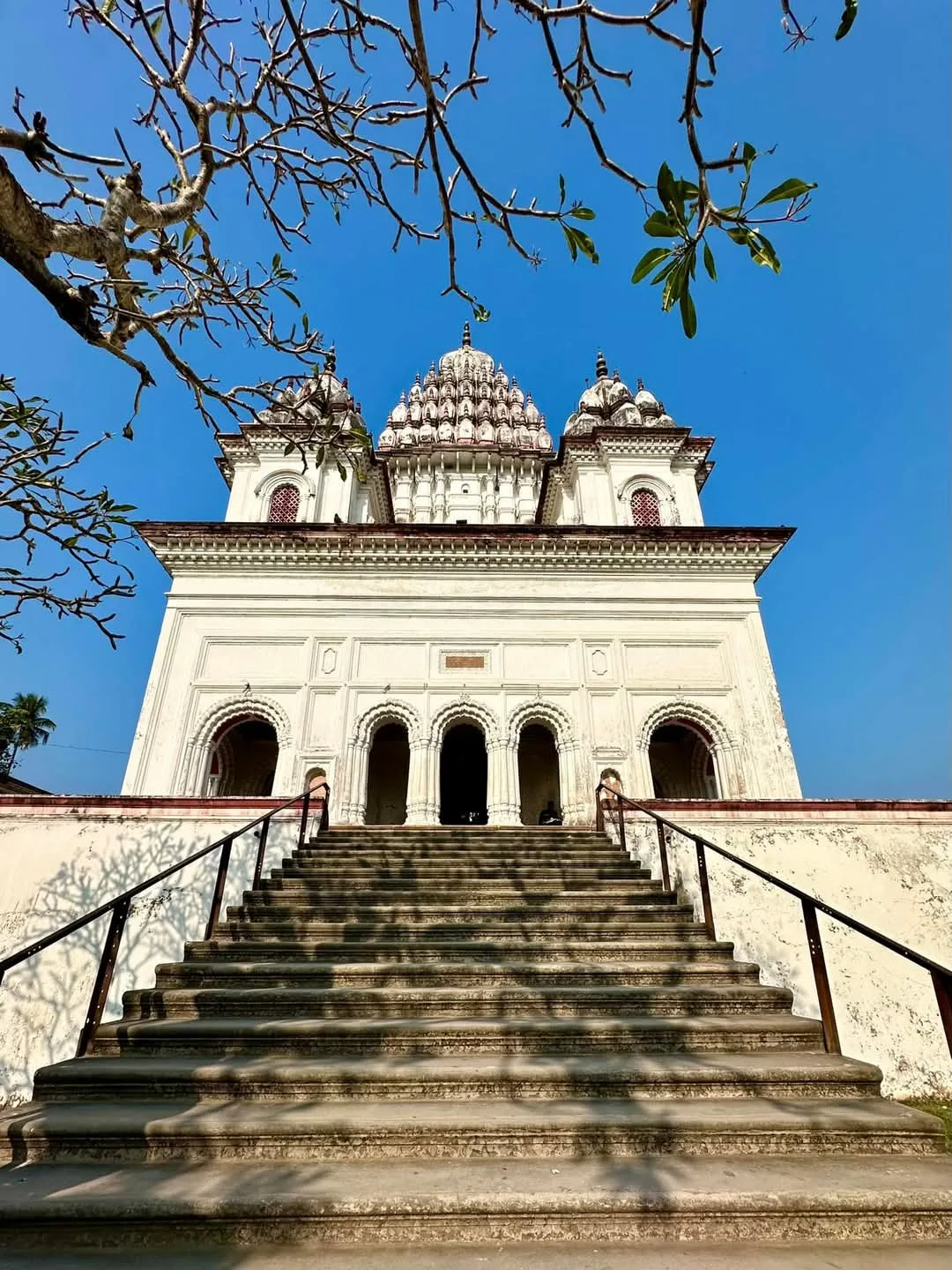
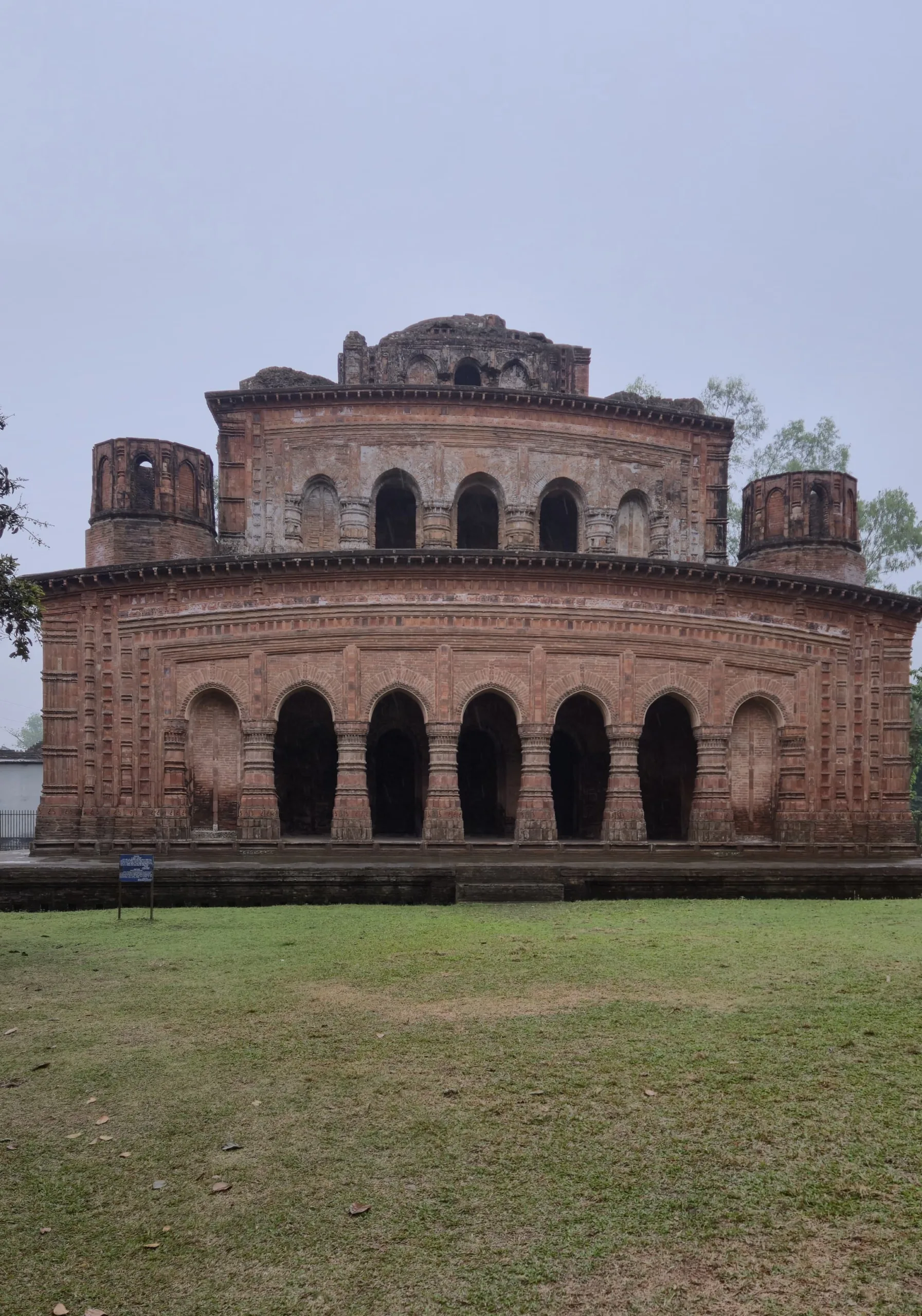
Here, we explore the majestic Large Shiva Temple, the largest Shiva temple in Bangladesh, followed by the elegant Boro Govinda Temple, admired for its terracotta decoration and refined architectural beauty. We also visit Chhoto Ahnik Temple, Chhoto Govinda Temple, Puthia Rajbari, and Dol Temple, each contributing to the complex’s unique sacred atmosphere.
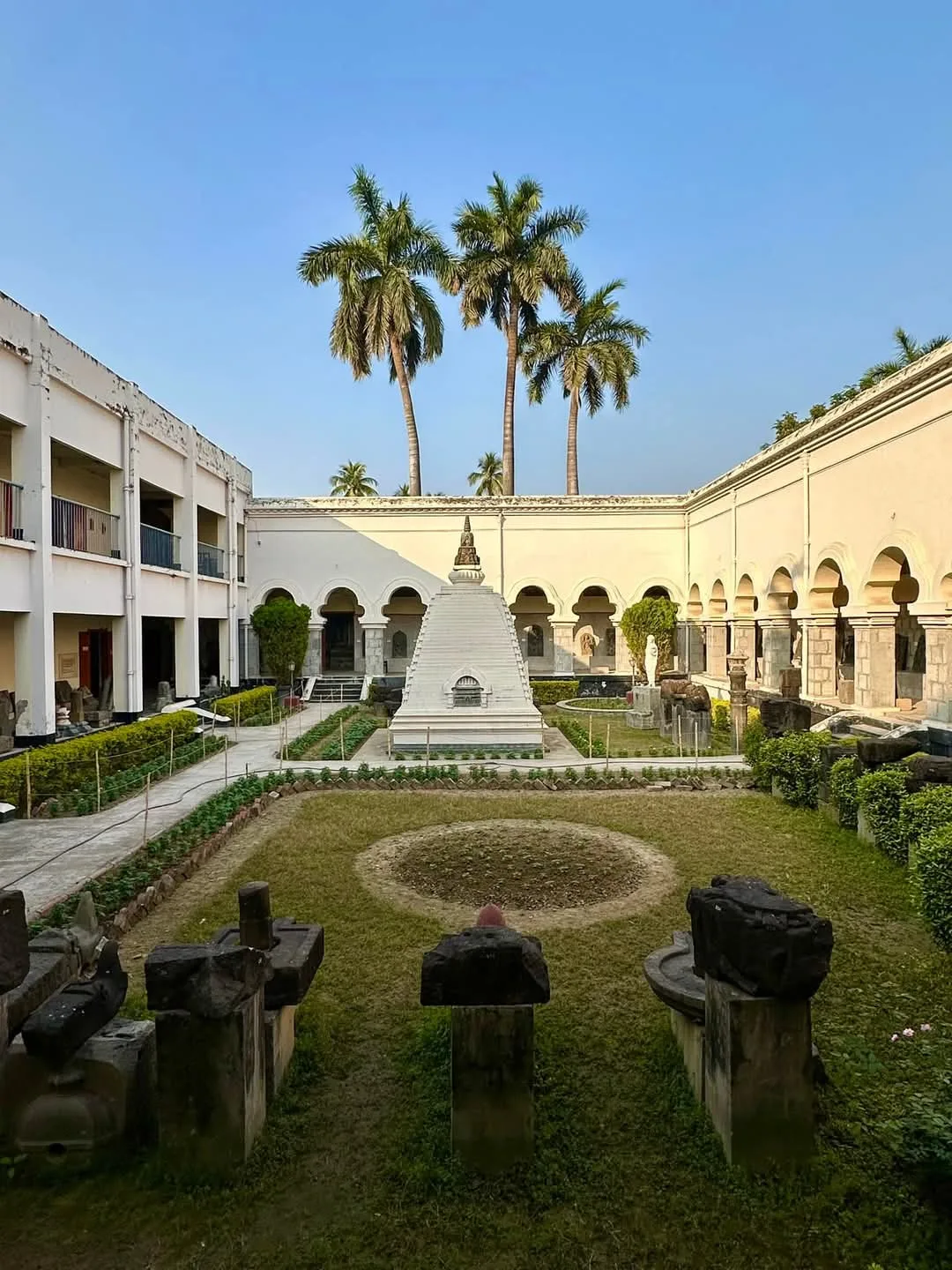
Returning to Rajshahi, we visit the Varendra Research Museum, one of the oldest museums in Bangladesh. Established in 1910, it houses an impressive collection of sculptures, inscriptions, and relics from Buddhist, Hindu, and Muslim heritage across the region.
By evening, we unwind on the banks of the Padma River, one of Bangladesh’s most iconic rivers, known for its broad waters, scenic beauty, and peaceful atmosphere.
Overnight stay in Rajshahi.
Day 5 – From Rajshahi to Khulna: Mosques, Mysticism, and Living Traditions
Today, we travel toward Khulna, with a culturally rich route through Kushtia and Jashore. Our first major stop is the historic Bagha Mosque, an important Sultanate-era structure built in the early 16th century and admired for its terracotta ornamentation and historical significance.
We then continue to Lalon Akhra, the spiritual center associated with the legendary mystic poet Lalon Shah. This peaceful and meaningful site offers insight into Bengali folk philosophy, Baul traditions, and the spiritual heritage of rural Bangladesh.
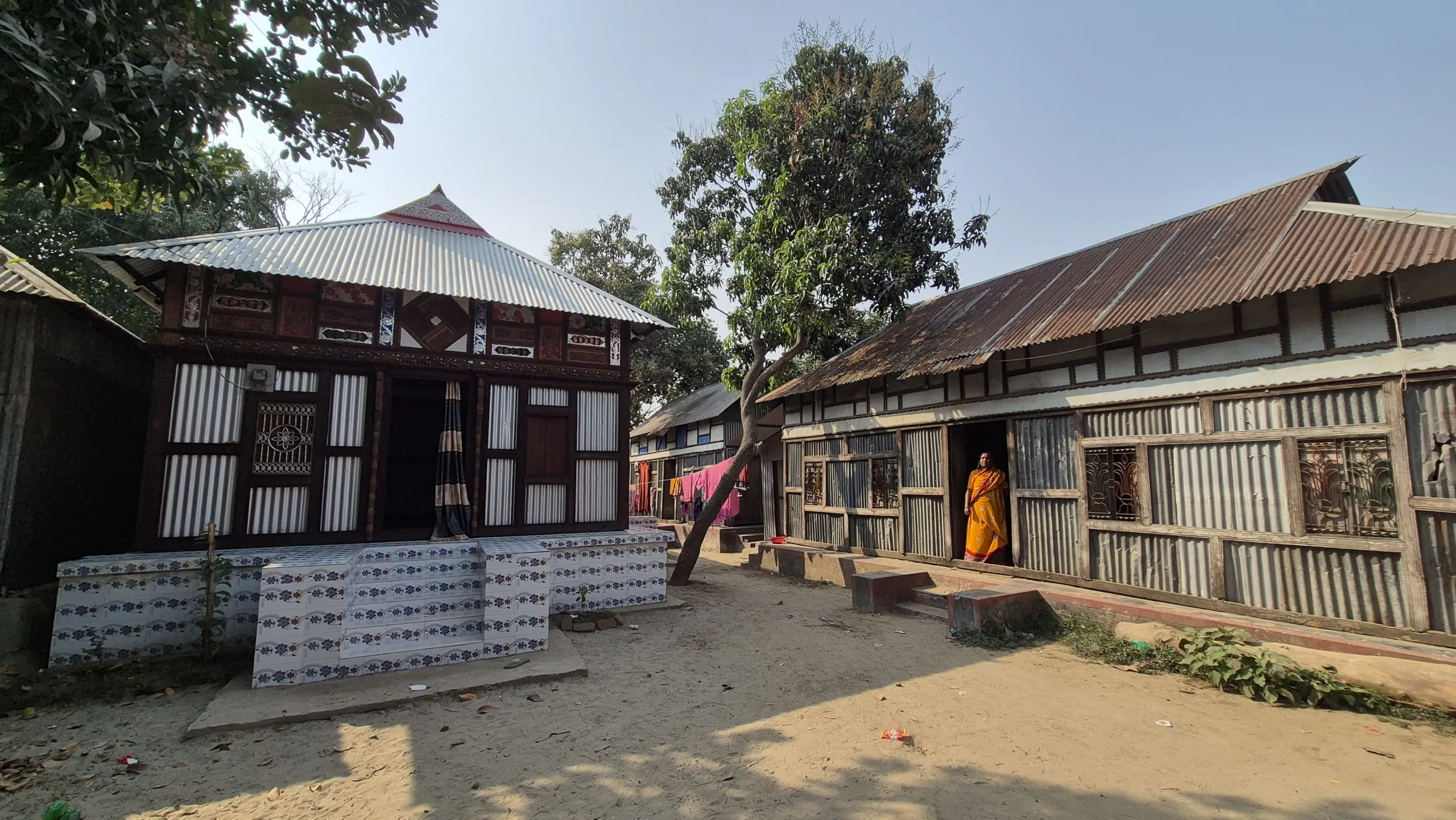
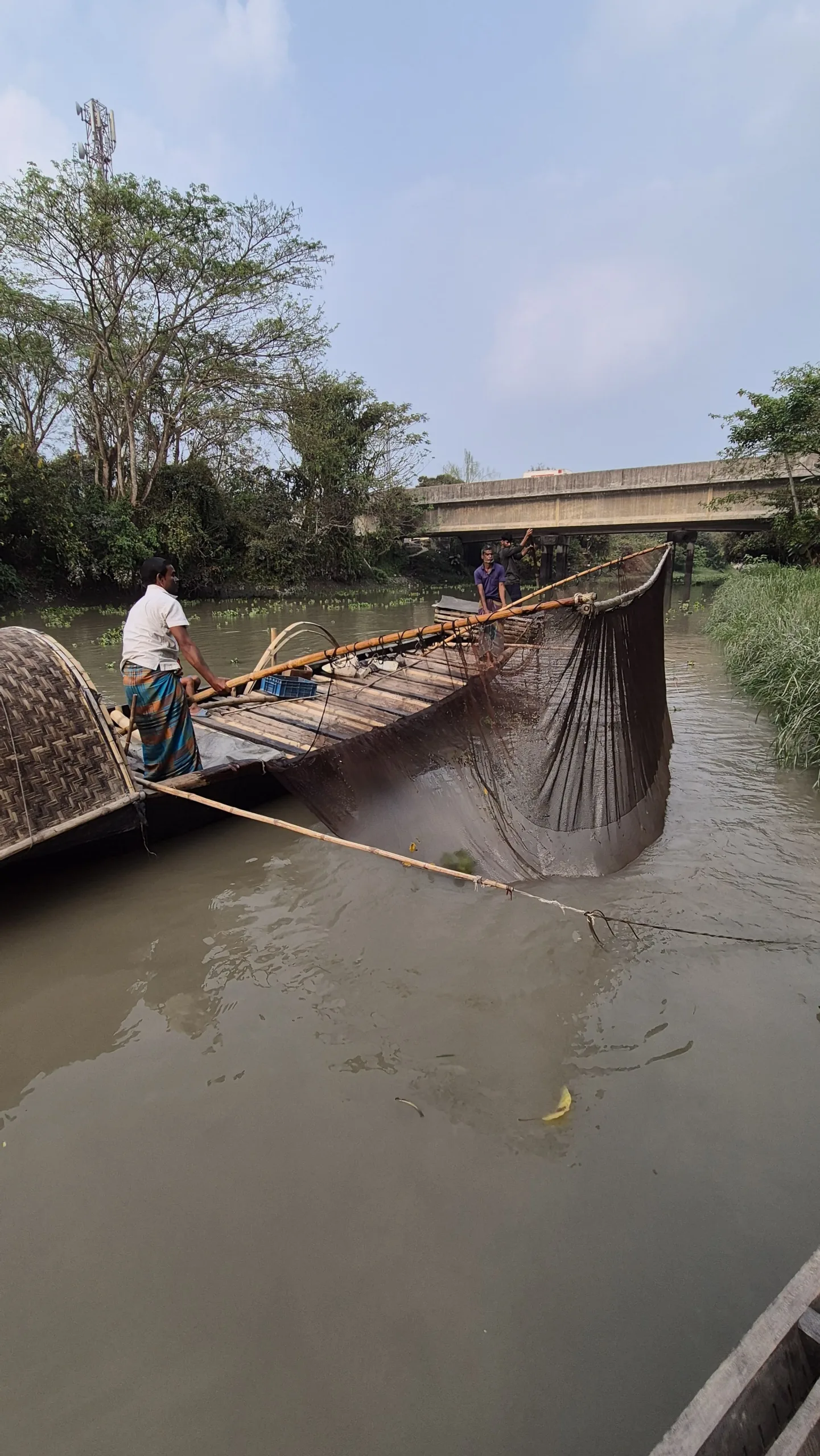
Later, we experience one of Bangladesh’s most unusual living traditions: otter fishing. Practiced by only a small number of families, this rare method uses trained otters to help fishermen drive fish into their nets, preserving a centuries-old relationship between people, animals, and river life.
Overnight stay in Khulna.
Day 6 – Sundarbans Edge and the Heritage of Bagerhat
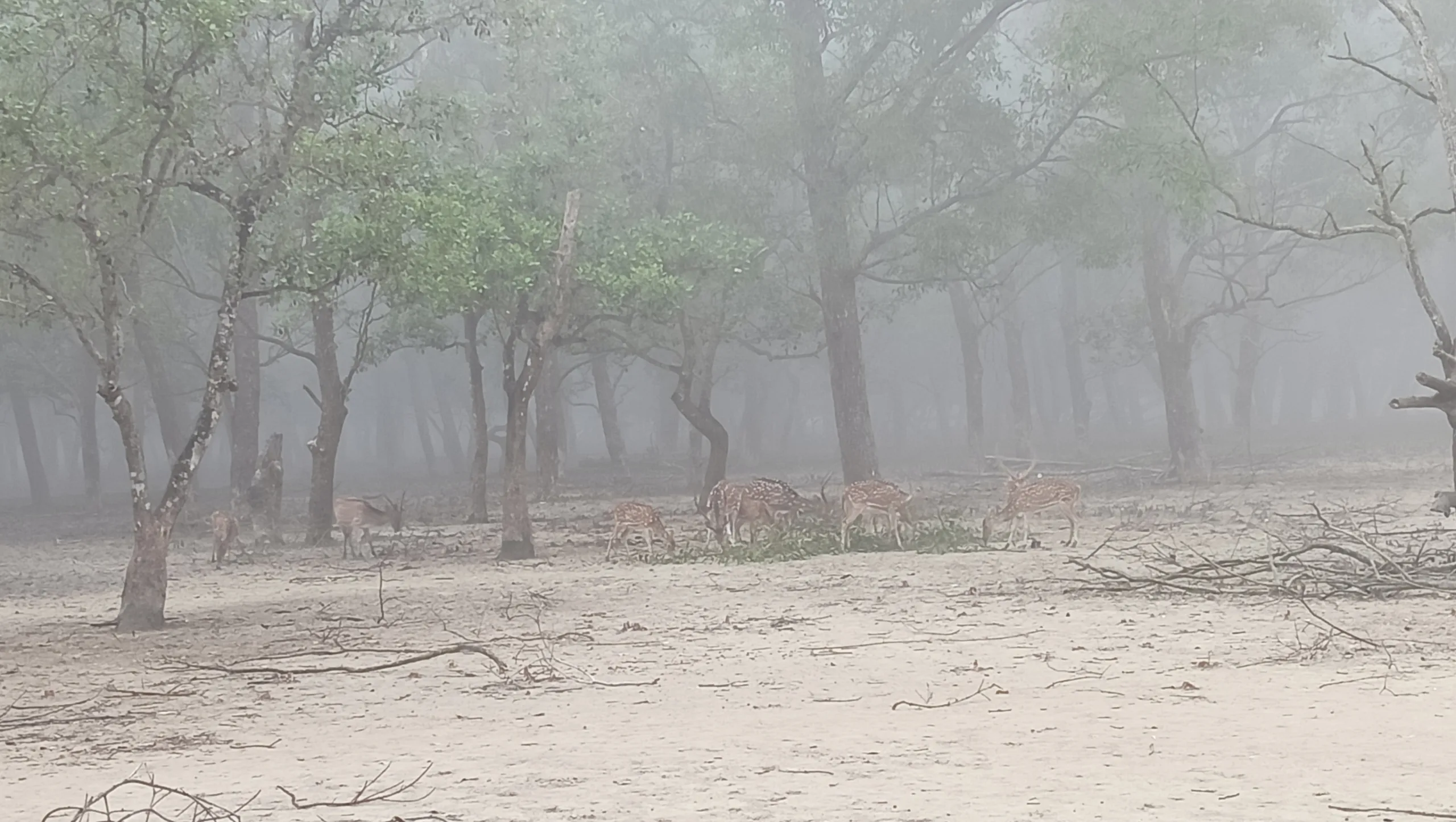
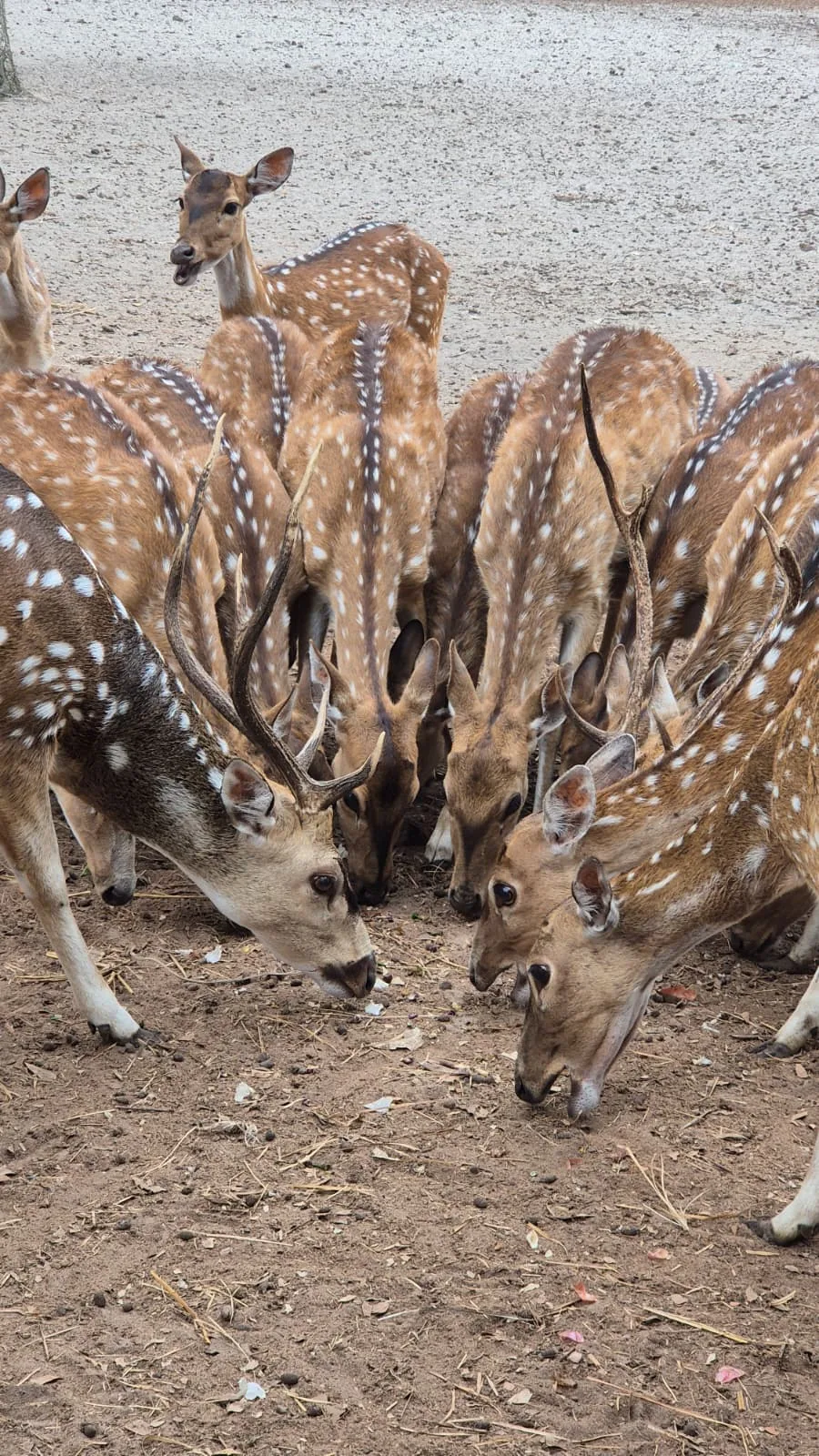
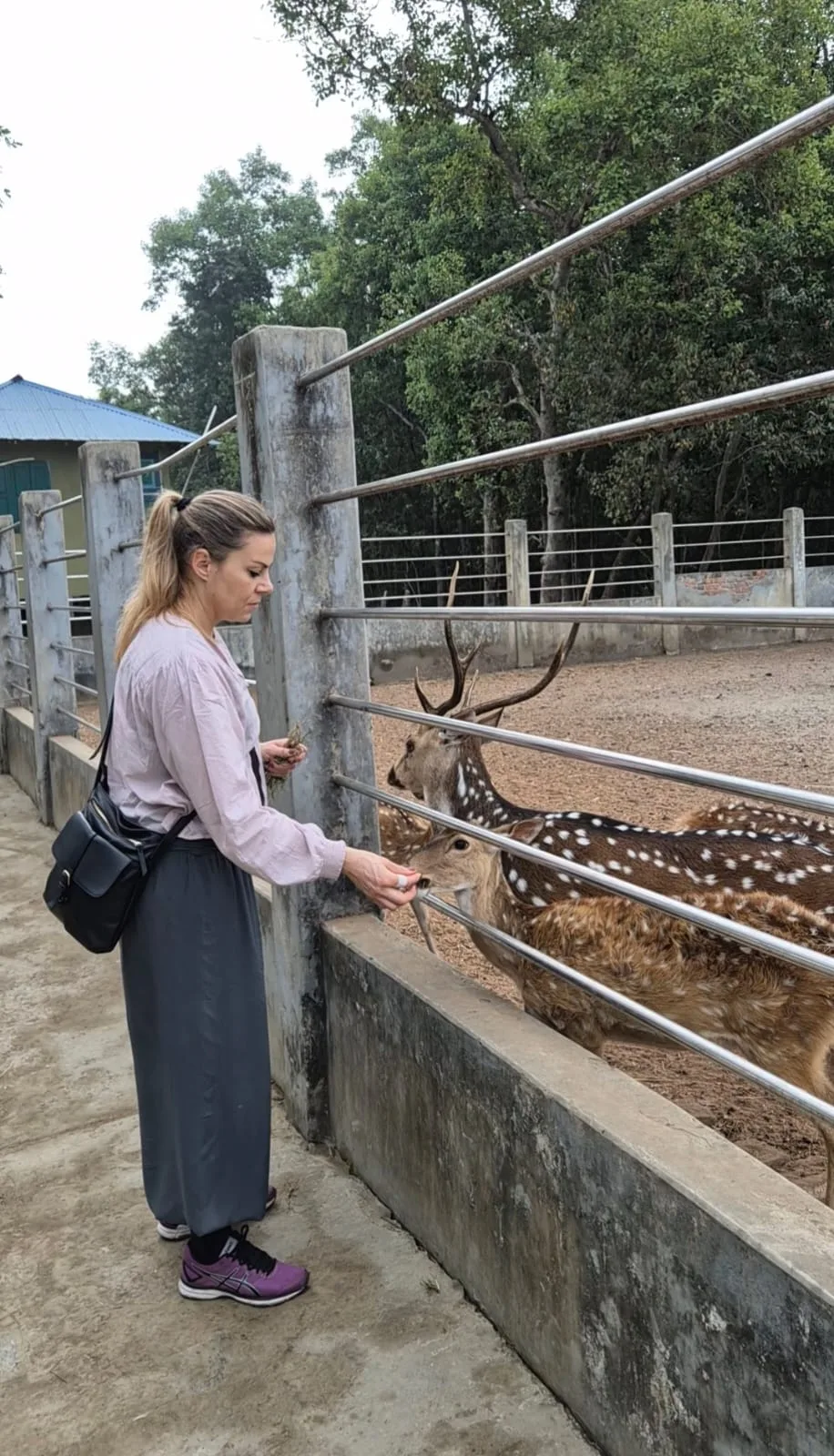
The day begins with a visit to Karamjol, one of the most accessible gateways to the Sundarbans, the largest mangrove forest on Earth. Known for its wildlife center and crocodile breeding facilities, Karamjol offers a gentle introduction to the mangrove ecosystem, with opportunities to observe deer, monkeys, and the quiet beauty of the forest waterways.
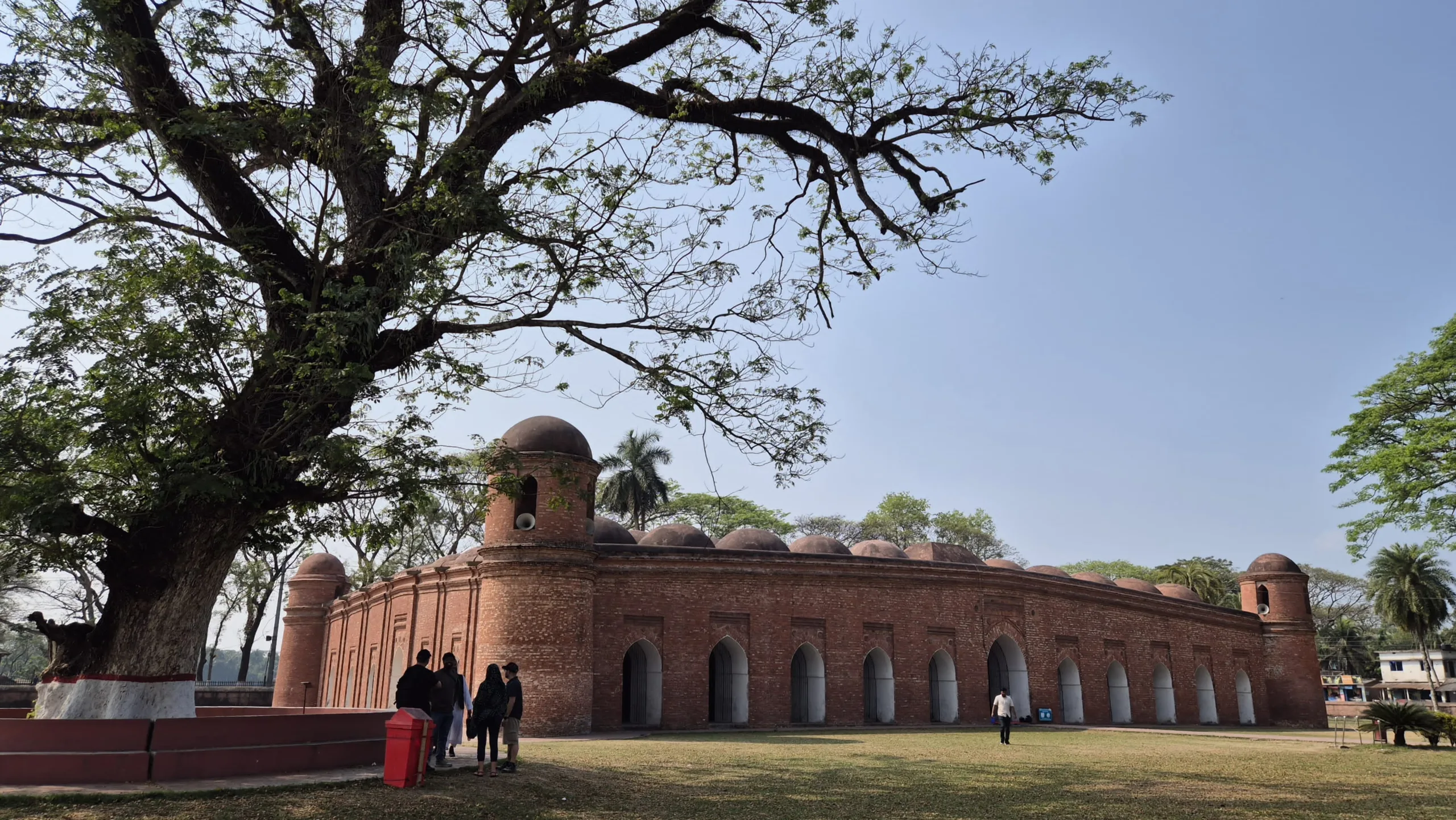
From there, we travel to Bagerhat, often called the mosque city of Bangladesh, a place of immense historical and architectural importance. The highlight is the magnificent Sixty Dome Mosque, a UNESCO World Heritage Site and one of the finest surviving examples of Sultanate architecture in Bengal.
We continue the heritage trail with visits to the Khan Jahan Ali Shrine, Nine Dome Mosque, and Singair Mosque, each of which adds to Bagerhat’s distinctive spiritual and architectural legacy.
By evening, we arrive in Barisal.
Overnight stay in Barisal.
Day 7 – River Life in Barisal and Return to Dhaka
This morning, we set out for a backwater journey through one of the most peaceful river landscapes in Bangladesh. Traveling to the Banaripara area, we begin a boat trip through canals and waterways where daily life unfolds on and beside the water.
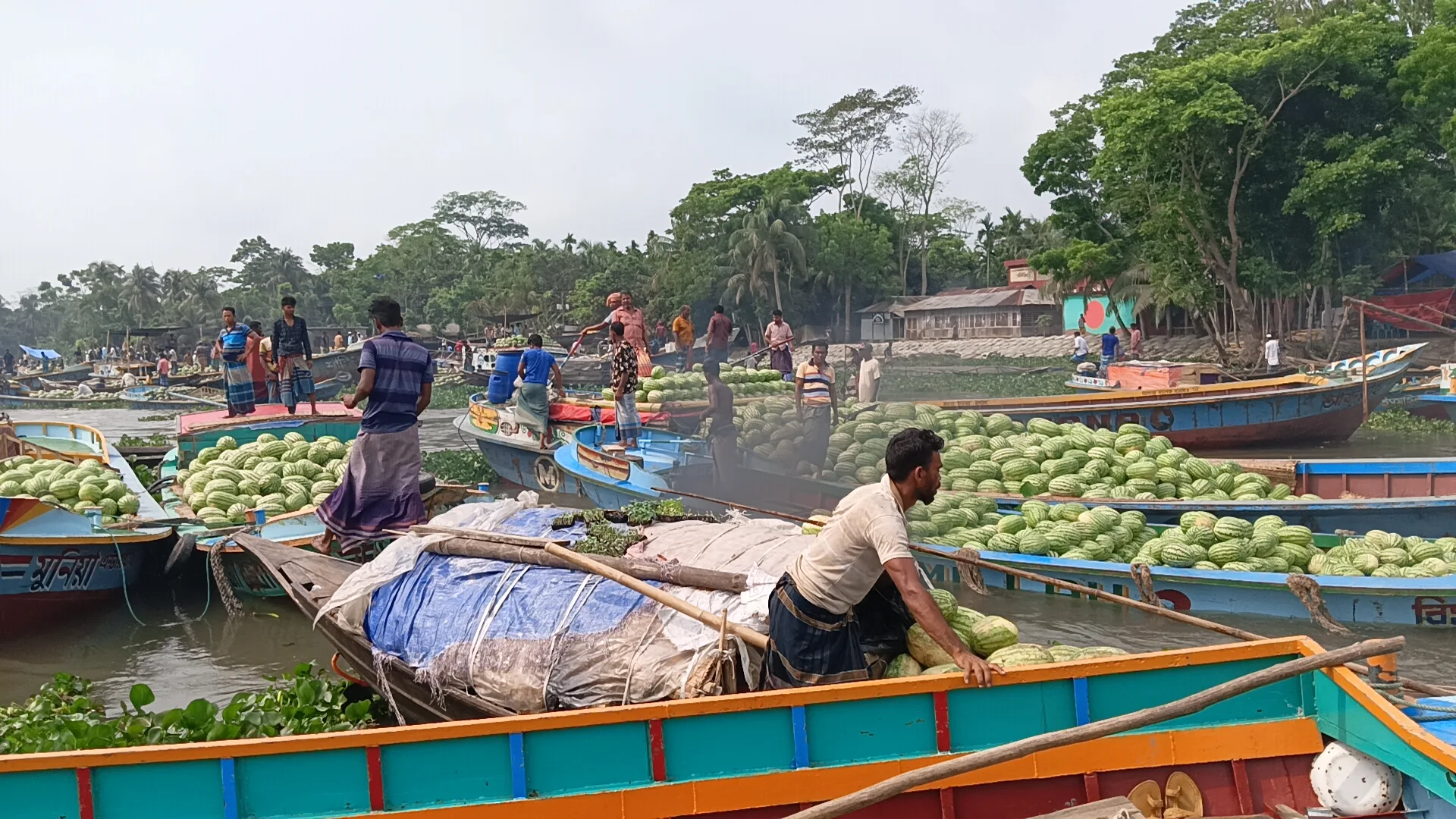
Along the way, we explore the region’s famous floating vegetable market and timber market, where traders buy and sell goods directly from wooden boats. The surrounding villages, agricultural scenes, and quiet waterways reveal a side of Bangladesh that is both beautiful and deeply rooted in tradition.
After completing the backwater experience, we return to Dhaka.
Overnight stay in Dhaka.
Day 8 – Sonargaon Heritage and Journey to Sreemangal
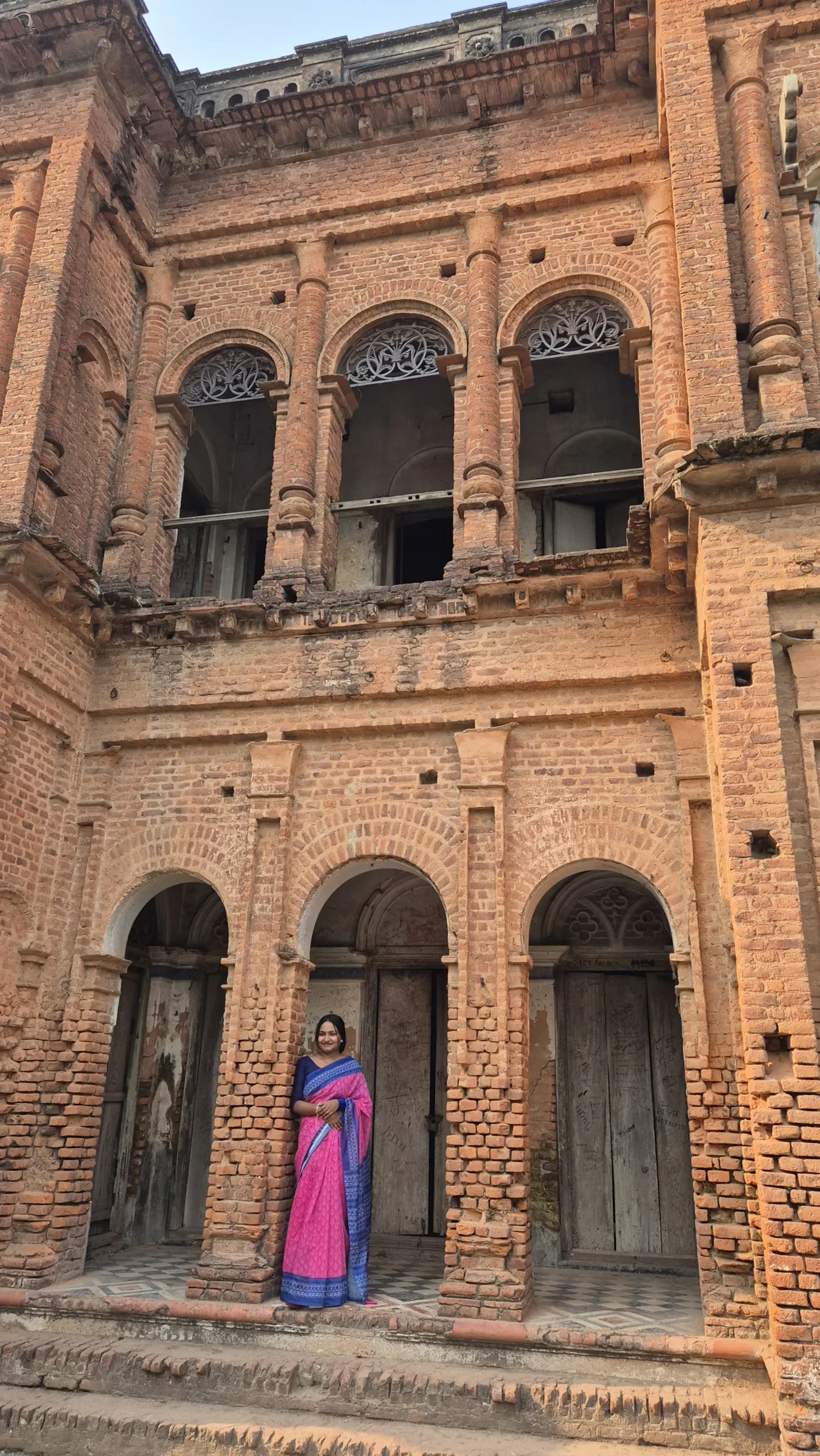
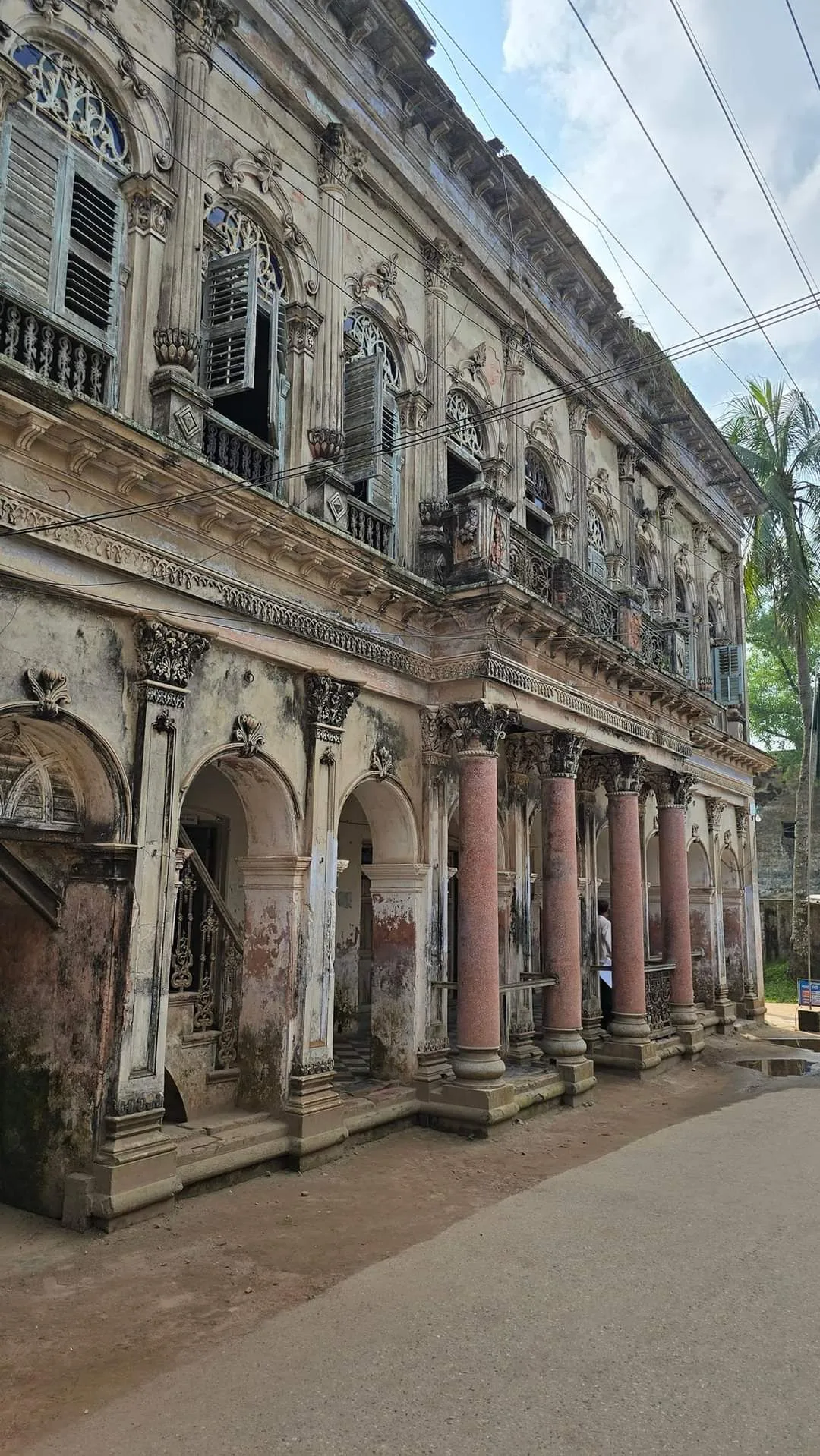
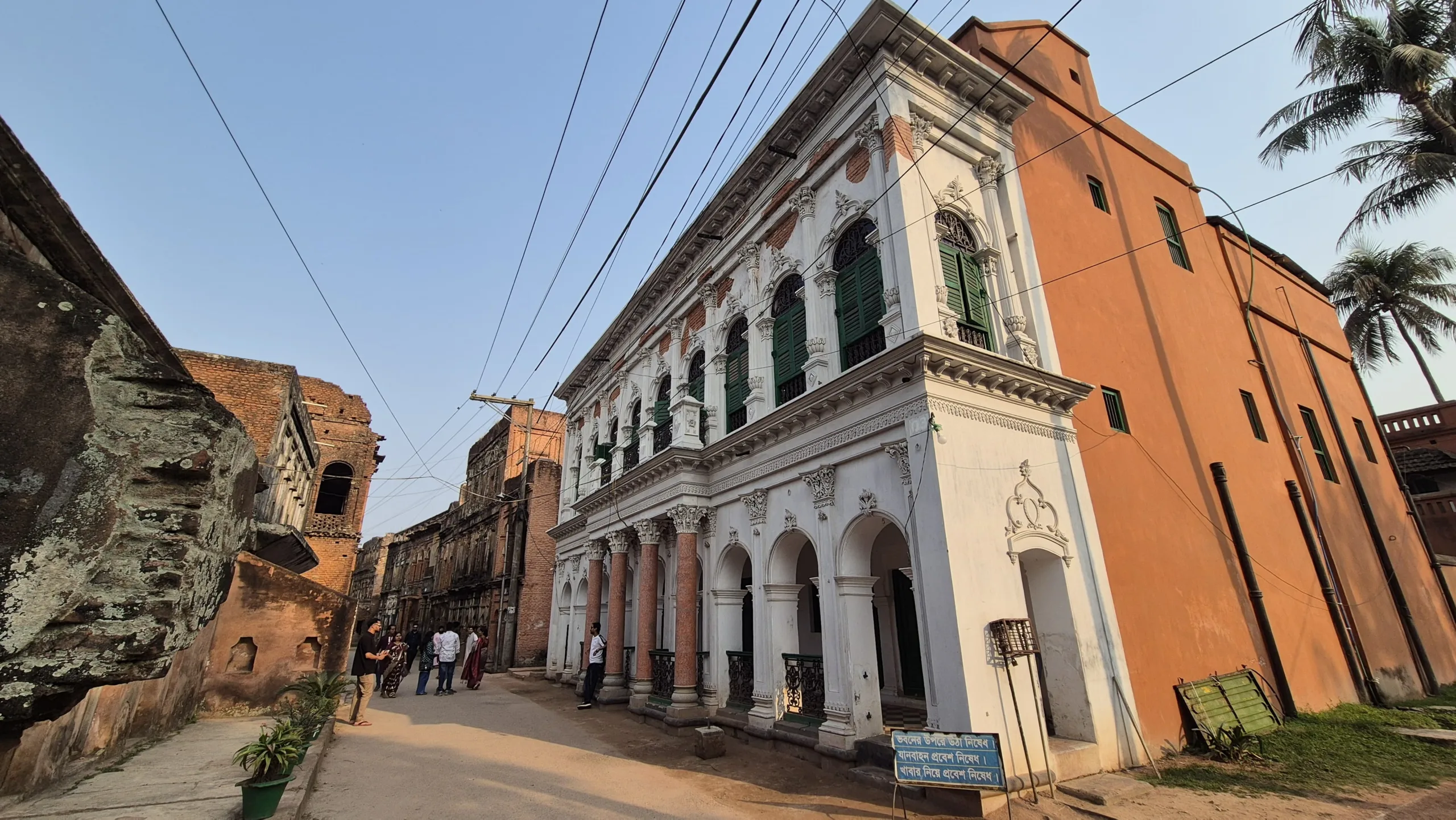
Today we leave Dhaka and head toward Sreemangal, with a heritage stop in Sonargaon, the historic old capital of Bengal. We begin with a visit to Panam City, the atmospheric merchant settlement built in the late 19th century. Lined with abandoned houses that reflect a blend of Mughal and colonial influences, Panam City is one of the most captivating heritage sites in Bangladesh.
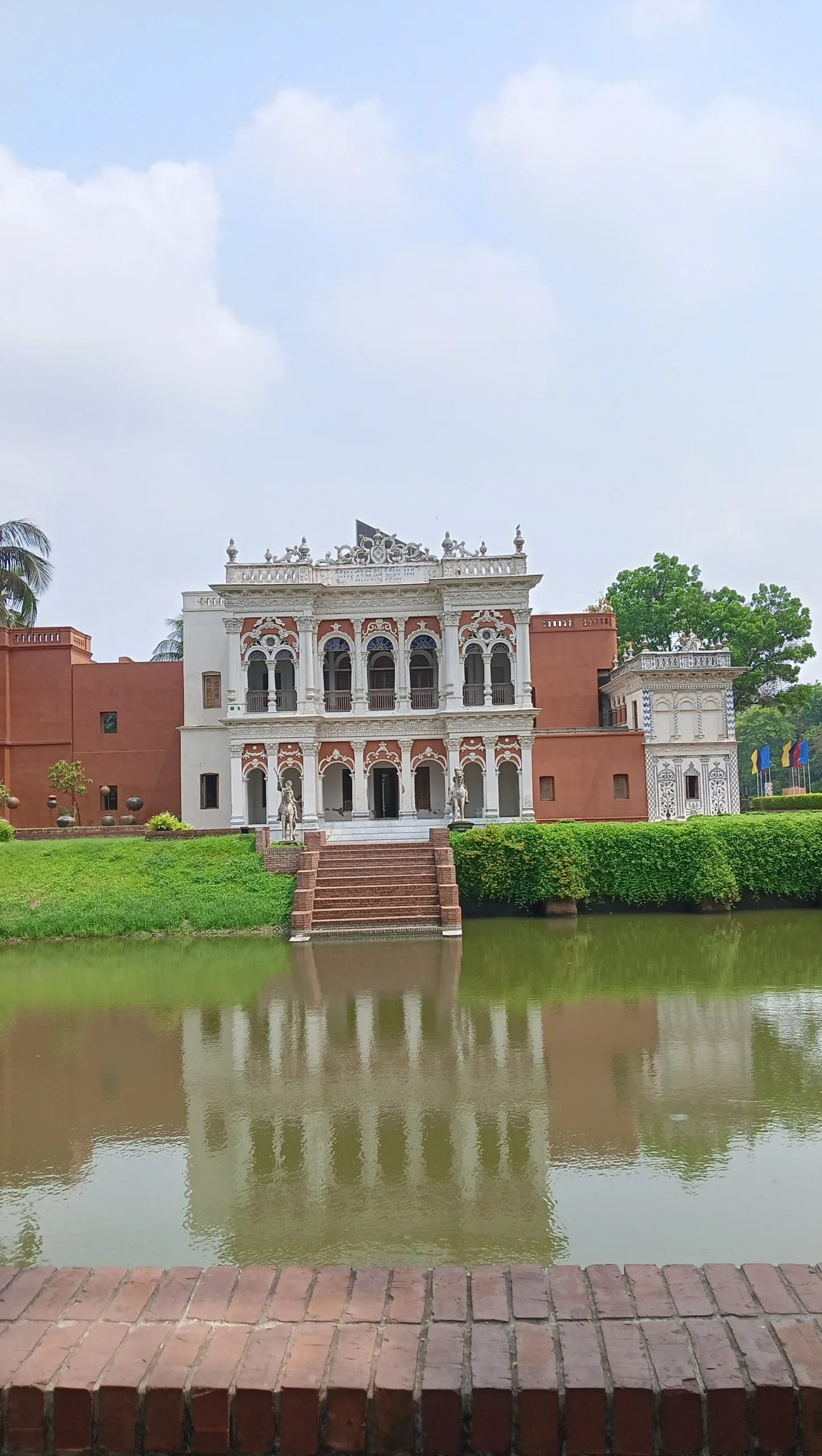
We then continue to the Sonargaon Folk Museum, where historic architecture and rich collections of rural crafts, musical instruments, and traditional objects offer a vivid introduction to the cultural soul of Bangladesh. The heritage stop also includes the Goaldi Mosque, one of the finest surviving examples of Sultanate architecture in the Sonargaon region.
After the Sonargaon visit, we continue on the longer drive to Sreemangal, the tea capital of Bangladesh.
Overnight stay in Sreemangal.
Day 9 – Tea Country, Forest Trails, and Indigenous Culture
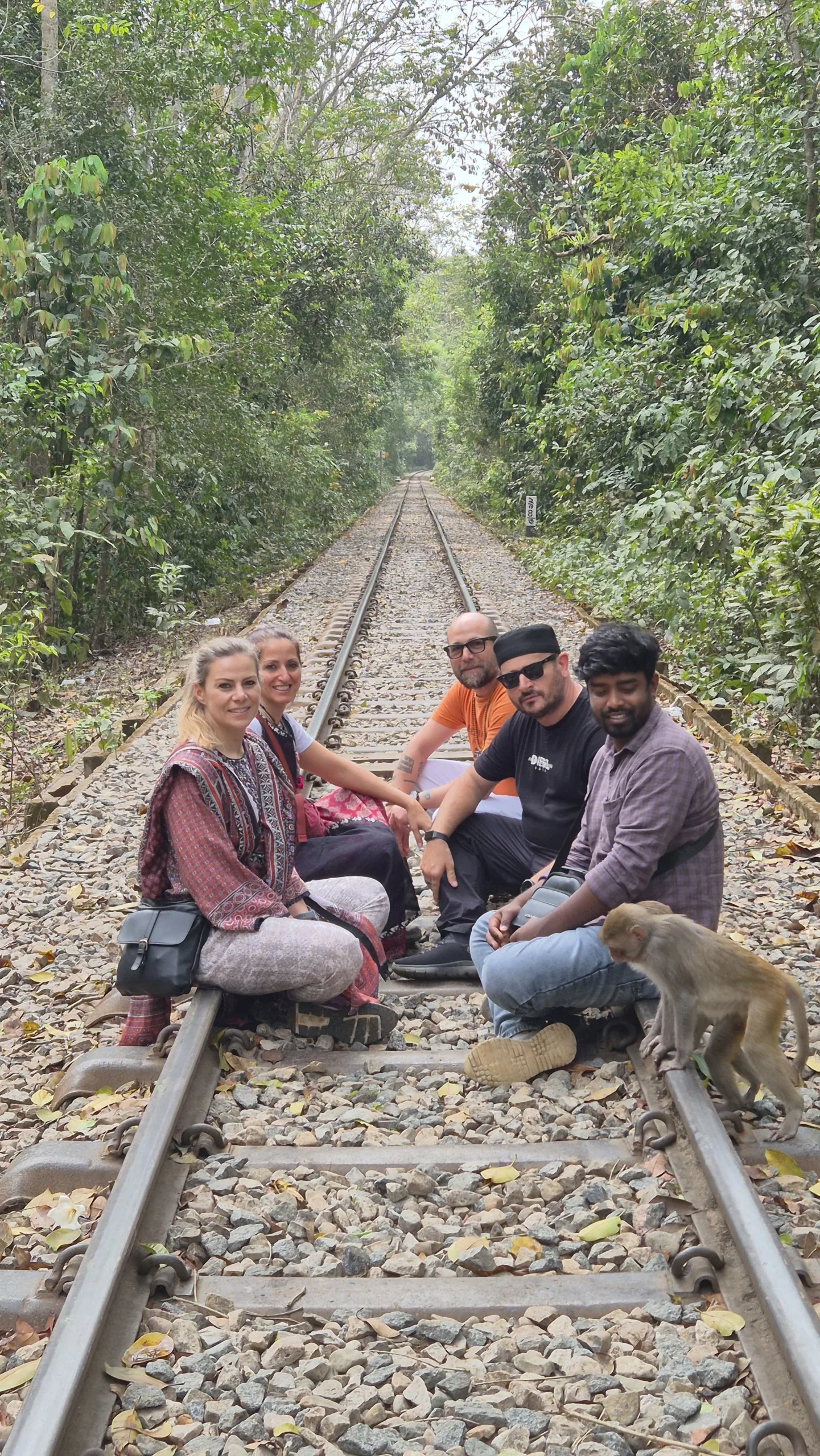
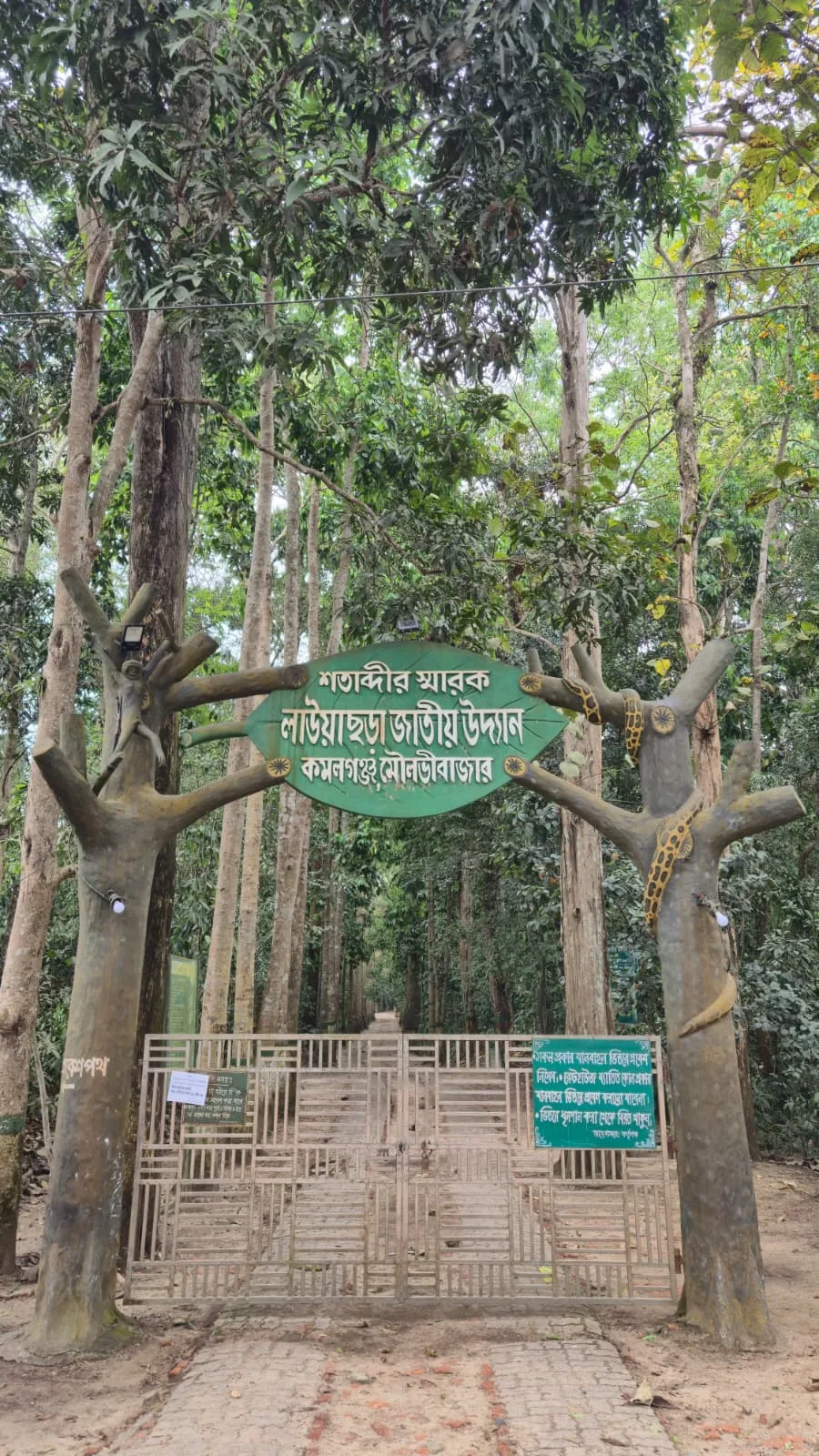
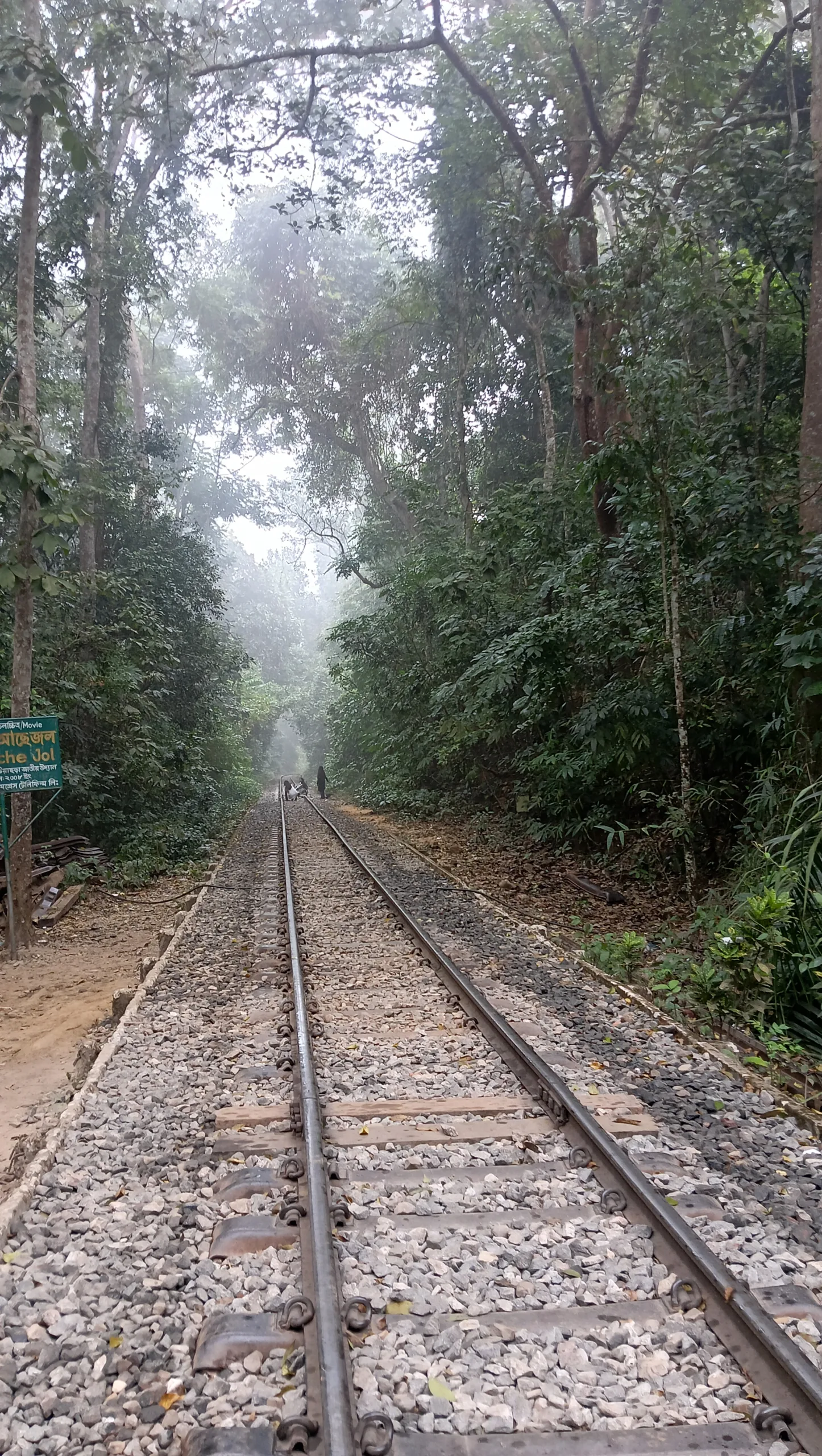
We begin early to explore the natural beauty of Sreemangal and the surrounding region. Our first major stop is Lawachara National Park, a lush tropical rainforest rich in biodiversity, birdlife, and walking trails. Known for its rare hoolock gibbons and peaceful forest atmosphere, Lawachara is one of the country’s most rewarding eco-tour destinations.
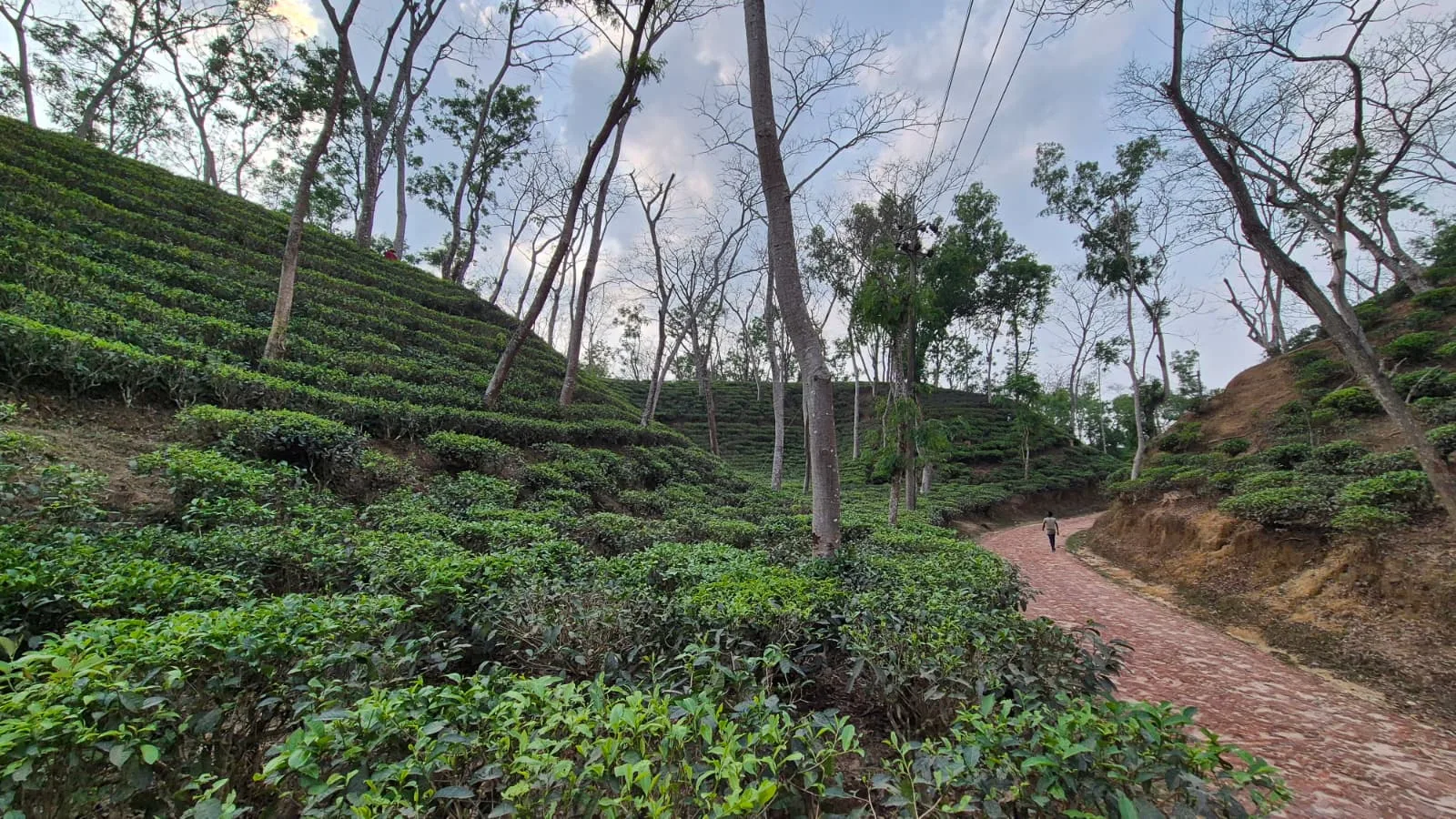
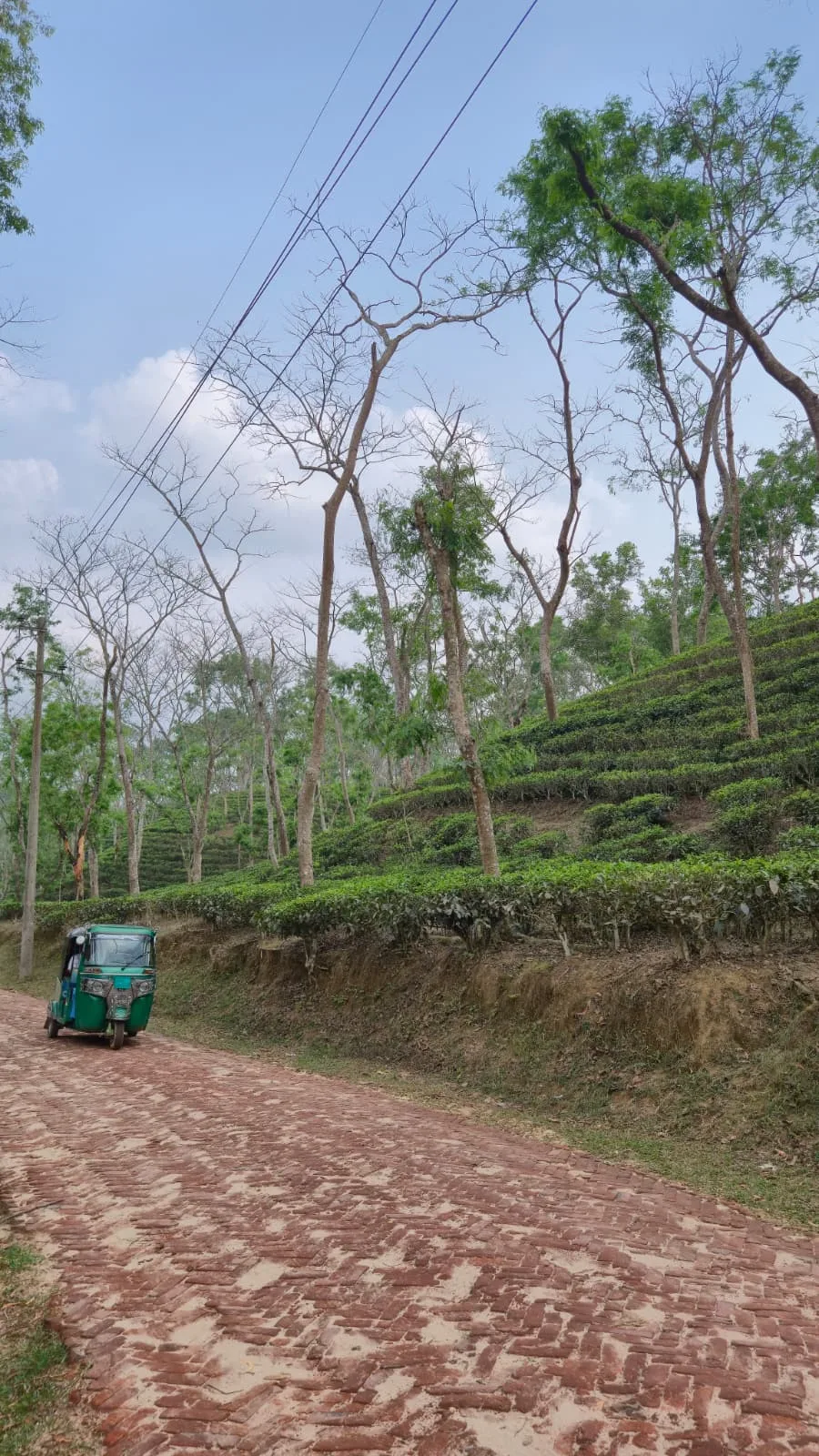
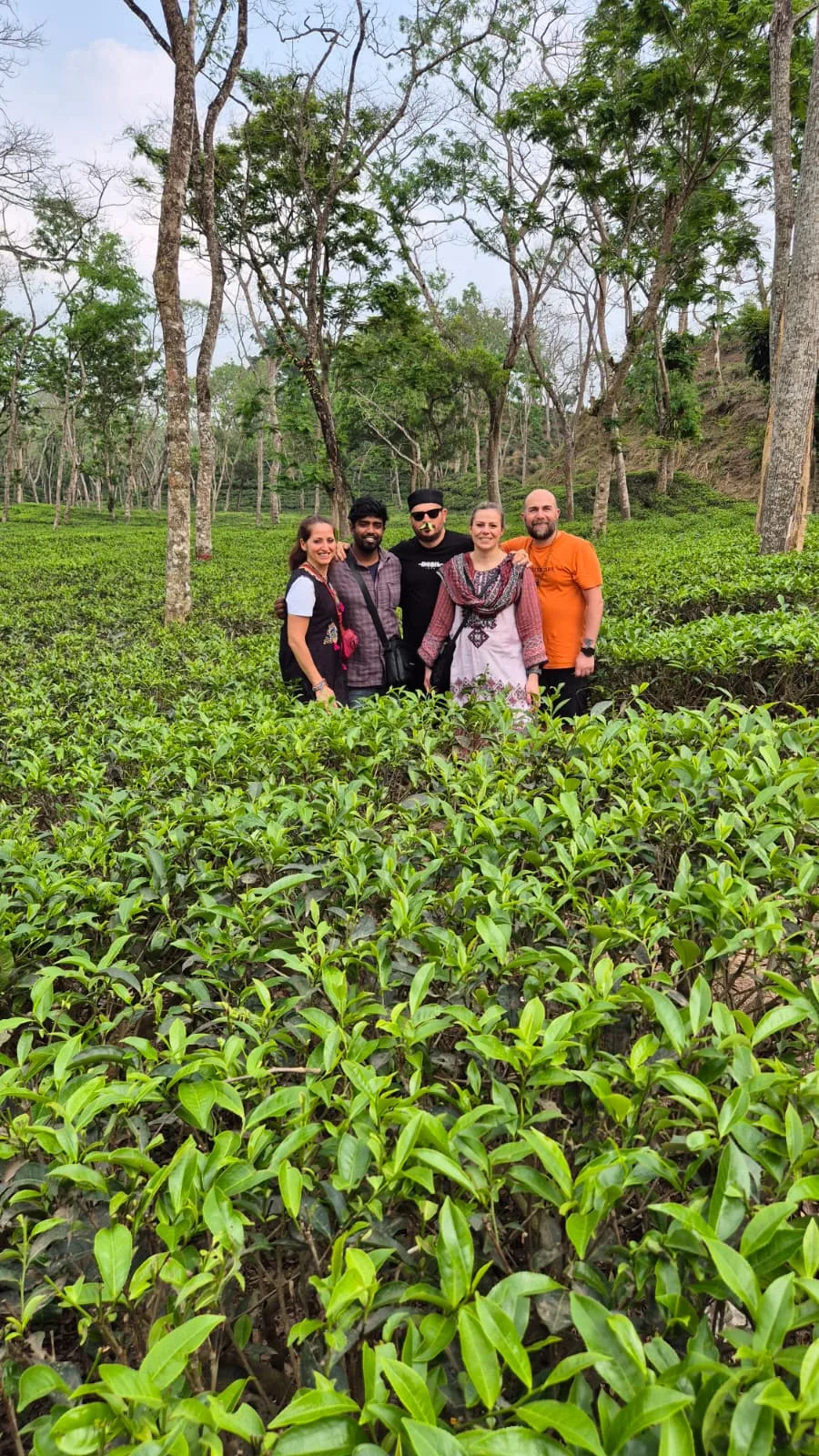
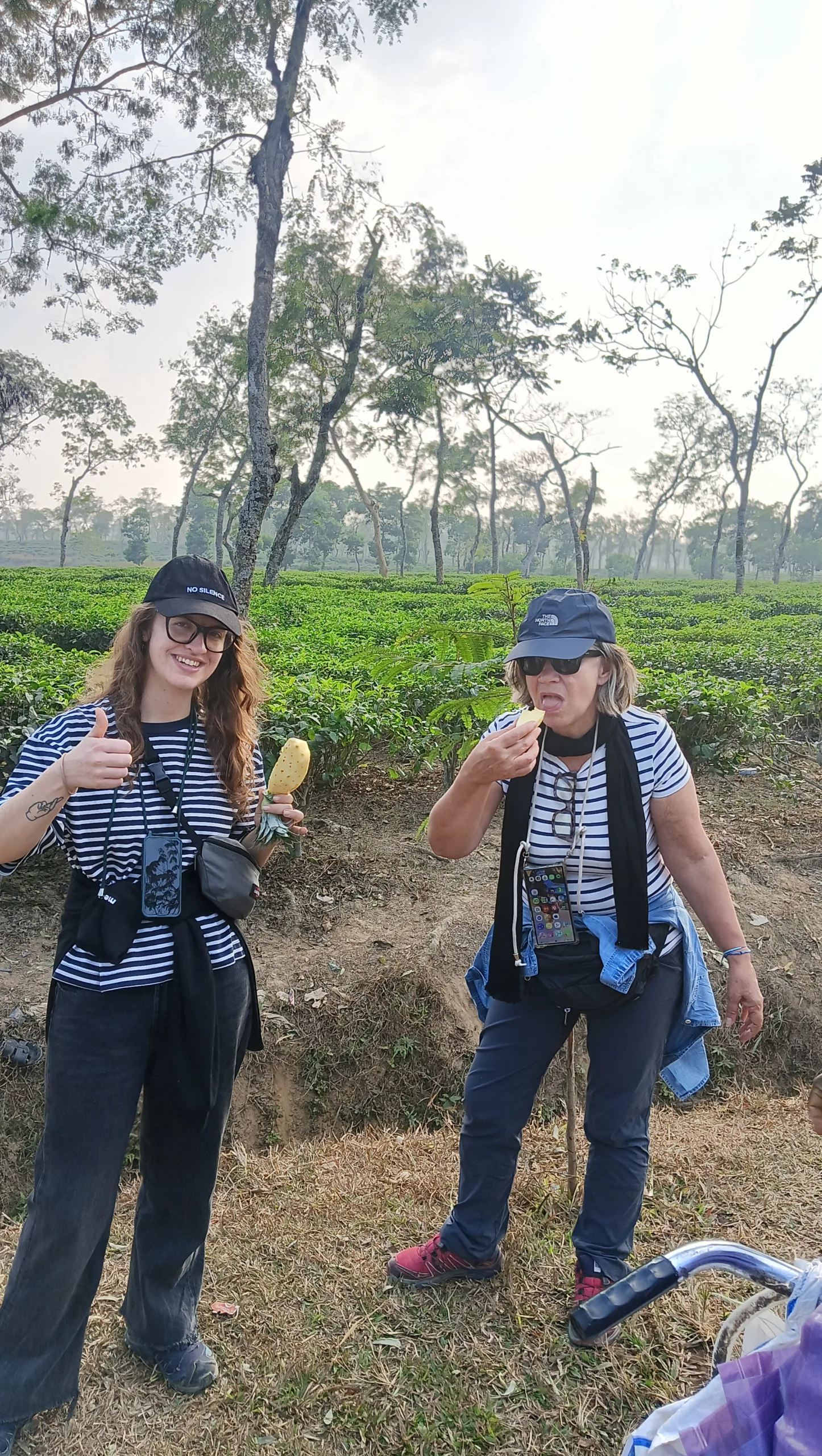
We then visit Noor Jahan Tea Garden, one of the most scenic tea estates in Sreemangal, where rolling green slopes and the rhythm of tea cultivation create a timeless landscape. From there, we continue to Madhabkunda, a beautiful natural attraction set among hills and greenery.
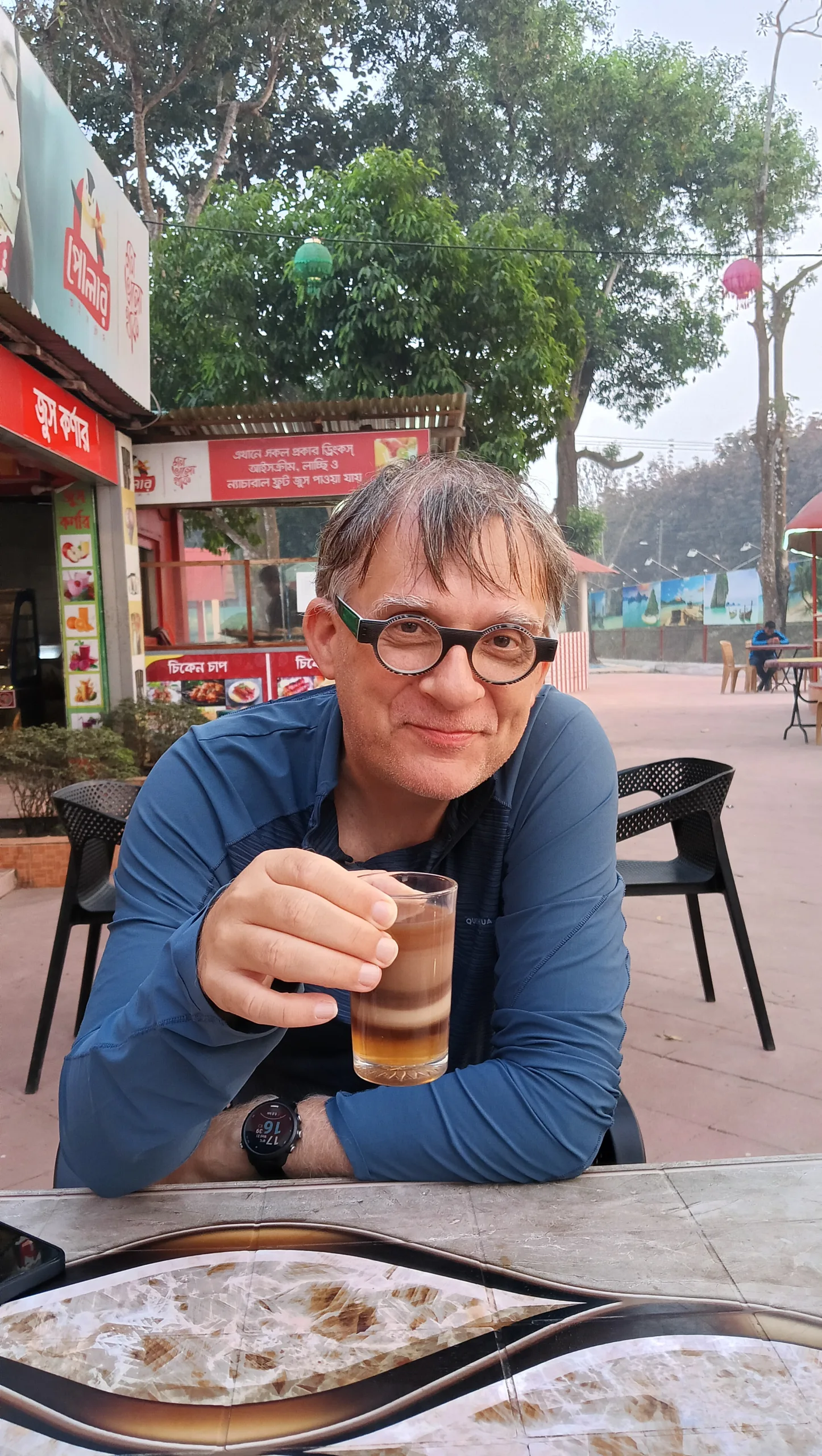
After lunch, we enjoy the famous Seven-Color Tea, one of Sreemangal’s best-known local specialties, before visiting a tribal village to experience the culture and traditional lifestyle of an indigenous community. Later, we continue to Sylhet.
Overnight stay in Sylhet.
Day 10 – Swamp Forests, Stone Beds, and Return to Dhaka
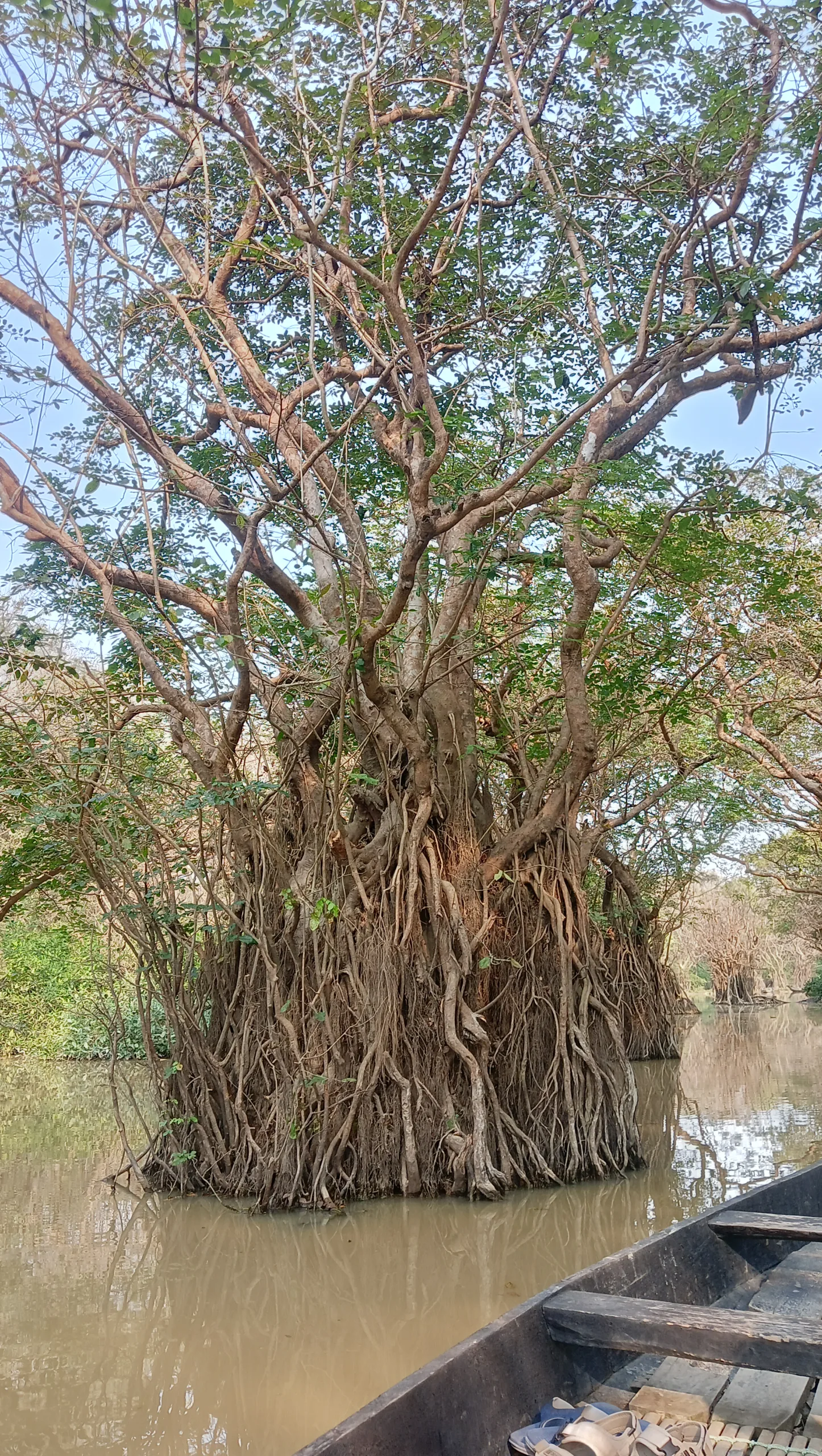
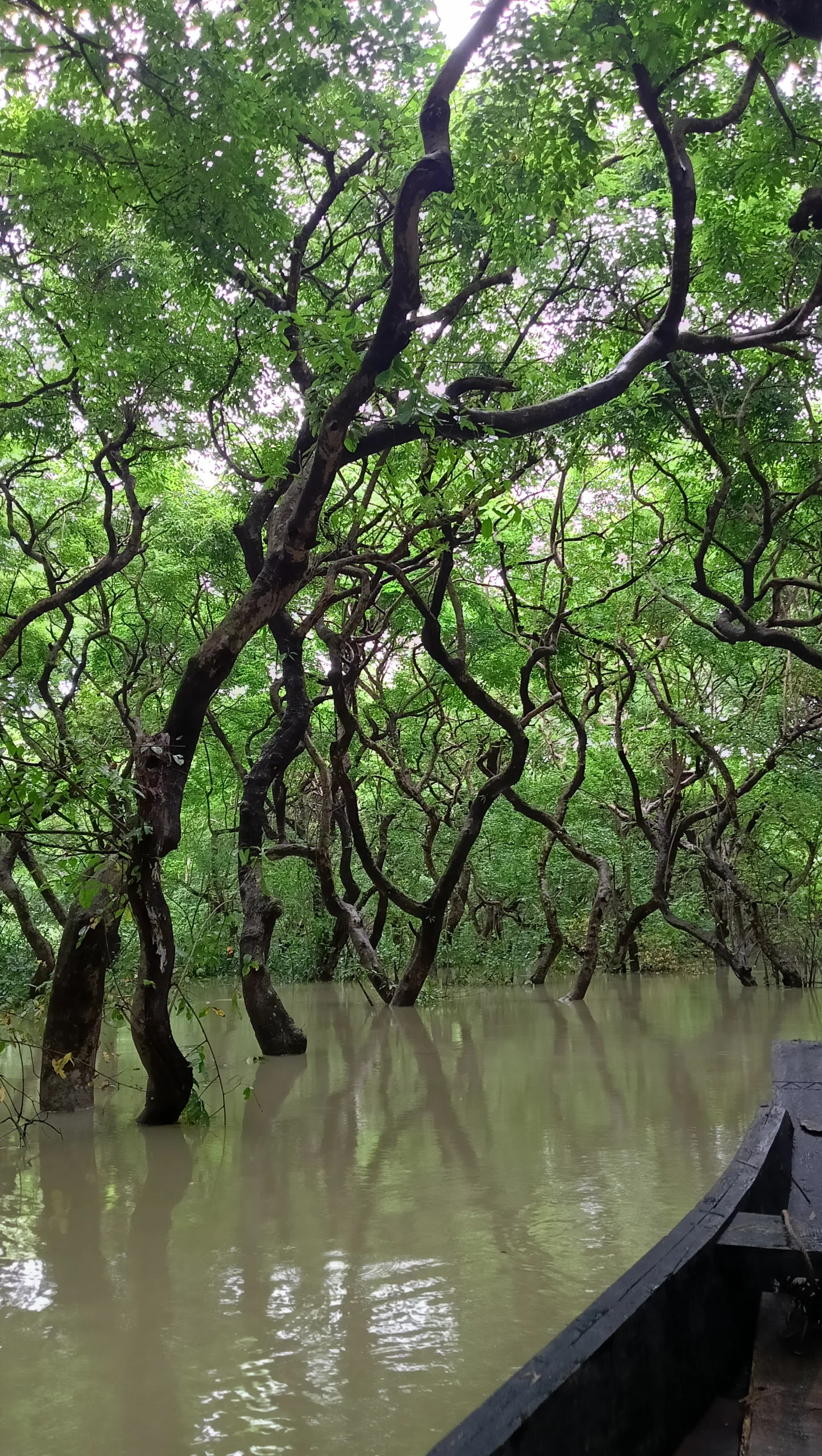
Our final day begins with an excursion to Ratargul Swamp Forest, the only freshwater swamp forest in Bangladesh and one of the country’s most magical natural landscapes. Best explored by boat, Ratargul offers a tranquil world of submerged trees, birdlife, and reflective water, especially beautiful during and after the monsoon season.
We then continue to Bichanakandi, one of Sylhet’s most scenic destinations, where hills, clear waters, stone beds, and lush green surroundings create a remarkably peaceful and photogenic setting.
After completing the visit, we begin the return journey to Dhaka, bringing the tour to a close with memories of Bangladesh’s cities, temples, rivers, forests, heritage, and living traditions.
Ten Days Across Bangladesh Prices
- Solo Tour $2200 per person
- 2 Pax $1500 per person
- 3 - 5 Pax Group $1000 per person
- 5+ Pax Group $800 per person
Tour Plan Includes:
- Accommodation in 3-star or 4-star hotels
- Air-conditioned private car with driver
- Dedicated English-speaking tour guide
- Pick-up and drop-off service
- Complimentary bottled water
- Daily breakfast and light Bengali lunch
- Complimentary Boat journey
- All entry tickets and activity costs
Tour Plan Excludes:
- Personal expenses
- Tips and drinks
Frequently Asked Question About Ten Days Across Bangladesh
-
Is this tour designed as a complete introduction to Bangladesh?
Yes. This itinerary is especially strong for travelers who want a broad introduction to Bangladesh in one trip, as it combines major cities, archaeological sites, temple towns, Islamic heritage, tea country, mangrove-edge landscapes, and river life.
-
How different are the regions covered in this itinerary?
They are very different from one another, which is one of the tour’s biggest strengths. Dhaka offers dense urban heritage, North Bengal brings archaeology and temples, Khulna and Bagerhat add mangrove and mosque heritage, Barisal shows river-based village life, and Sreemangal and Sylhet offer tea gardens, forests, and hill scenery.
-
Is this a good route for travelers interested in both religion and architecture?
Absolutely. The tour includes Hindu temples in Puthia, Buddhist heritage at Paharpur, Islamic architecture in Atia, Kusumba, Bagha, Sixty Dome, Goaldi, and other mosques, and major civic architecture in Dhaka, creating an unusually rich architectural and spiritual journey.
-
Does this tour include living cultural traditions, not just historical sites?
Yes. In addition to monuments and heritage landmarks, the tour includes weaving traditions, floating markets, tea culture, tribal village experiences, and traditional otter fishing, making it much more than a standard historical itinerary.
-
Which part of the tour is best for nature lovers?
Nature lovers will especially enjoy Karamjol, Sreemangal, Lawachara National Park, Ratargul Swamp Forest, and Bichanakandi. These places add forest, mangrove, tea garden, and wetland landscapes to balance the heritage-heavy parts of the journey.
-
Is the pace of the trip fast or relaxed?
It is a full and ambitious journey, but it has a good rhythm. Some days are longer travel days, while others are more relaxed and focused, such as the Rajshahi–Puthia day and the Sreemangal exploration day. Overall, it is best suited to travelers who enjoy seeing a lot in one well-structured trip.
-
Is this tour suitable for international travelers?
Yes, this tour is highly suitable for international visitors who want a broad and meaningful introduction to Bangladesh through its heritage, culture, rivers, and living traditions.
-
Is it safe for foreigners to travel with EvergreenBD Tours?
Safety is our #1 priority. We use only high-quality, seat-belt-equipped vehicles and licensed drivers. Our river crossings are conducted with dedicated safety gear, and our guides are trained to navigate the city’s busy areas while keeping you secure and comfortable at all times.
-
Are the hotels comfortable during the tour?
Yes, accommodation is arranged in comfortable 3/4-star hotels, selected to provide a pleasant and restful stay during the journey.
-
Are dinner arrangements available even though dinner is not included?
Yes, although dinner is not included in the package, our team can recommend suitable local restaurants or help arrange dinner at or near your hotel.
-
What should I know before joining this tour?
This is a multi-day tour, so guests should be prepared for road travel, cultural sightseeing, and visits to historical and religious sites. Comfortable clothing, walking shoes, and an interest in history and architecture will help you enjoy the trip even more.
-
How do I confirm my booking for this tour?
Simply click the “Book Tour” button, fill out the short form, and submit it. Our team will contact you promptly with a detailed itinerary and secure payment instructions to finalize your reservation. For custom inquiries, please use our live chat icon.