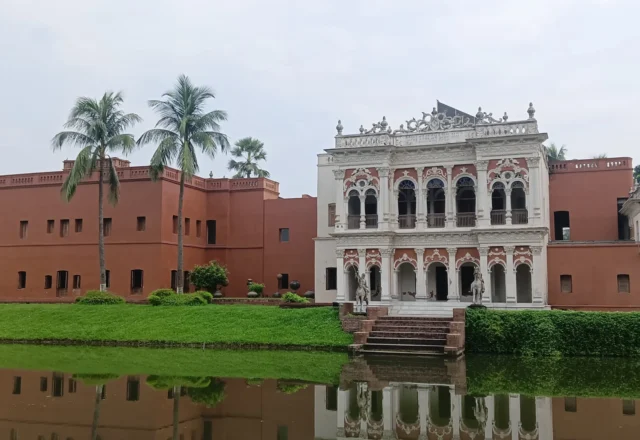
 Day Tours
Panam City and Old Capital Sonargaon Day Tour
from $70 per person

2 to 13 November 2027 (expected)
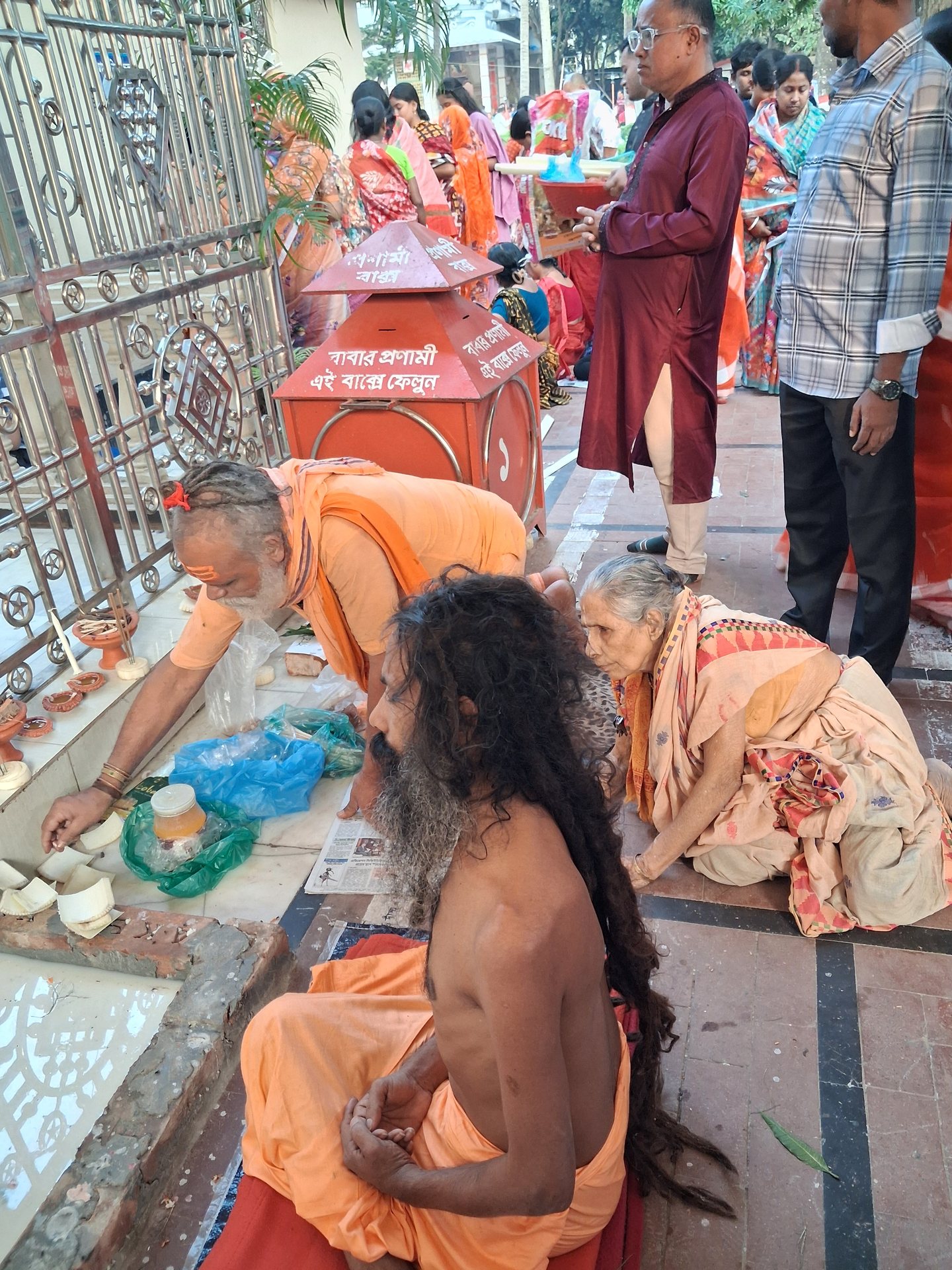
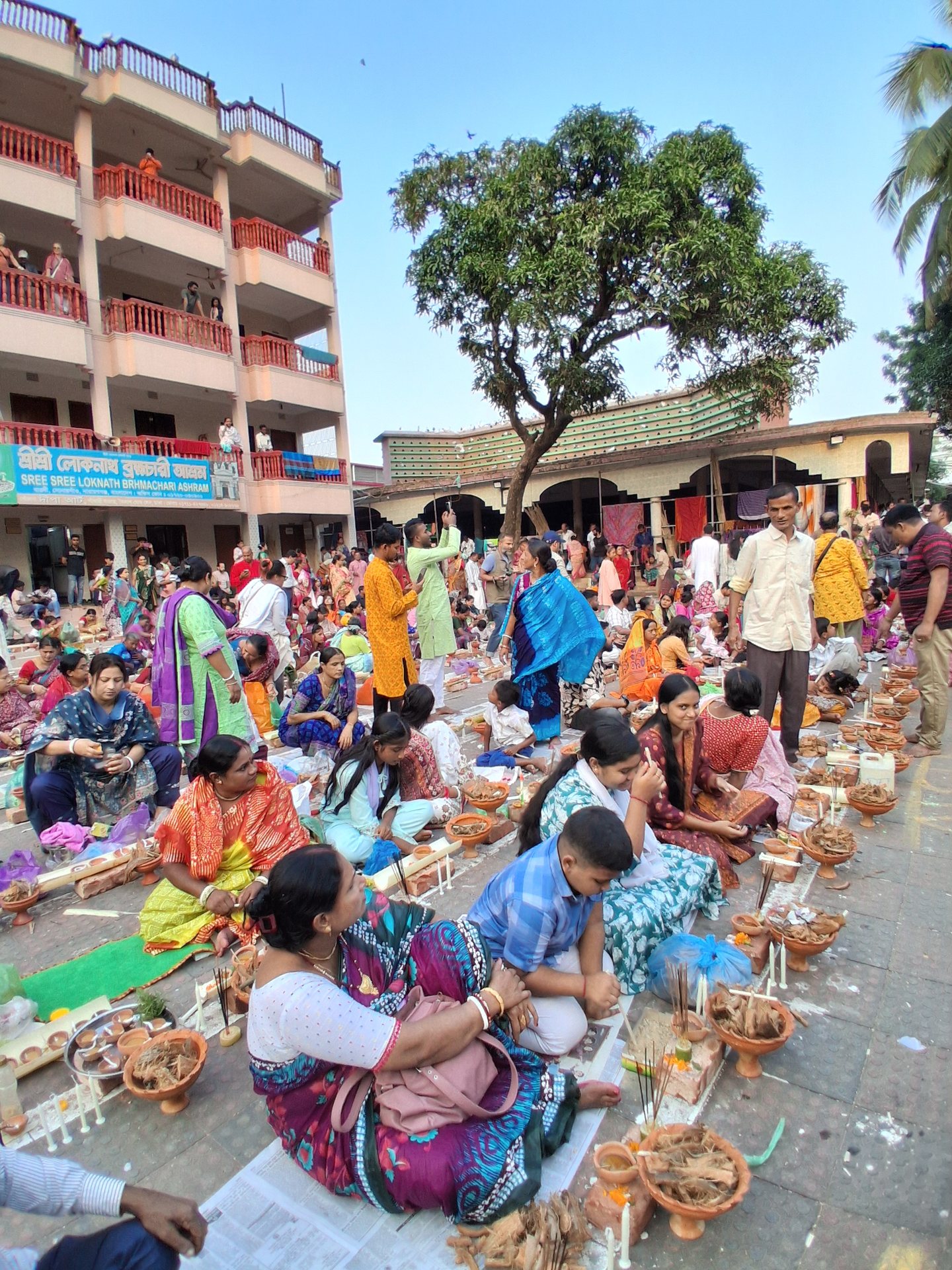
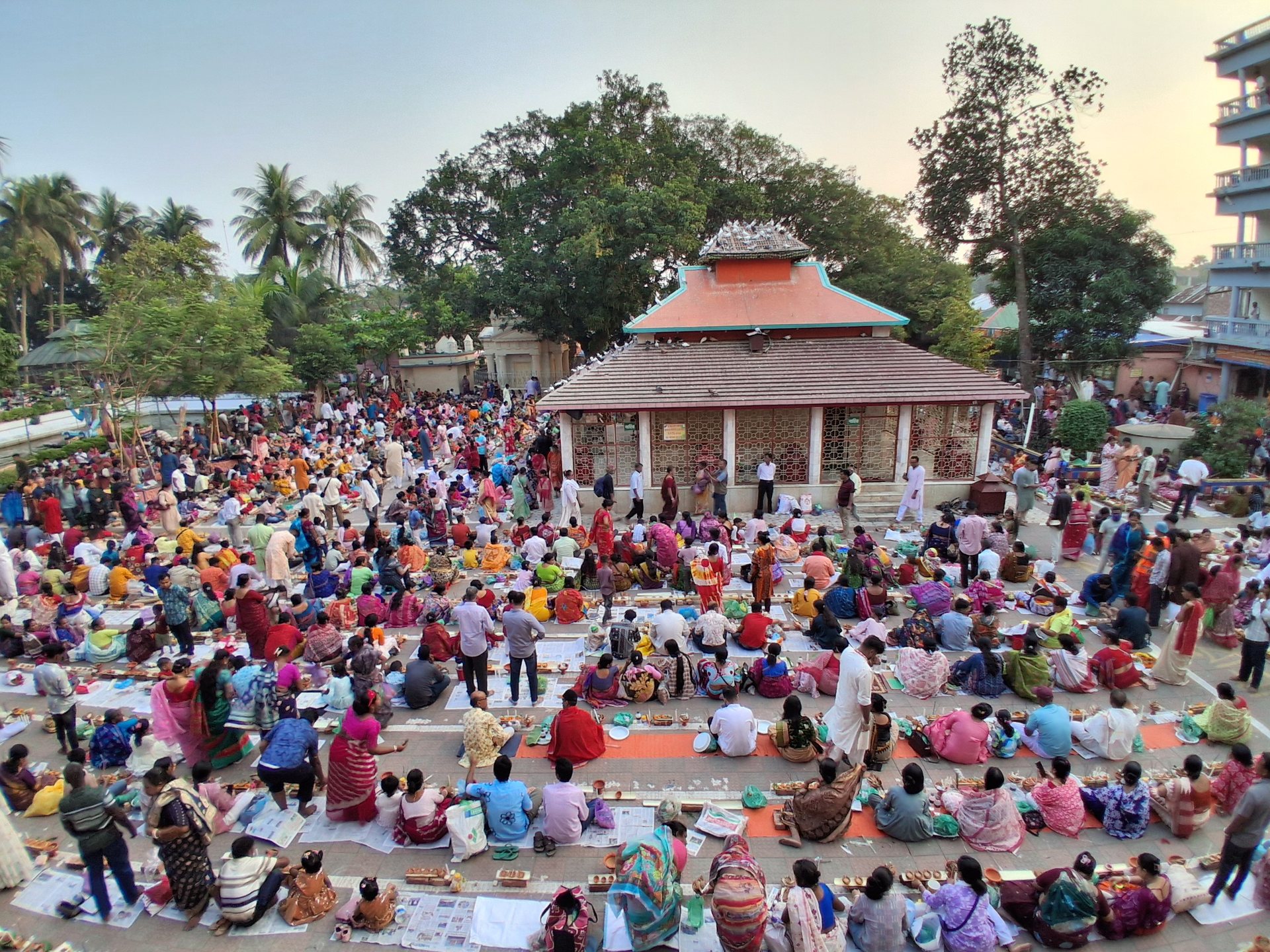
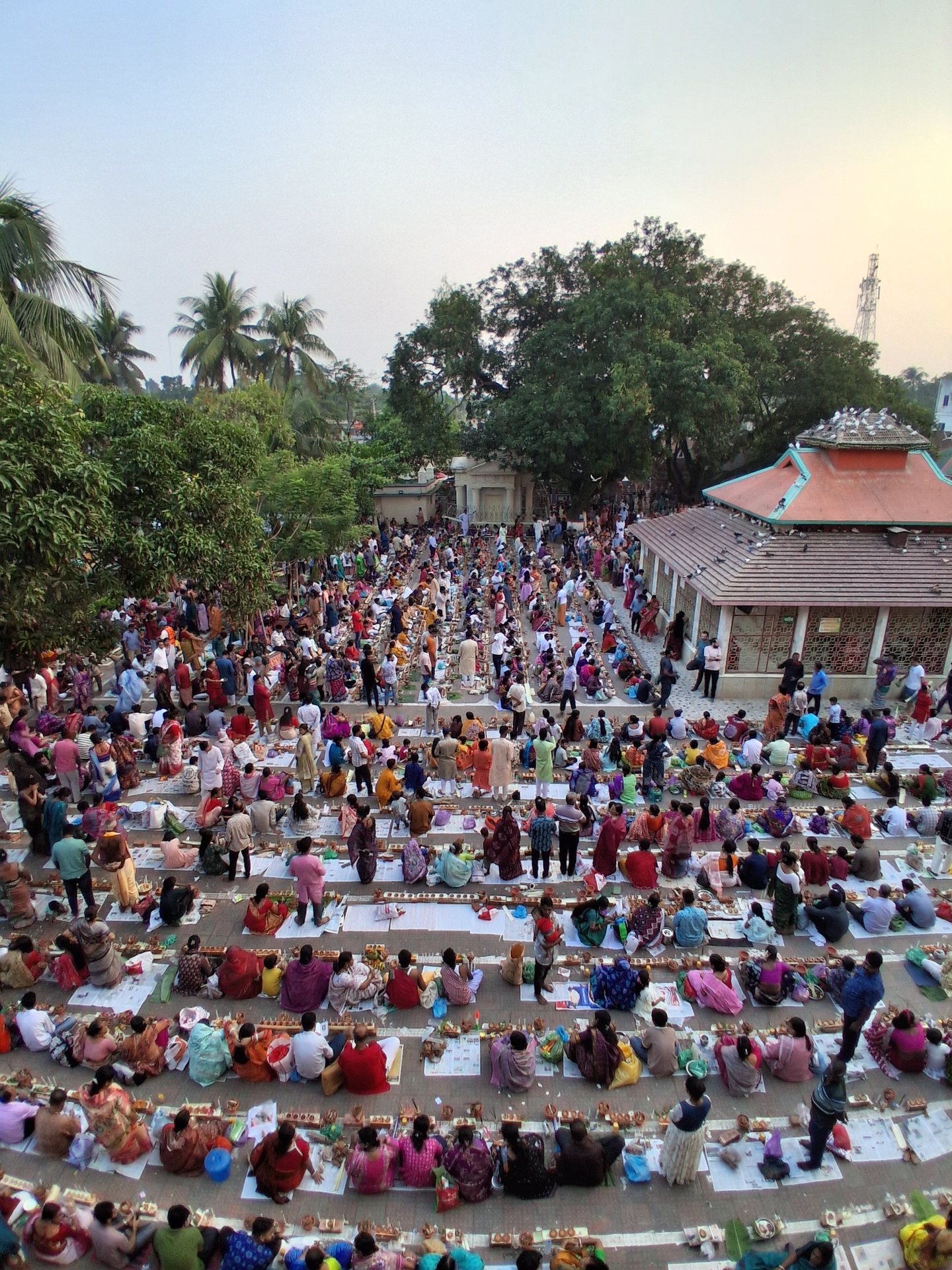
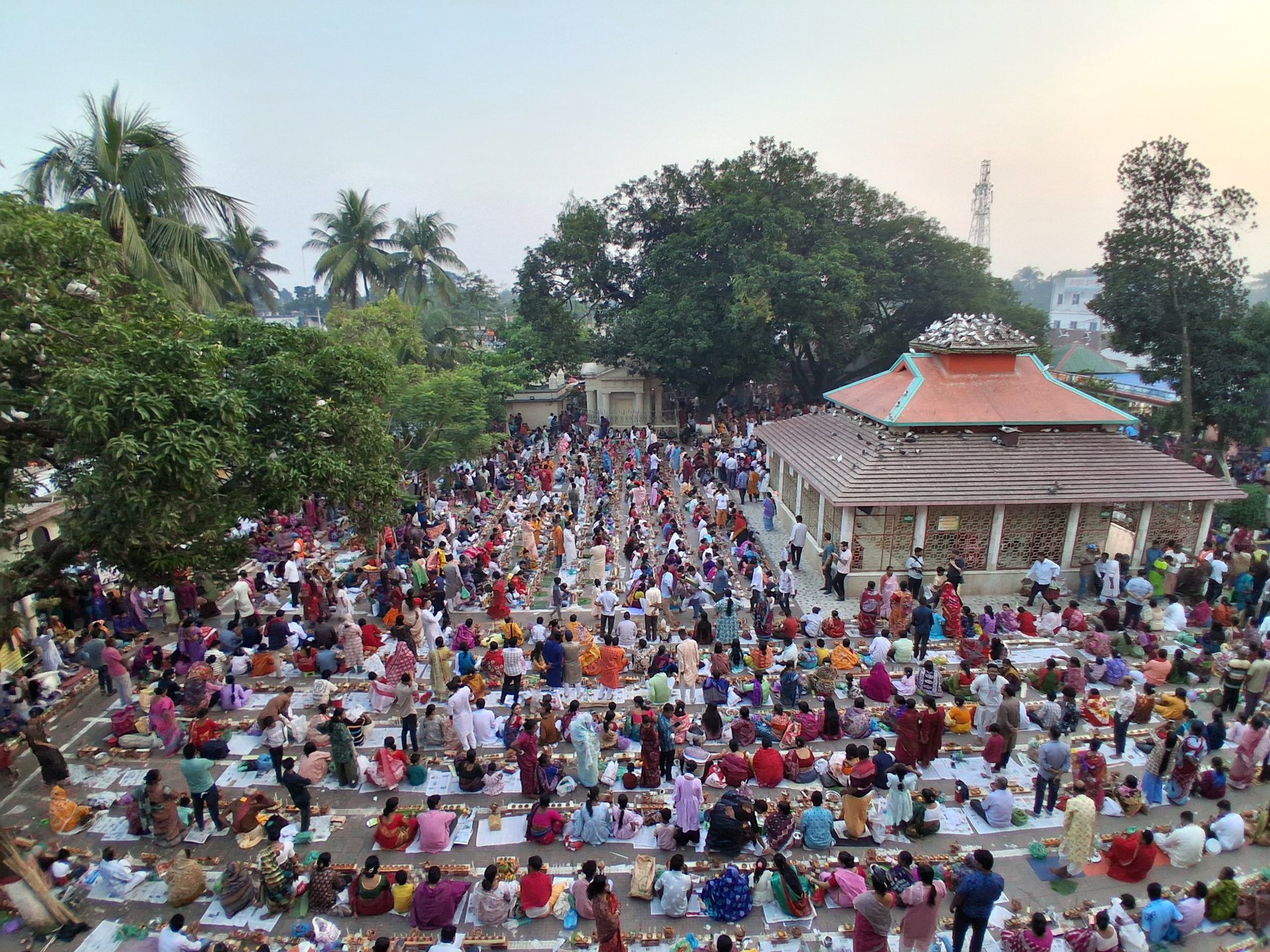
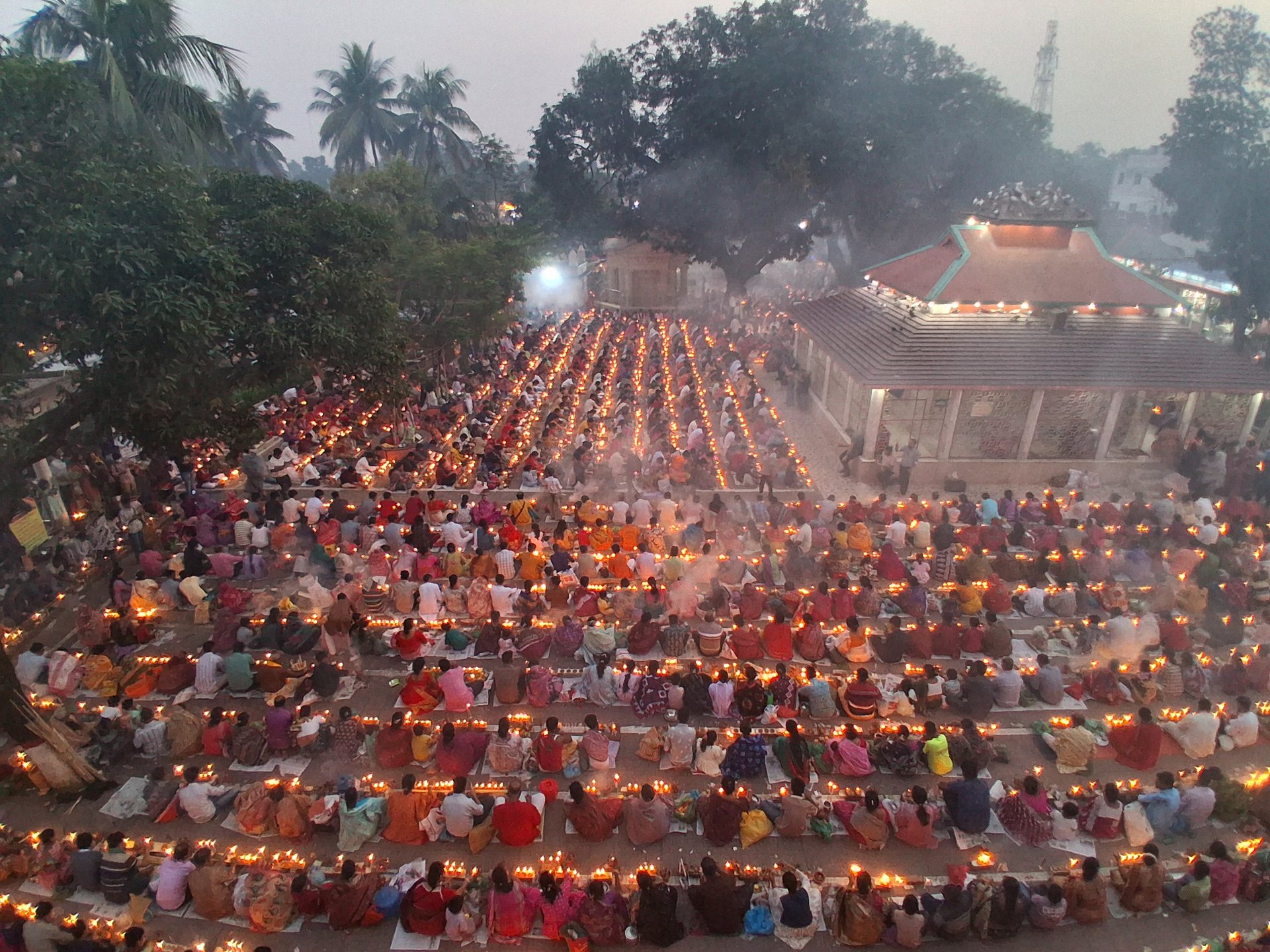
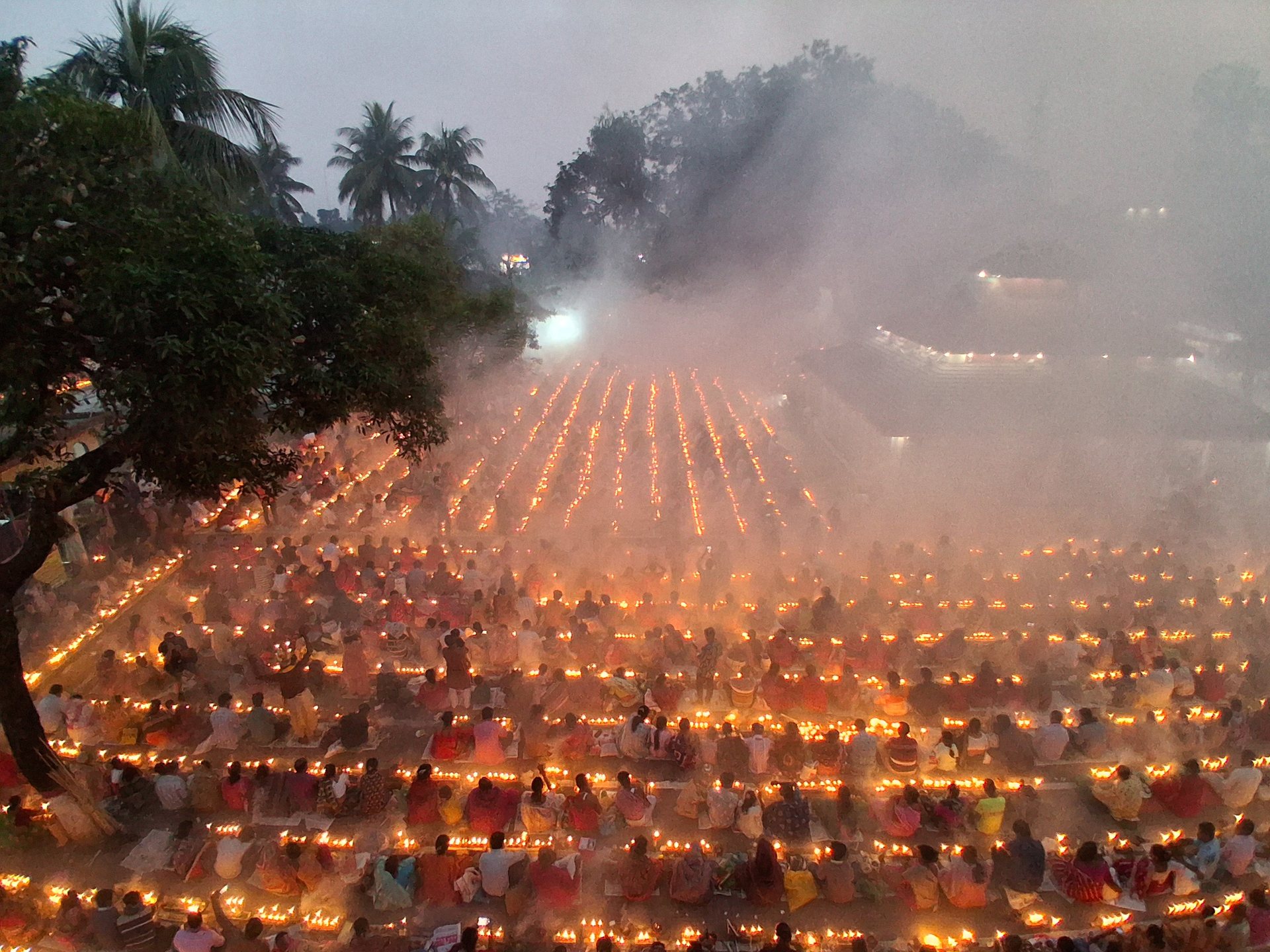
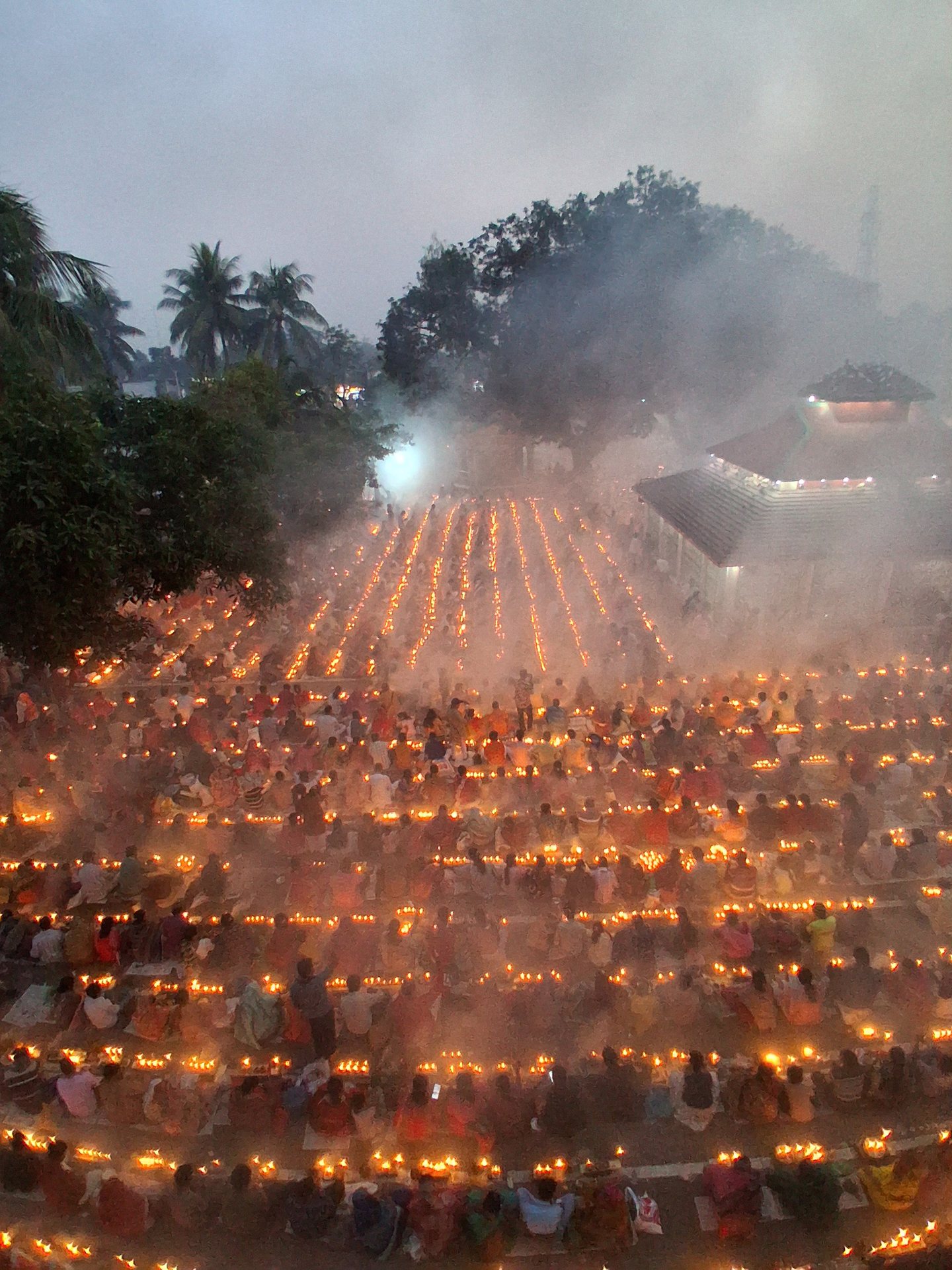
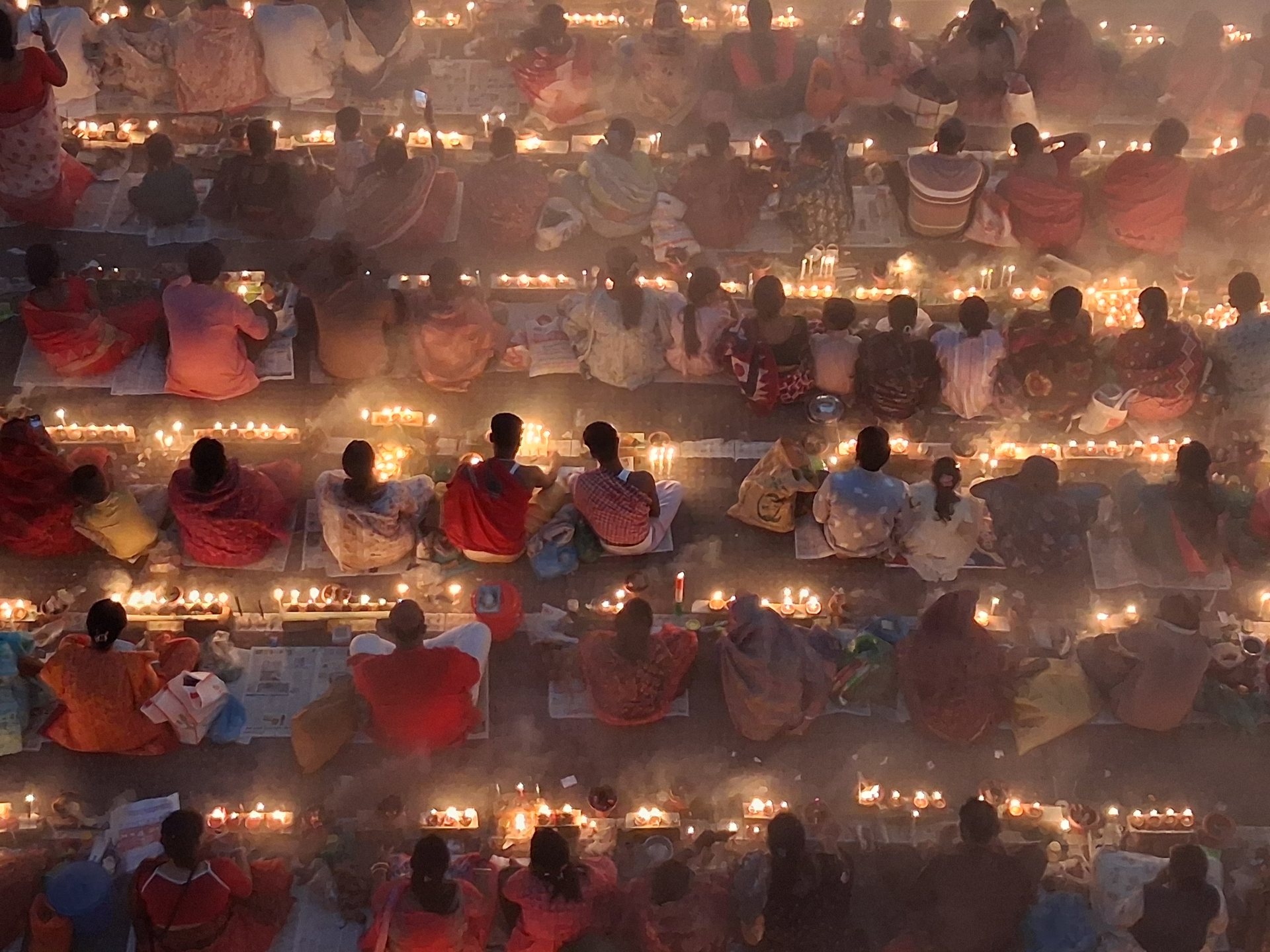
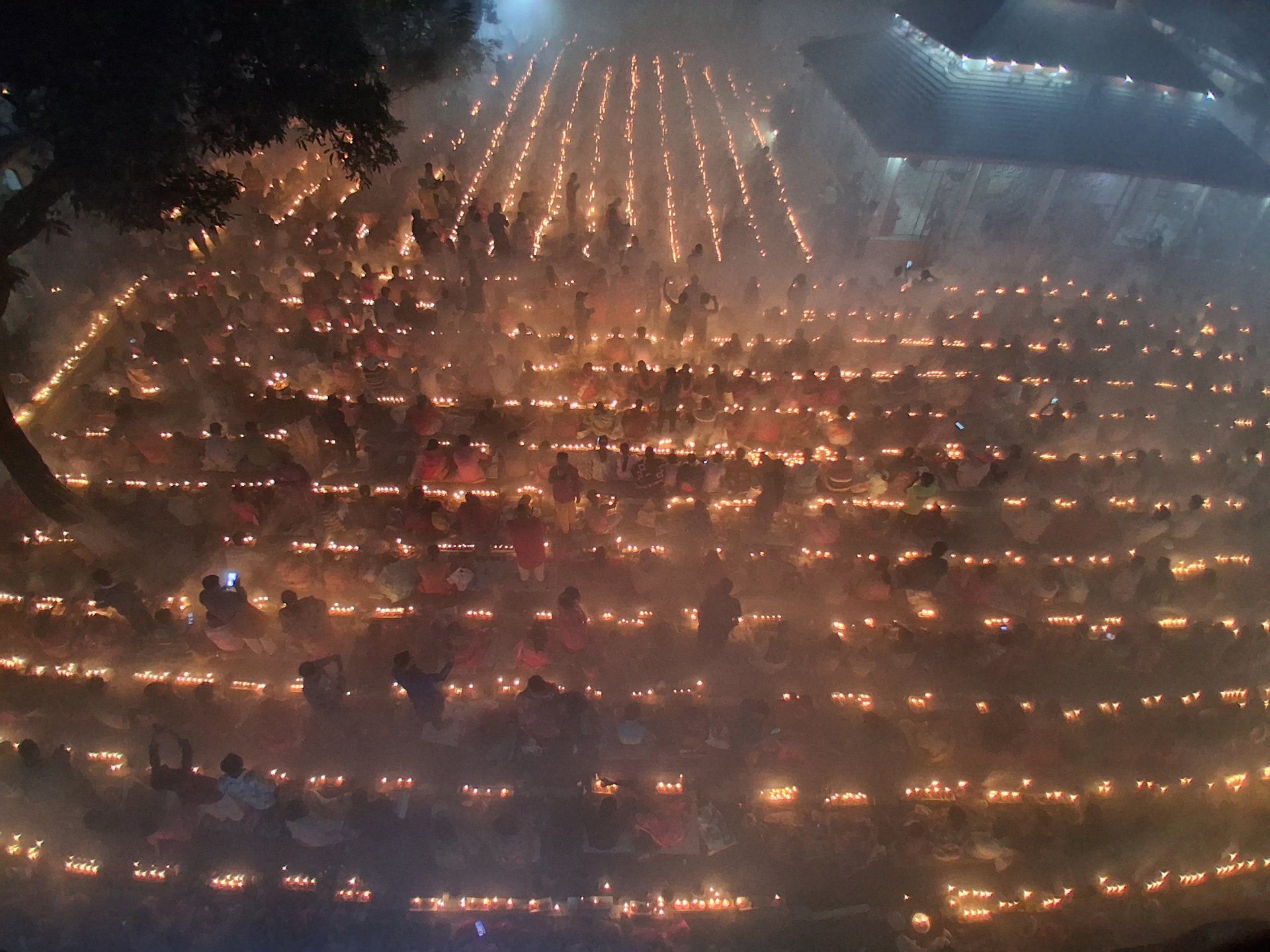
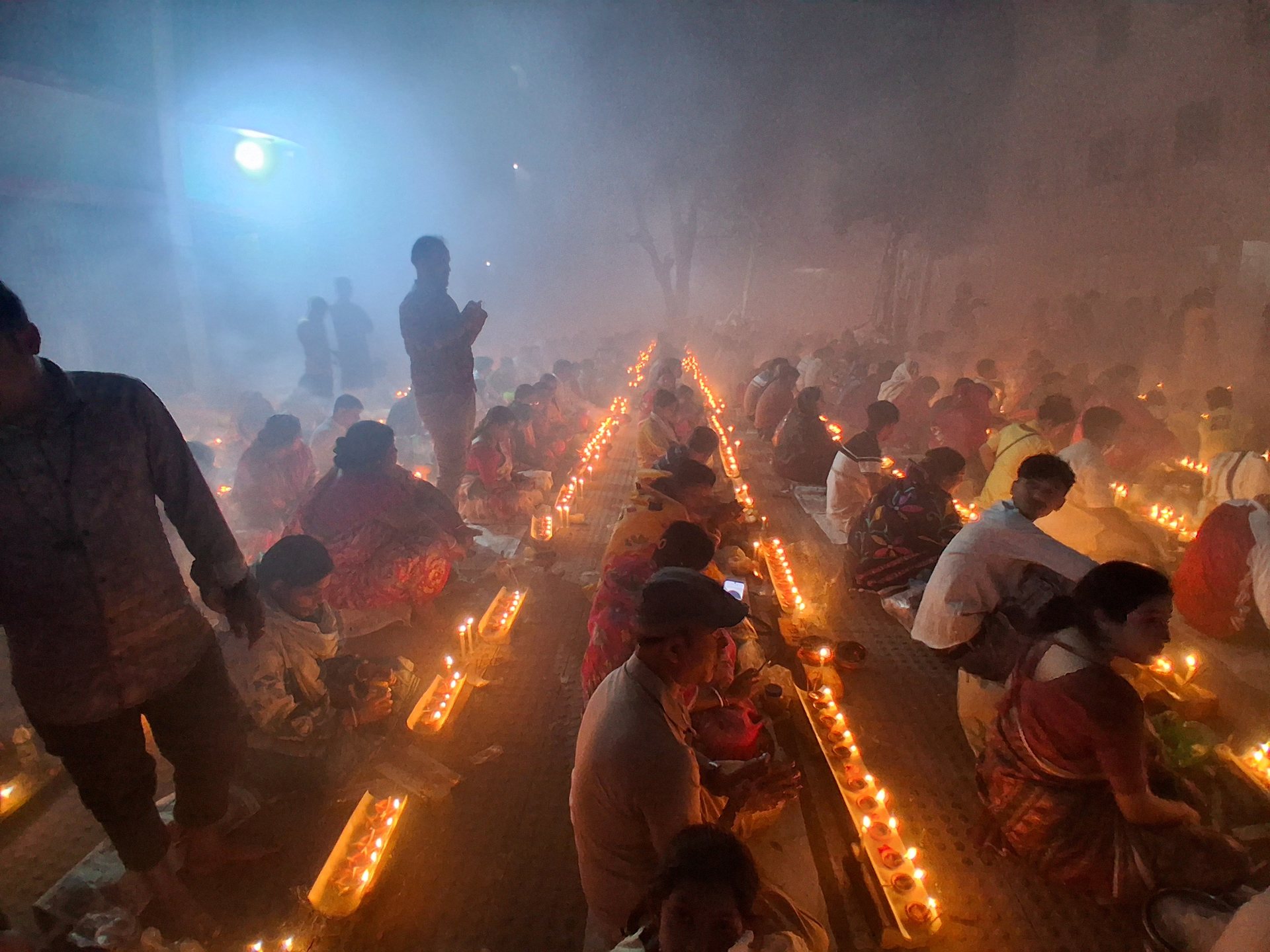
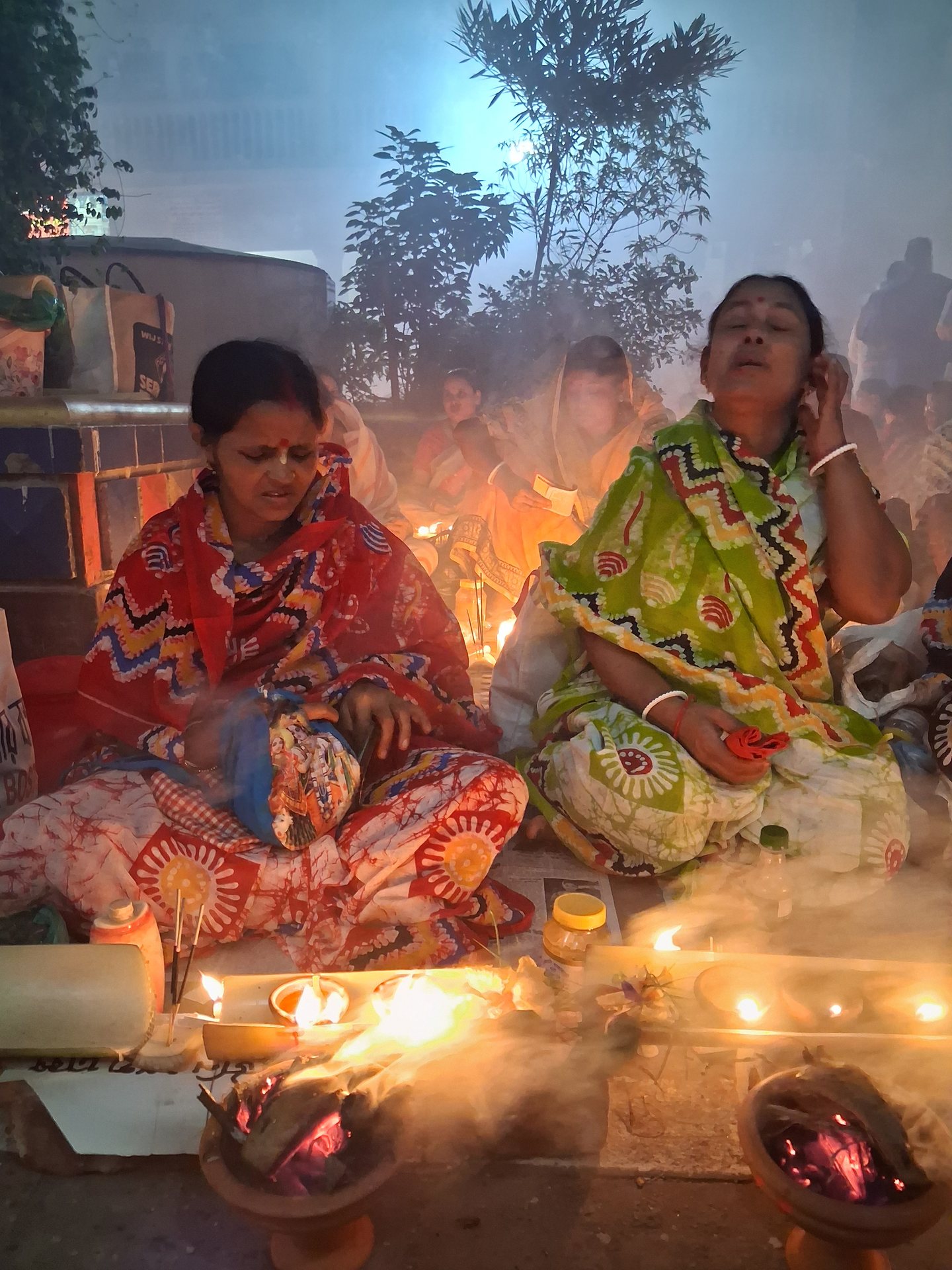
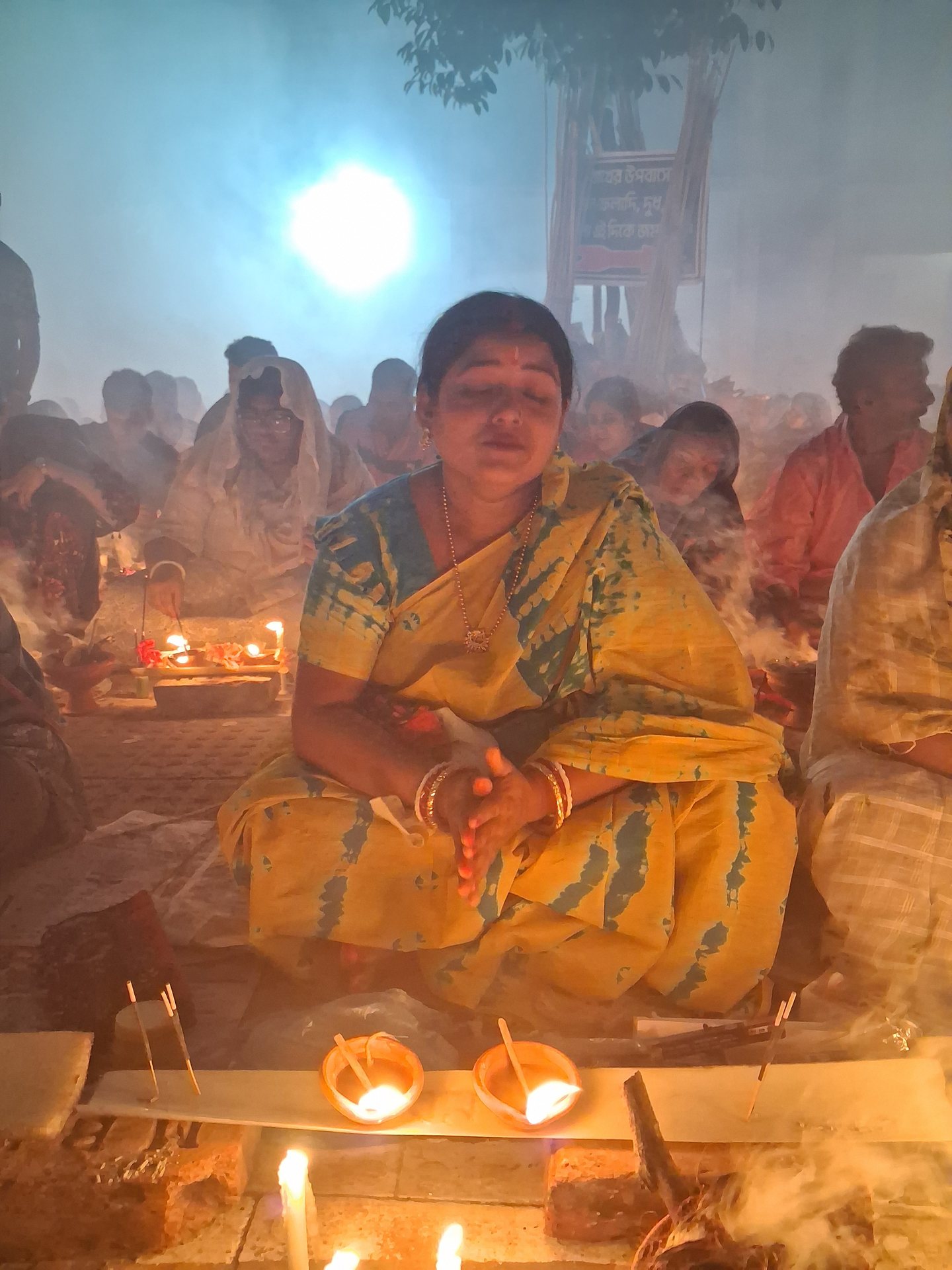
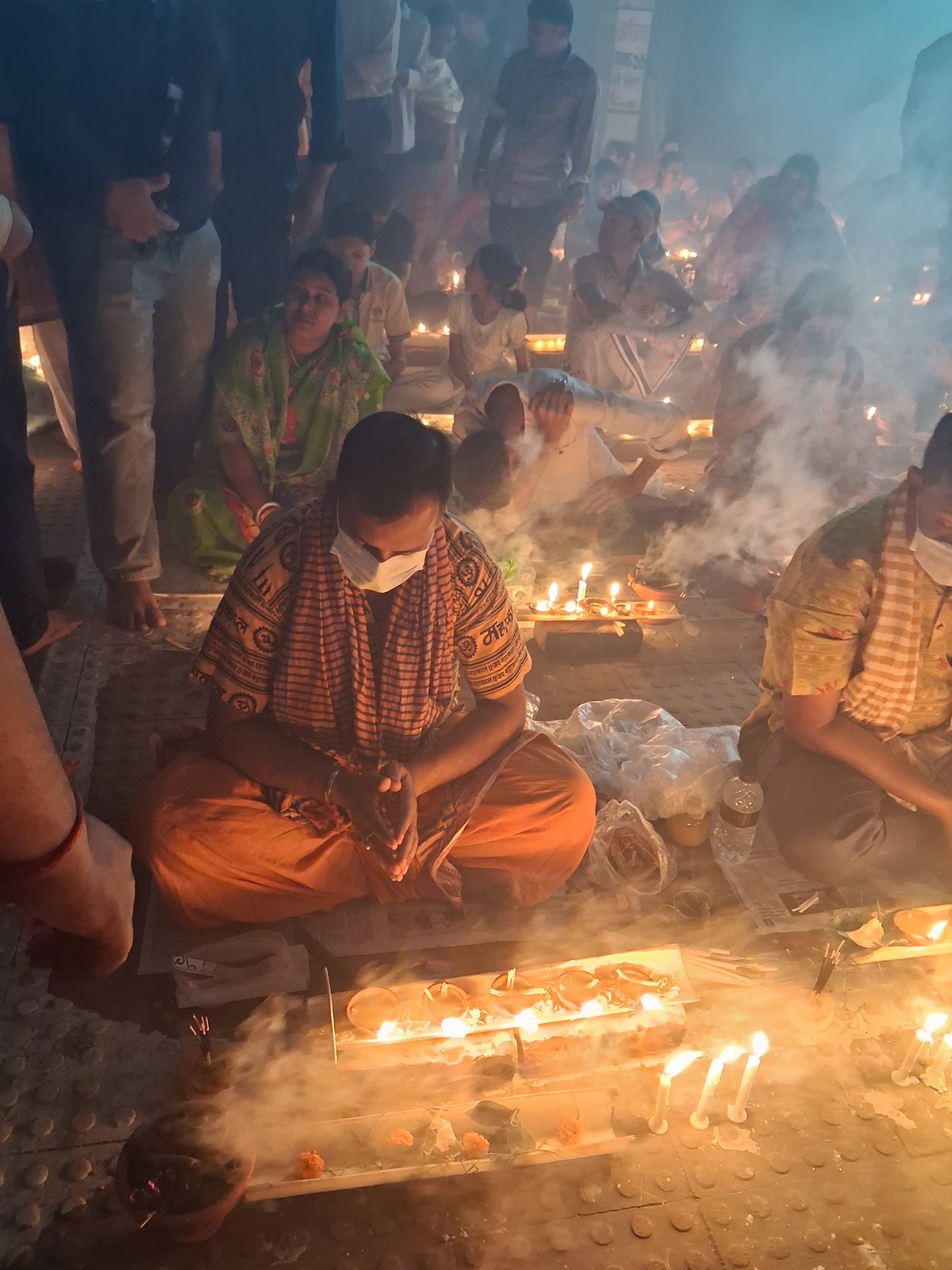
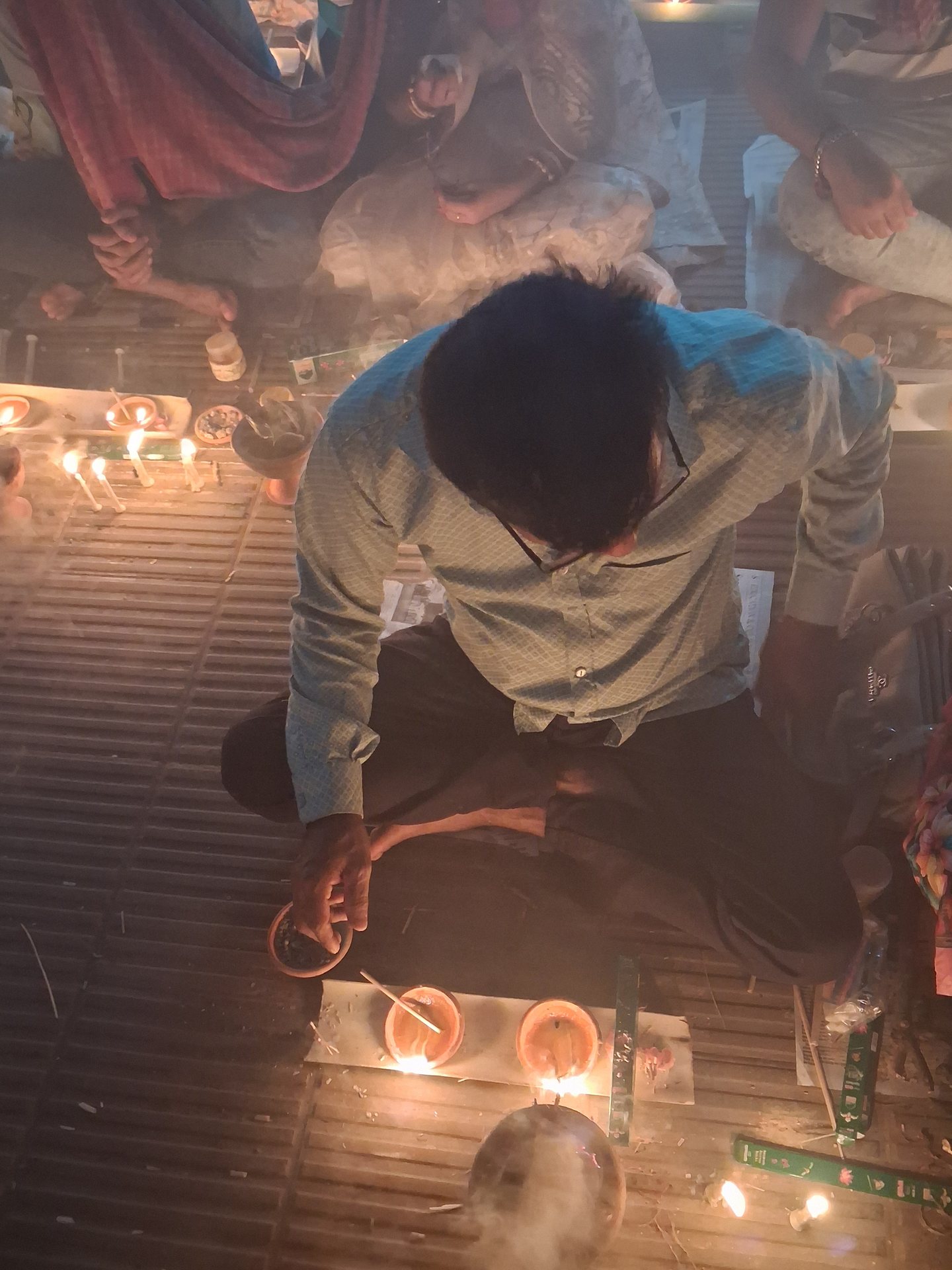
Rakher Upobash is a Hindu evening of fasting and lamps held at the Lokenath Brahmachari Ashram in Barodi, near Sonargaon, about two hours from Dhaka. Thousands of devotees who have fasted all day sit in long rows and, at dusk, light clay lamps and incense together, praying for the safety of the people they love.
Rakher Upobash takes place on the Saturdays and Tuesdays of the last 15 days of the Bengali month of Kartik, which fall in the first half of November. In 2026 the evenings were 3, 7, 10 and 14 November. For 2027 we expect Tuesday 2, Saturday 6, Tuesday 9 and Saturday 13 November, to be confirmed nearer the time. Visitors of every faith are welcome and there is no ticket. Our guide Abu Raihan Morshed took guests on 14 November 2026, and the photos on this page are his. Updated 15 November 2026.
| Year | Evenings |
|---|---|
| 2027 (expected) | Tuesday 2, Saturday 6, Tuesday 9 and Saturday 13 November |
| 2026 (held) | Tuesday 3, Saturday 7, Tuesday 10 and Saturday 14 November |
The dates follow the Bengali calendar, so they move by a day or so each year, and a traditional almanac can place them slightly differently from the national calendar. We update this page when the ashram’s dates are known. If you can choose, the Saturdays draw the biggest crowds; the Tuesdays are a little calmer, with the same ritual.
The name is Bengali (রাখের উপবাস): upobash means a fast, and rakher comes from the word for keeping or protecting. It is a fast kept so that someone is kept safe. The observance is also called Kartik Brata, the vow of Kartik. Followers of the saint Baba Lokenath go without food through the day, then sit before lamps and burning incense in the evening and pray for the health of their children, parents, husbands and wives. Many come to give thanks for a wish they believe was granted, or to ask for a relative to recover from illness. Devotees say the practice goes back to Lokenath himself, who is said to have told people to fast and light lamps in Kartik for protection from disease.
Lokenath Brahmachari was a Bengali Hindu yogi and one of the most loved saints of Bengal. His followers believe he was born in 1730 in what is now West Bengal and spent decades wandering and meditating before he came to Sonargaon in the 1860s. He settled at Barodi, on the bank of the Meghna, where his ashram grew up around him, and he died there in 1890. His shrine is the heart of the ashram today, and Hindu families across Bangladesh and West Bengal keep his picture at home.
This is how the evening went when we were there on Saturday 14 November 2026. The times shift a little with sunset.
The half hour after the lamps are lit is the reason to come. It is one of the most striking sights in Bangladesh, and it lasts less than an hour, so arrive early rather than on time.
The Shri Shri Lokenath Brahmachari Ashram is in Barodi (also spelt Baradi) in Sonargaon upazila, Narayanganj district, east of Dhaka. Allow about two hours each way from central Dhaka, and longer coming back, when thousands of people leave at once.
Barodi is a short drive from the old capital, so the evening fits well after a morning at Panam City, the Sonargaon Folk Art Museum and a Jamdani weaving village.
On Rakher Upobash evenings we can extend our Panam City and Old Capital Sonargaon Day Tour so that it ends at the Barodi ashram on request: Sonargaon in the morning, lunch, then the ashram from mid-afternoon with a guide who knows where to stand and when to leave. A private car waits for the drive back to Dhaka. Tell us which evening suits you, or add it to your own trip plan. For other dates in the year, see our guide to festivals in Bangladesh.
We expect Tuesday 2, Saturday 6, Tuesday 9 and Saturday 13 November 2027: the Saturdays and Tuesdays in the last 15 days of the Bengali month of Kartik. The dates are to be confirmed, and this page is updated when they are.
Just after sunset, which in early November is a little after 5pm. On 14 November 2026 the first lamps were lit at about 5.15pm and the courtyard was at its brightest between 5.25pm and 5.45pm.
Yes. Visitors of every faith and nationality are welcome to watch, and many travellers and photographers come each year. Dress modestly, take off your shoes and keep out of the rows where people are praying.
No. Entry to the ashram is free and there is no ticket for the evening.
About two hours by road from central Dhaka, by the Dhaka to Chattogram highway and Mograpara in Sonargaon. Allow more time for the return, because the roads around Barodi are crowded after the ritual.
Upobash is Bengali for a fast, and rakher comes from the word for keeping or protecting: a fast kept for the protection of loved ones. It is also known as Kartik Brata.
Yes. Lokenath temples and ashrams elsewhere in Bangladesh, including in Dhaka, keep the same evenings on a smaller scale. Barodi, where the saint lived and died, has by far the largest gathering.
No. Diwali, with Kali Puja, falls on the new moon earlier in the season and is celebrated in homes and temples everywhere. Rakher Upobash is a separate observance of Baba Lokenath’s followers, held on fixed weekdays later in Kartik, with a day-long fast and lamps lit together in one place.
It is peaceful, but crowded and smoky, with a walk at each end and nowhere much to sit. Older travellers and families do best on a balcony, arriving early and leaving a little before the crowd.
Day Tours
from $70 per person
 On now
Indigenous festivals
The Garo thank the sun god for the harvest with drums, songs and dances. Held village by village from late October to…
 22 to 24 Nov 2026
Fairs and melas
No fair at Dublar Char in 2026: the Rash Purnima puja and dawn holy bath run 22 to 24 November for Hindu…
 24 Nov to 24 Dec 2026 (expected)
Fairs and melas
At Rash Purnima the deity returns to the Kantajew Temple, Bangladesh's finest terracotta temple, and a month-long fair begins. Expected 2026 dates.