
Sylhet

About Sylhet
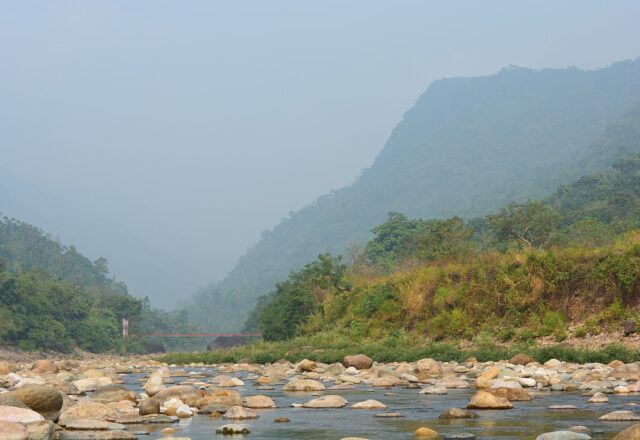
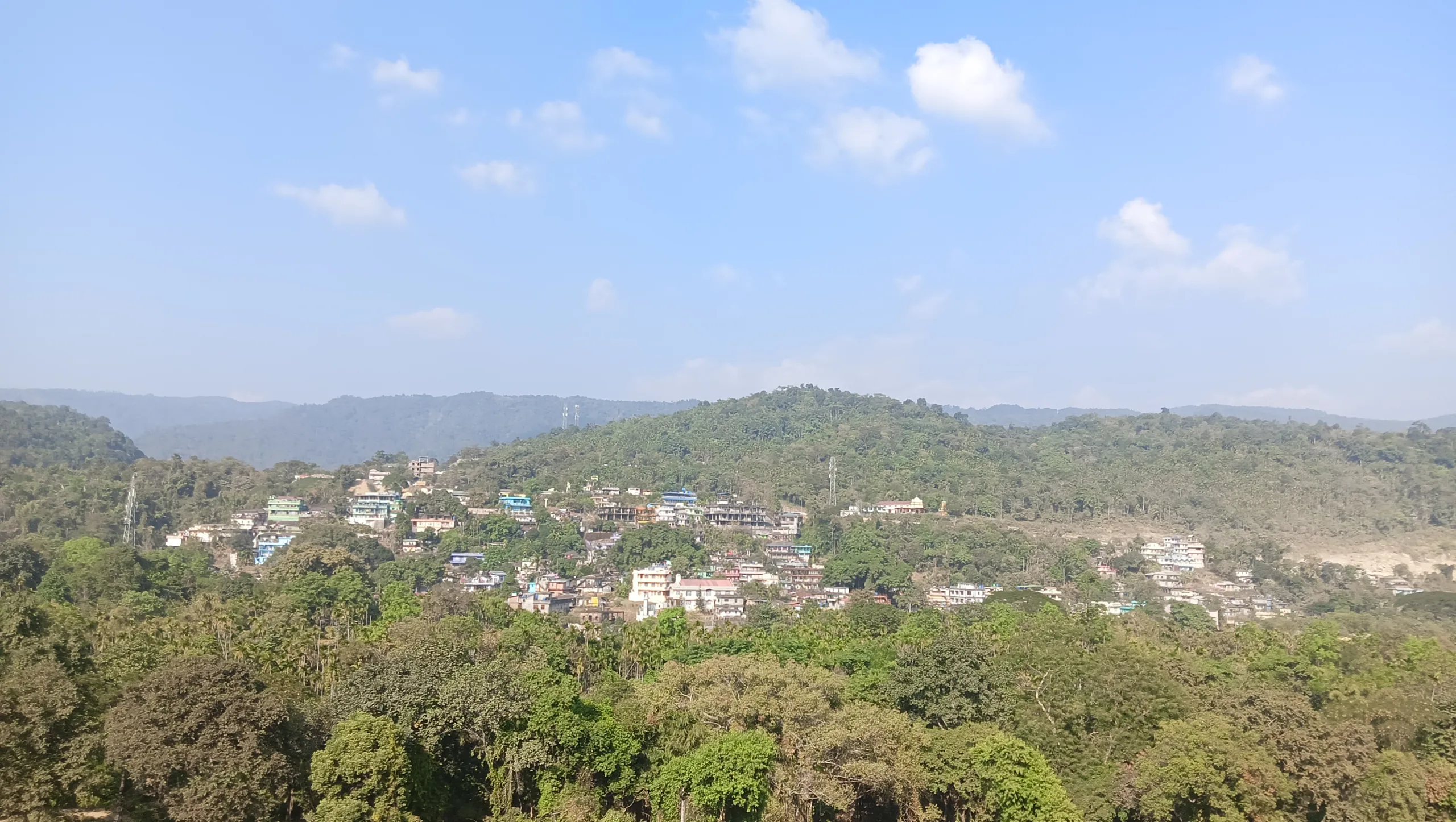
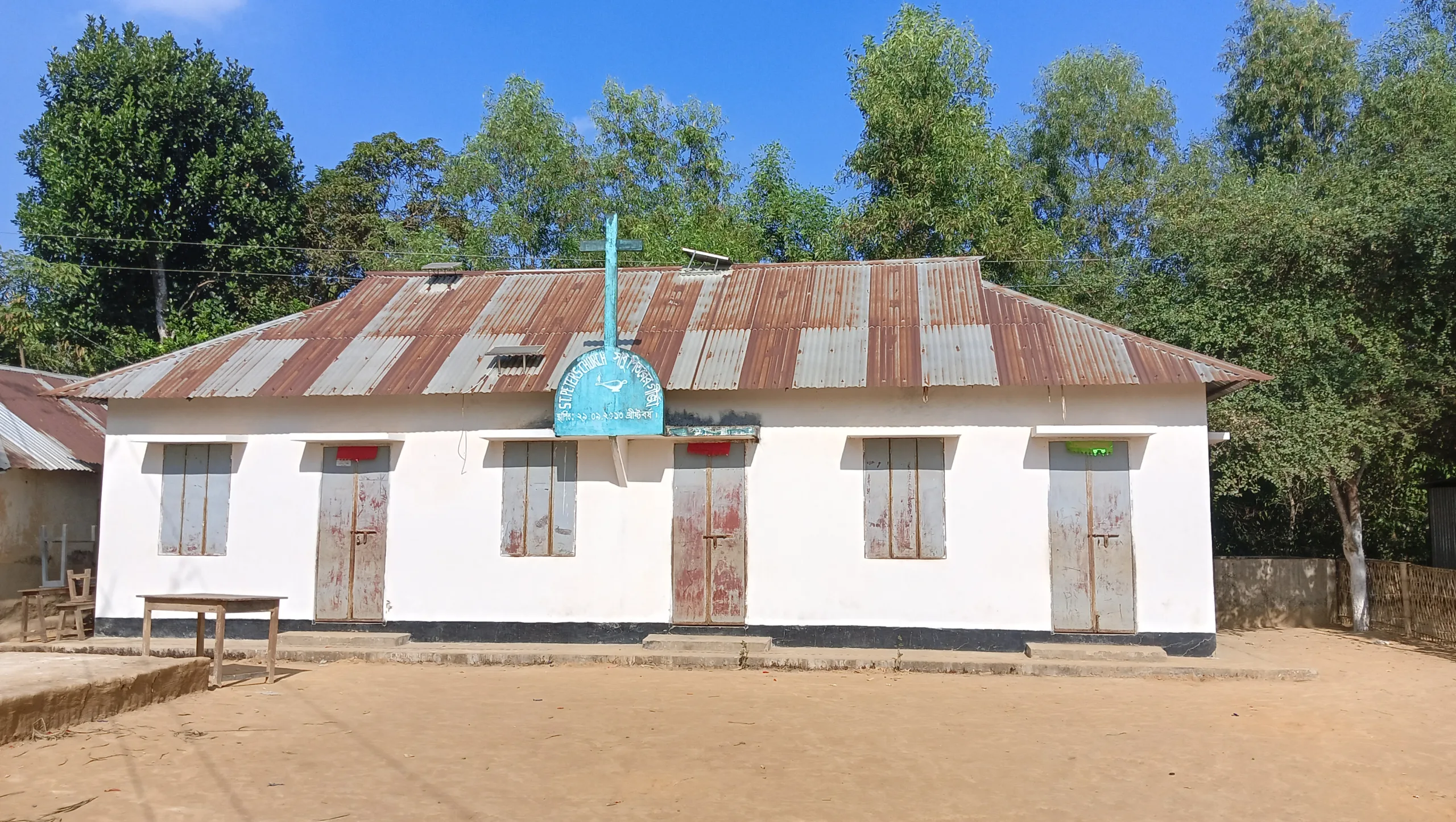
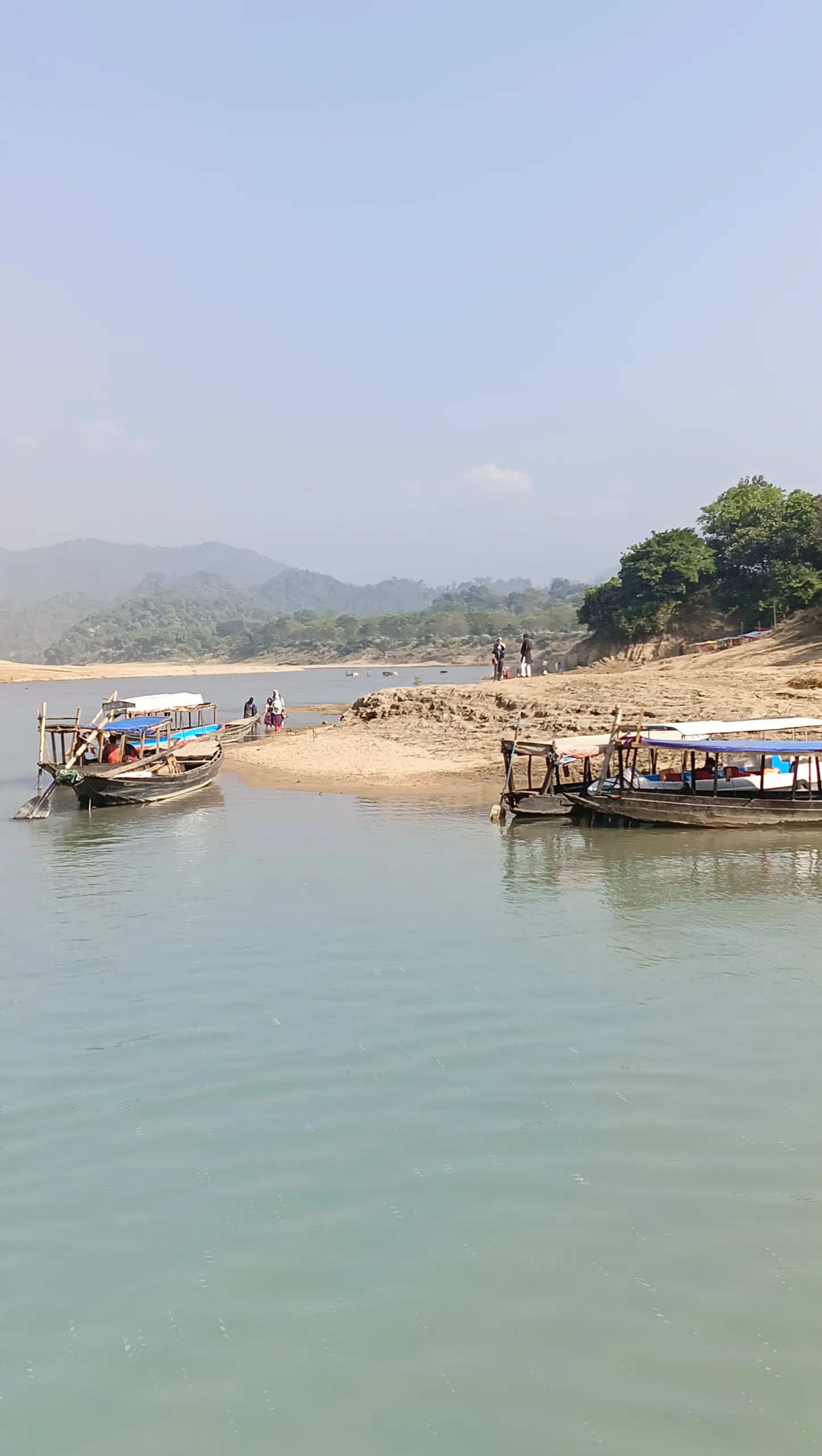
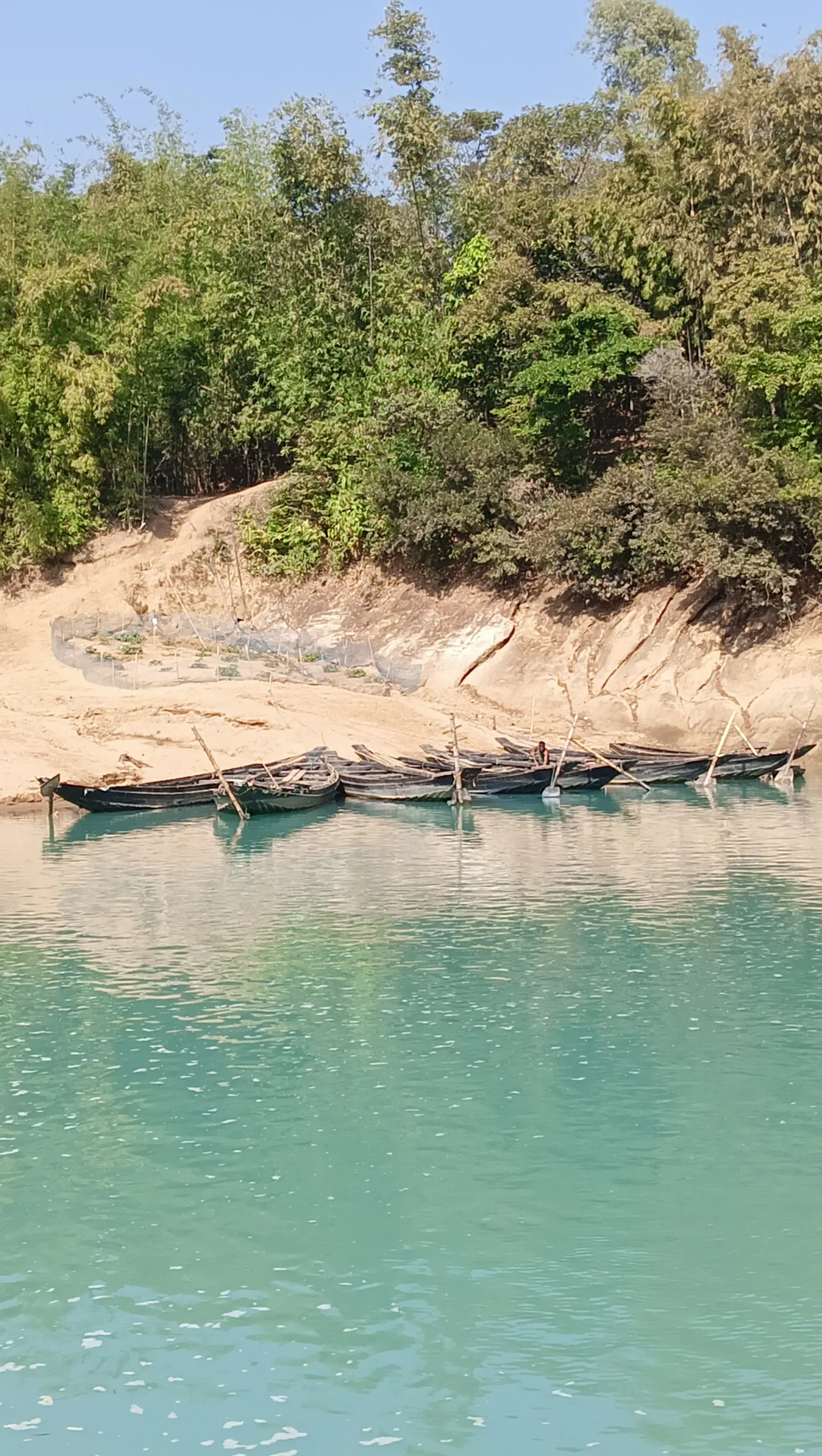
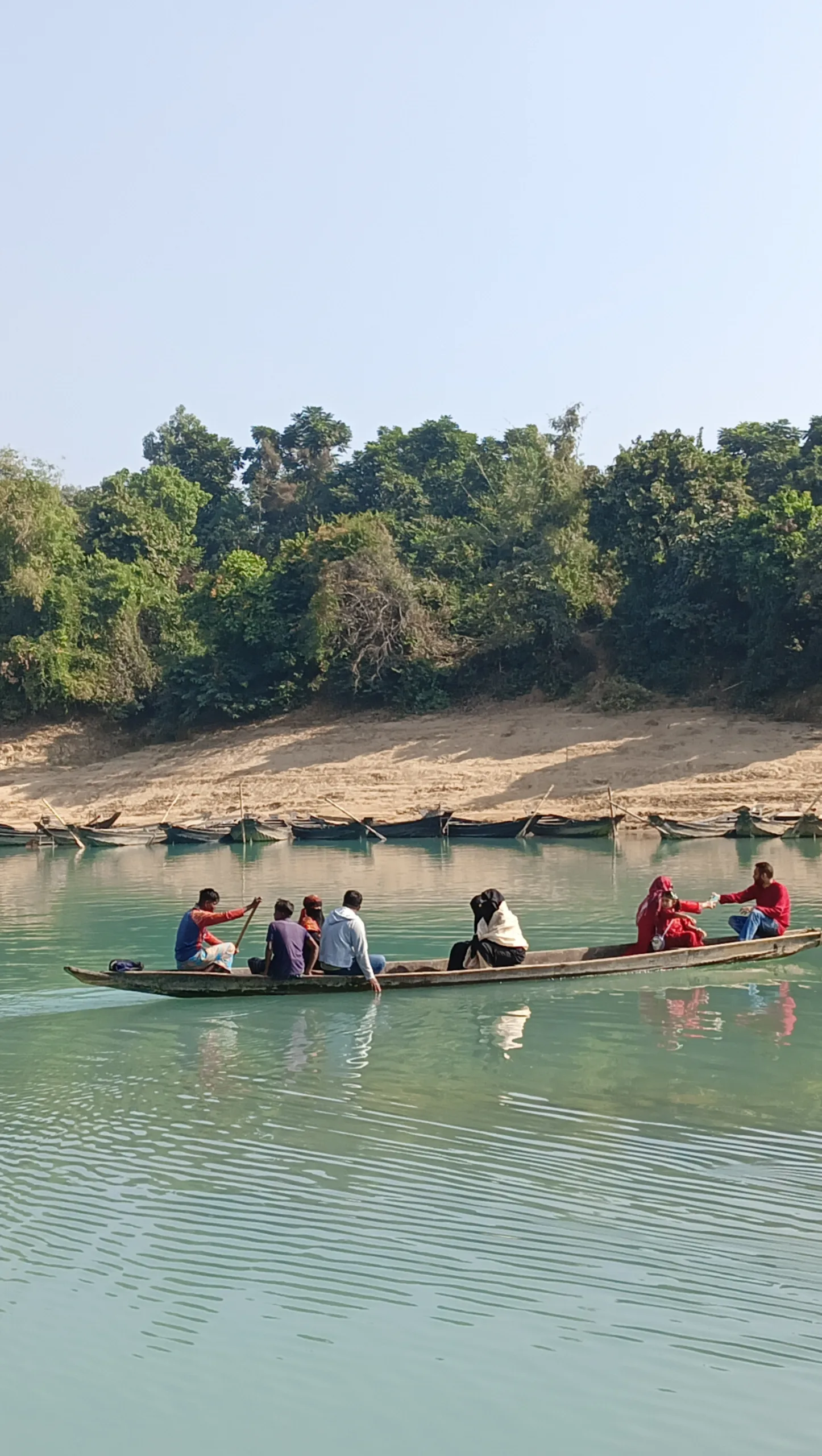
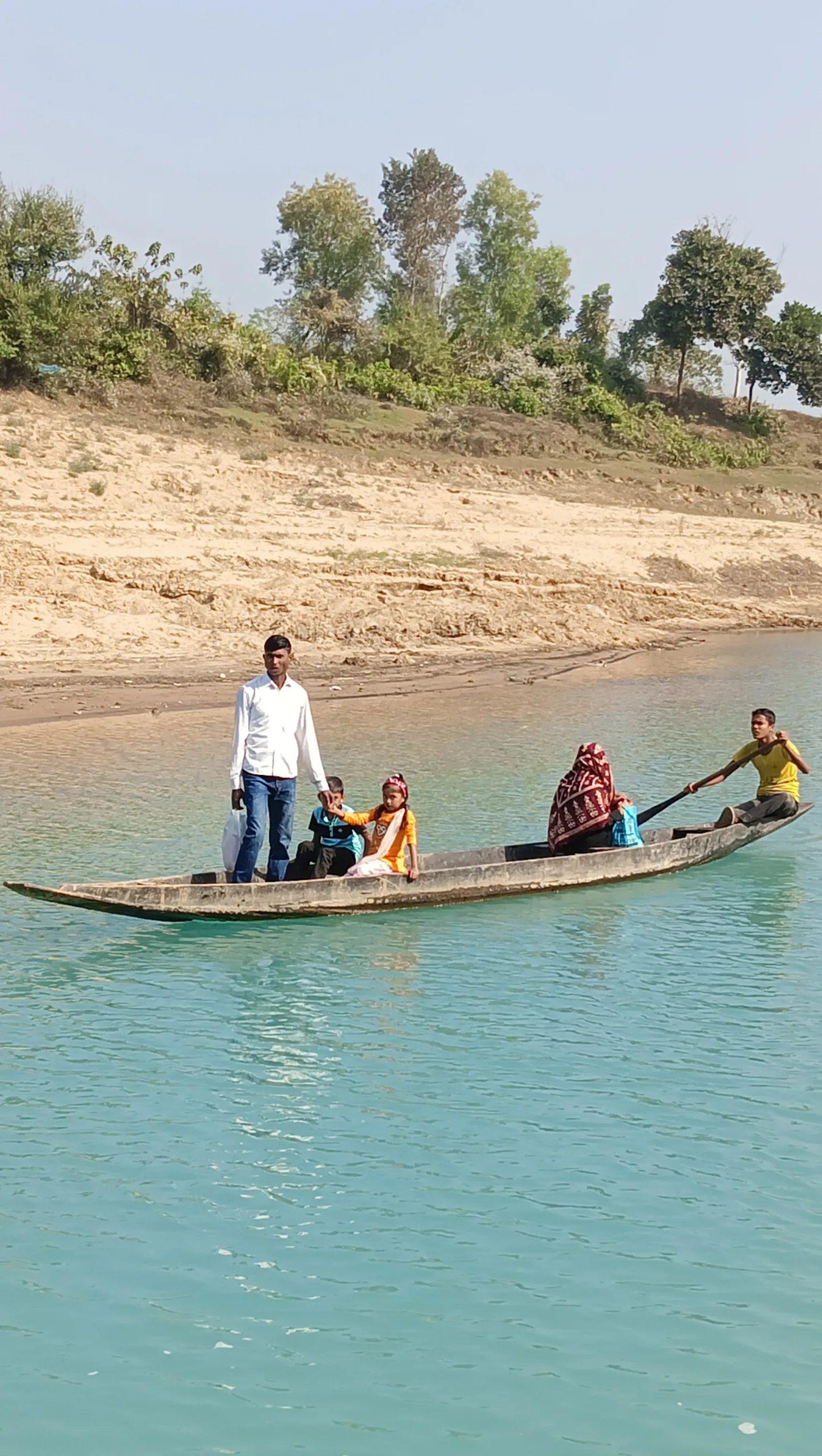
Sylhet sits in the far northeast, where the plains of Bangladesh meet the hills of the Indian state of Meghalaya. Rain falling on those hills feeds clear rivers, wetlands and stony riverbeds that look nothing like the rest of the country.
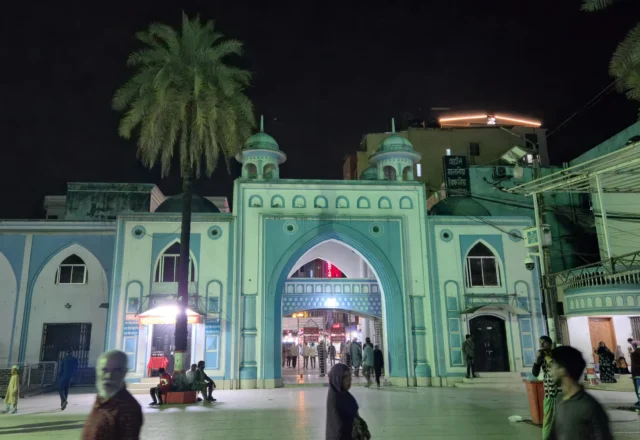
The city itself is a place of pilgrimage. The shrine of Hazrat Shah Jalal, the 14th-century Sufi saint who brought Islam to the region, draws visitors from across the country. Sylhet is also known for its many families abroad, especially in Britain, where much of the curry house trade traces its roots to this region.
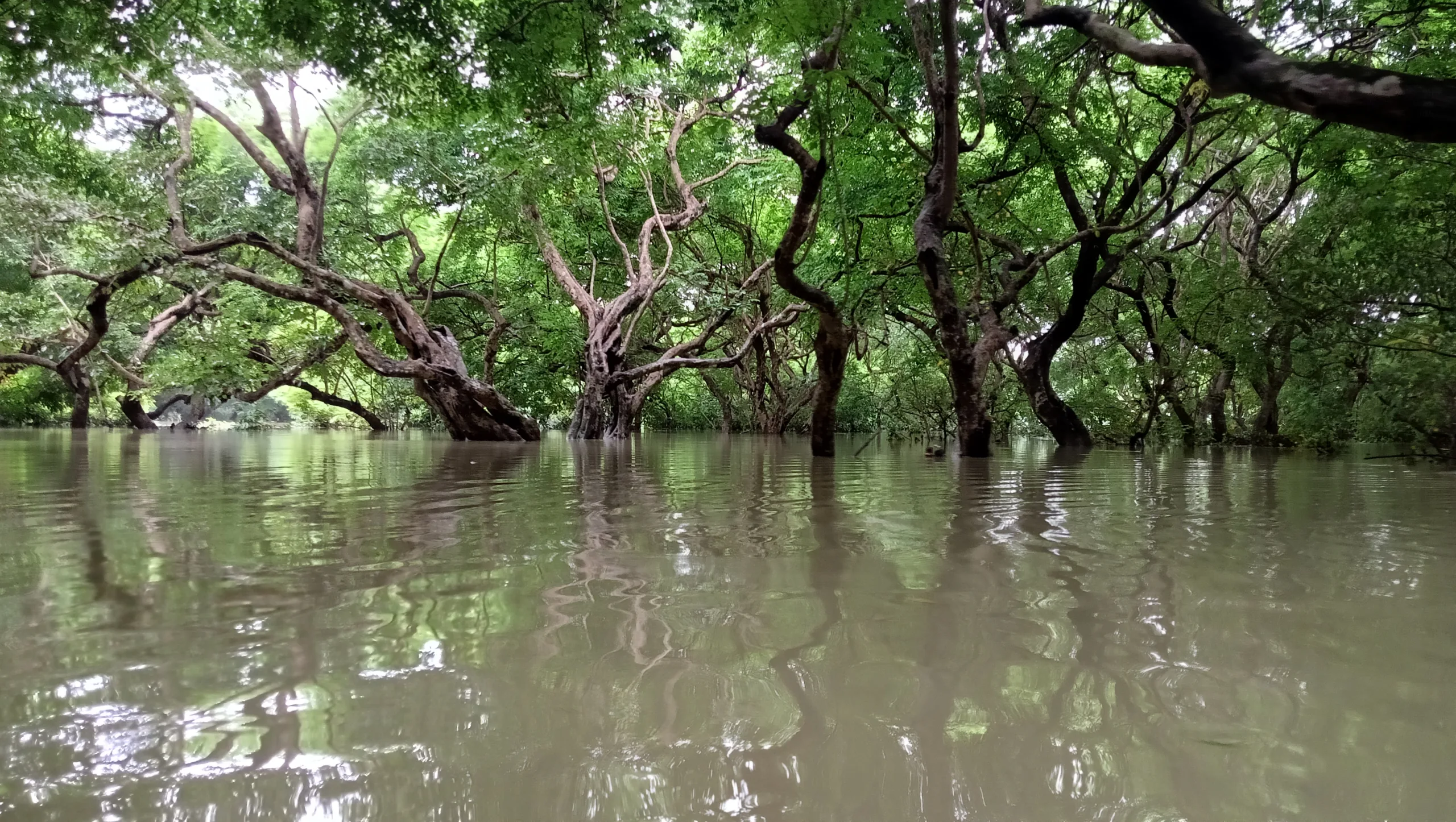
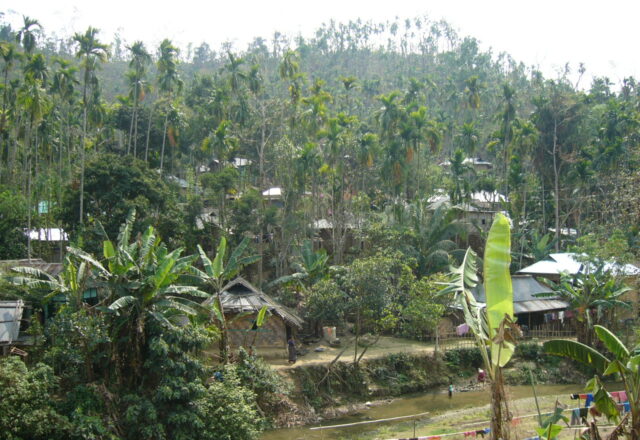
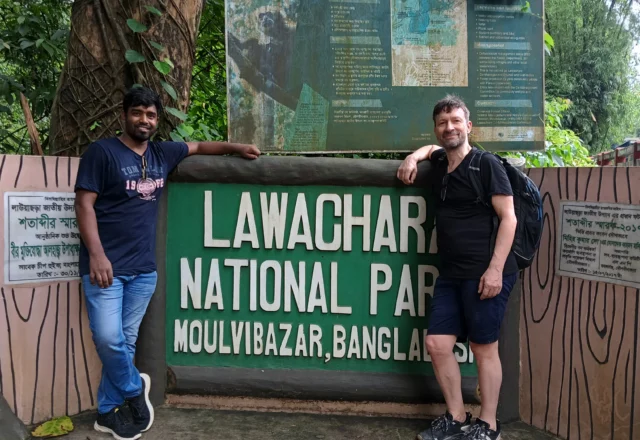
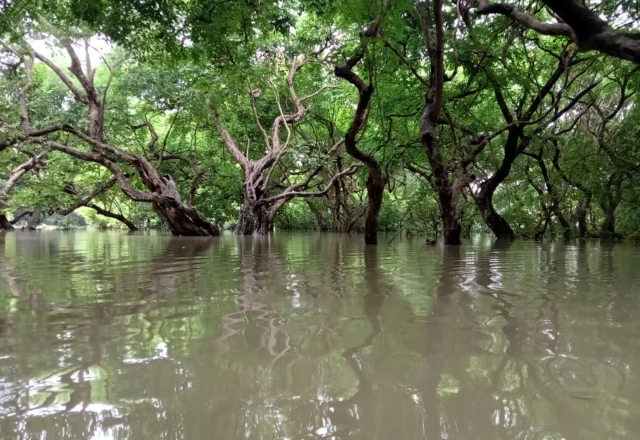
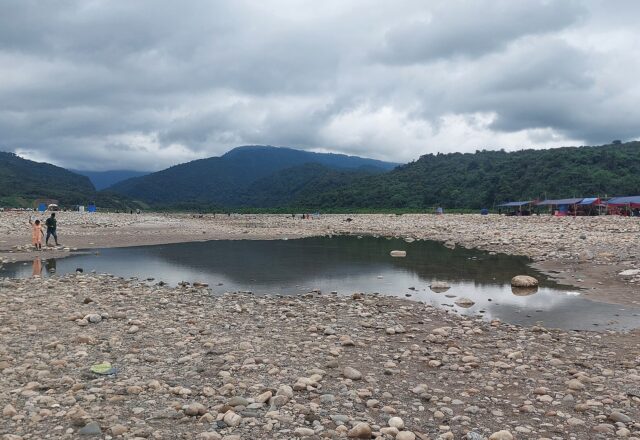
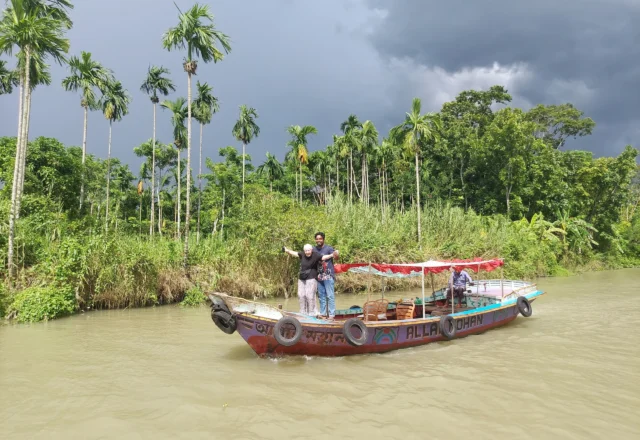
Outside the city, Ratargul is a freshwater swamp forest you glide through by wooden boat when the water is high. At Jaflong and Sada Pathor the rivers run clear over stones washed down from the hills, and at Bichhanakandi you can wade in pools right at the border. Khasi villages grow betel leaf in the forest, and further south Lawachara National Park is home to hoolock gibbons.
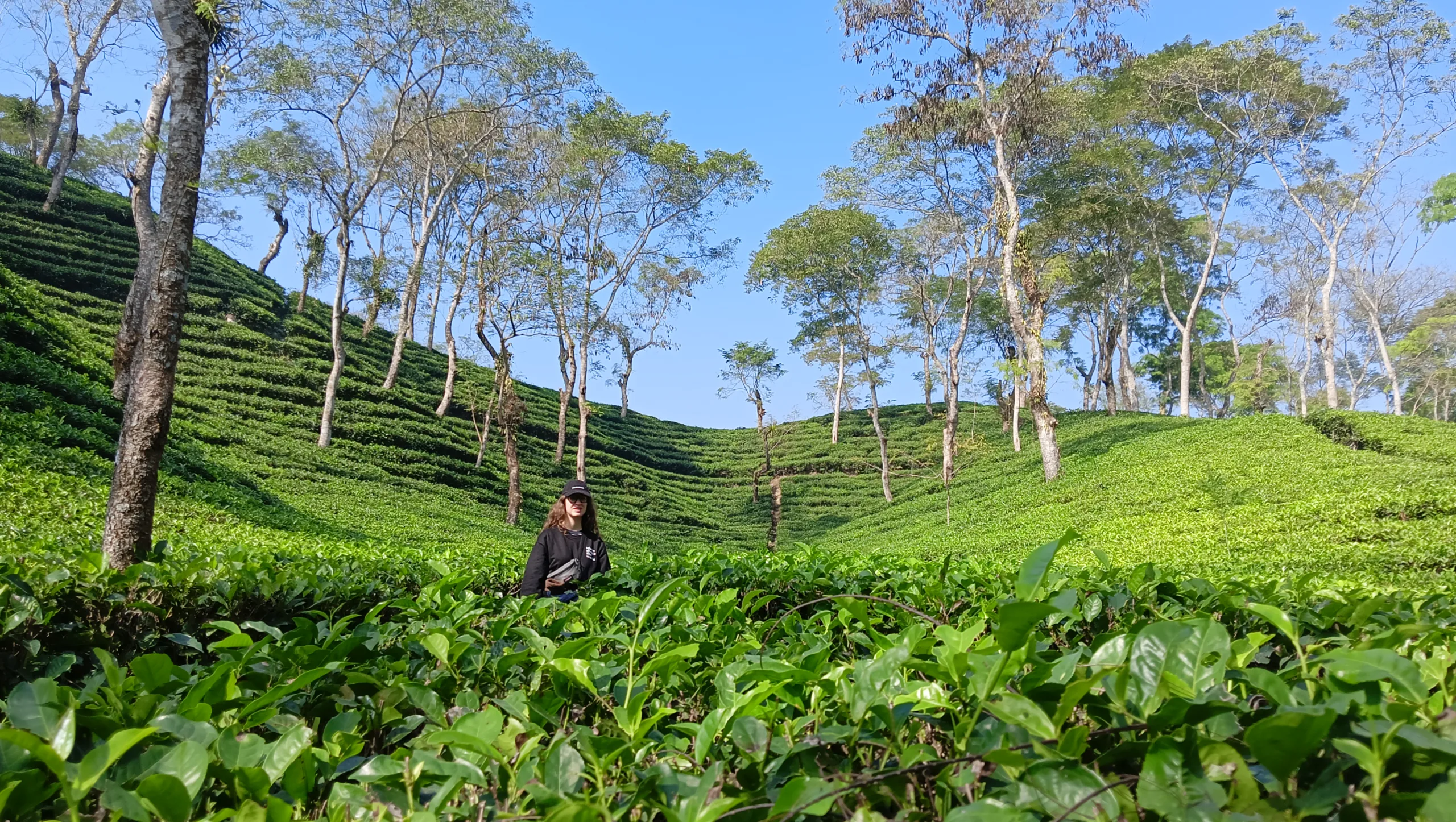
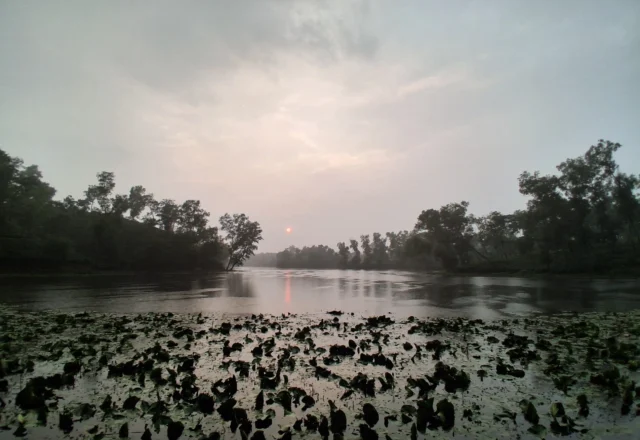
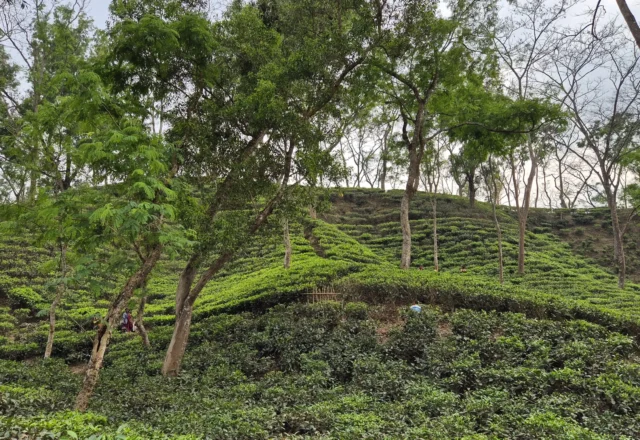
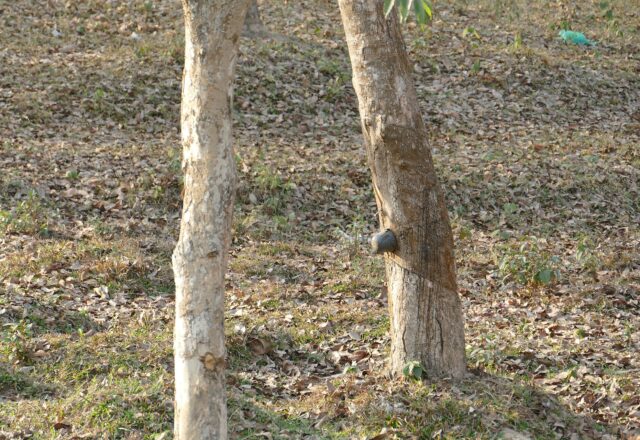
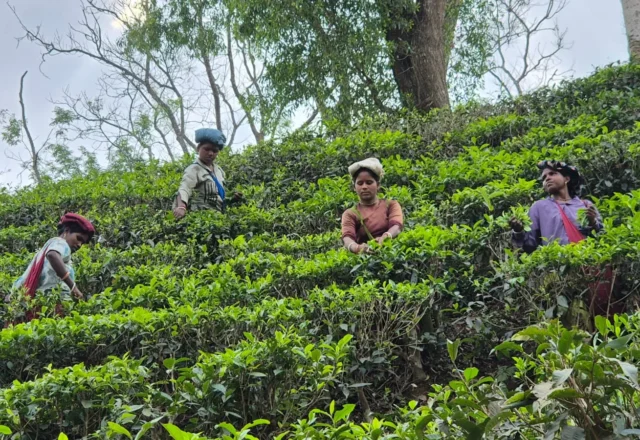
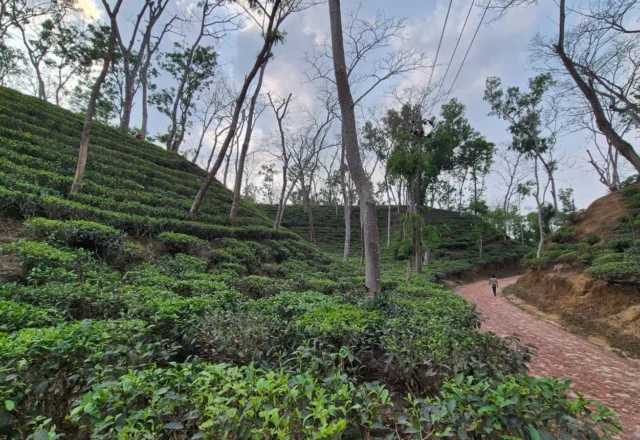
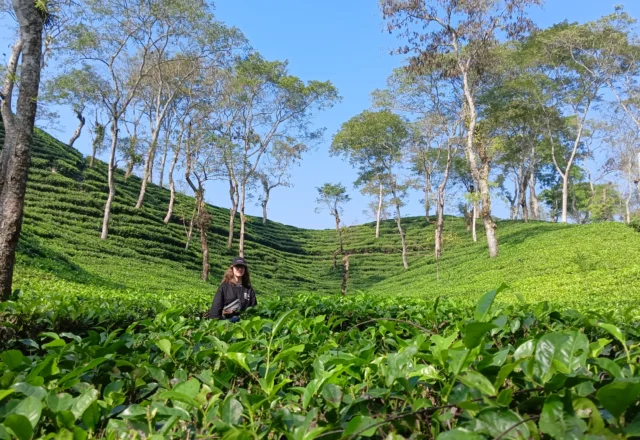
South of the city, Moulvibazar district is tea country. Sreemangal, the tea capital of Bangladesh, is surrounded by estates such as Nur Jahan, with the lily-covered Madhabpur Lake, Monipuri villages known for weaving and dance, and the rubber gardens close by.
Many of these places are at their best in or just after the monsoon, when the rivers are full, so Sylhet is the one division we recommend outside winter too.
Things to do
-
Row through Ratargul swamp forest
From roughly July to October the forest stands in water, and a small wooden boat takes you between the trees. It is quiet, green and unlike anywhere else in the country.
-
Visit the shrine of Hazrat Shah Jalal
The most important Sufi shrine in Bangladesh, busy with pilgrims day and night. Visitors are welcome; dress modestly and remove your shoes.
-
See the clear rivers at Jaflong and Sada Pathor
Boats carry you over turquoise water and white stones below the green hills of Meghalaya, with stone collectors at work along the banks.
-
Meet a Khasi village
The Khasi people grow betel leaf on trees in the forest. With a local guide you can visit a village and see how the leaves are harvested.
-
Look for gibbons at Lawachara
This hill forest is one of the last homes of the hoolock gibbon in Bangladesh. Walk the trails early in the morning to hear their calls.
Getting there
By air: flights from Dhaka to Sylhet take about 45 minutes. Sylhet also has some direct international flights, including from the Middle East and, at times, London.
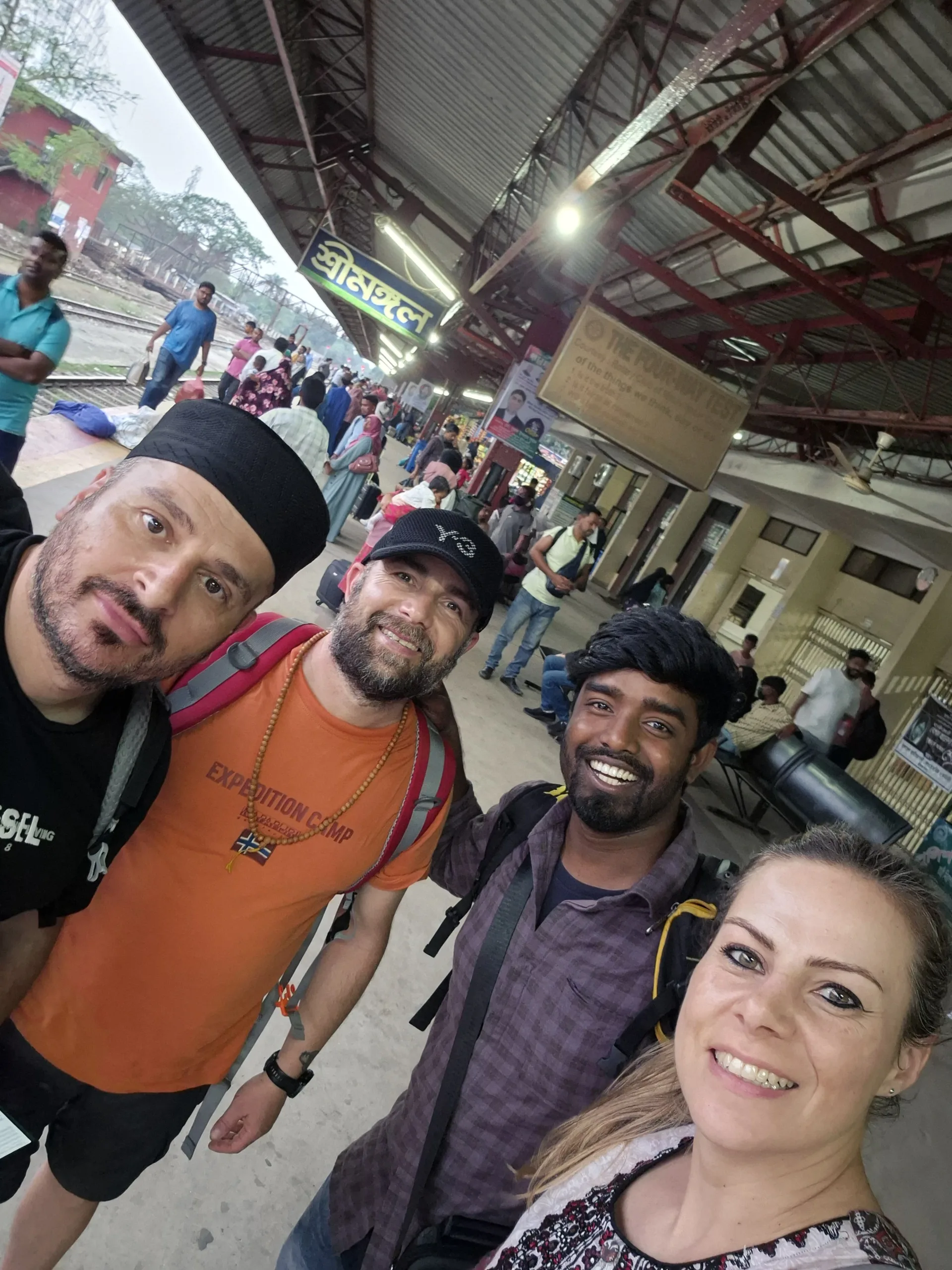
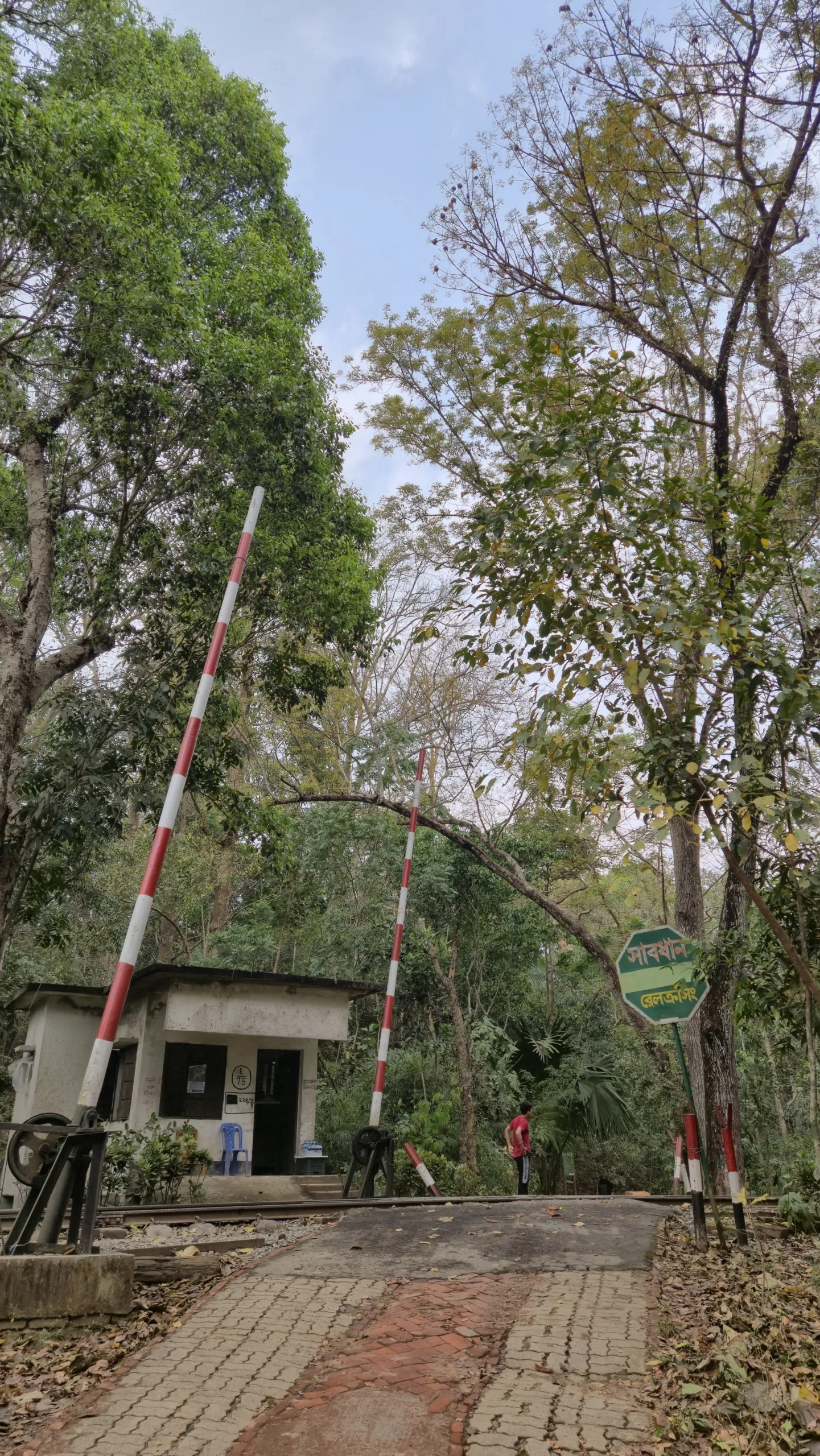
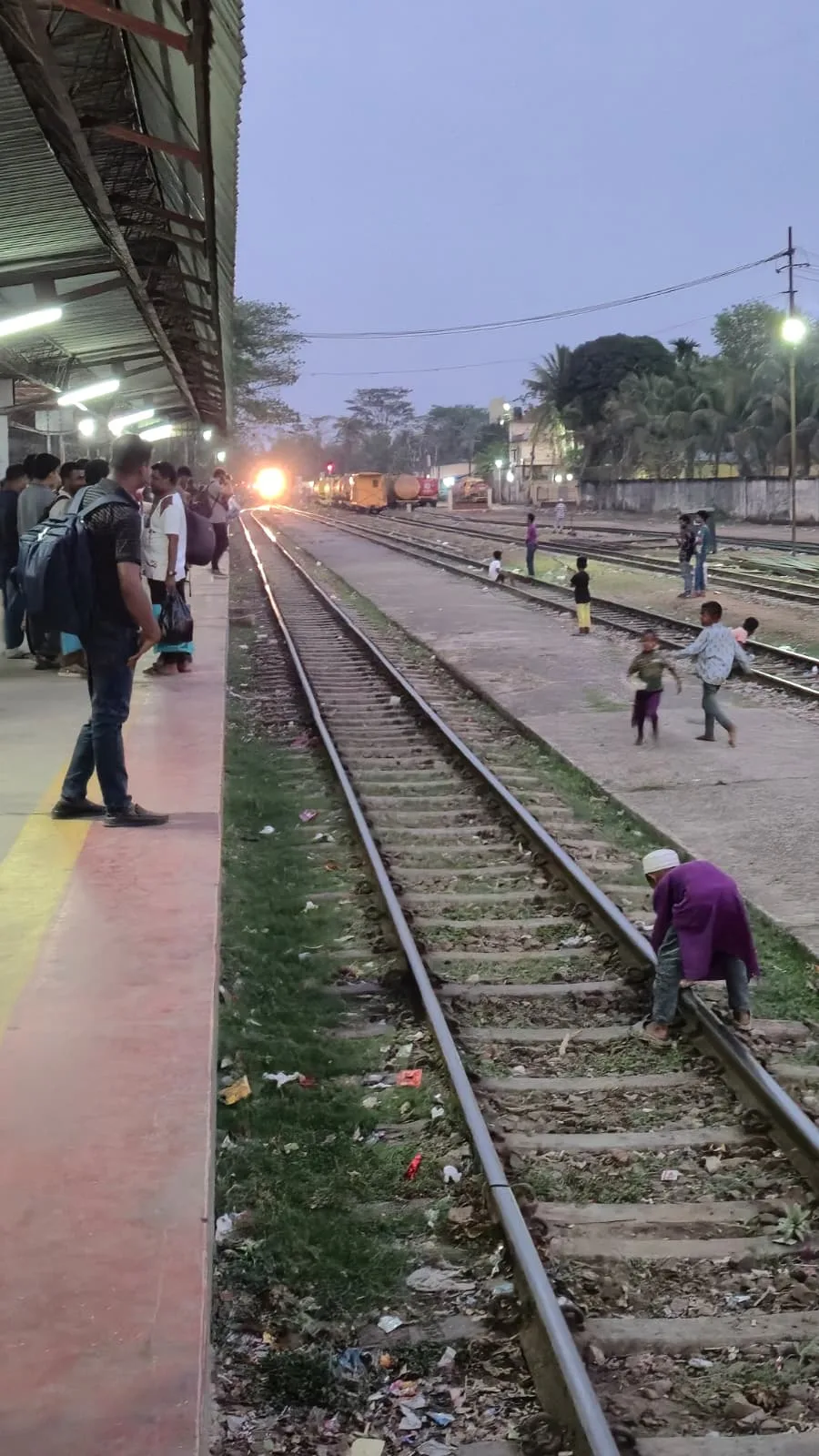
By train: intercity trains from Dhaka take around seven hours, passing through tea country near Sreemangal.
Getting around: the sights are spread out, from one to three hours from the city, so a private car and a planned route make the most of your days.
Where to stay
Sylhet city has comfortable hotels and a few resorts on its outskirts set among tea gardens and hills.
Many travellers combine Sylhet with Sreemangal, about three hours away, and stay a night or two in each. We suggest hotels that fit your budget when we send your tour price.


Tours that visit Sylhet
 Holiday Tours
Explore the Natural Beauty of Bangladesh
Price on request
 Short Tours
Sreemangal & Sylhet Discovery Tour: Tea, Tribal Culture & Nature
from $400 per person
 Holiday Tours
Ten Days Across Bangladesh
from $800 per person
 Short Tours
The Best of Bangladesh: City, Tea & Heritage Tour
from $500 per person
Questions
When is the best time to visit Sylhet?
November to February is dry and comfortable. For Ratargul swamp forest and full rivers, July to October is better, although some days bring heavy rain.
How many days do I need in Sylhet?
Two days covers the city and either Ratargul or Jaflong. Three days, or a combination with Sreemangal, gives you the full picture.
Is Ratargul worth visiting in winter?
In the dry months the water drops and the forest floor is often dry, so the boat ride is not possible. Visit between July and October for the flooded forest.
How far is Sylhet from Sreemangal?
About three hours by road. Both are easy to combine on one trip, with Lawachara National Park in between.
How do I get to Sreemangal from Dhaka?
By train is the most pleasant way: intercity trains take about four to five hours and run through the countryside into tea country. By car it is also about four to five hours. The nearest airport is Sylhet, about three hours away by road.
When can I see tea being plucked in Sreemangal?
Plucking is most active from about March to November. In the cool winter months many bushes are pruned back, so spring gives you both good weather and green gardens at estates such as Nur Jahan.