
Baitul Mukarram National Mosque
About Baitul Mukarram National Mosque
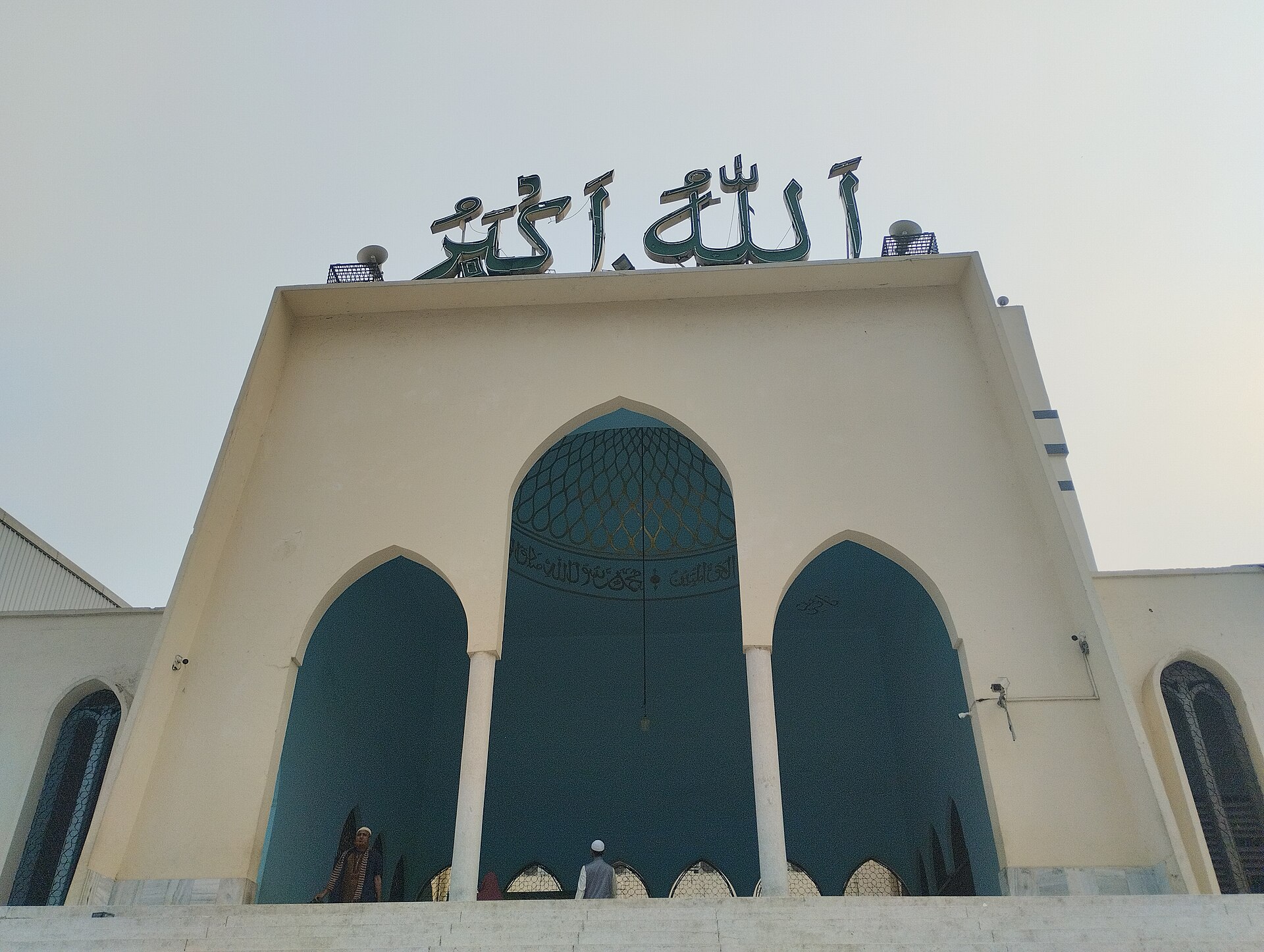
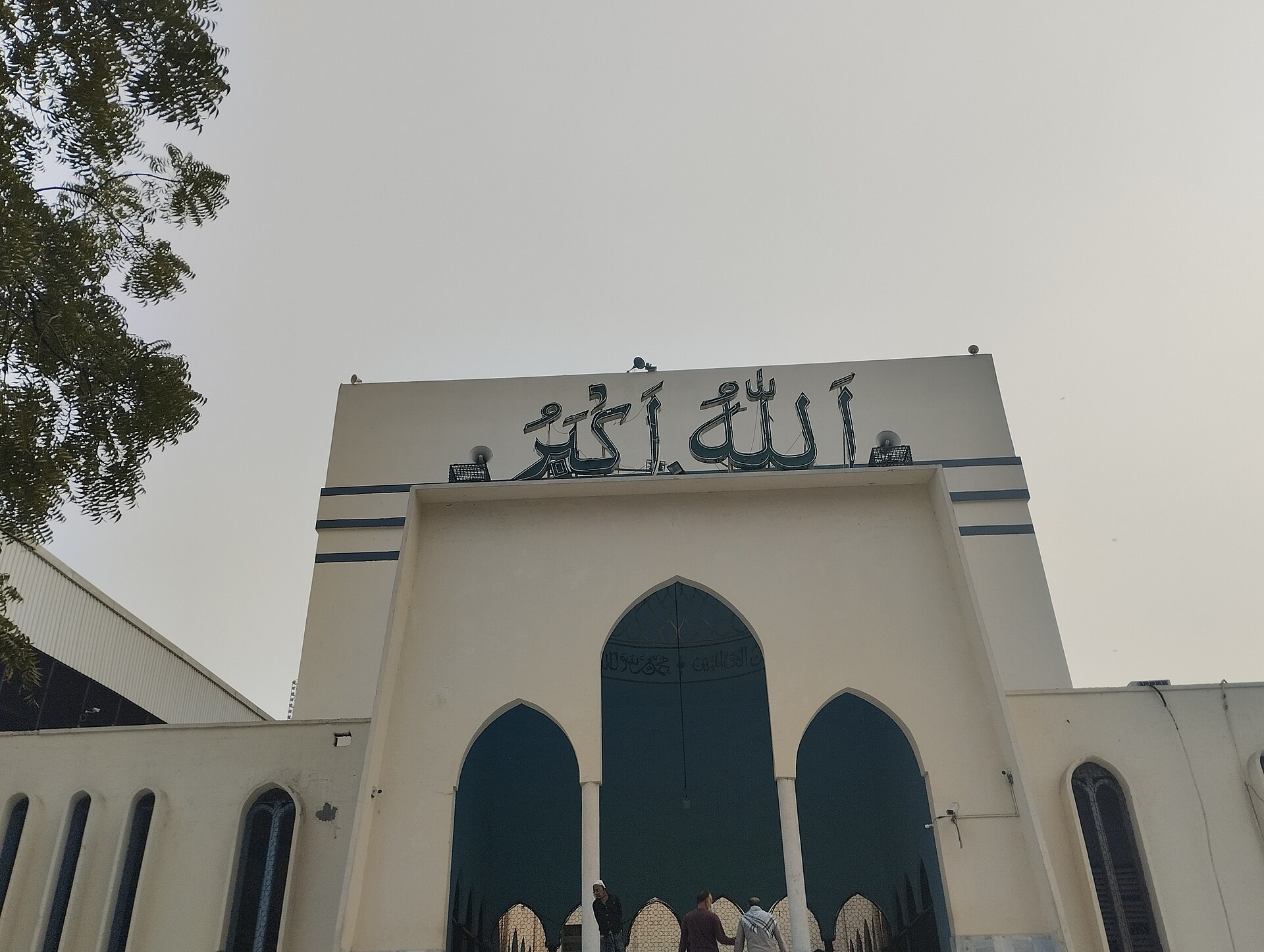
Baitul Mukarram, officially the Baitul Mukarram National Mosque, is the national mosque of Bangladesh. It stands at Paltan in central Dhaka, between the old city and the new, and can hold more than 40,000 worshippers. Its plain, cube-shaped prayer hall, with no dome, is unlike any other mosque in the country, and on Fridays and at Eid the whole area around it fills with people at prayer.
History
The idea for a grand mosque in Dhaka came from a meeting of business leaders in April 1959, led by the industrialist Abdul Latif Ibrahim Bawani. A committee chose about 8 acres between old and new Dhaka, where a large pond, the Paltan pond, was filled in. Work began in January 1960, the first prayers were held on 25 January 1963, and the mosque was completed in 1968. Since 1975 it has been managed by the Islamic Foundation Bangladesh. It was extended in 2008.
The architecture
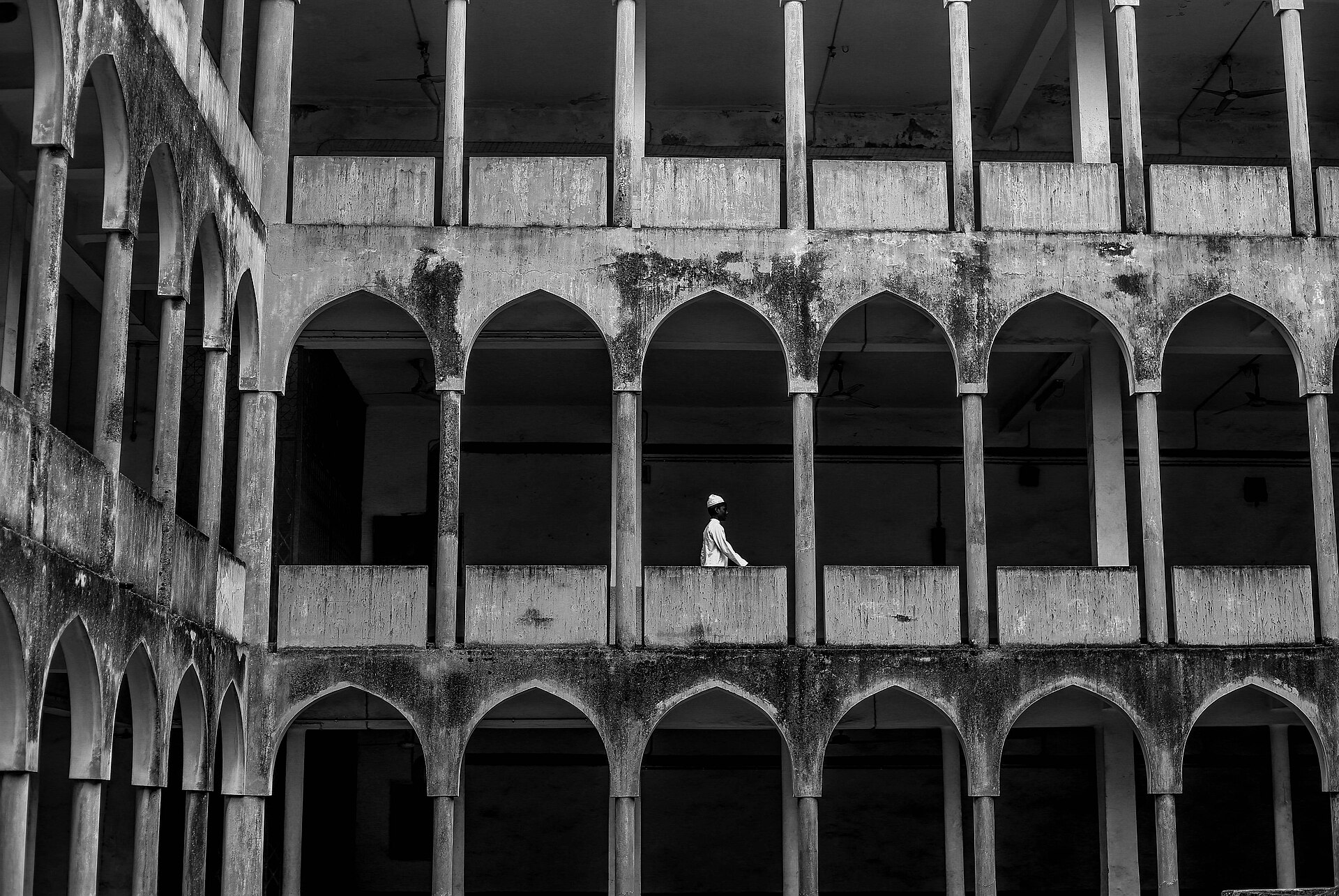
The mosque was designed by the architect Abdulhusein M. Thariani. Its great cube shape was modelled on the Kaaba in Mecca. The eight-storey building rises about 99 feet (30 metres) on a high platform, reached by wide flights of steps. In place of a dome, two entrance porticoes on the north and south carry shallow domes and tall pointed arches. Inside, two roofless courtyards bring light and air into the prayer hall, and the decoration is deliberately restrained, in the modernist spirit of the 1960s. Arcades of pointed arches line the courtyard, and a large open terrace on the east is used when the hall overflows.
Friday and Eid
On Fridays the midday Jumu’ah prayer draws huge crowds, and at Eid several congregations are held one after another, each filling the mosque and its terraces. These are moving sights from a distance, but not the time for a visit.
Prayer times and the call to prayer
Muslims pray five times a day, at dawn, midday, afternoon, sunset and night, and the times move through the year with the sun. Before each prayer the call to prayer, the azan, sounds from the mosque. The mosque is busiest for about half an hour around each prayer, and especially at the midday prayer on Friday. The quiet times for a visit are the middle of the morning and the middle of the afternoon; your guide or your hotel can tell you that day’s times.
Ramadan and Eid
During Ramadan the evening prayers fill the mosque, and the night prayers draw large congregations. At Eid ul-Fitr and Eid ul-Adha, Baitul Mukarram holds several Eid prayers one after another in the morning, and the national Eid congregation is held nearby at the National Eidgah. These are among the largest gatherings in Dhaka: watch from a respectful distance, and expect road closures in the area.
Visiting as a non-Muslim
Visitors of other faiths are usually welcome to see the mosque outside prayer times if they are dressed modestly and behave quietly; ask at the entrance, as access can change. Men should wear long trousers and covered shoulders; women should cover their arms, legs and hair, and may be shown to a separate area. Take off your shoes before entering the prayer hall, do not walk in front of people praying, and ask before taking photos of worshippers. A guide can explain the etiquette and help you ask.
The markets around the mosque
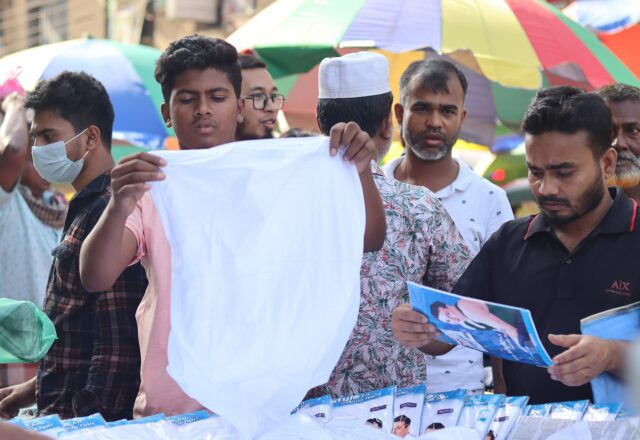
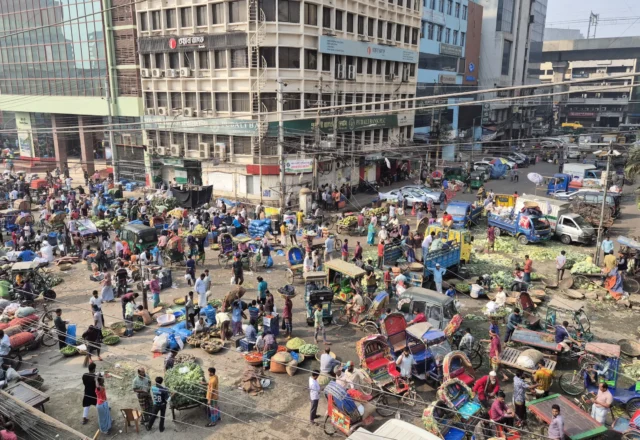
The mosque complex includes shops, and the streets around it form one of Dhaka’s busiest shopping areas, known for jewellery, electronics, prayer goods and books. It is crowded and lively, especially in the evening.
Baitul Mukarram is a short ride from the Gulistan hawker market and from Old Dhaka, so it fits easily into a city day with Ahsan Manzil or the Star Mosque.
Baitul Mukarram National Mosque opening hours and tickets
Baitul Mukarram is an active mosque: visit outside the five daily prayers, avoid Friday midday and Eid, dress modestly and ask at the entrance whether visitors are allowed in that day.
- Entry fee
- Free
Where is Baitul Mukarram National Mosque?
- Where
- Paltan, Dhaka, Dhaka Division, Bangladesh
- Also known as
- Baitul Mokarram, National Mosque of Bangladesh

Getting to Baitul Mukarram National Mosque on your own is hard work. We can send a private car with driver and guide from Dhaka or anywhere in Bangladesh.
Things to do at Baitul Mukarram National Mosque
-
See the Kaaba-inspired cube
Stand at the foot of the steps and take in the plain white cube, so different from domed mosques.
-
Walk the courtyard arcades
Pointed arches and open courtyards bring light into the prayer hall: calm between prayers.
-
Learn mosque etiquette
Your guide can explain the prayers, the call to prayer and how to visit respectfully.
-
Browse the markets
The streets around the mosque sell jewellery, electronics, books and prayer goods.
-
Combine with Old Dhaka
Continue south to Ahsan Manzil, the Star Mosque and the river.
How to get to Baitul Mukarram National Mosque
Baitul Mukarram is at Paltan in central Dhaka, a short walk from the Secretariat and Motijheel metro stations, or 40 minutes to over an hour by car from Gulshan.
By car or ride-share: 40 minutes to over an hour from Gulshan or Banani. Ask for “Baitul Mukarram”, at Paltan near Gulistan.
By metro: MRT Line 6 stops at Secretariat and Motijheel stations, both a short walk away.
Nearby: Gulistan, Motijheel and Paltan; Old Dhaka and Ahsan Manzil are 15 to 30 minutes south by rickshaw.
Where to stay near Baitul Mukarram National Mosque
Business hotels around Motijheel and Paltan are within walking distance. Most visitors stay in Gulshan or Banani and visit on a city day.

Tours that visit Baitul Mukarram National Mosque
None of our set tours stop here yet, but we can add it to a tailor-made trip.
Questions about Baitul Mukarram National Mosque
What is Baitul Mukarram?
The national mosque of Bangladesh, in central Dhaka, completed in 1968 and able to hold more than 40,000 worshippers.
Can non-Muslims visit Baitul Mukarram?
Usually, yes, outside prayer times, if dressed modestly and quiet. Ask at the entrance, as access can change, and avoid Friday midday and Eid.
What should I wear?
Men: long trousers and covered shoulders. Women: arms, legs and hair covered. Shoes come off before the prayer hall.
Why does Baitul Mukarram have no dome?
Its cube shape was modelled on the Kaaba in Mecca. Shallow domes sit only over the north and south entrance porticoes.
Who designed Baitul Mukarram?
The architect Abdulhusein M. Thariani. Work began in 1960 and the mosque was completed in 1968.
How many people can pray at Baitul Mukarram?
More than 40,000, including the terraces and courtyards.
Where is Baitul Mukarram?
At Paltan in central Dhaka, near Gulistan and Motijheel, between the old city and the new.
When is the best time to visit?
A weekday morning between prayers. Fridays at midday and Eid are the busiest times and not suitable for a visit.
Is there an entry fee?
No. Entry is free.
Can I take photos?
Photos of the building are fine; ask before photographing people, and never during prayers.