
Bangladesh National Museum
About Bangladesh National Museum
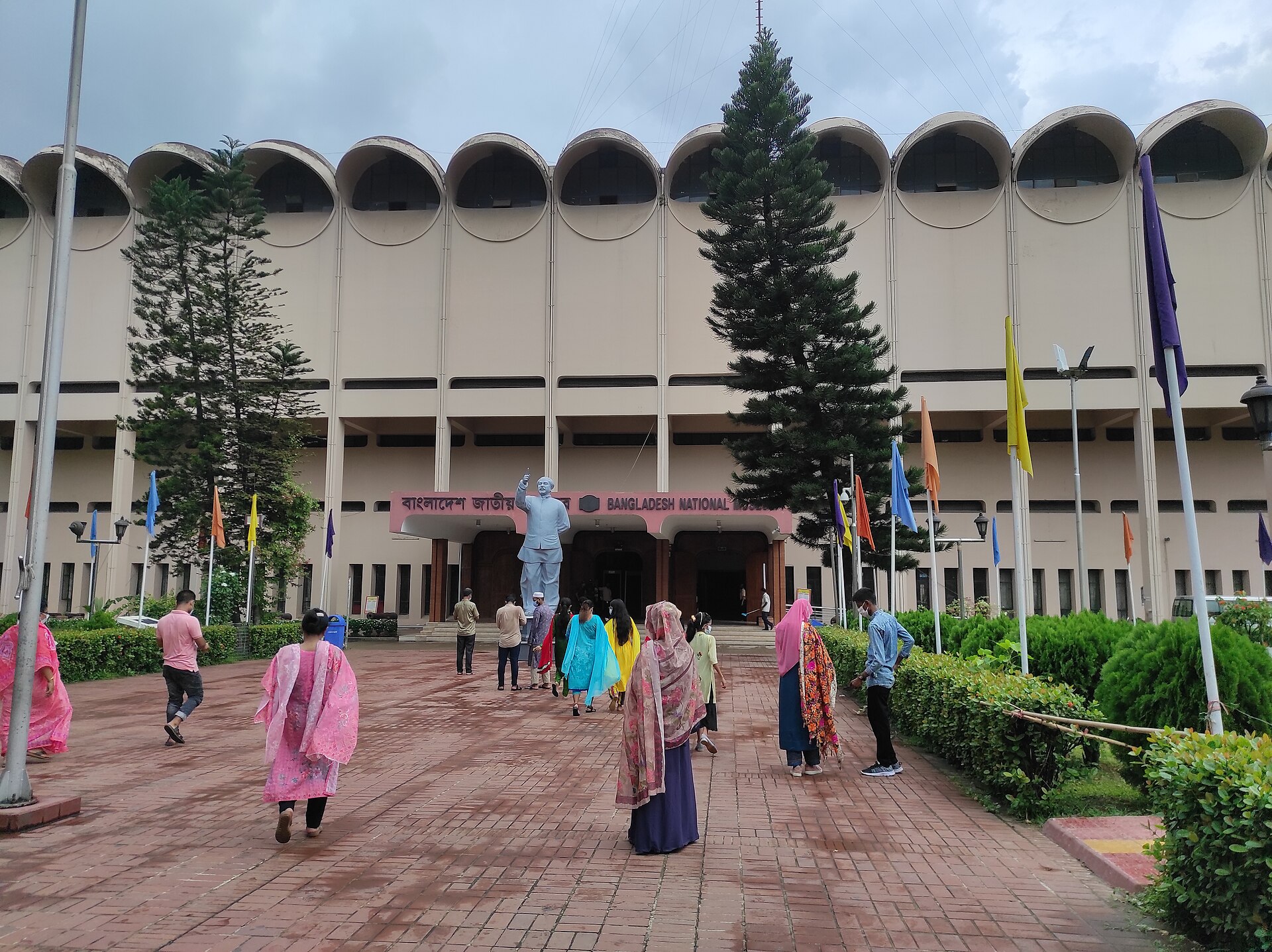
The Bangladesh National Museum (Bangladesh Jatiya Jadughar) is the country’s national museum and the best single place to understand Bangladesh, from its rivers and wildlife to two thousand years of art, religion and history. It stands at Shahbagh in the centre of Dhaka, beside Dhaka University, in a large modern building on about 8.6 acres of grounds. Inside are more than 40 galleries over four floors and a collection of around 90,000 objects, of which only a part is on display at any time.
For international travellers it works best early in a trip: an afternoon here makes everything you see later, in Old Dhaka, at Paharpur or in the villages, easier to understand.
A short history
The museum began as the Dhaka Museum. After years of requests from the city’s leading citizens, it was opened on 7 August 1913 by Lord Carmichael, then governor of Bengal, in a room of the old Secretariat building, with a few hundred objects. Its first curator, Nalini Kanta Bhattasali, spent decades travelling the country to collect sculptures, coins and inscriptions, and much of the early collection is his work. In 1915 the museum moved to the Nimtali Baroduari, the old gatehouse of the Naib Nazims of Dhaka, and later received important collections from the Dinajpur Rajbari and the Baldha museum.
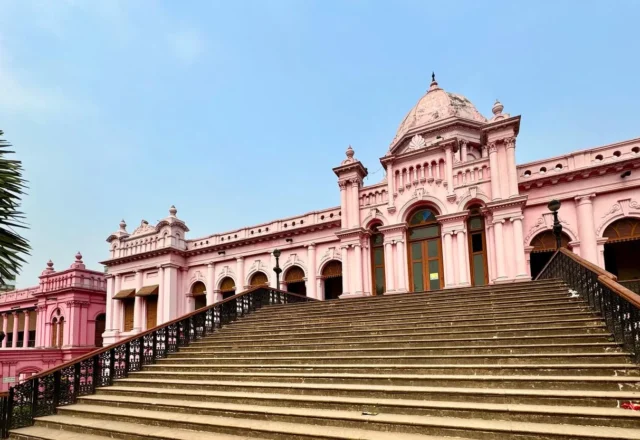
After independence the museum became the Bangladesh National Museum. A new site at Shahbagh was approved in 1975, and the present building opened to the public on 17 November 1983. The museum is an autonomous body under the Ministry of Cultural Affairs, and it also runs branch museums, among them Ahsan Manzil in Old Dhaka and the Zainul Abedin museum in Mymensingh.
What you will see inside
The collection is divided between four main departments: natural history; history and classical art; ethnography and decorative art; and contemporary art and world civilisation. In practice a visit moves from the land itself to the people who lived on it:
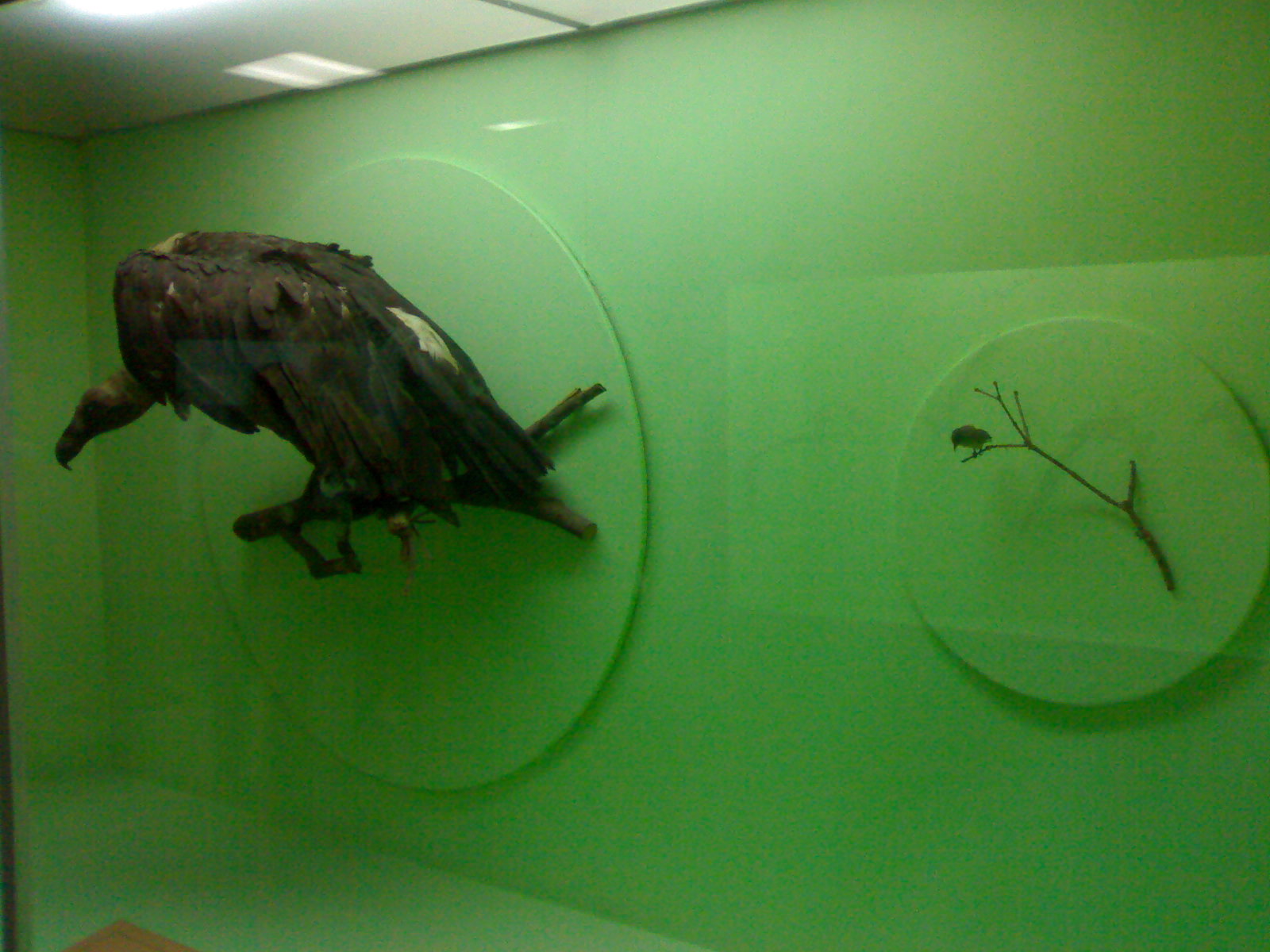
- Natural history: rocks, plants, birds, fish and animals of Bangladesh, including the Royal Bengal tiger, with dioramas of the Sundarbans and the rivers.
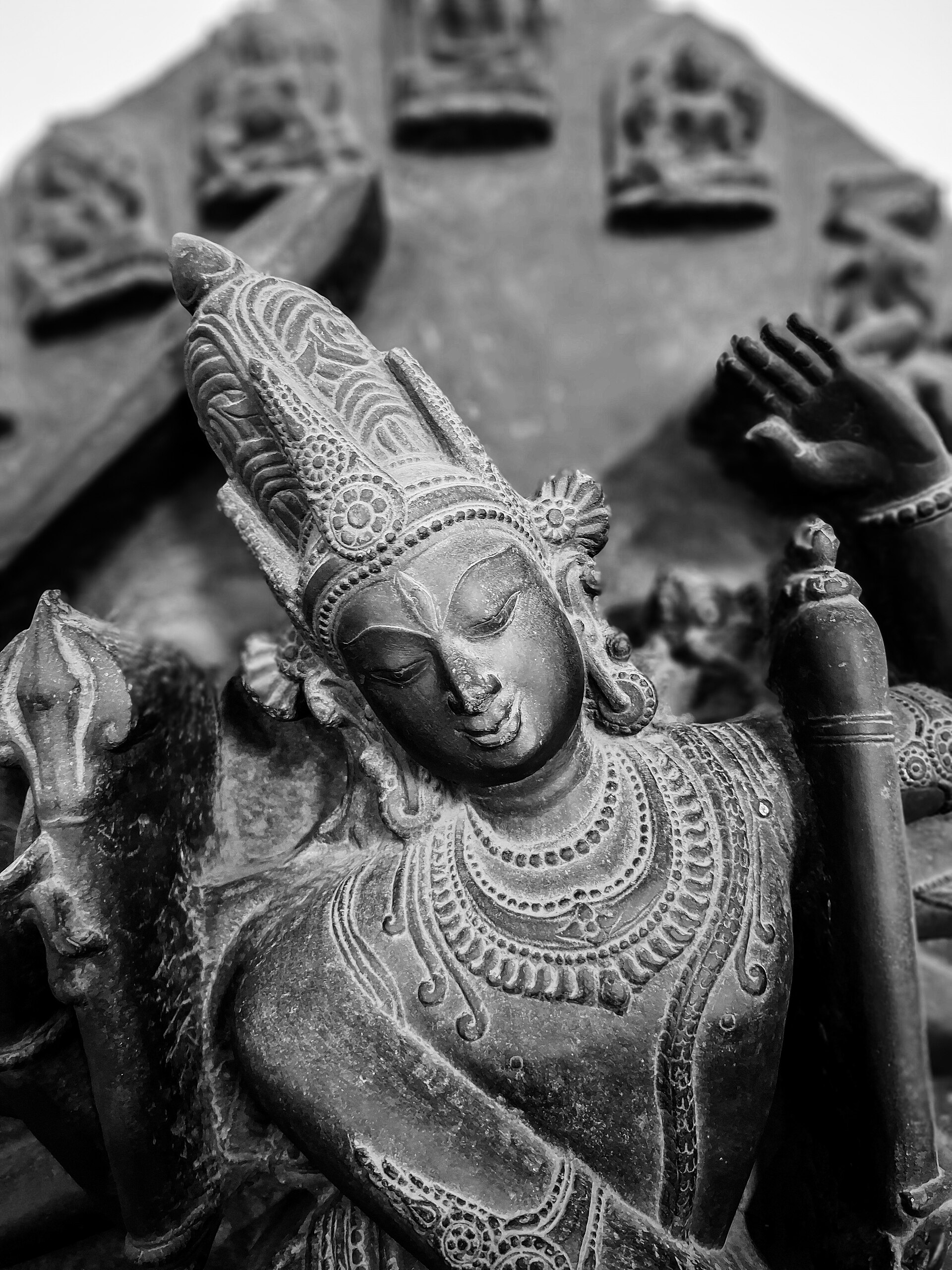
- Sculpture and archaeology: stone and bronze images of Buddhist and Hindu deities, terracotta plaques and inscriptions from ancient sites such as Mahasthangarh and Paharpur, from the Pala and Sena periods onwards.
- Coins and arms: one of the largest coin collections in South Asia, from early punch-marked coins to the Sultanate and Mughal mints, plus swords, guns and armour.
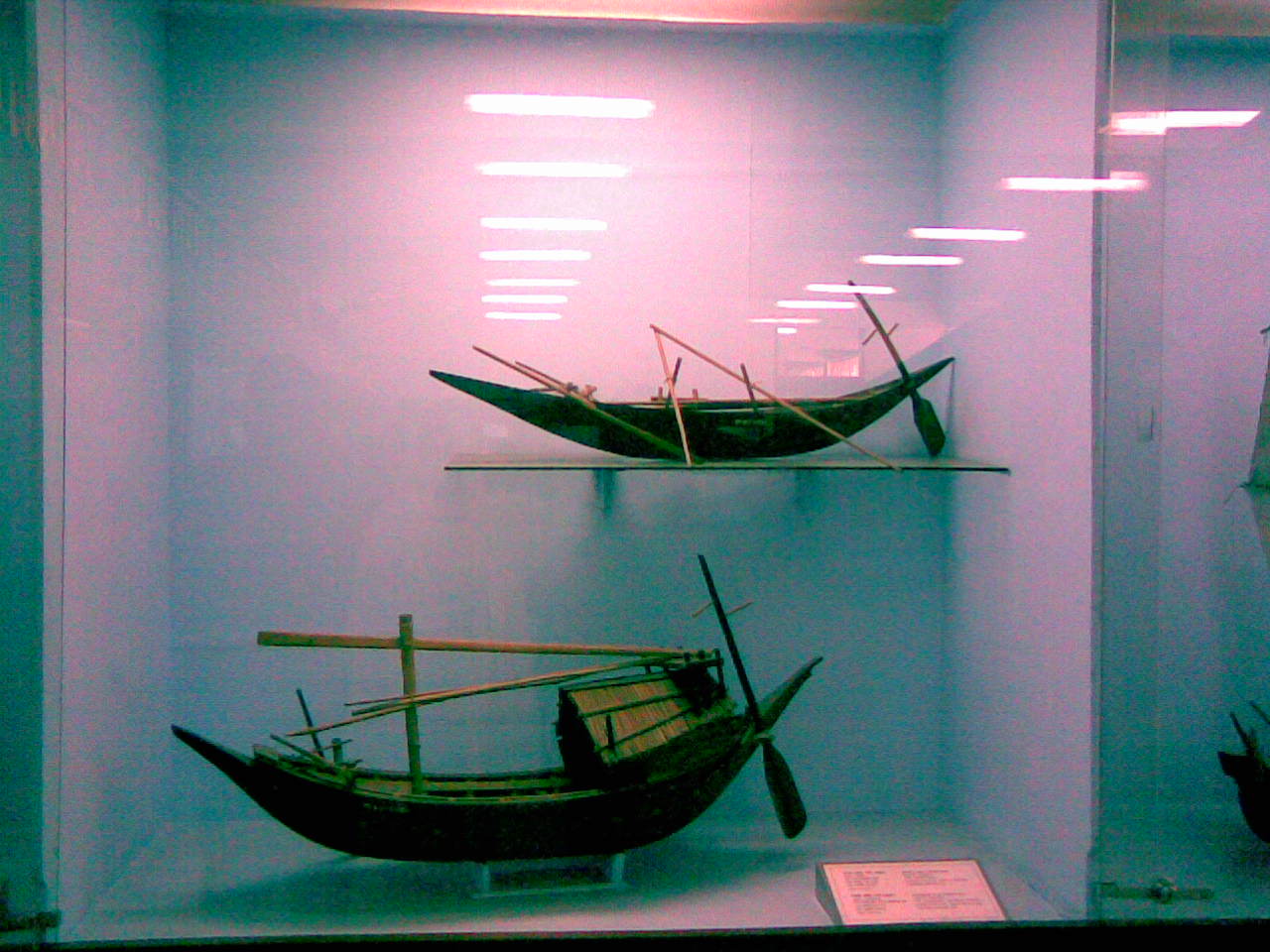
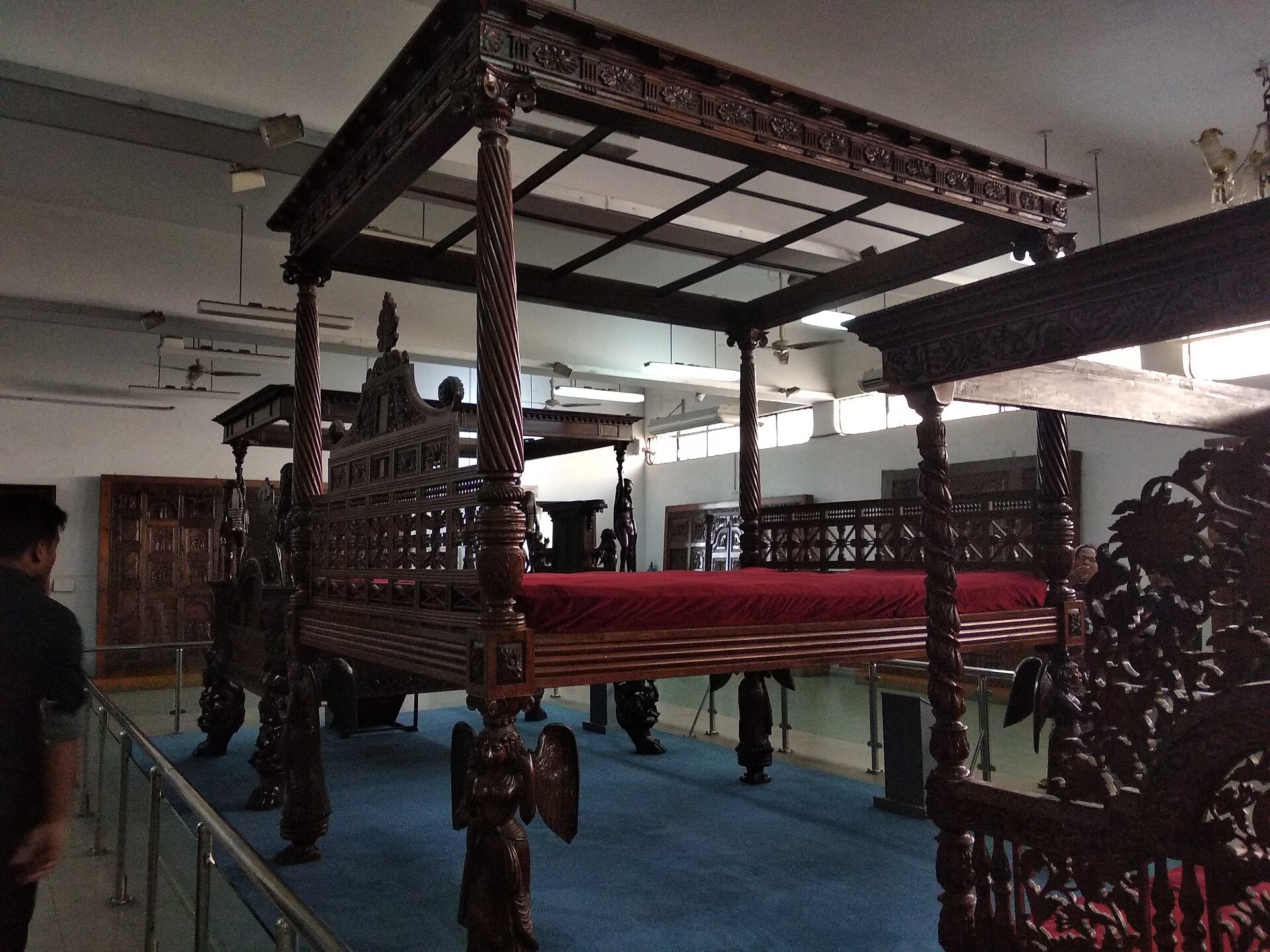
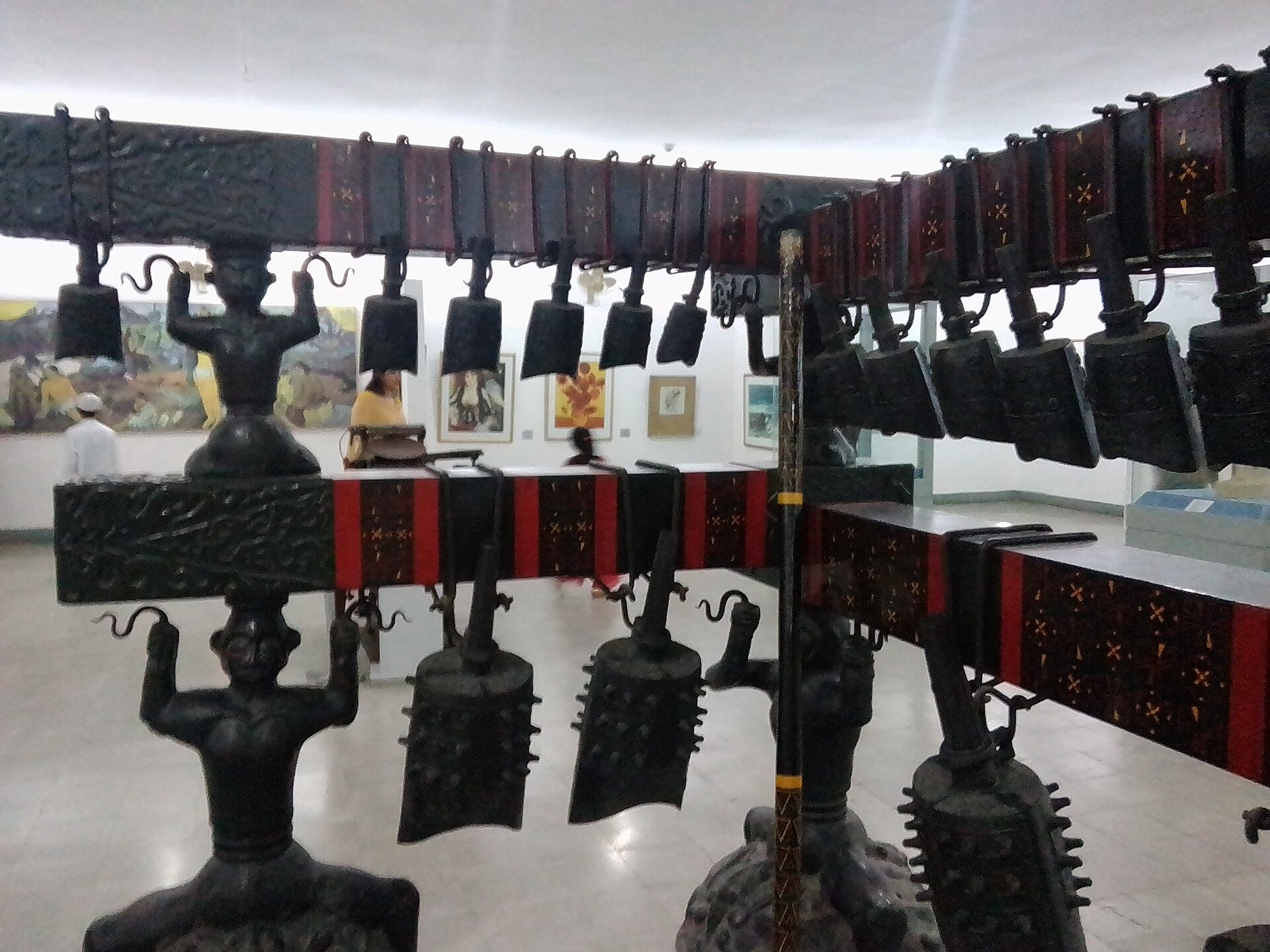
- Crafts and daily life: nakshi kantha embroidered quilts, Jamdani textiles, carved wooden furniture and beds, ivory, metalwork, musical instruments and models of the many kinds of Bengali river boat.
- The Language Movement and the Liberation War: photographs, letters, posters and personal belongings that tell the story of 1952 and 1971. These galleries are moving and are often the part visitors remember most.
- Art and world civilisation: paintings by Bangladeshi artists, including Zainul Abedin, and galleries of objects from other countries, such as China and Korea.
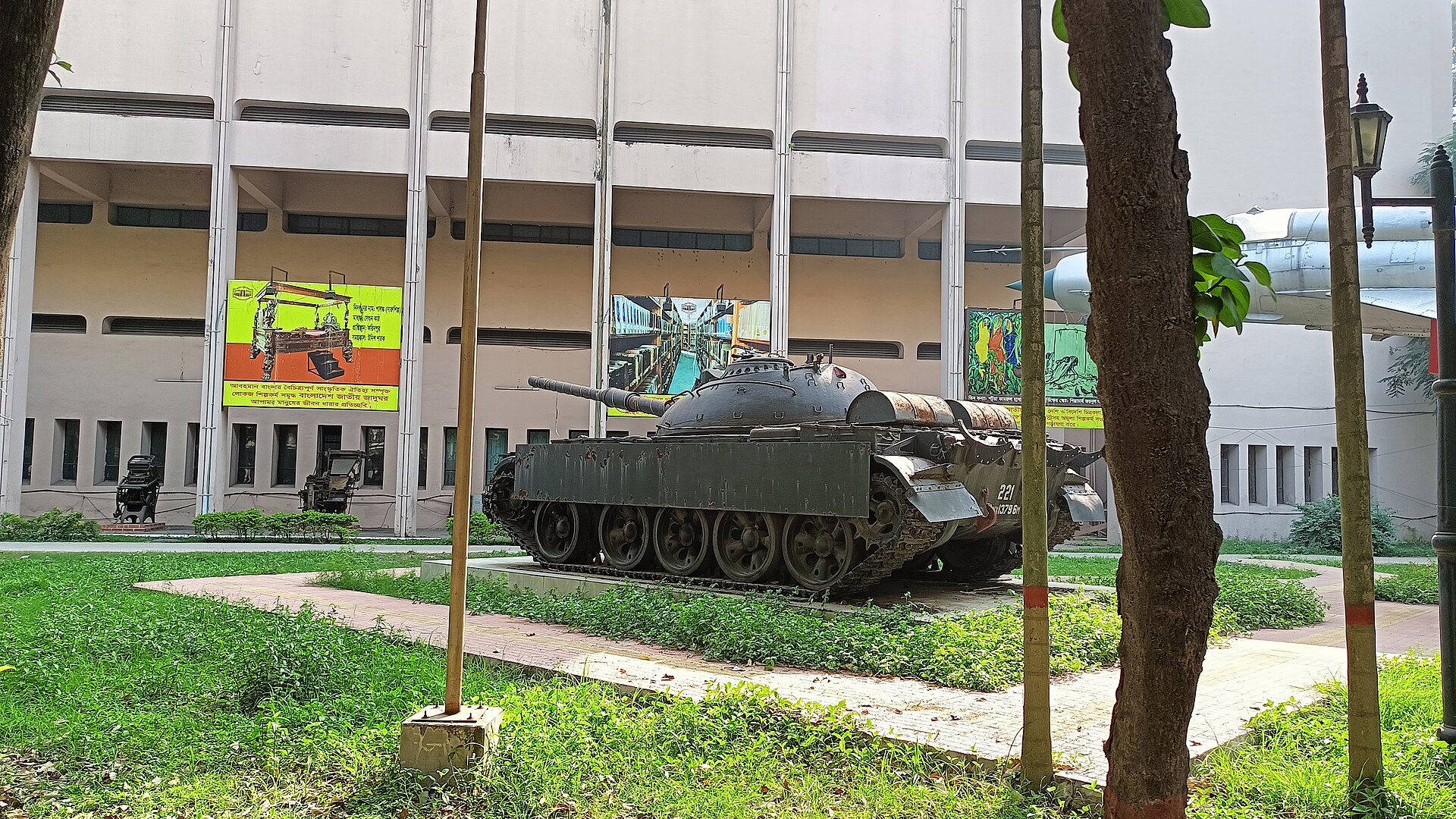
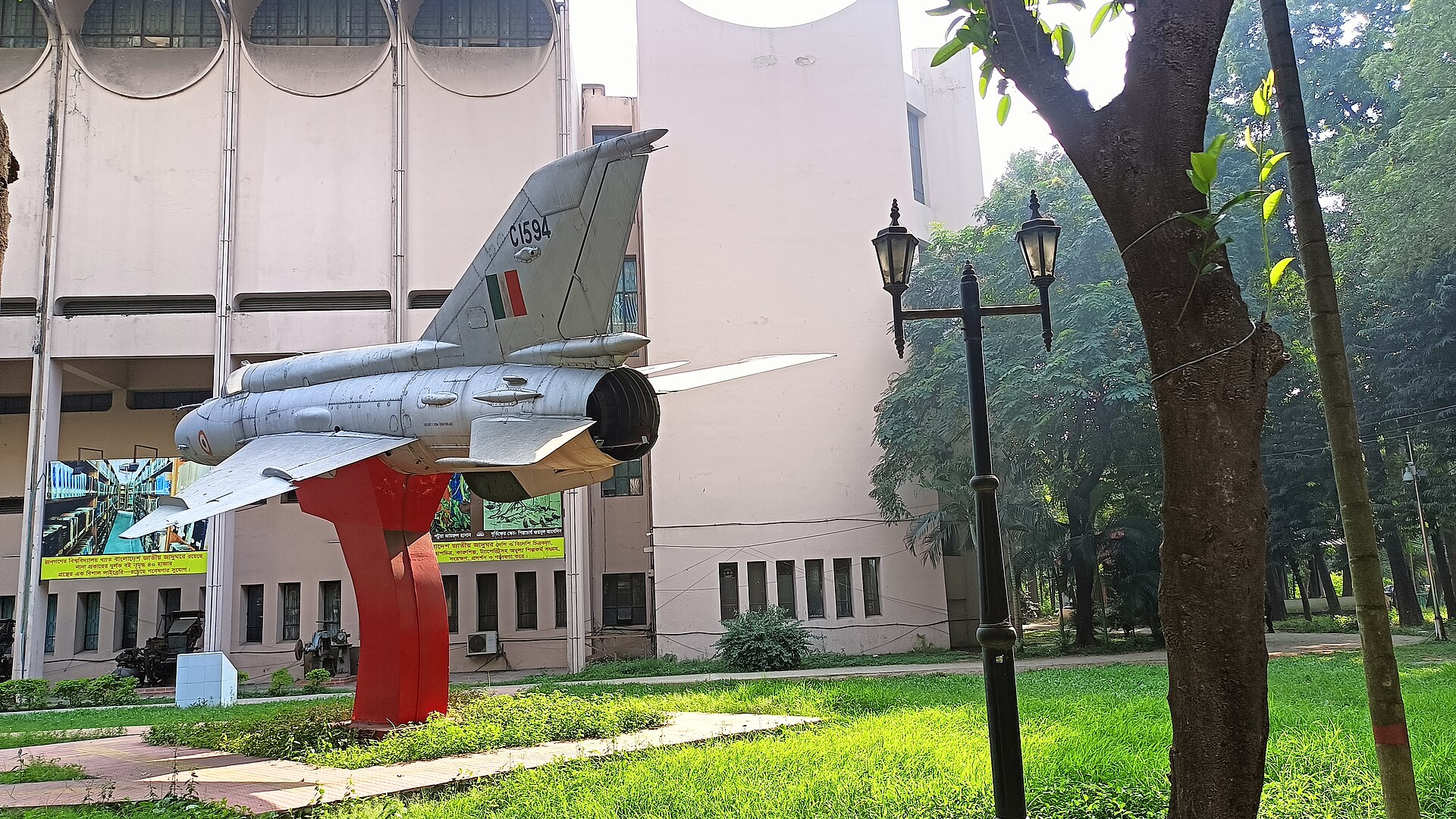
Outside, a tank and a fighter jet stand on the lawns, and the grounds also hold auditoriums and halls used for exhibitions, book fairs and cultural events.
The building
The museum building is a large modern block with a long facade of arched openings along the roof line, set back behind lawns, trees and a flagpole. It was designed by the American architect Robert Boughey, who did much of his work in Dhaka. Inside, a grand staircase leads up from the entrance hall to the galleries, and the indoor galleries make the museum a good place to spend the hottest part of a Dhaka day.
Making a day of Shahbagh
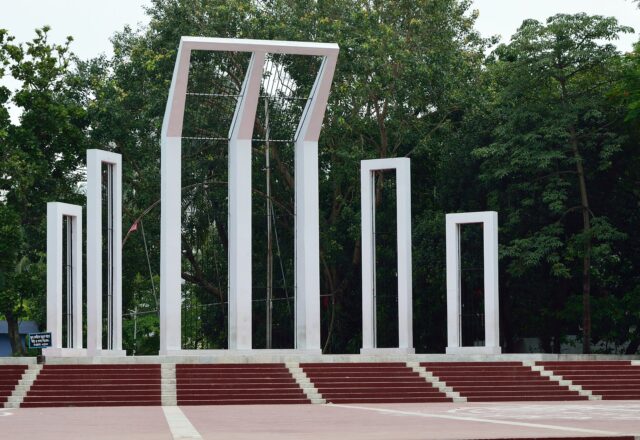
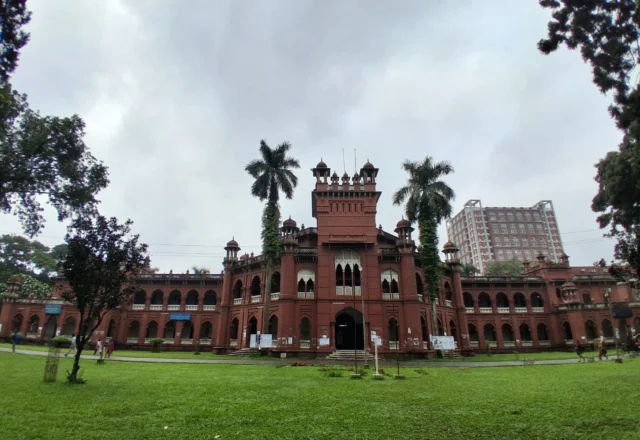
The museum sits in the cultural heart of Dhaka. Within walking distance are the campus of Dhaka University with Curzon Hall, the Faculty of Fine Arts (Charukola), the Central Shaheed Minar, Bangla Academy and Suhrawardy Udyan, where independence was declared in March 1971. The flower stalls of Shahbagh are on the corner outside. Combine the museum with these in a morning, then head south to Lalbagh Fort and the lanes of Old Dhaka for the afternoon. Our Old Dhaka travel guide has a route.
If you enjoy museums, Bangladesh has several more worth the trip, such as the Varendra Research Museum in Rajshahi, the oldest museum in the country, and the Folk Art Museum at Sonargaon.
Bangladesh National Museum opening hours and tickets
Bangladesh National Museum is open 10:30 to 16:30, closed on Thursdays and government holidays. On Fridays it opens 15:00 to 18:30, with the last tickets at 18:00. Entry for foreign visitors is BDT 500, and tickets are included on our guided tours.
| Foreign visitors | BDT 500 |
|---|---|
| SAARC visitors | BDT 300 |
| Bangladeshi adults | BDT 40 |
| Children (3 to 12) | BDT 20 |
| Children under 3 | Free |
| Open | 10:30–16:30 |
|---|---|
| Closed | Thursdays and government holidays |
| Last tickets | 16:00 |
| Fridays | 15:00–18:30, last tickets 18:00 |
- Tickets are sold at the gate, on the museum's own ticket site and, since November 2026, on the government e-ticketing site. The e-ticketing listing shows Sunday as the off day, but the museum is closed on Thursdays, as its own site says and our guides confirm.
Travelling with us? Entry tickets are included on all our guided tours, so you do not need to book them.
- Book tickets online Official site: nationalmuseumticket.gov.bd
Checked November 2026 against the official ticketing site. How we check
Where is Bangladesh National Museum?
- Where
- Shahbagh, Dhaka 1000, Bangladesh
- Nearest town
- Shahbagh, central Dhaka, next to Dhaka University
- Also known as
- Jatiya Jadughar, National Museum Dhaka, Shahbagh Museum; formerly the Dhaka Museum

Getting to Bangladesh National Museum on your own is hard work. We can send a private car with driver and guide from Dhaka or anywhere in Bangladesh.
Things to do at Bangladesh National Museum
-
Trace Bengal's history in stone
See Buddhist and Hindu sculpture, terracotta plaques and inscriptions from ancient sites such as Mahasthangarh and Paharpur, many collected by the museum’s first curator.
-
Visit the Liberation War galleries
Photographs, letters and personal belongings tell the story of the 1952 Language Movement and the 1971 war of independence.
-
Admire Bengal's crafts
Nakshi kantha quilts, Jamdani textiles, carved beds, ivory, metalwork and models of the river boats of Bangladesh.
-
Meet the wildlife of Bangladesh
The natural history galleries show the Royal Bengal tiger, birds, fish and dioramas of the Sundarbans and the rivers.
-
Browse the coin and arms galleries
One of South Asia’s largest coin collections, from ancient punch-marked coins to the Sultanate and Mughal mints, with swords and armour.
-
Walk around Shahbagh
Combine the museum with Dhaka University, Curzon Hall, the Central Shaheed Minar and the flower stalls of Shahbagh.
How to get to Bangladesh National Museum
The National Museum is at Shahbagh in central Dhaka, next to Dhaka University: 30 to 60 minutes by car from Gulshan or Banani, or take MRT Line 6 to Shahbagh station, a few minutes' walk away.
By car or taxi: the museum is at Shahbagh in central Dhaka. From Gulshan or Banani allow 30 to 60 minutes depending on traffic; from Dhanmondi about 15 to 30 minutes; from the airport about 45 minutes to well over an hour. Ride-hailing apps such as Uber and Pathao work well, and drivers know it as the Jatiya Jadughar.
By metro: MRT Line 6 has a station at Shahbagh, a few minutes’ walk from the museum gate. It is the fastest way to arrive from Uttara, Mirpur or Farmgate, and it avoids the traffic.
By rickshaw: from Dhaka University, Nilkhet, the Shaheed Minar or Ramna it is a short cycle rickshaw ride. Agree the fare before you set off.
Our Dhaka City Day Tour and half-day Dhaka tour include transport and entry tickets, so you do not need to plan any of this yourself.
Where to stay near Bangladesh National Museum
Most visitors stay in Gulshan, Banani or Dhanmondi, where the international hotels and restaurants are, and visit Shahbagh as part of a city day. If you want to be close, the area around Shahbagh, Ramna and Kakrail has several large hotels within ten minutes of the museum, and it puts you between the new city and Old Dhaka. We can book a trusted hotel for you. See our Dhaka page for the rest of the city.
Tours that visit Bangladesh National Museum
None of our set tours stop here yet, but we can add it to a tailor-made trip.
Questions about Bangladesh National Museum
When is the Bangladesh National Museum open?
Saturday to Wednesday from 10:30 to 16:30 (ticket sales stop at 16:00) and on Fridays from 15:00 to 18:30. It is closed on Thursdays and government holidays. The government e-ticketing site lists different hours with Sunday as the off day, but the museum's own timetable, which our guides confirm, is the one to follow.
What is the National Museum's weekly off day?
Thursday, plus government holidays. It is open on Sundays, and on Fridays it opens only in the afternoon, from 15:00.
How much is the ticket to the Bangladesh National Museum?
Foreign visitors pay BDT 500, visitors from SAARC countries BDT 300, Bangladeshi adults BDT 40 and children aged 3 to 12 BDT 20. Children under 3 go in free. Entry is included on our guided Dhaka tours.
Can I buy National Museum tickets online?
Yes. Tickets are sold on the museum's own site, nationalmuseumticket.gov.bd, and since November 2026 also on the government e-ticketing site, eticketing.mygov.bd. Online tickets cannot be refunded or changed; keep the ticket on your phone and show it at the gate. You can also buy tickets at the counter.
How much time do I need at the National Museum?
Two to three hours lets you see the highlights at a comfortable pace. Keen museum-goers can easily spend half a day.
Where is the Bangladesh National Museum?
At Shahbagh in central Dhaka, next to Dhaka University and close to the Central Shaheed Minar. The nearest metro station is Shahbagh on MRT Line 6.
What are the highlights of the National Museum?
The Buddhist and Hindu sculpture, the coin collection, the nakshi kantha quilts and other crafts, the natural history galleries with the Royal Bengal tiger, and the Language Movement and Liberation War galleries.
How big is the National Museum?
It has more than 40 galleries over four floors, and a collection of around 90,000 objects. Only part of the collection is on display at any time.
Can I take photos inside the National Museum?
Rules on photography in the galleries change from time to time, so ask at the entrance before you take pictures. Photos of the building and grounds outside are fine.
Is the National Museum good for children?
Yes. The natural history galleries, the boat models and the tank and fighter jet on the lawn are popular with children, and tickets for 3 to 12 year olds cost only BDT 20.
When did the Bangladesh National Museum open?
It began as the Dhaka Museum, opened on 7 August 1913. The present building at Shahbagh opened to the public on 17 November 1983.
What is near the Bangladesh National Museum?
Dhaka University and Curzon Hall, the Faculty of Fine Arts, the Central Shaheed Minar, Bangla Academy, Suhrawardy Udyan and the Shahbagh flower market are all within walking distance. Lalbagh Fort and Old Dhaka are about 20 to 40 minutes away by car.
Is the National Museum part of your Dhaka tours?
It can be. Tell us when you plan your trip and we will add it to a Dhaka city day; our guided tours include all entry tickets.