
Khulna


About Khulna
Khulna Division holds two of Bangladesh’s three UNESCO World Heritage Sites, the Sundarbans and the mosque city of Bagerhat. Khulna, the country’s third-largest city, is the main base for both.
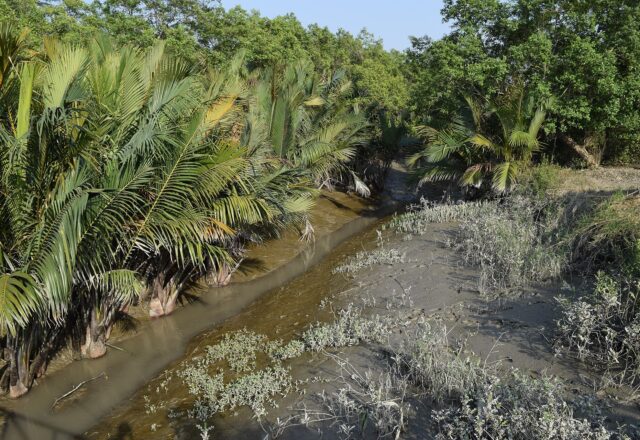
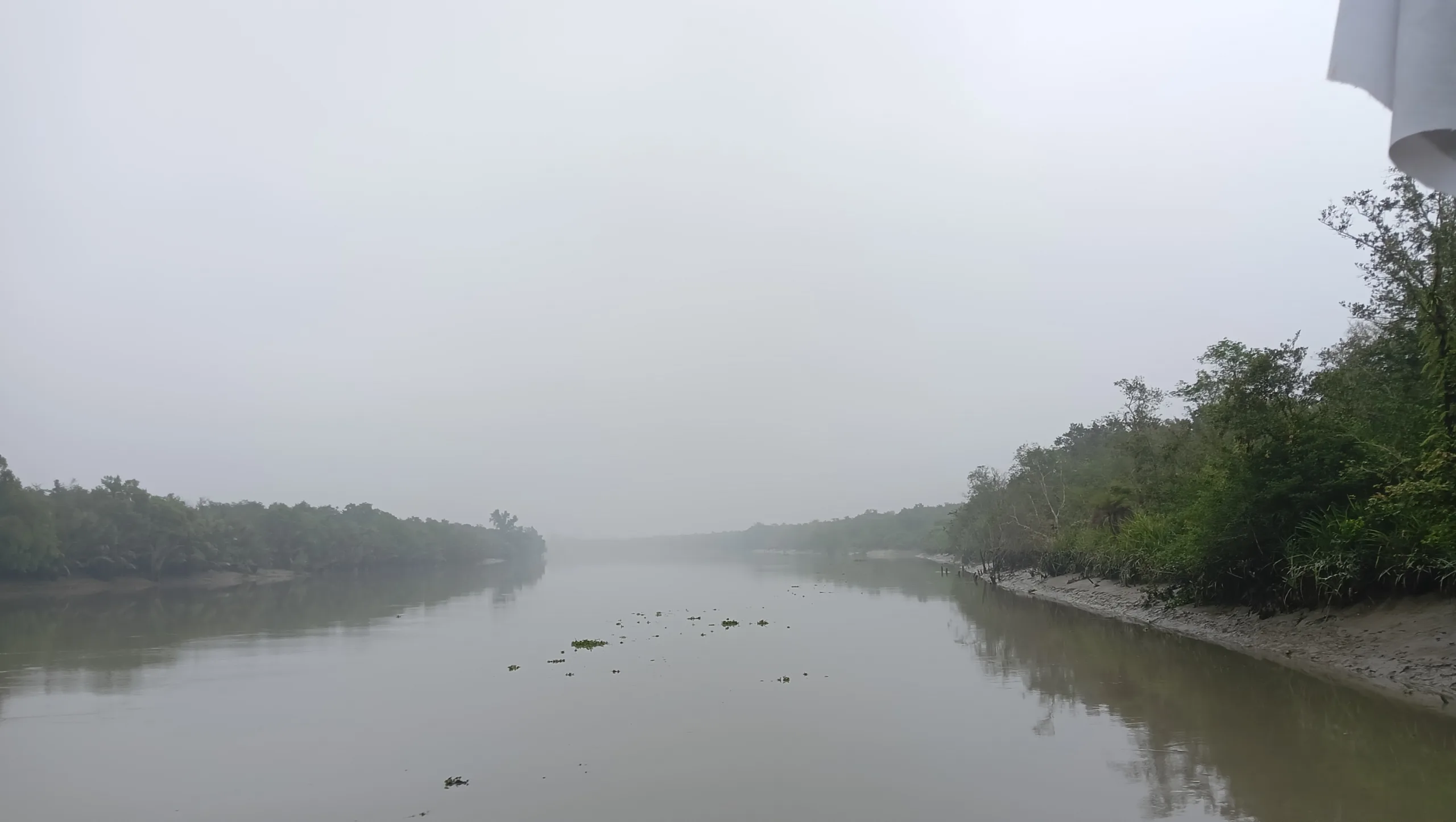
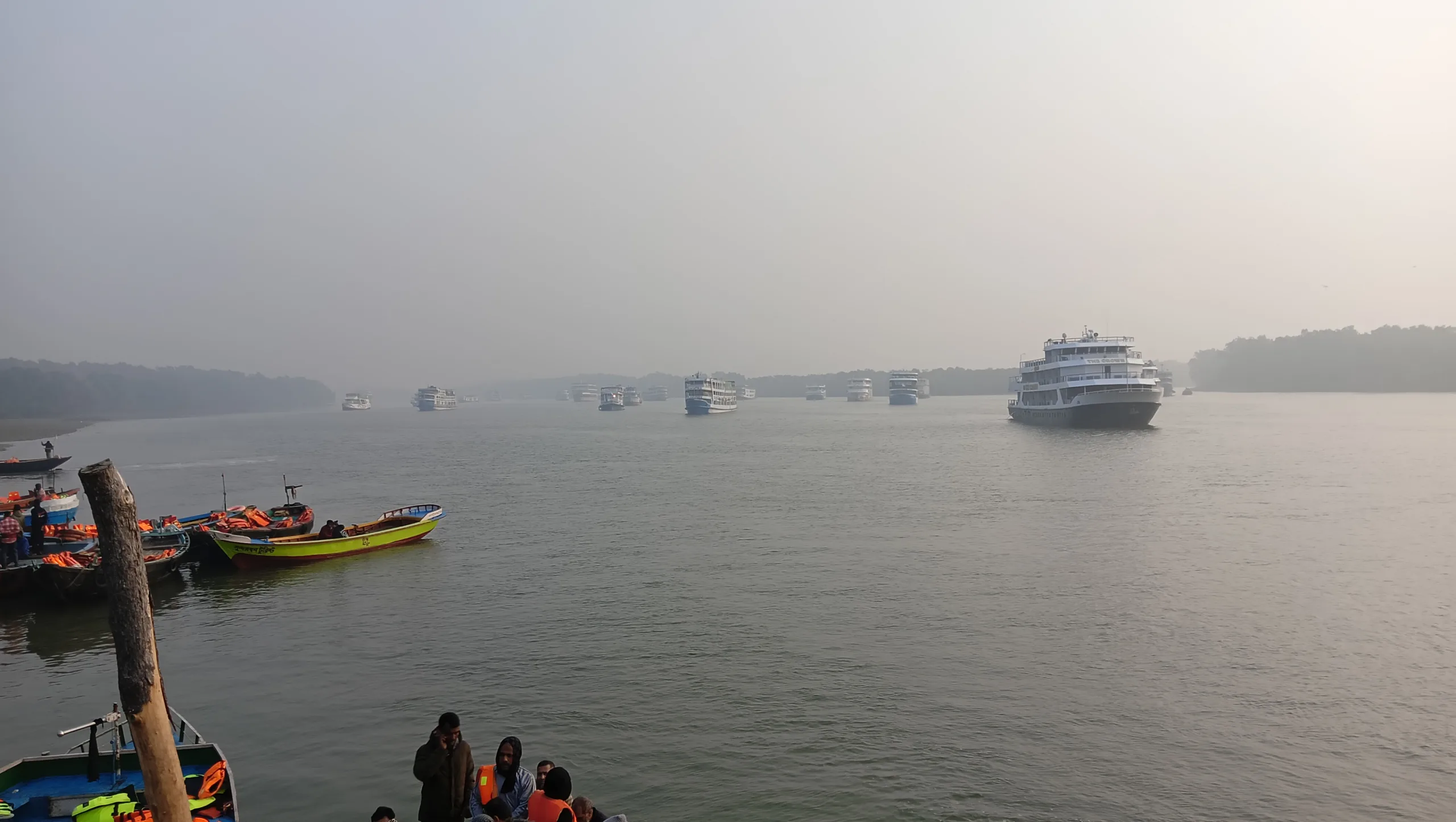
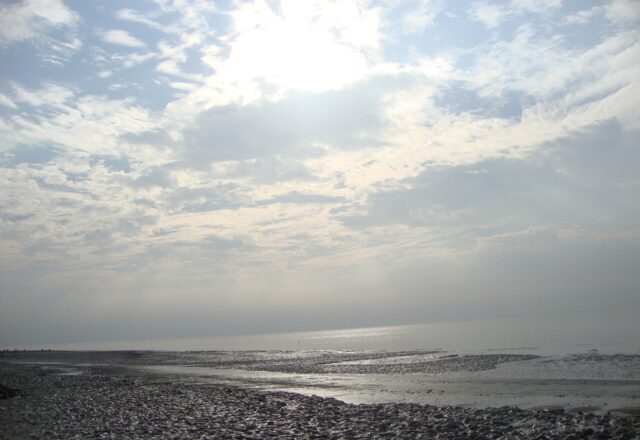
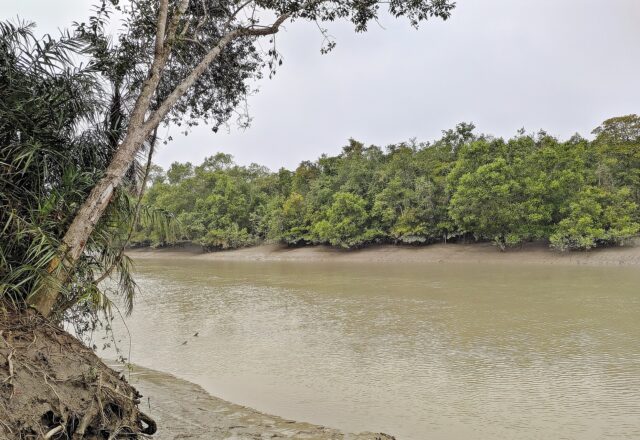
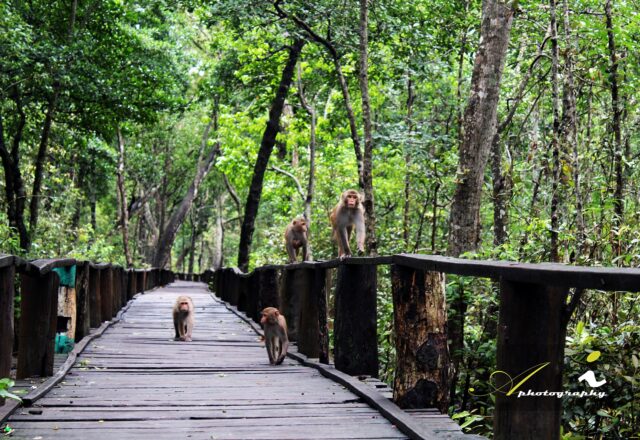
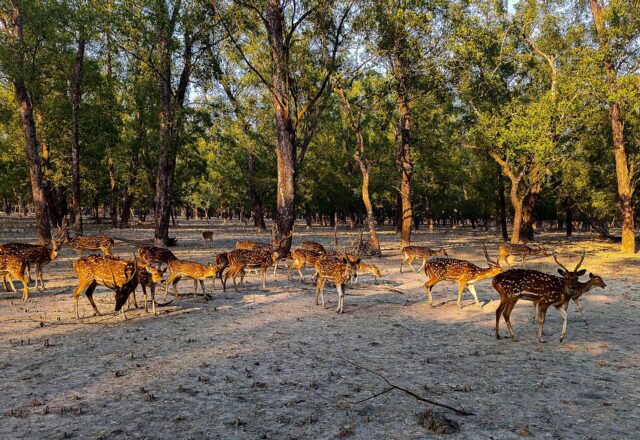
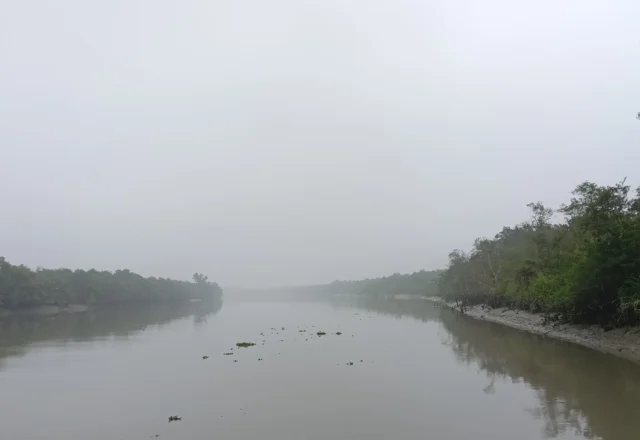
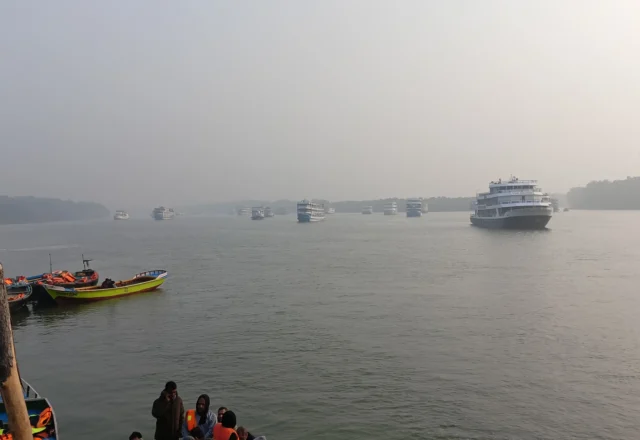
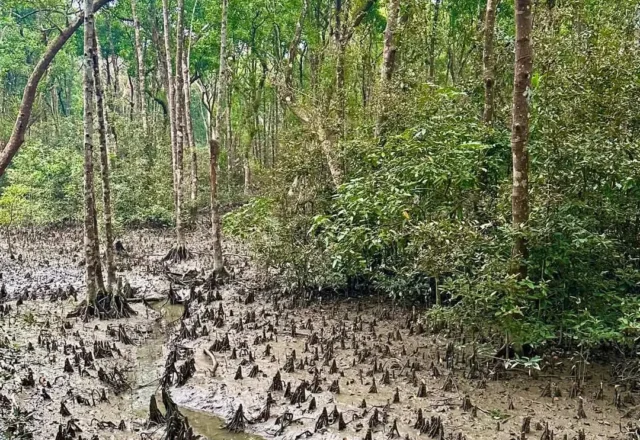
The Sundarbans is the largest mangrove forest in the world, home to the Bengal tiger, spotted deer and saltwater crocodiles. Boats leave from Khulna and the port of Mongla. Short visits stop at Karamjal and its wildlife centre, while longer cruises reach Harbaria, Katka and the empty sands of Jamtola Beach.
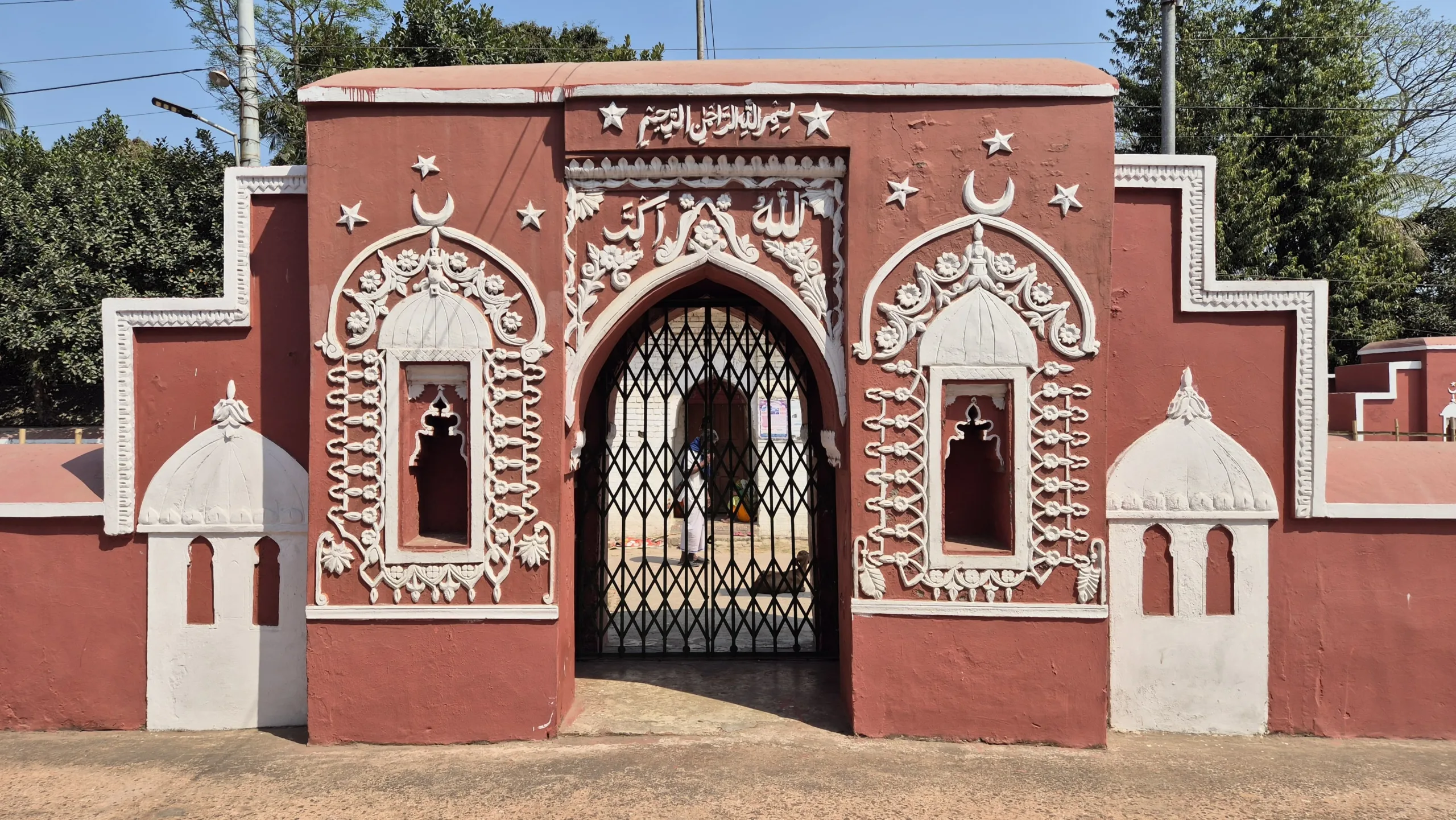
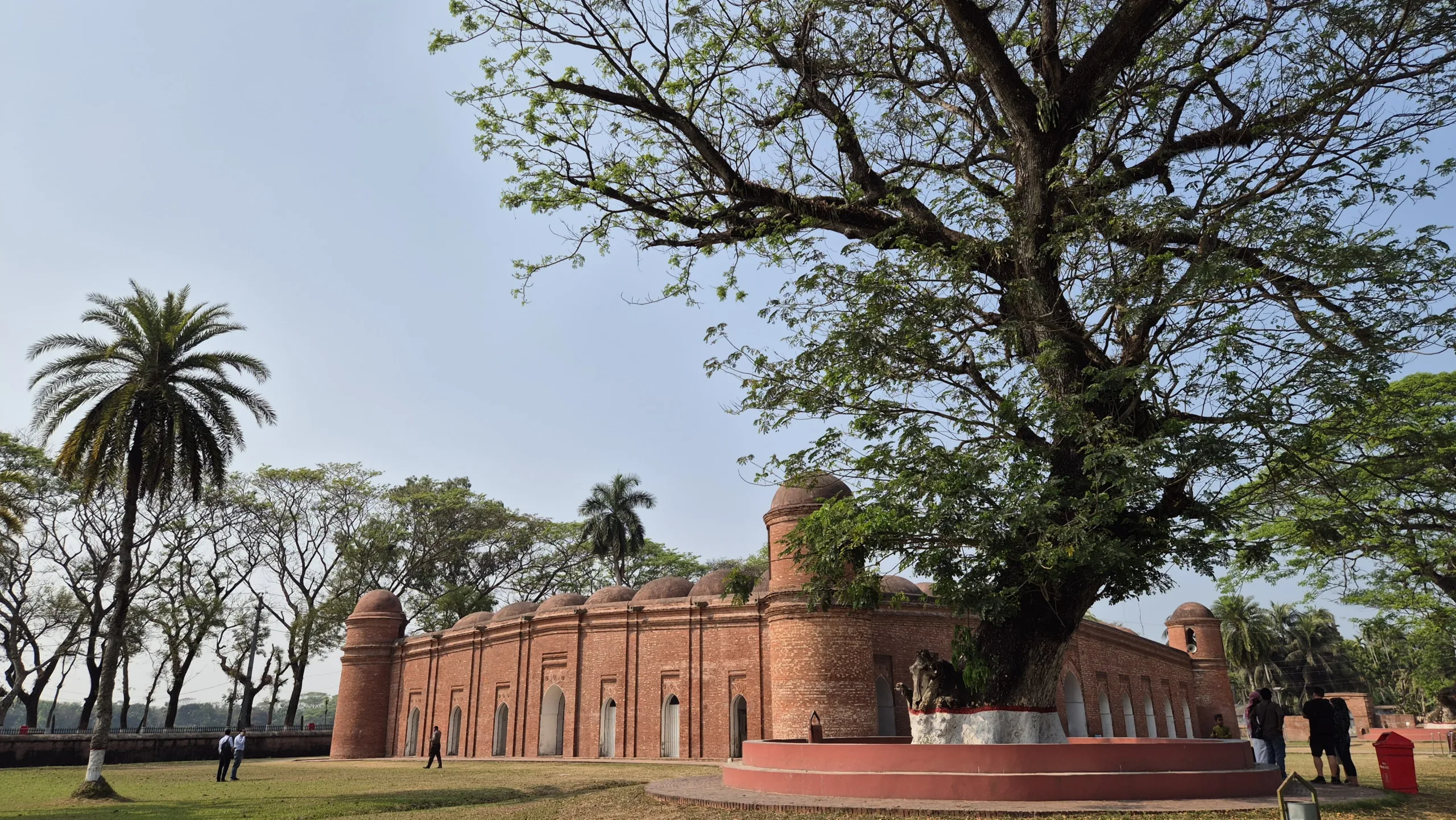
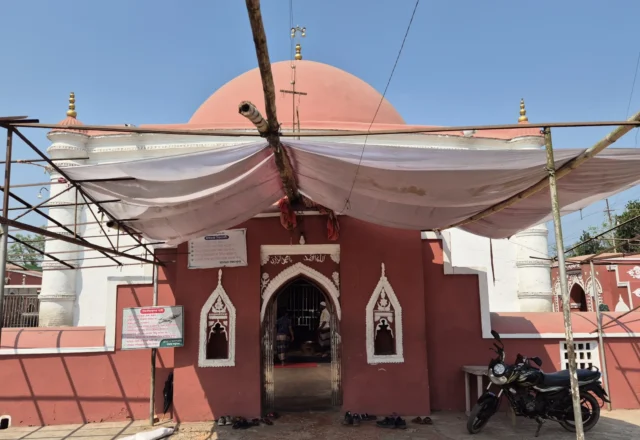
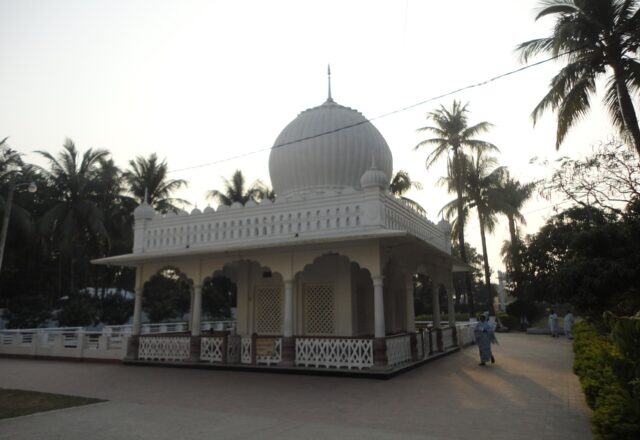
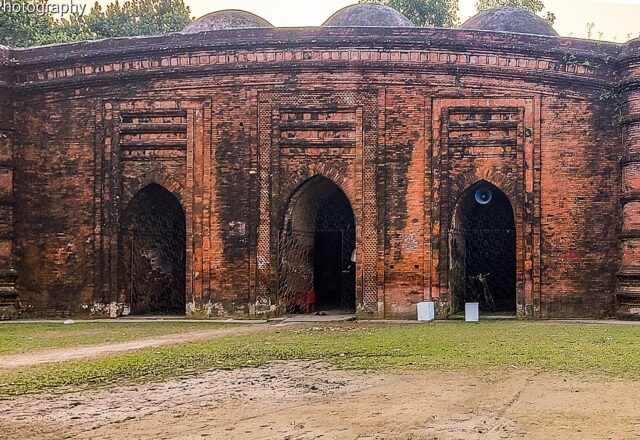
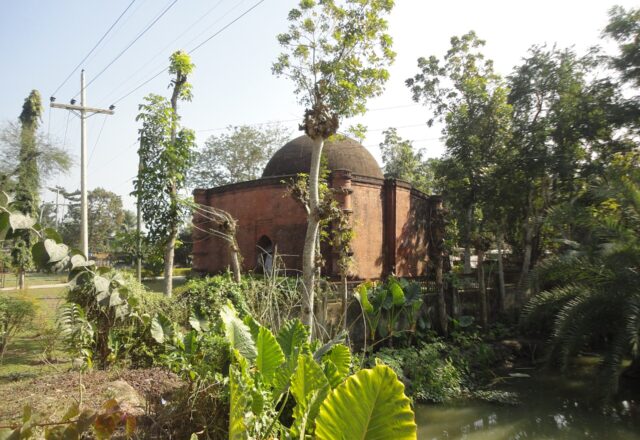
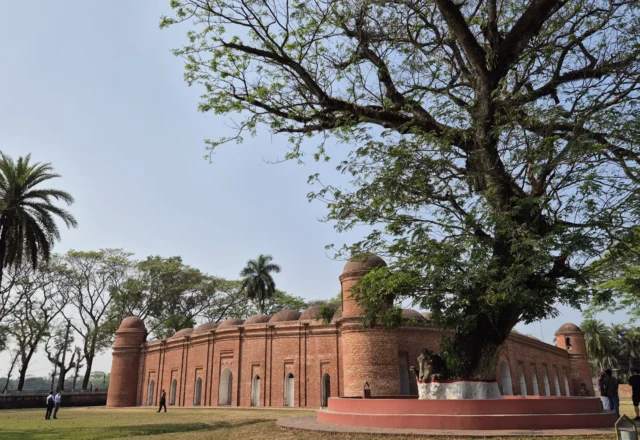
Less than an hour from Khulna, Bagerhat was the 15th-century city of the saint and governor Khan Jahan Ali. The Sixty Dome Mosque leads a group of brick monuments that includes the Nine Dome Mosque, the Singair Mosque and the shrine of Khan Jahan Ali.
To the north, in Kushtia district, the Lalon Akhra is the shrine of Fakir Lalon Shah, the 19th-century mystic poet whose songs are still sung by Baul musicians. Nearby is Shilaidaha, where Rabindranath Tagore managed his family estates.
The division is flat, green and full of rivers and shrimp farms, and it rewards travellers who want to see rural Bangladesh at its most authentic.
Things to do
-
Start a Sundarbans boat trip
Board your boat in Khulna or Mongla for two or three days in the mangrove forest, with permits and forest guard arranged.
-
Explore the mosque city of Bagerhat
See the Sixty Dome Mosque, the Nine Dome Mosque and the shrine of Khan Jahan Ali, all within a short drive of each other.
-
Hear Baul music at the Lalon shrine
At Lalon’s shrine in Kushtia, Baul singers perform his songs. During his festivals the music goes on all night.
-
Visit Tagore’s house at Shilaidaha
The Kuthibari at Shilaidaha, where Rabindranath Tagore lived and wrote by the Padma River, is now a museum.
-
See village life in the delta
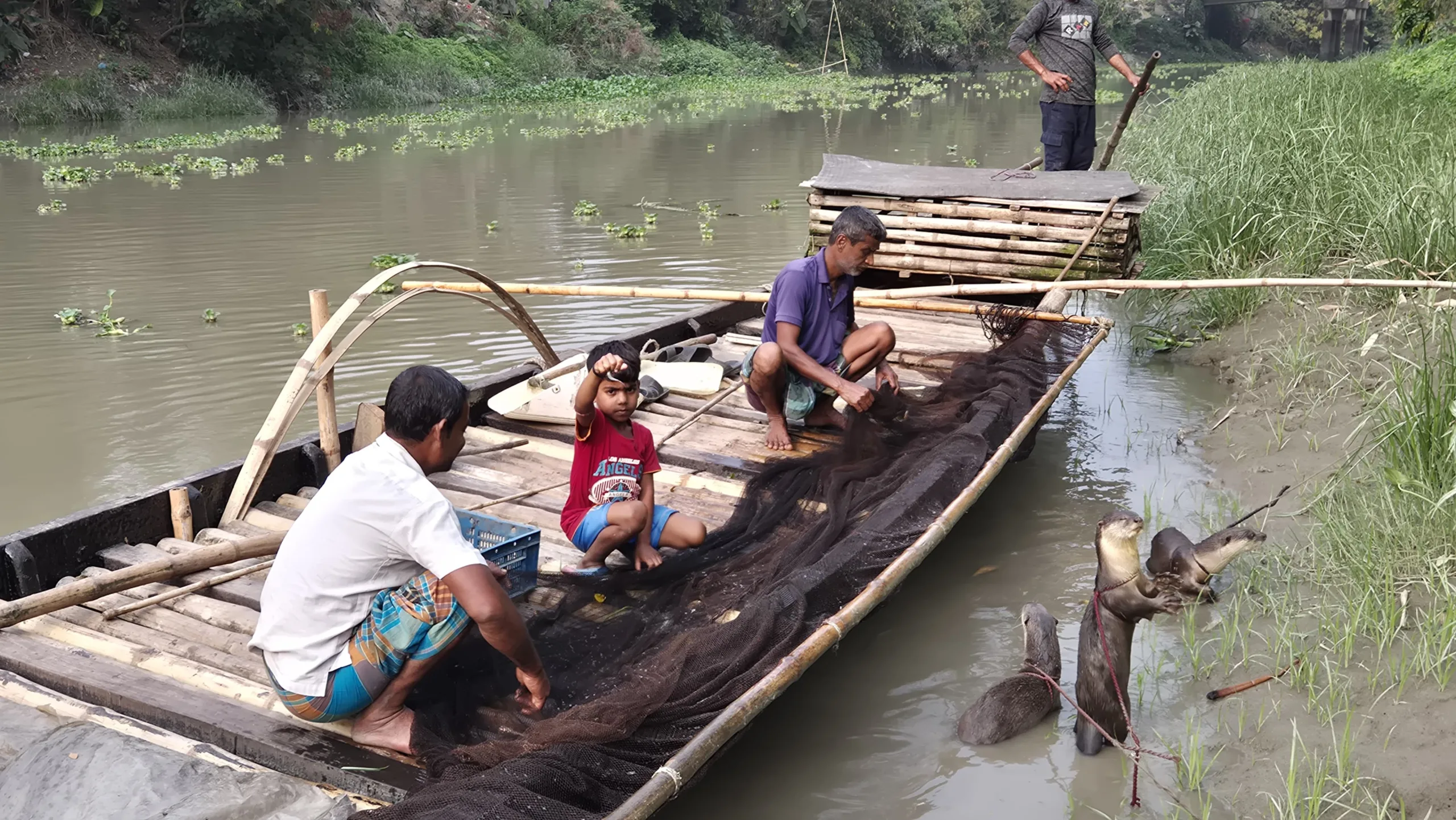
Drive through villages, shrimp farms and markets to see how people live and work in one of the most fertile and fragile landscapes on earth.
Getting there
By road: since the Padma Bridge opened in 2022, Khulna is about five hours from Dhaka by car.
By train: intercity trains connect Dhaka and Khulna.
By air: fly from Dhaka to Jessore in about 40 minutes, then drive about an hour and a half to Khulna. Kushtia is about three hours north of Khulna by road.
Where to stay
Khulna has the best choice of hotels in the southwest, including comfortable business hotels in the city centre.
For a Sundarbans trip you sleep on board the boat; we usually add a night in Khulna before or after. We suggest hotels that fit your budget when we send your tour price.
Tours that visit Khulna
 Holiday Tours
Bangladesh Cultural and Heritage Discovery Tour
from $800 per person
 Short Tours
Dhaka, Barisal & Sundarbans Heritage Tour
from $300 per person
 Holiday Tours
Explore the Natural Beauty of Bangladesh
Price on request
 Short Tours
Sundarbans Mangrove & Wildlife Expedition
from $500 per person
 Holiday Tours
Ten Days Across Bangladesh
from $800 per person
Questions
Is Khulna worth visiting?
Yes, as a base. It is the starting point for the Sundarbans and less than an hour from the UNESCO-listed mosques of Bagerhat.
How far is Bagerhat from Khulna?
About 40 minutes to an hour by road, so it is an easy half-day or day trip.
What is the Lalon festival?
Lalon’s followers gather at his shrine in Kushtia for festivals each year, in spring and in October, with Baul music day and night.
When is the best time to visit Khulna?
November to February, which also suits a Sundarbans trip. The monsoon from June to September is very wet.