Is Bangladesh worth visiting? Yes, if you value warm people, living culture and places few tourists ever see. It suits curious travellers who can handle crowds, traffic and simple hotels outside the cities.
The question usually comes after an evening of mixed signals. One video calls Dhaka the world’s most chaotic city, a Reddit thread praises the kindest people in Asia, and a travel advisory sits somewhere in between. This guide sorts it out with real costs, the current safety picture, the genuinely hard parts and what guests say after they go home.
Barry Hoffner, who has travelled to every country on Earth, put it plainly after his trip. He later named Bangladesh first among the countries that changed him most, in an essay for Travelmag:
“Bangladesh is a very underrated country. The people, their hospitality and engaging nature, the sights, the diversity, the culture.”
Barry H, United States (Tripadvisor, October 2026)
Is Bangladesh Worth Visiting in 2026? The Short Answer
Bangladesh is worth visiting for most travellers who choose it on purpose. It rewards people who travel for encounters rather than famous photographs, and it asks for patience in return. The table gives the balance at a glance.
| What makes it worth it | What makes it hard |
|---|---|
| Some of the warmest hospitality in Asia | Dhaka traffic can swallow half a day |
| More than 50 ethnic communities and four major faiths | Few tourist services outside the main routes |
| Three UNESCO World Heritage Sites and ruins over 2,000 years old | Simple hotels in smaller towns |
| The world’s largest mangrove forest | Crowds, noise and air pollution |
| Very few other tourists | A lot of attention, stares and selfie requests |
| Good value, from hotels and trains to private guides | Modest dress expected; alcohol only in licensed venues |
| Festivals, Baul music and village life | Lunar holidays and strikes can change plans |
If the right-hand column sounds manageable, read on. If it sounds exhausting, the section on who should wait is honest about that too.
15 Reasons Bangladesh Is Worth Visiting
Fifteen reasons come up again and again in what guests say after a trip, and in what makes the country different from its neighbours. Several of them, in fact, are things you cannot easily find anywhere else in Asia.
1. The People and Their Hospitality
Bangladeshis are the main reason most visitors fall for the country. Expect to be invited for tea, asked where you are from and helped across a road by a stranger. Guests are often invited into homes for a meal, and a shopkeeper may refuse to let a visitor pay for a cup of tea. The curiosity is genuine, because foreigners are still rare outside Dhaka.
“The people are incredibly kind and welcoming.”
Marilena M (Tripadvisor, January 2026)
2. A Mosaic of Cultures and Faiths
Bangladesh is far more diverse than its image suggests. The government recognises 50 ethnic communities. Among them are the Chakma and Marma of the southeastern hills, the Garo of the north and the Santal of the northwest.
There are also the Khasi and Manipuri communities of Sylhet, each with its own language, dress and festivals.
In addition, mosques, Hindu temples, Buddhist monasteries and churches often stand close together. In Old Dhaka, for example, the Dhakeshwari Temple, the Armenian Church and the Star Mosque are a short rickshaw ride apart. Visitors are welcome at most places of worship when dressed modestly.
3. Old Dhaka
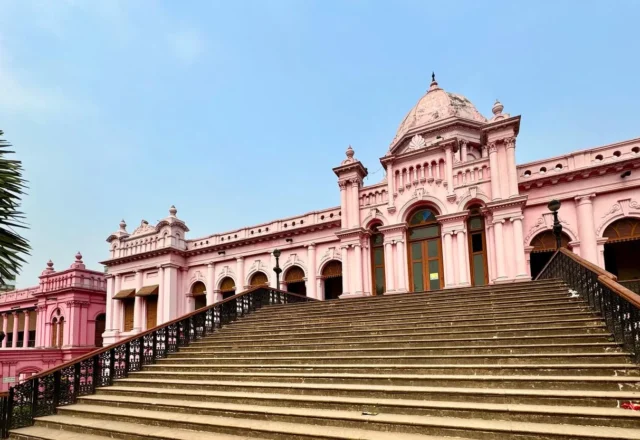
Old Dhaka is one of the most intense historic districts in South Asia. In a single day you can see the pink Ahsan Manzil palace, the Mughal Lalbagh Fort, the conch-shell lane of Shakhari Bazar and the boat traffic of Sadarghat. A river cruise on the Buriganga shows the city from the water, where it makes the most sense.
“We explored some parts of the Old Dhaka, the river, local markets and had a nice dinner with Kachi Biryani.”
Lucas Tanase, on a one-night layover (Google, September 2026)
4. The Sundarbans and Its Tigers
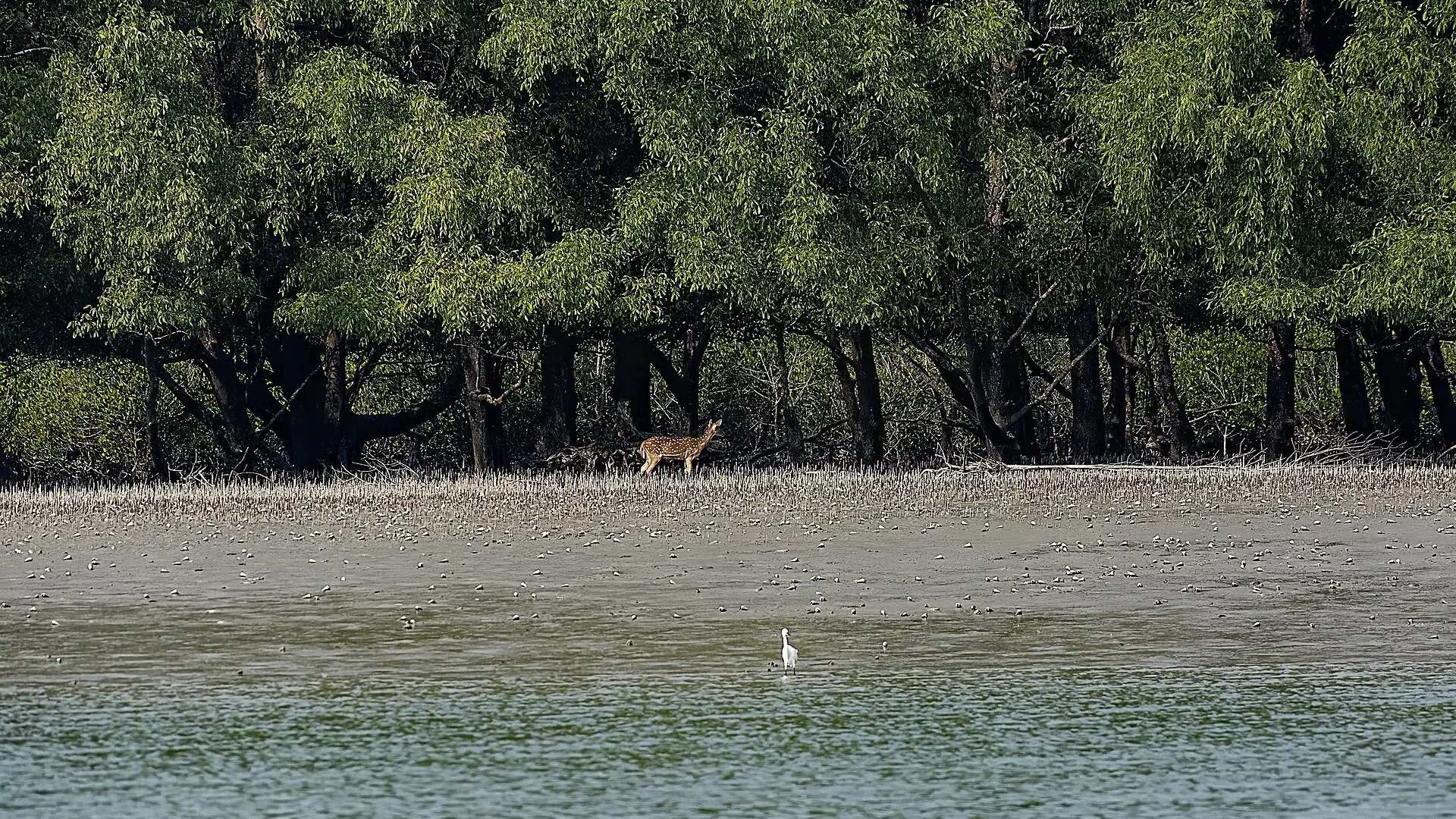
The Sundarbans is the largest mangrove forest in the world, shared with India and listed by UNESCO. You travel by boat through tidal channels, looking for spotted deer, crocodiles and kingfishers. A 2024 survey by the Forest Department counted 125 Bengal tigers in the Bangladesh part, though sightings remain rare and should be treated as a bonus.
5. Three UNESCO World Heritage Sites
Bangladesh has three World Heritage Sites, a fact several travel sites get wrong. Alongside the Sundarbans are the 15th-century Mosque City of Bagerhat, with the Sixty Dome Mosque, and Paharpur, the ruins of one of the great Buddhist monasteries of Asia. As a result, you will often have them almost to yourself. The guide to the UNESCO World Heritage Sites in Bangladesh explains how to visit each.
6. Archaeology Older Than You Expect
In fact, Bangladesh sits on one of the oldest settled landscapes in South Asia. Mahasthangarh, near Bogura, is the earliest urban site found in the country, with remains dating back to at least the 3rd century BCE.
There are also the Buddhist ruins of Mainamati near Cumilla and the merchant town of Panam City at Sonargaon, an old capital of Bengal. Together they span more than two thousand years of history, usually without another tourist in sight.
7. The Terracotta Temples of the North
North Bengal is full of brick temples covered in terracotta carvings of gods, battles and village life. The finest is the Kantajew Temple near Dinajpur, and the temples of Puthia sit around ponds near Rajshahi. However, few international visitors make it this far, which is a large part of the appeal.
8. Natural Beauty: Tea Hills, Rainforest and Wetlands
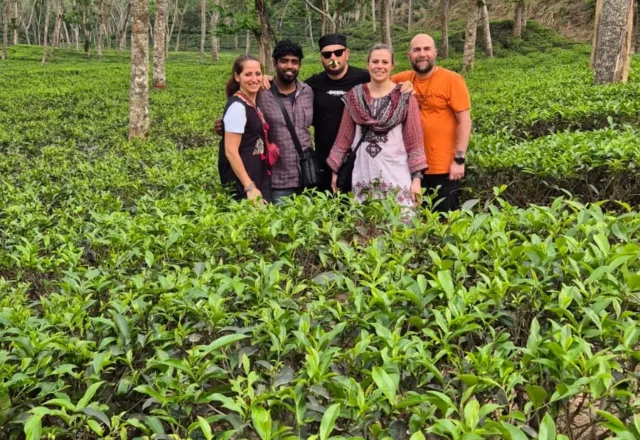
Bangladesh is one of the greenest countries on Earth. Around Sreemangal and Sylhet the land rises into tea gardens, forest and low hills. In Lawachara National Park you can hear western hoolock gibbons, the only apes in the country, calling through the trees.
In the monsoon the Ratargul swamp forest floods and you glide through it by small boat. Near the Indian border, the clear river at Jaflong runs out of the Khasi hills. The haor wetlands, meanwhile, become inland seas for half the year, with villages on islands.
“The people, the temples, the mosques, the tea plantation, the river cruises… what do not like about all of that!”
AleS1982, Italy (Tripadvisor, April 2026)
9. Rivers and Village Life
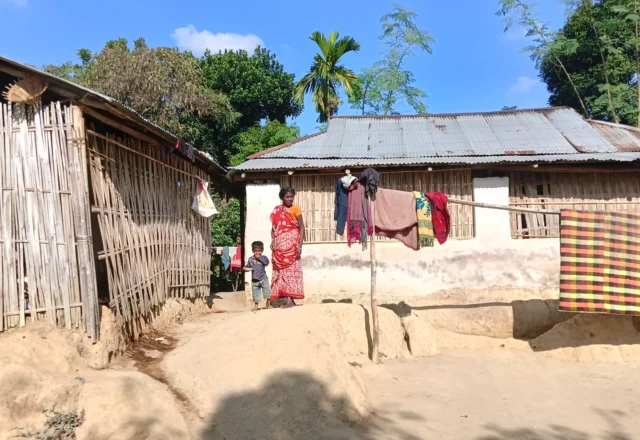
Bangladesh is a country shaped by rivers, and village life still follows the water. In Barishal boats gather for floating markets, and everywhere you meet weavers, potters, fishermen and farmers along the banks. Many guests say this is where they felt they really got to know the country.
10. Festivals and Baul Music
The festivals in Bangladesh are among the most joyful in South Asia. Pohela Boishakh turns Dhaka red and white, Durga Puja fills the lanes with drums, and at the Lalon Mela in Kushtia Baul singers perform through the night. The events calendar lists the next dates.
11. The Food
Bengali food is rich, spicy and built around fish, rice and mustard. Kacchi biryani in Old Dhaka, hilsa curry, street fuchka and endless milk sweets are worth the trip on their own.
Every region has its speciality too: mishti doi (sweet yoghurt) from Bogura, chui jhal curries from Khulna, the mezban beef feasts of Chattogram and the layered tea of Sreemangal. So come hungry. The guide to Bangladeshi food covers what to try, and vegans and vegetarians eat well too.
“I’m also vegan, and they made sure I was well fed, which meant so much to me.”
Nessira R, United States (Tripadvisor, October 2026)
12. Getting Around Is Part of the Adventure
Travel in Bangladesh is an experience in itself, and it is also cheap. Dhaka’s rickshaws, with their hand-painted art, are on UNESCO’s list of the intangible cultural heritage of humanity. Overnight river launches sail from Sadarghat to Barishal, intercity trains cross the green delta, and a new metro line now skips part of Dhaka’s traffic.
Meanwhile, domestic flights link Dhaka with Sylhet, Jashore, Saidpur and Cox’s Bazar in under an hour.
13. Cox’s Bazar and the Coast
Cox’s Bazar has one of the longest natural beaches in the world, because it runs for about 120 km along the Bay of Bengal. The beach itself is busy with local holidaymakers, so the real reward lies beyond it. Maheshkhali island, the fishing harbours and the southeastern hills are quieter.
14. Very Few Other Tourists
In fact, Bangladesh is one of the least-visited countries in Asia. Bangladesh Tourism Board figures reported by CNN put international arrivals at about 650,000 in 2024, against more than two million for Sri Lanka. That means no queues at the sights and no tour-bus crowds. It also means a welcome that has not been worn down by mass tourism.
15. Affordable Hotels and Good Value
Bangladesh is good value at every level. Clean, comfortable mid-range hotels in most towns cost a fraction of European or American prices, and around Sreemangal you can sleep in a resort among the tea gardens.
Local food, trains and rickshaws cost very little. Even a private guide and car cost less than in most of the region, and the Evergreen hotel booking service finds the best place in each town. A private half-day tour of Dhaka with Evergreen Bangladesh Tours costs from about 35 US dollars per person in a group, for example.
Why So Few Tourists Visit Bangladesh
So few tourists come because of the country’s image, not its sights. Bangladesh is better known abroad for floods, garment factories and news headlines than for temples or tigers. The reasons are still worth understanding, because most of them matter less on the ground than they do online.
- Image. News coverage focuses on disasters and protests, and viral videos favour the most chaotic scenes.
- Travel advisories. Mixed advice from different governments in recent years made many travellers wait.
- Infrastructure. Hotels, transport and signage outside the main cities are basic by international standards.
- Marketing. Neighbouring countries have spent far more on tourism promotion for decades.
For the traveller, therefore, the result is a country with world-class sights and very few people looking at them. That trade-off is the whole point for some visitors and a deal-breaker for others.
Is Bangladesh Safe to Visit Right Now?
Bangladesh is safe for most visitors who plan sensibly, and the official advice has improved. After the political changes of 2024 and the national election of February 2026, the US State Department lowered Bangladesh to Level 2, “exercise increased caution”, on 30 July 2026. That is the same level as many European countries.
Two areas remain off-limits on the US list. These are the Chittagong Hill Tracts and the border camps near Ukhia and Teknaf, south of Cox’s Bazar.
The UK advises against all but essential travel to the Hill Tracts only. Violent crime against visitors is rare. Instead, the real risks are road traffic, pickpockets in crowds and occasional political rallies.
“Bangladesh may not be as popular as some other destinations in Asia, but in my humble opinion it is a beautiful country with… kind, hospitable people, excellent food and perfectly safe destination.”
Slobodan M (Google, October 2026)
The full picture, including solo women and protests, is in the guide to whether Bangladesh is safe.
What Is Hard About Travelling in Bangladesh?
Travelling in Bangladesh is harder than in Thailand or Sri Lanka, and pretending otherwise would not help you plan. Most of the difficulties are about comfort rather than danger, and each has a practical answer.
The table sets them out honestly.
| Challenge | How much it matters | What helps |
|---|---|---|
| Traffic in Dhaka | A lot: some drives take two hours | Fewer sights per day, boats, the metro, early starts |
| Attention and selfies | Constant outside Dhaka | A smile and a firm “no thank you”; a guide to step in |
| Basic hotels outside cities | Moderate | Book the best place in each town, not the cheapest |
| Toilets | Moderate | Use hotel and restaurant toilets; carry tissues |
| Noise and air pollution | High in Dhaka in winter | Plan time in the countryside; a mask on bad days |
| Alcohol | High if it matters to you | Only in licensed hotel bars and clubs |
| Language | Low in cities, high in villages | Learn a few words of Bangla; a guide translates |
| Dress code | Low once packed for | Loose clothes covering shoulders and knees |
Traffic deserves its own warning. Dhaka is one of the most densely populated cities on Earth, and a journey of ten kilometres can take an hour at rush hour. So guests who plan two or three sights a day instead of six enjoy the city far more.
“Traffic in Dhaka is challenging to say the least and he handled it like a pro!”
Chad R, United States (Tripadvisor, September 2026)
The attention can surprise people too. Outside Dhaka, a foreigner can draw a small crowd, and requests for selfies are constant.
It almost always comes from curiosity rather than hostility. Still, it can be tiring, especially for women. The guides to what to wear and solo and female travel cover how to handle it.
How Much Does a Trip to Bangladesh Cost?
Bangladesh is one of the cheapest countries in Asia to travel in independently, and private touring is good value too. Costs depend mostly on where you sleep and whether you travel with a guide and car. The figures below are typical daily spending per person in 2026, excluding flights and the visa.
Treat them as a guide, not a quote.
| Travel style | Where you sleep | Getting around | Rough daily cost per person |
|---|---|---|---|
| Budget, independent | Simple guesthouses | Buses, trains, rickshaws | 25–40 US dollars |
| Mid-range, independent | Good local hotels | Trains, Uber, rented car for some days | 60–110 US dollars |
| Private guided tour | Best hotel in each town | Private car, driver and guide | 120–250 US dollars |
Hotel rates vary by city. Google’s travel listings in October 2026 show average nightly prices of roughly 17 to 56 US dollars across the main destinations, with Dhaka around 33. International chain hotels in Dhaka cost considerably more. Food, however, is where Bangladesh is cheapest, because a filling local meal costs a few dollars.
The visa is the one fixed cost. Citizens of the United States can get a visa on arrival at Dhaka airport for 50 US dollars plus tax, paid in cash. Rules for other nationalities are in the Bangladesh visa guide.
Bangladesh vs India, Nepal and Sri Lanka
Bangladesh is the least touristy of the four and the least developed for visitors. Yet it is also the one where travellers most often mention the welcome first. The comparison below is general, and every country varies by region.
| Bangladesh | India | Nepal | Sri Lanka | |
|---|---|---|---|---|
| Other tourists | Very few | Many | Many in season | Many |
| Tourist infrastructure | Basic | Good on main routes | Good on trekking routes | Very good |
| Cost | Very low | Low | Low | Moderate |
| Visa for most Western visitors | On arrival or in advance | e-Visa | On arrival | Online authorisation |
| Signature experience | Rivers, mangroves, hospitality | Monuments and variety | Himalayan trekking | Beaches, wildlife, tea |
Bangladesh also pairs naturally with India. Kolkata and Darjeeling are close to the border, and the guide to combining Bangladesh with India and Nepal explains the routes.
Who Will Love Bangladesh, and Who Should Wait
Bangladesh is a wonderful fit for some travellers and the wrong choice for others. Being honest about which one you are saves a disappointing trip.
You are likely to love Bangladesh if:
- You travel to meet people and do not mind being the centre of attention
- You have been to India or Southeast Asia and want somewhere less visited
- You enjoy rivers, villages, markets and ruins more than resorts
- You are happy with simple hotels for a few nights in exchange for real experiences
- You want a trip your friends have not already done
You may want to wait if:
- You need polished hotels, Western food and easy logistics every day
- Crowds, noise and stares would spoil your trip
- Nightlife and drinking are a big part of how you holiday
- You have only a few days and want to see many famous sights quickly
Neither list is a rule. Plenty of first-time visitors to Asia start in Bangladesh and love it, because a good guide removes most of the friction.
Do You Need a Guide in Bangladesh?
You do not need a guide to travel in Bangladesh, but most first-time visitors are glad they have one. Independent travel works well, though, for experienced backpackers with time, patience and a Bangla phrasebook. The difference a guide makes lies in time saved, doors opened and stress removed.
Travelling independently is cheaper and also gives total freedom. It also means negotiating every rickshaw, working out train tickets in Bangla, and handling permits for the Hill Tracts yourself. With a guide, by contrast, the traffic becomes someone else’s problem.
And the conversations start happening.
“He made it easy to connect with local people and appreciate the incredible hospitality of Bangladesh. Having someone with local knowledge taking care of the details meant I could relax and enjoy the journey.”
Barry Hoffner (NomadMania, October 2026)
A middle path suits many people. That means a guide for Dhaka and the Sundarbans, where it matters most, then independent days in calmer places such as Sreemangal. Evergreen Bangladesh Tours plans private tours of any length, and the trip builder lets you sketch your own route.
When a Bangladesh Trip Disappoints
Most disappointing trips to Bangladesh fail for the same few reasons, and all of them are avoidable. Knowing them in advance is the best insurance.
- The wrong season. Travelling in April or May means heat above 35°C, and the monsoon can cancel boat trips. November to February is easiest.
- Too much in too little time. Trying to see Dhaka, the Sundarbans, Sylhet and Cox’s Bazar in a week means most of it is spent in traffic.
- Expecting polish. Guests who arrive expecting Thailand’s comfort find the basics hard. Guests who arrive curious rarely do.
- The Hill Tracts without a permit. Foreigners need permission for Rangamati, Bandarban and Khagrachari, and some governments advise against going.
- Travelling during Eid. For about a week around each Eid, transport is full and many places close.
How Many Days Do You Need, and When Should You Go?
Seven to ten days is the sweet spot for a first visit to Bangladesh. A week covers Dhaka and either the Sundarbans or tea country. With ten to fourteen days, however, you can add North Bengal or the coast. The Bangladesh itinerary guide has sample routes for 7, 10 and 14 days.
The best time to visit is the cool, dry season from November to February. March to May is hot, and the monsoon from June to October is green and dramatic but wet. The best time to visit guide covers each region month by month.
Avoid the two Eid weeks if you plan to tour.
“We are a group of 4 friends who travelled for 10 days through wonderful and unforgettable landscapes of Bangladesh.”
CinTN, Italy (Tripadvisor, March 2026)
Frequently Asked Questions
Is $100 a Lot of Money in Bangladesh?
Yes. For a budget traveller, 100 US dollars covers two or three days of food, local transport and simple rooms. On a mid-range trip it covers a good hotel, meals and a day of getting around. Private tours and international hotels in Dhaka cost more.
Is Bangladesh a Cheap Country to Visit?
Yes, Bangladesh is one of the cheapest countries in Asia for travellers. Street food, trains, buses and guesthouses are very inexpensive. The costs that add up are good hotels, private cars and flights within the country, which are still cheaper than in most of the region.
Is Bangladesh Clean?
Big cities like Dhaka are crowded, and air quality drops in the dry winter months, as in many large South Asian cities. The countryside is a different world: green, quiet and fresh, which surprises many visitors. Good hotels and restaurants keep high standards of cleanliness.
Why Do People Travel to Bangladesh?
Most travellers come for the people, the Sundarbans, Old Dhaka and the feeling of exploring somewhere few tourists go. Others come for festivals, photography, family roots or to complete a South Asia journey that already includes India and Nepal.
Can I Get a Visa on Arrival in Bangladesh?
Many nationalities, including citizens of the United States, the UK, most of Europe and Australia, can get a visa on arrival at Dhaka airport. For US citizens the fee is 50 US dollars plus tax, paid in cash. Rules change, so check the latest before travelling.
Is Bangladesh Good for Solo Female Travellers?
Many women travel solo in Bangladesh and enjoy it, though the attention is stronger than for men. Dressing modestly, avoiding the densest crowds at night and using a guide for the busiest places help a great deal. Women often find other women especially welcoming.
Will People Stare at Me in Bangladesh?
Yes, especially outside Dhaka. Foreigners are rare, so people look, approach and ask for selfies out of curiosity. It is rarely hostile. Saying no politely is perfectly acceptable, and a guide can help when a crowd gathers.
Can You Drink Alcohol in Bangladesh?
Only in limited places. Alcohol is not part of everyday life for most Bangladeshis, and drinking in public is not allowed. Foreign visitors can usually buy a drink in licensed hotel bars and some clubs in Dhaka, Chattogram and Cox’s Bazar, at international prices.
Is Dhaka Worth Visiting?
Yes, with a plan. Dhaka is overwhelming at first, but Old Dhaka, the river and the markets are some of the most memorable urban experiences in Asia. Two full days with a guide is enough for most visitors. The guide to Dhaka lists the highlights.
Can I Combine Bangladesh With India?
Yes, easily. Several land borders link Bangladesh with West Bengal and the northeast of India, and flights connect Dhaka with Kolkata and Delhi. Check that your Indian visa allows entry by land if you plan to cross the border by road.
Do People Speak English in Bangladesh?
In Dhaka and in hotels, many people speak some English, and educated young people often speak it well. In villages and markets, English is limited. A few words of Bangla, such as “dhonnobad” for thank you, go a long way.
Is Bangladesh Suitable for Families or Older Travellers?
Yes, with the right pace and a private car. Families with children and older travellers do well on private tours with comfortable hotels and short travel days. Rough rural roads and long boat days are the parts to plan carefully.
What Is Bangladesh Famous For?
Bangladesh is famous for the Sundarbans and its Bengal tigers, its rivers, its muslin and Jamdani weaving and the Sixty Dome Mosque. It is also known for Cox’s Bazar beach, tea gardens, rickshaw art and some of the warmest hospitality in the world.
What Makes Bangladesh Unique?
Few countries combine the world’s largest mangrove forest, hundreds of rivers, 50 ethnic communities and ruins over two thousand years old. Even fewer do it with so few tourists. Add rickshaw art, Baul music and the hospitality, and Bangladesh feels unlike anywhere else in Asia.
So, Is Bangladesh Worth Visiting?
Bangladesh is worth visiting for travellers who want people, cultures, rivers, ruins, forests and festivals, without the tourist crowds. It asks for patience with traffic, attention and simple hotels. In return, it gives the kind of welcome few places still offer.
So go in the dry season, plan fewer sights than you think, and let the people do the rest.